
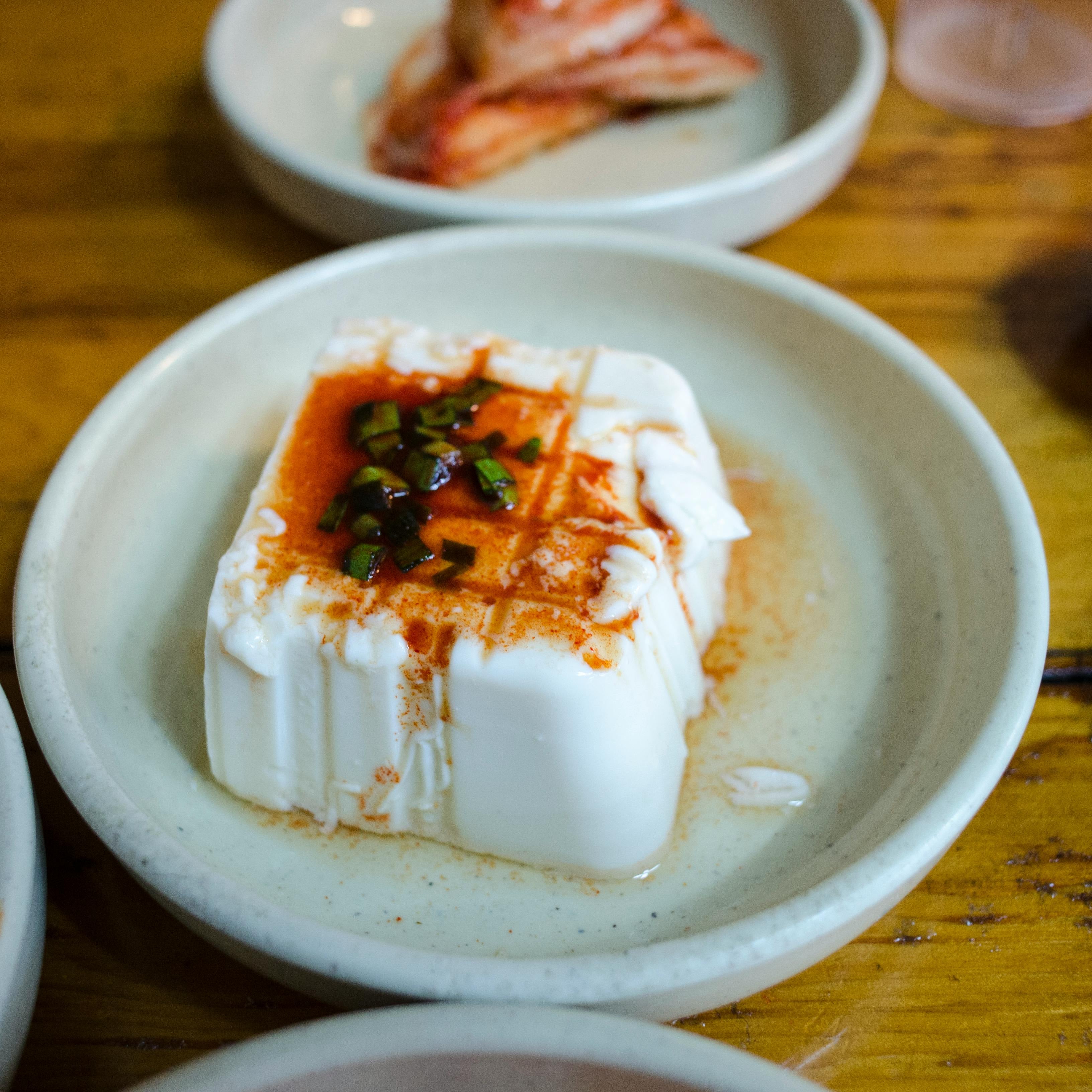
When it comes to soy products, it’s important to consider the full journey of the soybean — from how it's grown and harvested to how it’s processed and brought to your plate. Not all soy is created equal, and understanding the difference between GMO and non-GMO soy can help you make more informed choices, especially when using soy to support hormonal health.
What is GMO?
GMO stands for genetically modified organism. Most conventional soy grown today is genetically modified to be herbicide-resistant, meaning it can be sprayed with powerful weed killers like glyphosate (commonly sold as Roundup) without damaging the crop itself.
While this increases crop yields and reduces losses for farmers, it raises concerns around:
- Residual pesticide and herbicide exposure in food
- Long-term health impacts of consuming GMO foods
- Environmental effects like monoculture farming, soil degradation, and biodiversity loss
- Due to these factors, many people prefer to avoid GMO soy (and other common GMO crops like corn), instead choosing products clearly labelled non-GMO or certified organic.
Soy and Hormonal Health
Regardless of whether soy is GMO or non-GMO, soy can play a beneficial role in women’s health, particularly during perimenopause and menopause. This is largely thanks to its content of phytoestrogens, especially isoflavones — plant compounds that have a similar structure to human oestrogen.
These compounds may help to:
- Smooth the hormonal fluctuations of the menopausal transition
- Reduce hot flushes and night sweats
- Support healthy weight and metabolism
- Stabilise blood sugar levels
Soy is also a complete source of plant-based protein, containing all nine essential amino acids, making it a great option for those reducing or avoiding animal products. It's also rich in fibre, folate, potassium, and B vitamins, adding to its nutritional profile.
Choosing Non-GMO & Whole-Food Soy Products
Non-GMO soy is more commonly found in whole-food and traditionally prepared soy products, such as:
- Tofu
- Tempeh
- Miso
- Edamame
- High-quality soy milk
- Soy protein powders (often labelled as non-GMO or organic)
When possible, choose organic and non-GMO soy products to reduce your exposure to pesticides and support sustainable farming practices.
The Added Benefit of Fermented Soy
Fermented soy foods also offer gut health benefits, as they naturally contain probiotics that support the microbiome. These include:
- Tempeh – a fermented soybean cake with a firm texture and nutty, earthy flavour
- Miso – a fermented paste used in soups and dressings; salty, buttery, and rich in umami
- Natto – sticky fermented soybeans with a strong flavour; an acquired taste but highly nutritious
- Traditional soy sauce – made through natural fermentation (note: many commercial soy sauces are chemically processed, so always check the label)
Final Thoughts
In a world where we're aiming to reduce our toxic load, eat more organic whole foods, and support sustainable agriculture, choosing non-GMO soy is a simple but powerful way to protect your health while still enjoying the many nutritional benefits soy offers.
Whether you’re navigating menopause or just looking to optimise your plant-based protein intake, non-GMO, minimally processed soy can be a nourishing part of your diet.