
If you've sat in a doctor's office and been told that your age is the reason you're struggling to conceive, you're not alone. Age is often the first thing that comes up in fertility conversations, and for many women, it becomes the story they carry with them.
But here's what that conversation often leaves out: age affects how many eggs you have, not necessarily the quality of the ones you do have. And quality is what matters most for conception.
This distinction is at the heart of how we approach fertility at Nourishing Apothecary. Rather than focusing on what can't be changed, we look at what can be.
What age actually affects
As women age, ovarian reserve (the number of eggs remaining in the ovaries) naturally declines. This is a real and well-documented biological process. Markers like AMH (anti-Mullerian hormone) and antral follicle count are used to estimate ovarian reserve, and these do change over time.
But ovarian reserve and egg quality are two different things. A lower egg count doesn't automatically mean lower quality eggs. And conversely, a younger woman with a healthy AMH level can still have eggs that are compromised by other factors entirely unrelated to age.
This is something that often gets missed in conventional fertility assessments, and it's exactly where a naturopathic investigation can offer a more complete picture.
What influences egg quality
The key factors that influence egg development and reproductive health
Metabolic health and insulin sensitivity
Insulin resistance can disrupt the hormonal signals that guide follicle development. It's more common than many women realise, and it doesn't only affect those with a PCOS diagnosis. Addressing insulin sensitivity is often one of the first things we look at when working with women on egg health.
Inflammation
Chronic low-grade inflammation can affect cellular health throughout the body, including within the ovaries. Inflammatory pathways are often driven by diet, gut health, stress, and environmental factors. Identifying and reducing inflammatory load is a core part of our approach.
Nutrient status
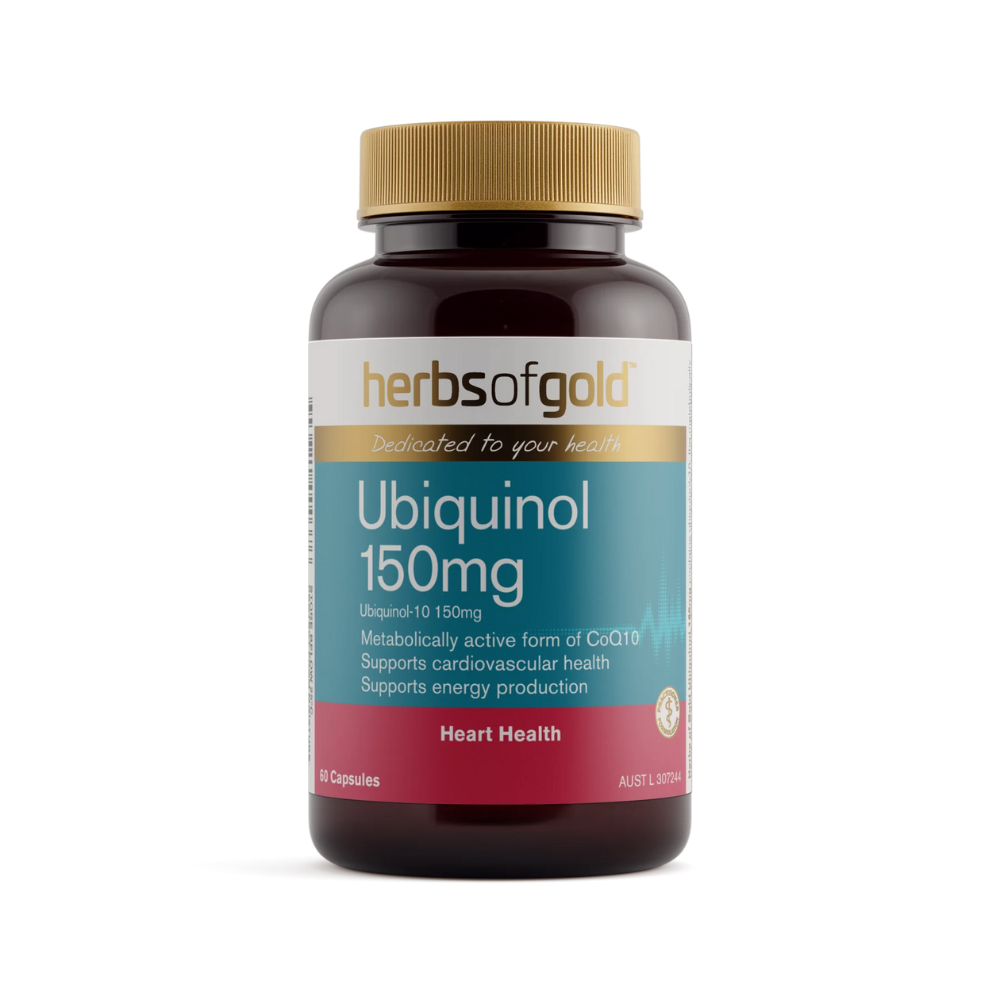
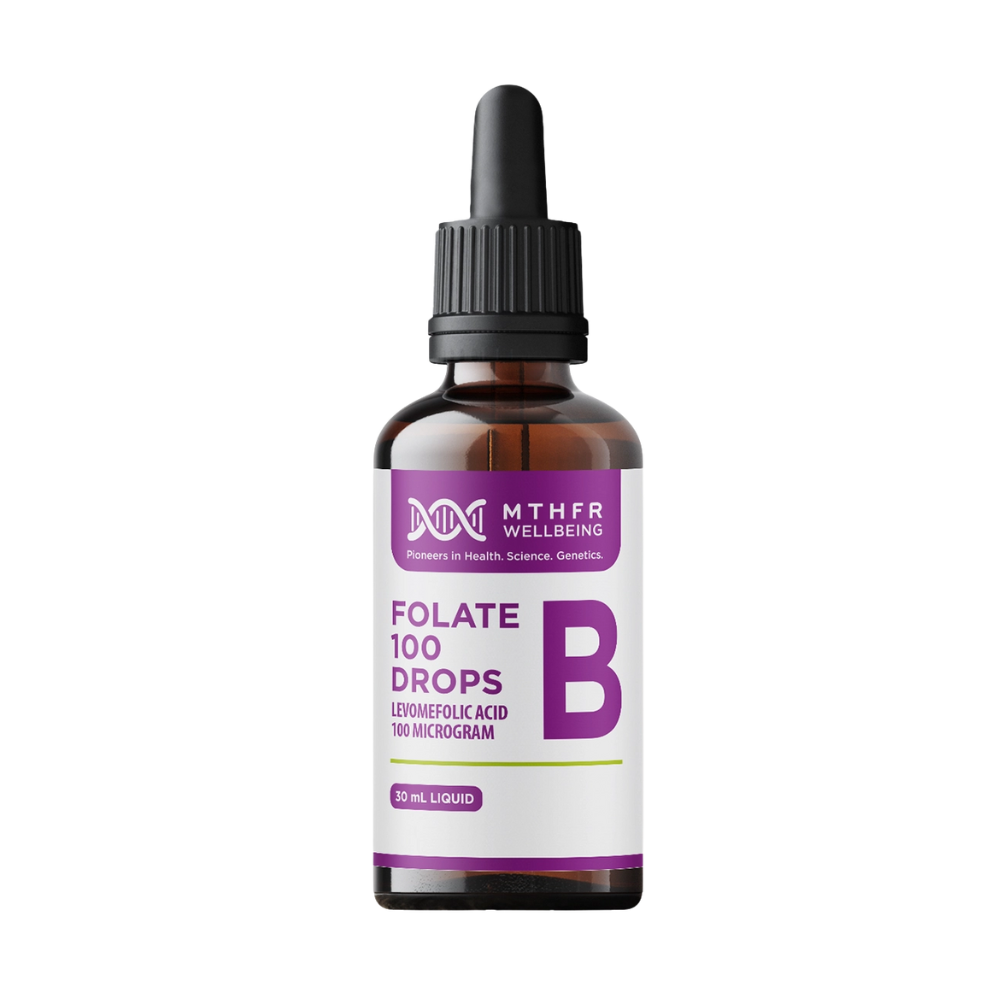
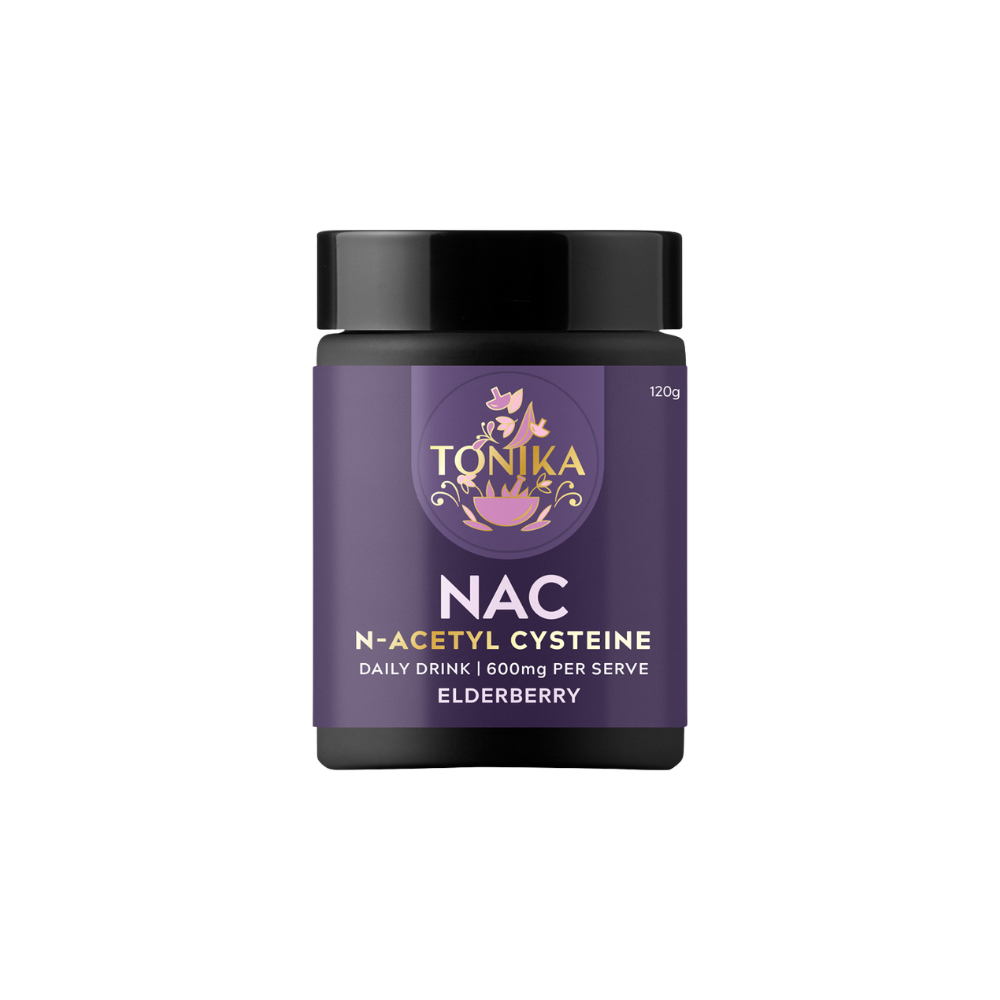
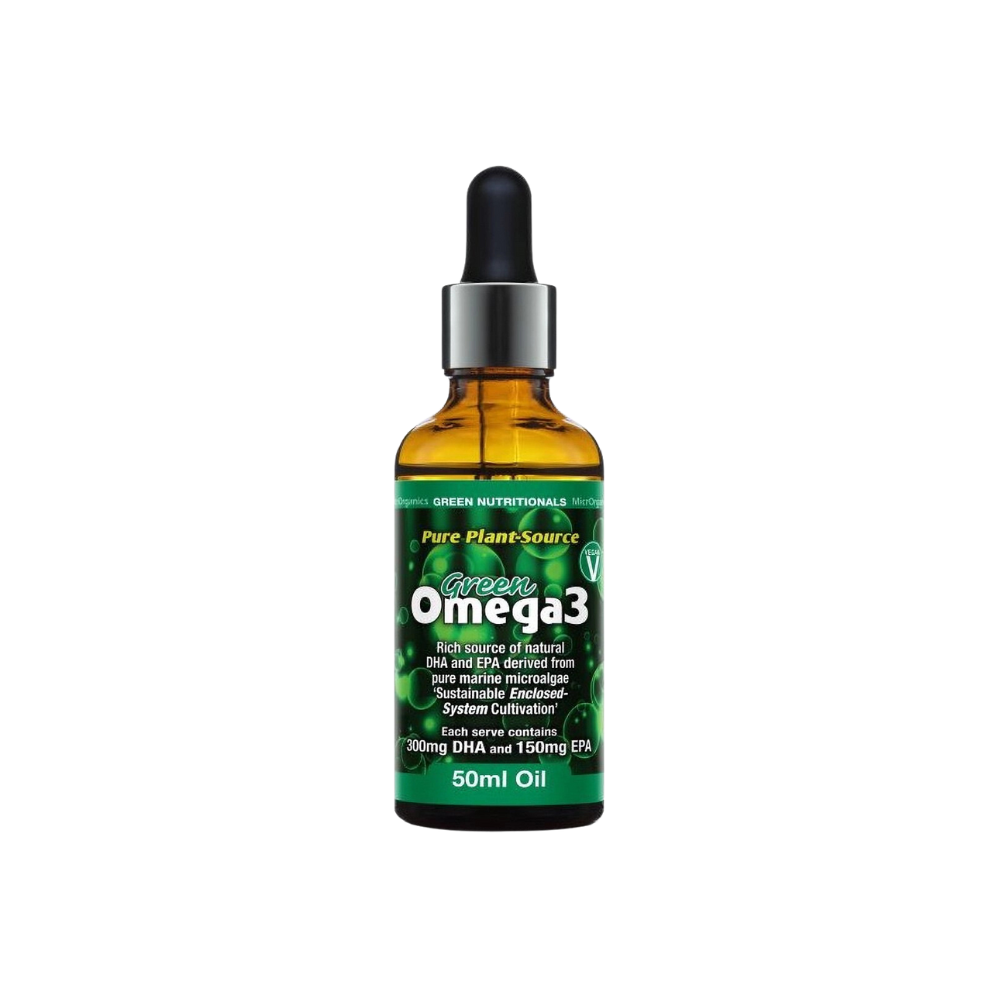
Specific nutrients play a direct role in egg maturation. Deficiencies in key vitamins and minerals can affect chromosomal integrity, mitochondrial function, and hormonal balance. These aren't things that show up on a standard blood panel, but they matter. Our practitioners look at nutritional status as part of a thorough assessment.
Gut health
The gut microbiome influences how nutrients are absorbed and how oestrogen is metabolised. A compromised gut can undermine even the best supplement protocol. Supporting digestive health is often part of the foundation we build before addressing anything else.
Stress and the HPA axis
Chronic stress affects reproductive hormones in ways that go far beyond what most people expect. The relationship between the adrenal system and the reproductive system is deeply interconnected. High cortisol can suppress ovulation, affect progesterone, and create an environment that isn't conducive to conception. This isn't about telling women to stress less. It's about addressing the physiological impact of stress on the body.
Thyroid function
Sub-optimal thyroid function, even within the conventional "normal" range, can affect egg development and early pregnancy. This is an area our practitioners assess carefully, particularly when women have been told everything looks fine but something still doesn't feel right.
The age conversation we actually have with clients
When a client comes to us having been told they're "running out of time", the first thing we do is look at the full picture. Not just the age on the page, but the health of the whole person: their hormones, their gut, their stress load, their nutrition, their sleep, their inflammatory markers.
More often than not, there are factors present that have nothing to do with age. And those factors can be worked with.
We're not in the business of making promises. But we are in the business of looking harder than a single number on a lab result. For a deeper understanding of what egg quality means and why it matters, read our article: Why egg health matters in your fertility journey.
What you can do now
If you're in the three to four months before a planned IVF cycle, or actively trying to conceive, this is a meaningful window to work within. The environment your eggs are developing in right now will shape the eggs available to you in the coming months.
Our article on how to improve egg quality naturally before IVF goes into the specific areas our practitioners focus on, and what a naturopathic fertility plan typically involves.
If you'd like personalised support, a discovery call is the best place to start. It's free, there's no pressure, and it gives us a chance to understand where you are before making any recommendations.
Our practitioners are based in Liverpool, Sydney, and offer consultations online across Australia.
Egg health FAQ
Answers to common questions about egg health, fertility, and IVF preparation
Does age affect egg quality or just egg quantity?
Age primarily affects ovarian reserve, which is the number of eggs remaining in the ovaries. While chromosomal irregularities in eggs do become more common with age, egg quality itself is influenced by many other factors that are not age-dependent, including metabolic health, inflammation, nutrient status, gut health, and stress levels. This is an important distinction because it means there are meaningful areas a naturopath can investigate and support regardless of how old you are.
What is the difference between ovarian reserve and egg quality?
Ovarian reserve refers to the number of eggs remaining in the ovaries and is typically measured through AMH (anti-Mullerian hormone) and antral follicle count. Egg quality refers to the biological health of individual eggs and their capacity to develop into viable embryos. A woman can have a low ovarian reserve but healthy eggs, or a normal AMH level with eggs that are compromised by other factors. Standard fertility assessments often focus on reserve without investigating quality, which is where naturopathic assessment can offer additional insight.
Can women over 35 improve their fertility naturally?
Yes. While ovarian reserve does decline with age, many of the factors that influence egg quality and overall reproductive health are modifiable at any age. Naturopathic support for women over 35 typically focuses on optimising the biological environment in which eggs are maturing, addressing hormonal balance, reducing inflammation, supporting mitochondrial health, and ensuring optimal nutritional status. Our practitioners take a thorough whole-person approach and work with what is present, rather than focusing solely on what changes with age.
What does a low AMH result actually mean?
AMH (anti-Mullerian hormone) is a marker of ovarian reserve, reflecting the number of eggs remaining. A low AMH result indicates a smaller pool of eggs but does not directly measure the quality or health of those eggs. Many women with low AMH conceive naturally or through IVF. A naturopathic assessment looks beyond AMH to understand the broader picture of reproductive health, including hormonal balance, nutritional status, and the factors that influence the quality of available eggs.
Can naturopathy help with unexplained infertility?
Unexplained infertility is a diagnosis given when standard investigations don't identify a clear cause. From a naturopathic perspective, this often means there are underlying factors that haven't been investigated yet, such as sub-optimal thyroid function, insulin resistance, microbiome imbalances, nutrient deficiencies, or inflammatory markers. Our practitioners are experienced in investigating these areas and developing personalised plans that address root causes rather than simply treating the label of unexplained infertility.
Disclaimer: This article is provided for educational and informational purposes only. It is not intended to replace personalised medical or naturopathic advice, diagnosis, or treatment. The information presented does not constitute a therapeutic claim. Always consult a qualified health practitioner before making changes to your health, nutrition, or supplement routine, particularly if you are pregnant, trying to conceive, or managing a diagnosed health condition. Nourishing Apothecary's practitioners operate in accordance with Australian naturopathic and TGA guidelines.