
Children's immunity
Naturopathic and nutritional support for children's immune resilience
When sickness feels never-ending, and you're wondering if it's really still normal
Children get sick. That's a normal and necessary part of how a young immune system learns. But there's a meaningful difference between a child who picks up the occasional virus and bounces back, and a child who's constantly unwell, takes weeks to recover, or seems to catch every bug going around.
If your child is in the second group, there's usually a nutritional or gut health picture worth investigating. Our practitioners can help you understand what may be contributing and build a plan that may support day-to-day resilience, rather than only reacting to each illness as it arises.

WHEN WE CAN HELP
Some of the patterns we see...
Your child catches every bug going around at school
Some illness is a normal part of childhood, particularly during the first year or two of group care or school. But if your child seems to catch everything that's around, it's worth looking at what's underneath. Microbiome resilience, nutrient status and immune foundations are areas we commonly explore in children with frequent illness.
Your child takes longer than other kids to recover
Some children seem to bounce back from a cold within a few days; others linger for two or three weeks. Slow recovery may reflect what's happening underneath, including nutrient status, gut function and overall reserves. We can help you understand whether targeted support might shift the recovery picture for your child.
Your child has had multiple antibiotic courses recently
Repeated antibiotic exposure is one of the more disruptive factors for the developing immune and gut systems. We often work with families coming out of a difficult illness season, helping them rebuild gut and immune foundations once antibiotics are no longer needed, with age-appropriate probiotics and dietary support.
Your child has recurrent ear, throat or chest infections
Recurrent infections in children warrant a careful look at what's underneath. Alongside any GP or specialist care, naturopathic support may help by addressing nutritional foundations and gut-immune resilience. We don't replace medical management; we work alongside it, focusing on the layer that's commonly under-addressed.
Your child has asthma or hayfever and resilience feels low
Allergic conditions and overall immune resilience are connected. If your child has asthma or allergic rhinitis and you feel their general resilience could be stronger, there's often a nutritional and gut-immune picture worth working on alongside any medical care. We can help you understand what may be relevant for your child.
You want to prepare ahead of winter or a school year
Many families come to us in autumn wanting to do something proactive before winter, or before their child starts daycare or school. Pre-emptive immune support, focused on nutritional foundations, gut health and sleep, is one of the more useful things we work on in children, particularly for families with prior difficult seasons.
So much of children's immune resilience starts in the gut. That's why our approach focuses on foundations, not just reacting to each illness as it comes.
If your child's immunity has been a long-running concern and you're unsure where to begin, a discovery call is the easiest first step. We'll talk through what's been going on, what's likely contributing, and whether working with us is a good fit. Free, 15 minutes, no obligation.
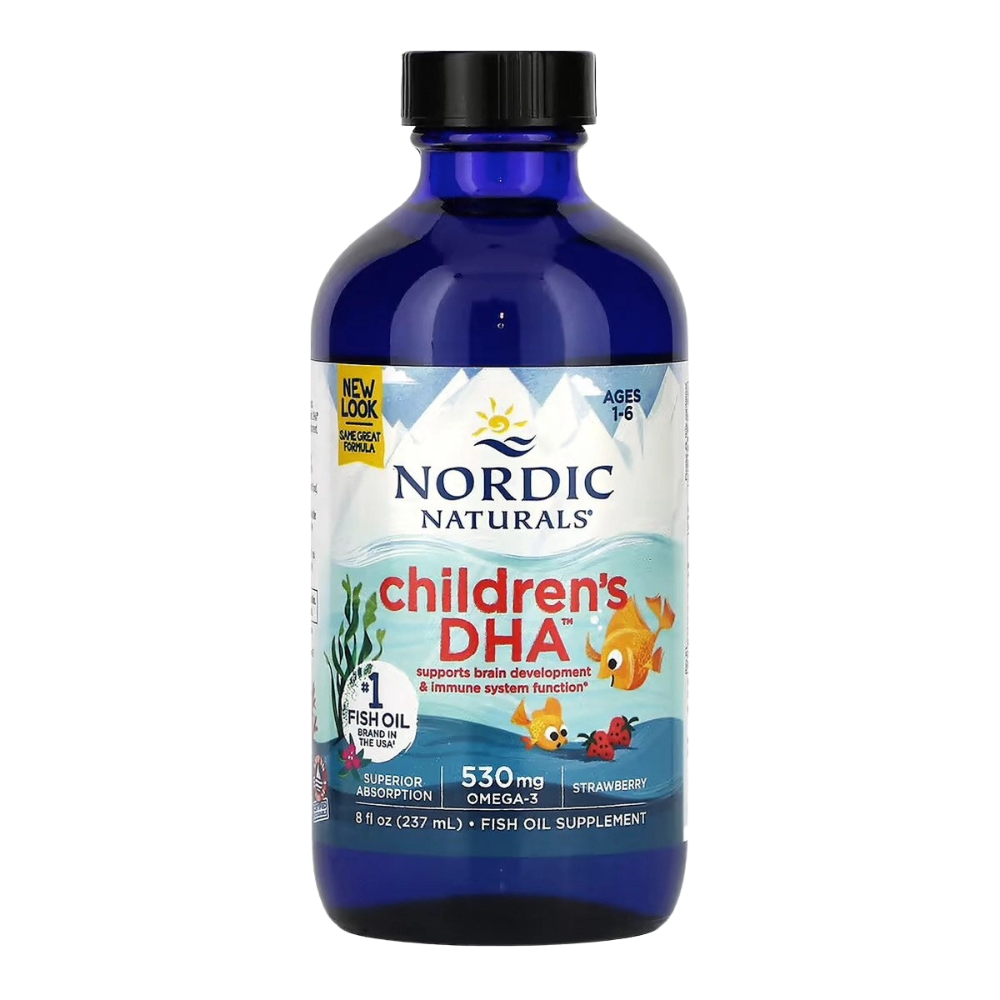
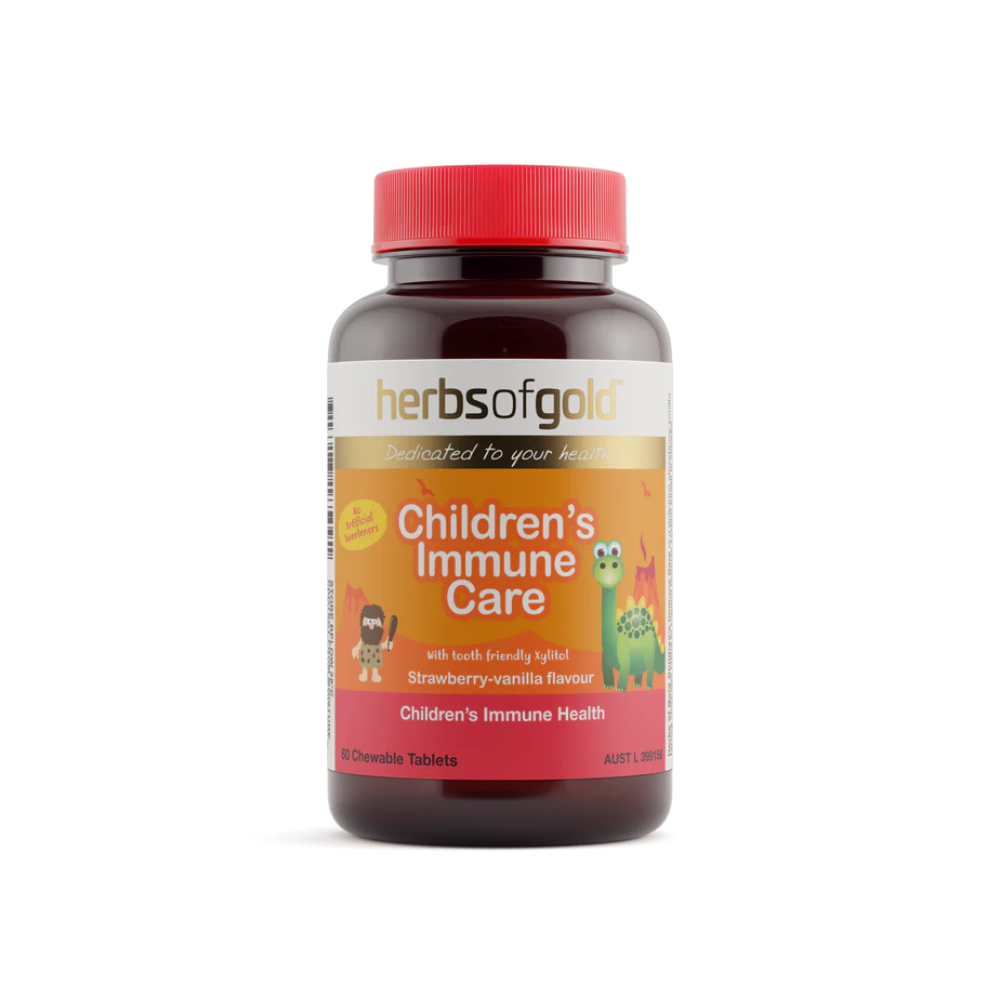
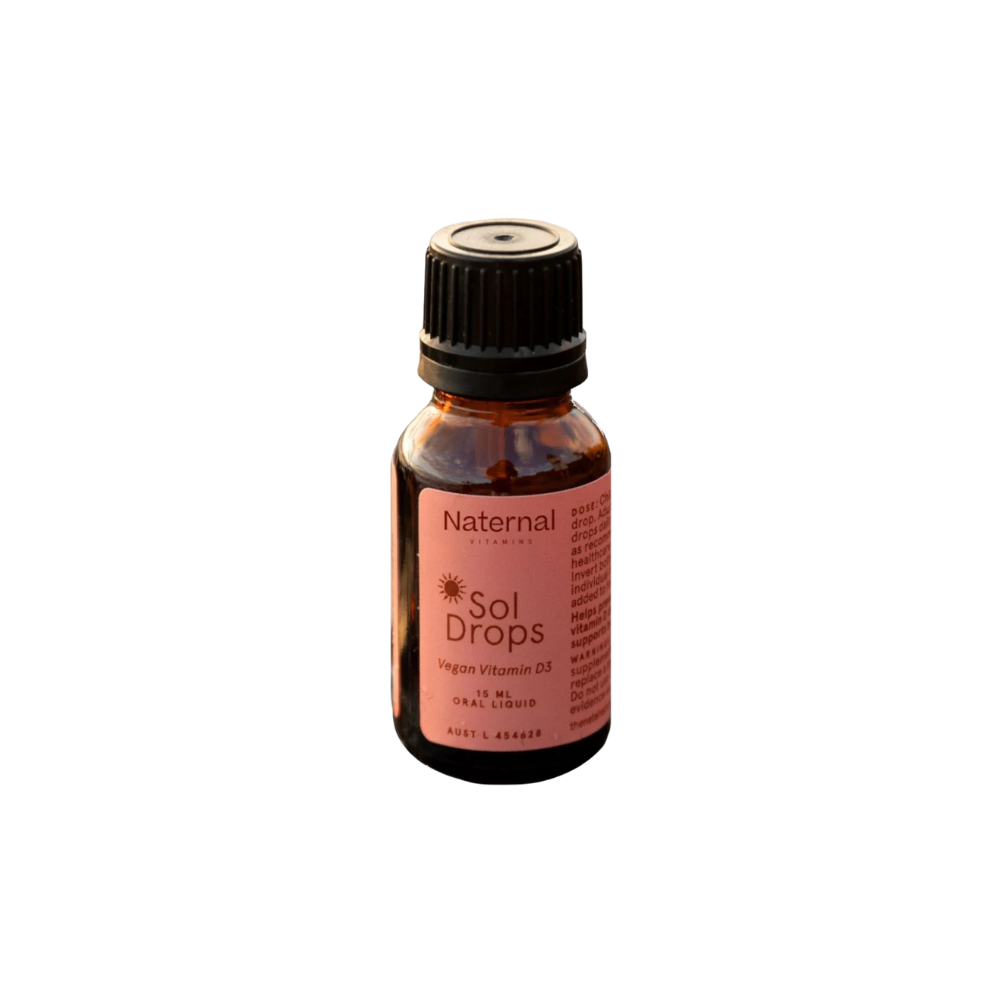
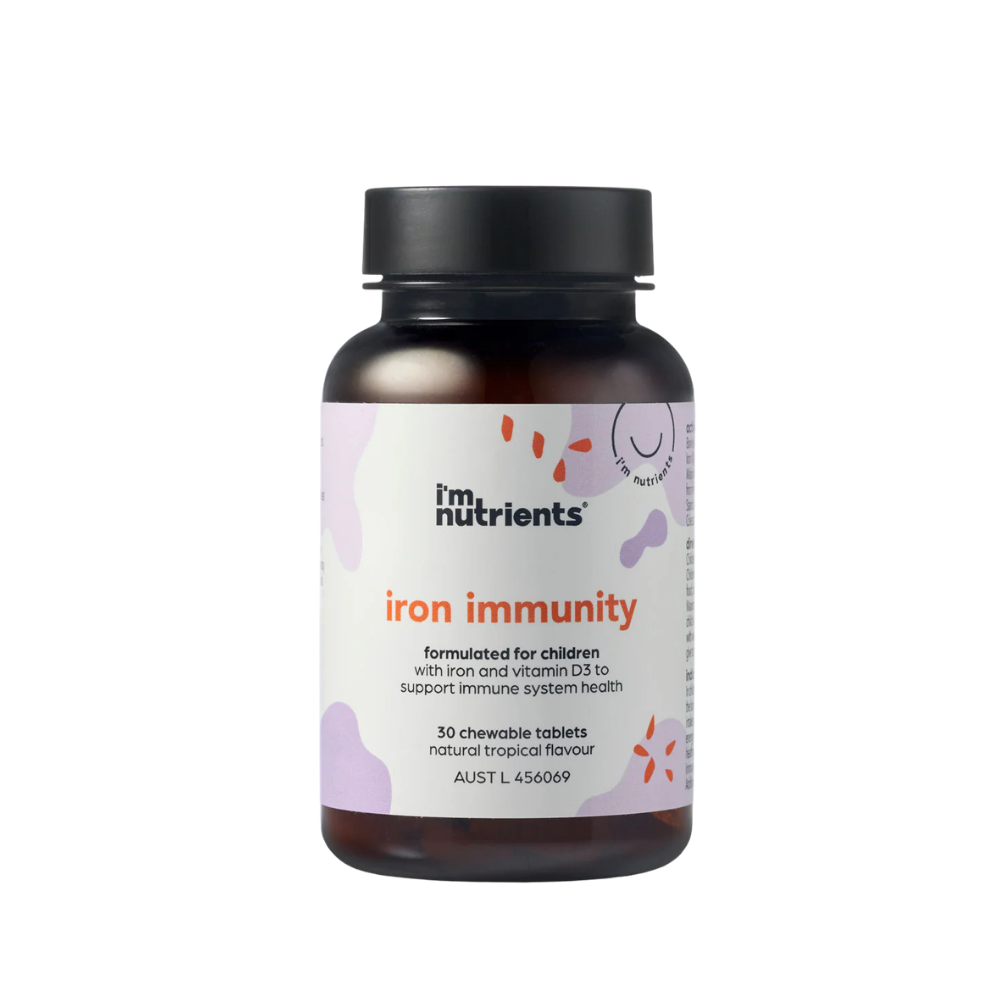




How children's immunity actually works
A child's immune system isn't simply an adult immune system in miniature. It's an actively developing and learning system that matures throughout childhood and adolescence. The gut plays a central role in this process, housing a large proportion of immune tissue and continuously educating immune cells in how to respond to pathogens and tolerate harmless antigens.
This is why so much of what we do for children's immunity actually starts with the gut. Microbiome diversity is a strong area of interest in children's immune resilience, and its disruption through repeated antibiotic use, low dietary diversity or other factors is commonly considered in clinical assessment.
Key nutrients including vitamin D, zinc, vitamin C and omega-3 fatty acids are involved in immune cell function and the regulation of inflammation. Vitamin D status is commonly suboptimal in Australian children due to sun avoidance and indoor time, and addressing it is often part of the broader picture our practitioners consider.

A clinical-first approach to children's immunity
We don't reach for echinacea every time a cold comes on. Children's immune support is more effective when it combines nutritional foundations with gut health support, given the gut's role in immune development and regulation. Our approach is to address both, in age-appropriate forms, with a focus on resilience rather than reacting to each individual illness.
- Vitamin D, an area commonly considered for immune support given how often status is suboptimal in Australian children
- Zinc, which plays a role in immune cell function and mucosal barrier integrity in children
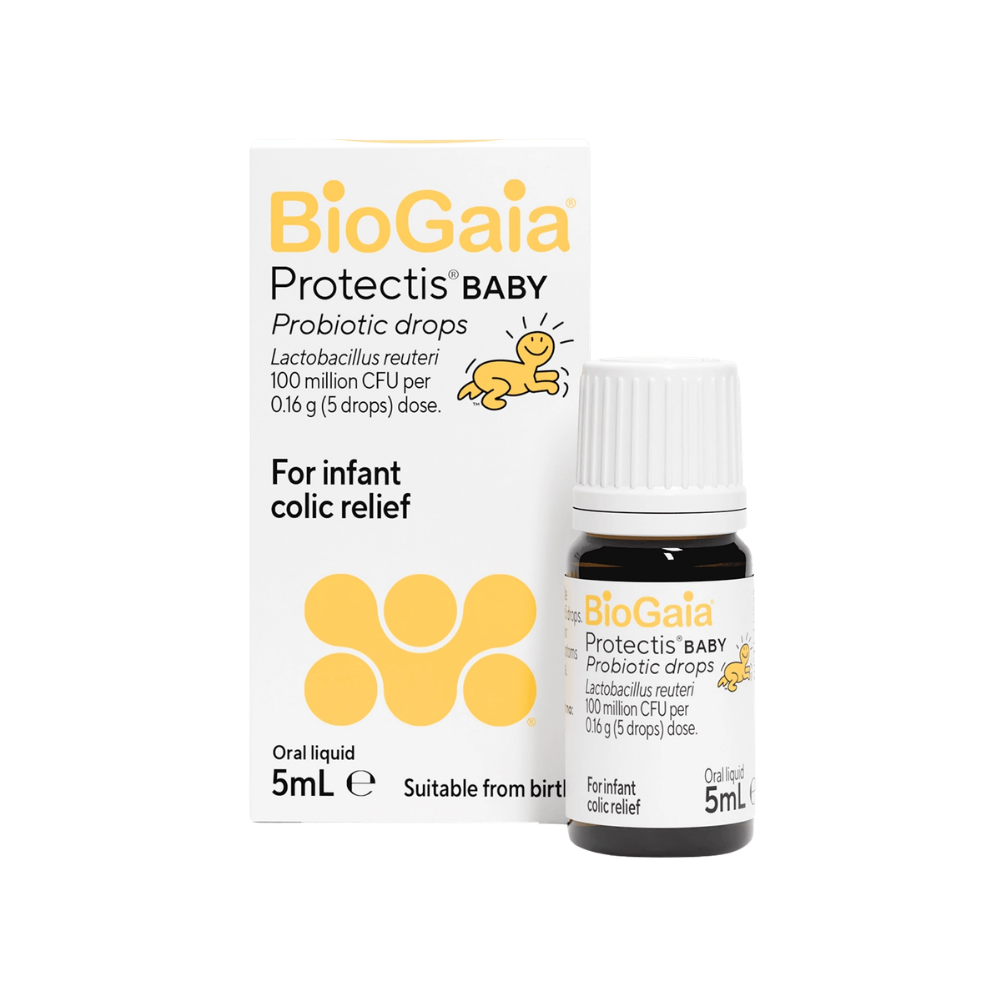
- Gut microbiome and probiotic support, given the gut's central role in shaping immune function in childhood
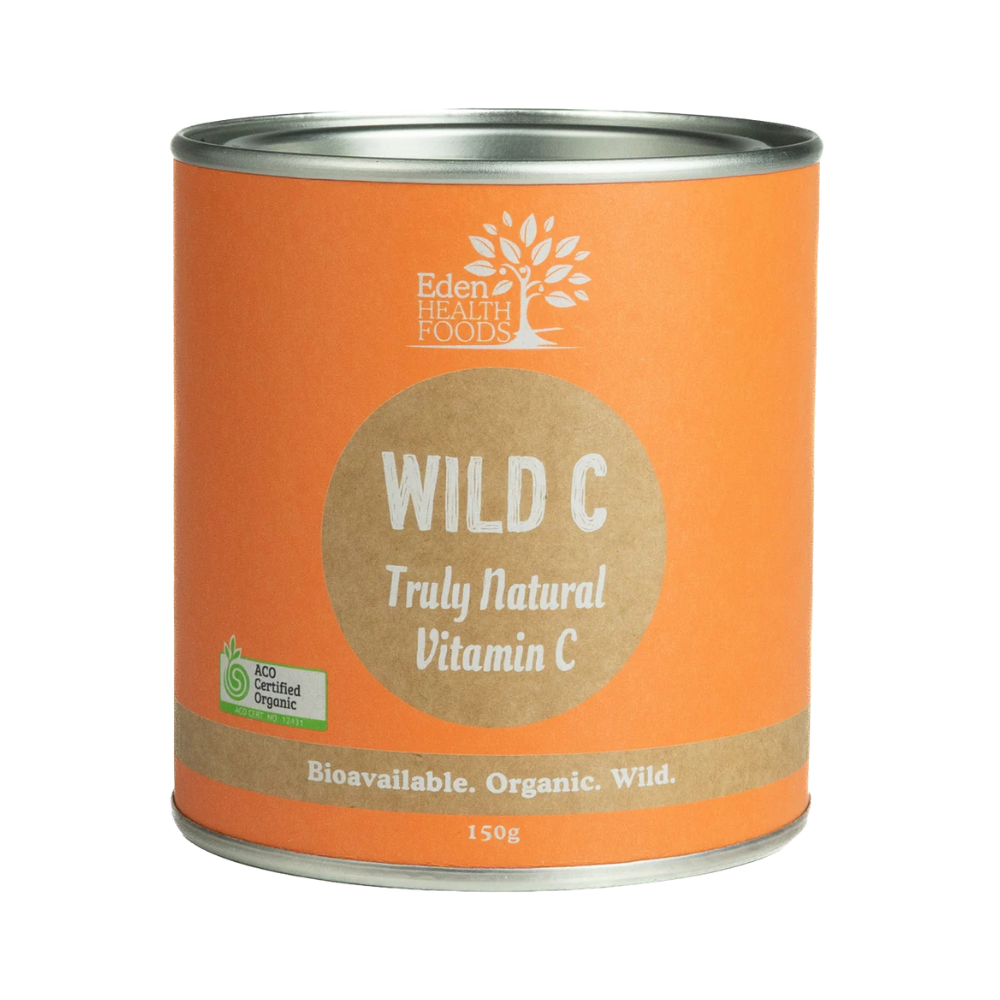
- Vitamin C and antioxidant support as part of broader resilience and recovery work
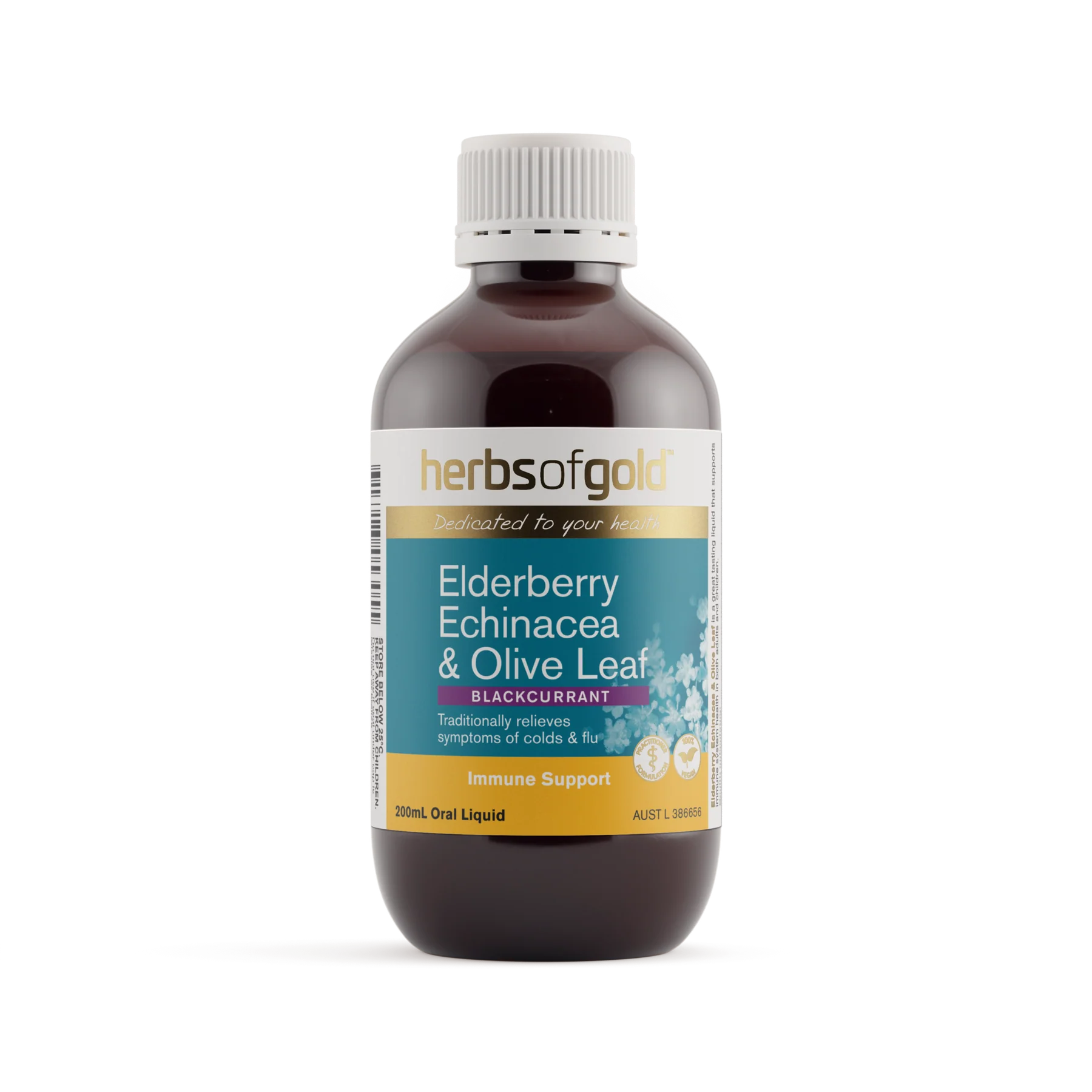
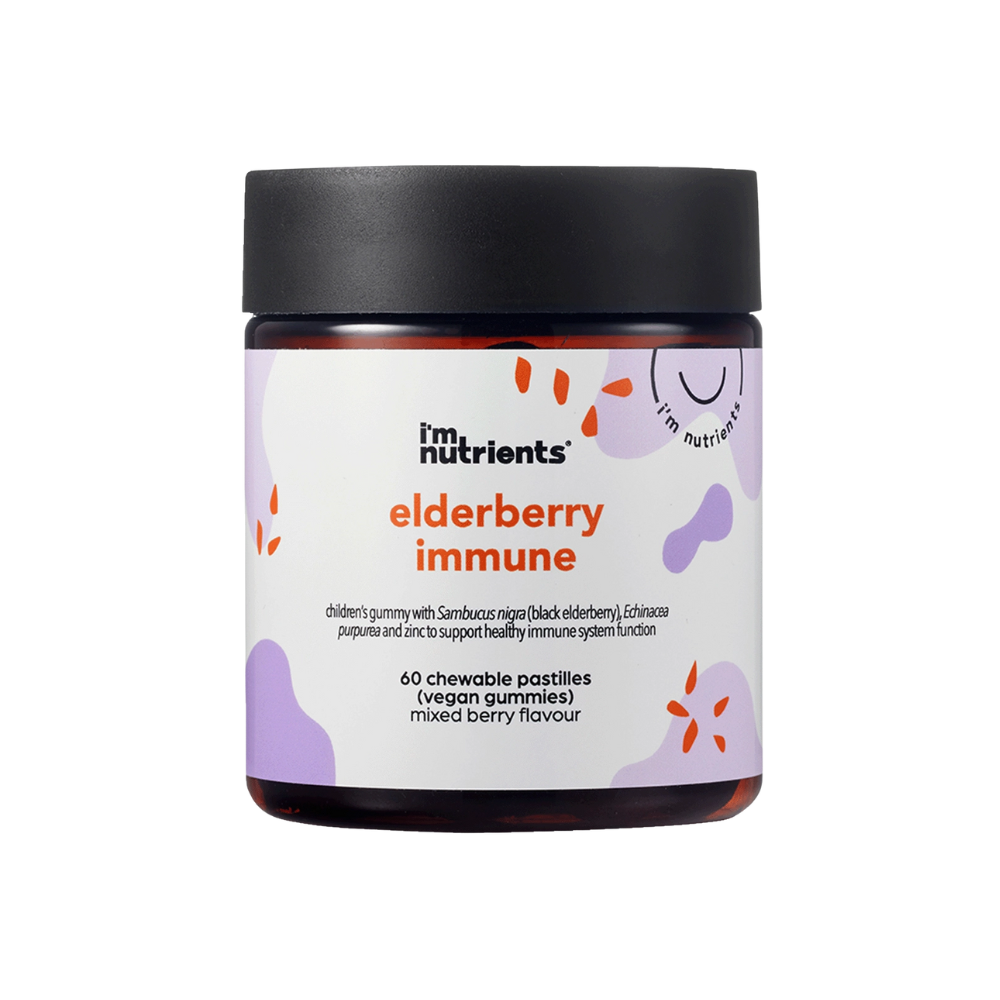
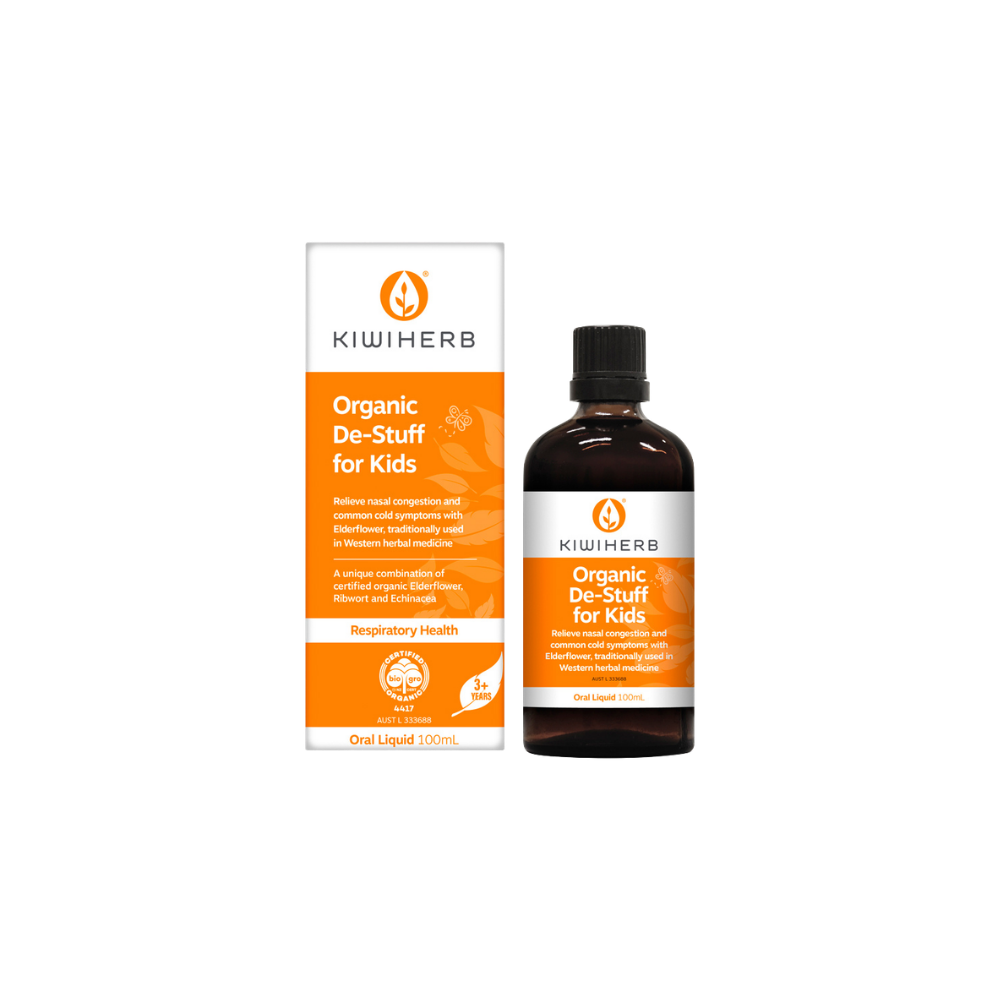
- Botanical immune support including elderberry and echinacea, which have a long history of use in children's immune formulations
COMMON QUESTIONS ABOUT CHILDREN'S IMMUNITY
To help you feel clearer about your next steps
How many illnesses per year is normal for a child?
Young children in childcare or school often experience six to twelve respiratory illnesses per year, particularly in the first few years of group care, as immune exposure and development are happening simultaneously. This is generally within a normal range. Concern is more appropriate when illnesses are unusually severe, take very long to resolve, are complicated by secondary infections, or are happening more often than expected for your child's age and environment. Pattern, severity and recovery time are more useful than frequency alone, and persistent concerns are worth raising with your GP.
Does vitamin D really affect immunity in children?
Vitamin D is involved in many aspects of immune function, and addressing vitamin D status is an area commonly considered in supporting children's immune resilience. Vitamin D insufficiency is common across age groups in Australia, including in children living in high-sun regions, due to sun avoidance and indoor time. Supplementation in age-appropriate forms is often considered as part of a broader plan.
Can probiotics help reduce how often my child gets sick?
Specific probiotic strains have been studied in children in relation to gut-immune resilience, and our practitioners commonly include age-appropriate probiotics as part of a broader immune support approach. The mechanism is primarily through the gut-immune axis, where a more diverse microbiome may support a more regulated immune response. Probiotics aren't a replacement for other supportive measures but can be a useful addition.
Is zinc safe for children's immune support?
Zinc in age-appropriate doses is suitable for children's immune support and is an area commonly considered in clinical assessment. It's involved in immune cell function and the maintenance of mucosal barriers. Dosing must be age-appropriate, as excess zinc can interfere with copper absorption over time. Children's formulations with appropriate dose guidance are preferable to divided adult doses.
My child has just finished antibiotics. What should I do for their gut and immune health?
Supporting microbiome recovery is the most important post-antibiotic step. Starting an age-appropriate children's probiotic during the antibiotic course (taken at a different time of day to the dose) and continuing for at least four to eight weeks afterward may support microbiome restoration. Increasing dietary diversity, including fibre-rich and fermented foods if tolerated, gives the recovering microbiome what it needs. Vitamin D and zinc status are also worth assessing if they haven't been recently.
Can I buy products without booking a consultation?
Yes. Every product in our range has been selected by our clinical Naturopaths, so you are welcome to shop the collection independently if you have a clear sense of what you are looking for. If you would like guidance on which products are most relevant for your specific situation, our team is available for a free discovery call or a more in-depth consultation.
Do you offer consultations online?
Yes. Our Naturopaths and Homeopaths are based in Liverpool, Sydney and offer consultations online across Australia. A discovery call is a free, 15-minute introduction and is available to book online. You can also meet our practitioners to find the right fit for your needs.