Menopause
A considered approach to menopause
The transition that affects far more than your cycle
Menopause is the point at which your final menstrual period has occurred, confirmed in retrospect 12 months after the fact. In Australia, the average age is 51. The years before and after this point come with their own physiological shifts that affect bones, cardiovascular health, brain, sleep and mood. This page is a starting point for Naturopathic menopause support that works alongside your medical care.

Who we work with
You might recognise yourself here
You have not had a period for 12 months or more
Reaching menopause does not always mean symptoms stop. Many women continue to experience hot flushes, sleep changes, mood shifts and other symptoms for years afterwards. We consider nutritional foundations, nervous system support and broader wellbeing as part of a tailored plan, alongside any medical care you are receiving for this stage of life.
You are experiencing hot flushes, night sweats, sleep disruption or vaginal dryness
Vasomotor symptoms, sleep disruption and vaginal changes are common after menopause and can affect your daily life. These symptoms respond well to medical care, and a GP discussion is worth having. We consider areas like nervous system support, nutritional status and broader hormonal wellbeing alongside any medical care you choose.
You are noticing changes in mood, anxiety, memory or focus
Mood, anxiety, memory and focus shifts are common during menopause and the years that follow. They are real, they are common, and they are not a personal failing. We consider nutritional status, nervous system support and adrenal function as part of a broader plan, alongside any medical care your GP may consider helpful.
You are concerned about bone, cardiovascular or metabolic health
Bone density, cardiovascular health and metabolic shifts are areas of focus during menopause and the years that follow. Routine medical screening with your GP is the appropriate way to monitor these long-term. We consider nutritional foundations, lifestyle factors and broader wellbeing alongside any medical care or investigation your GP may recommend.
You are using or considering MHT and want broader lifestyle support
Menopausal hormone therapy is a medical decision that sits with your GP or gynaecologist, and we never advise on whether it is right for you. Where you are using or exploring MHT, our role is to sit alongside that medical care, considering nutritional status, lifestyle factors and broader wellbeing for this stage of life.
You went through early or premature menopause and want broader support
Early menopause (before 45) and premature menopause (before 40) come with their own medical considerations that sit with your GP or specialist. We never advise on those medical decisions. Our role is to sit alongside that medical care, considering nutritional foundations, bone and cardiovascular wellbeing and broader lifestyle factors for the longer term.
Menopause and the years that follow can bring questions you may not have expected. Our discovery call is a free, 20-minute conversation where you can talk to our clinical team about what you have been experiencing, what you have already tried, and where Naturopathic support might sit alongside your medical care. There is no pressure and no expectation, just a chance to be heard and to understand whether we are the right fit for what you need next. Our Naturopaths and Homeopaths are based in Liverpool, Sydney and consult online across Australia. You can also meet our practitioners to find the right fit for you.
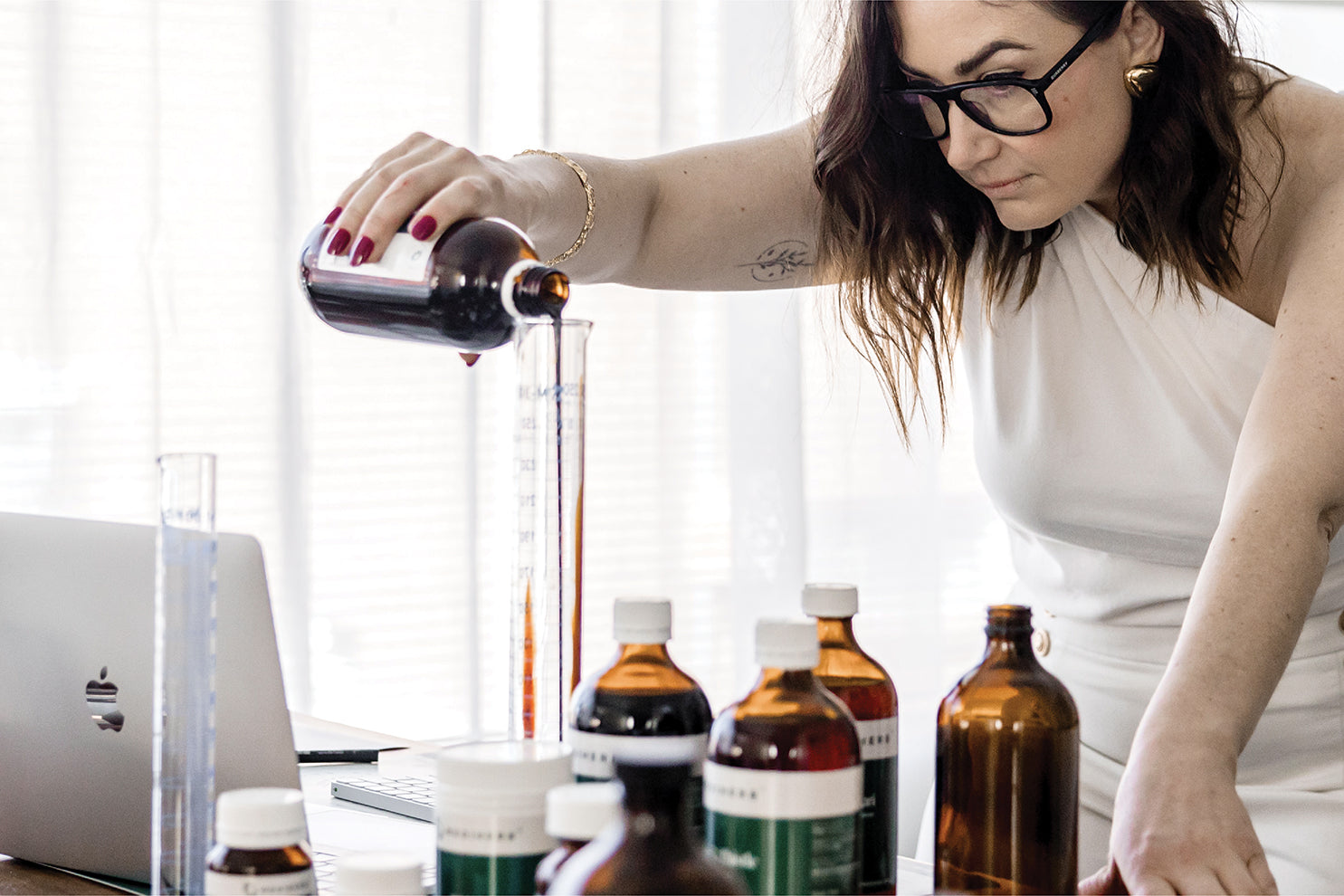
What changes at menopause
Menopause is technically a single point in time: your final menstrual period, confirmed once 12 months have passed without bleeding. Postmenopause refers to the years that follow. The average age of natural menopause in Australia is 51, with most women reaching menopause between 45 and 55. Around 12 per cent experience their final period before age 45 (early menopause), and a smaller proportion before age 40 (premature menopause).
After menopause, oestrogen levels remain low, which has system-wide effects: vasomotor symptoms (around 80 per cent of women experience hot flushes or night sweats), changes to bone density and cardiovascular risk, shifts in skin, mood, memory and metabolism, and changes to vaginal and urinary health. Diagnosis and medical management, including discussion of menopausal hormone therapy (MHT), sits with your GP. Naturopathic menopause support is about working alongside that pathway, considering nutritional foundations, lifestyle factors and Naturopathic care for the broader experience of this life stage.
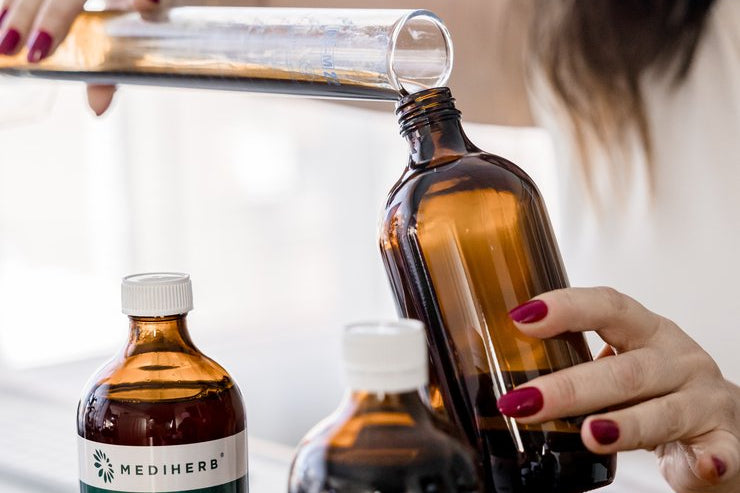
A clinical-first approach to menopause care
At Nourishing Apothecary, our clinical team is based in Liverpool, Sydney and offers consultations online across Australia. Naturopathic menopause support works best when it is built around your specific symptom picture, current treatments and the longer-term health considerations that come with this stage of life, rather than a one-size-fits-all approach.
Support may include:
- Reviewing your symptoms, health history and current treatments to inform your individual plan
- Considering nutritional foundations relevant to bone, cardiovascular and cognitive wellbeing
- Reviewing how stress, sleep, exercise and metabolism are tracking through this transition
- Supporting general wellbeing alongside any medical care you are receiving, including MHT
- Naturopathic care, herbal medicine and Homeopathic remedies as part of a tailored plan
- Working alongside your GP or specialist where further investigation may be helpful
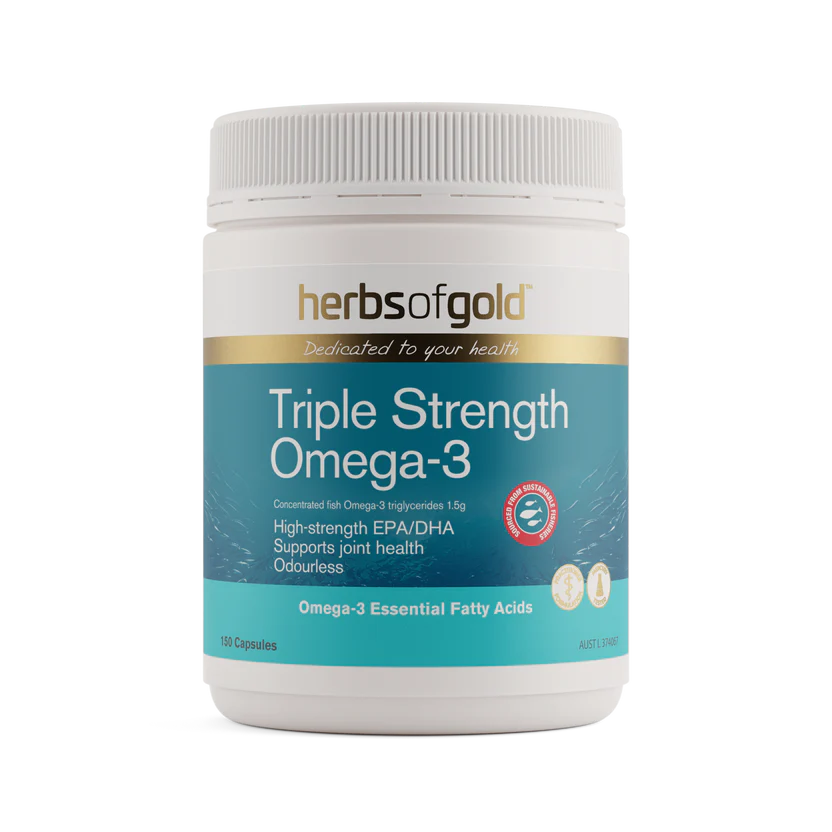
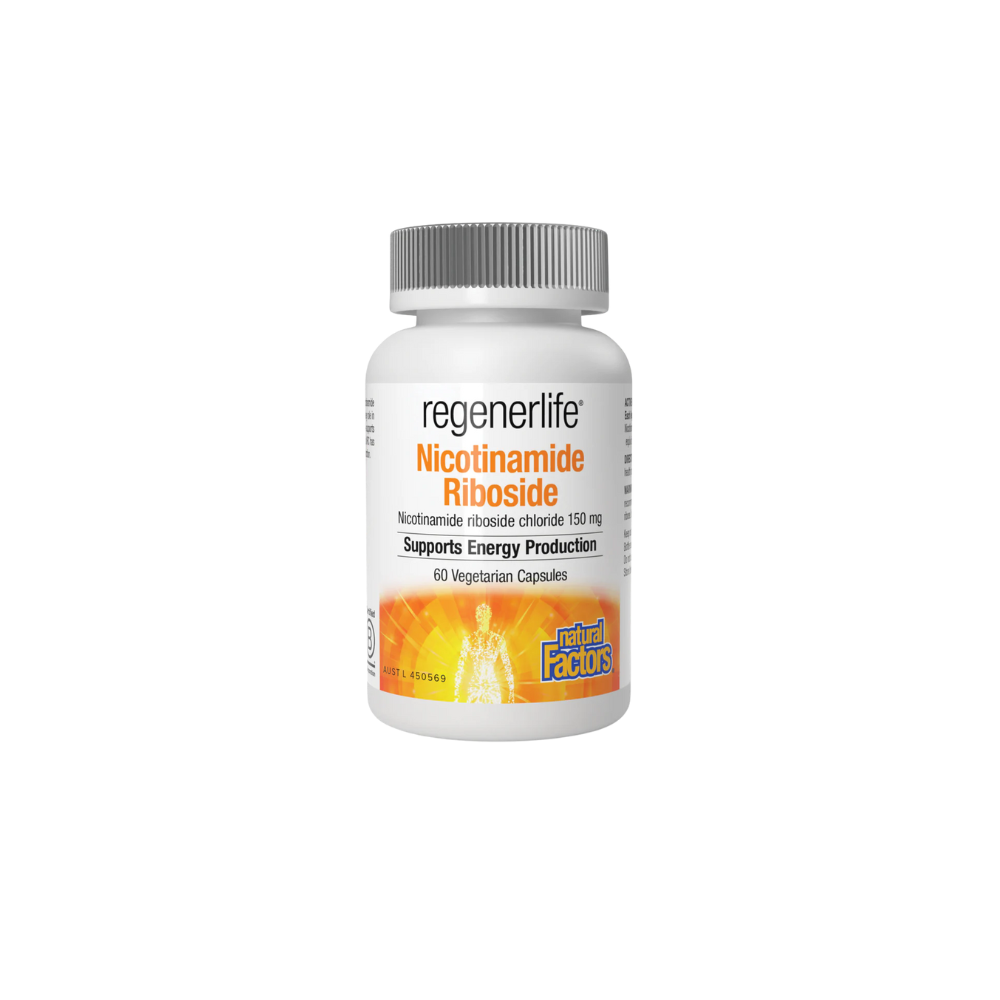
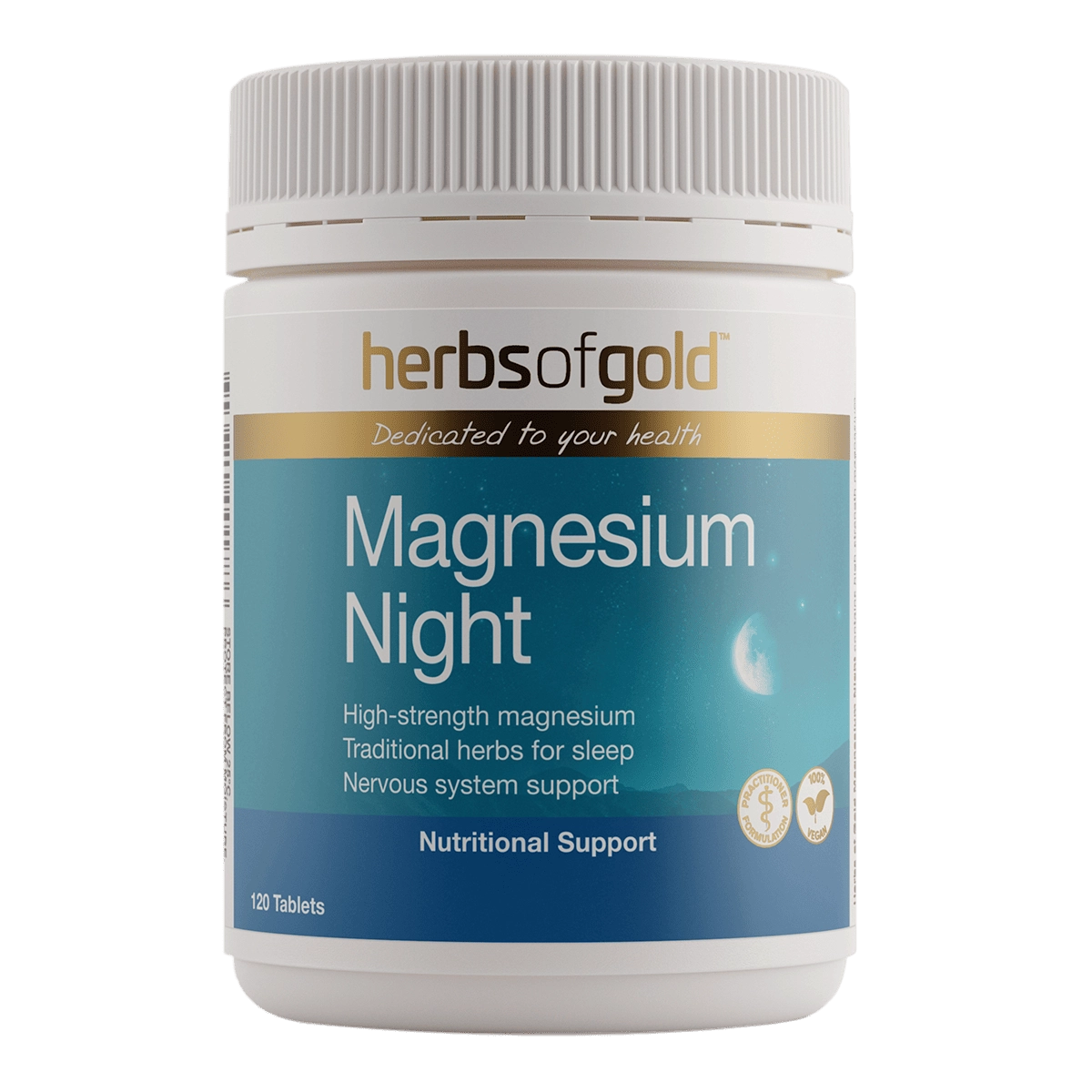
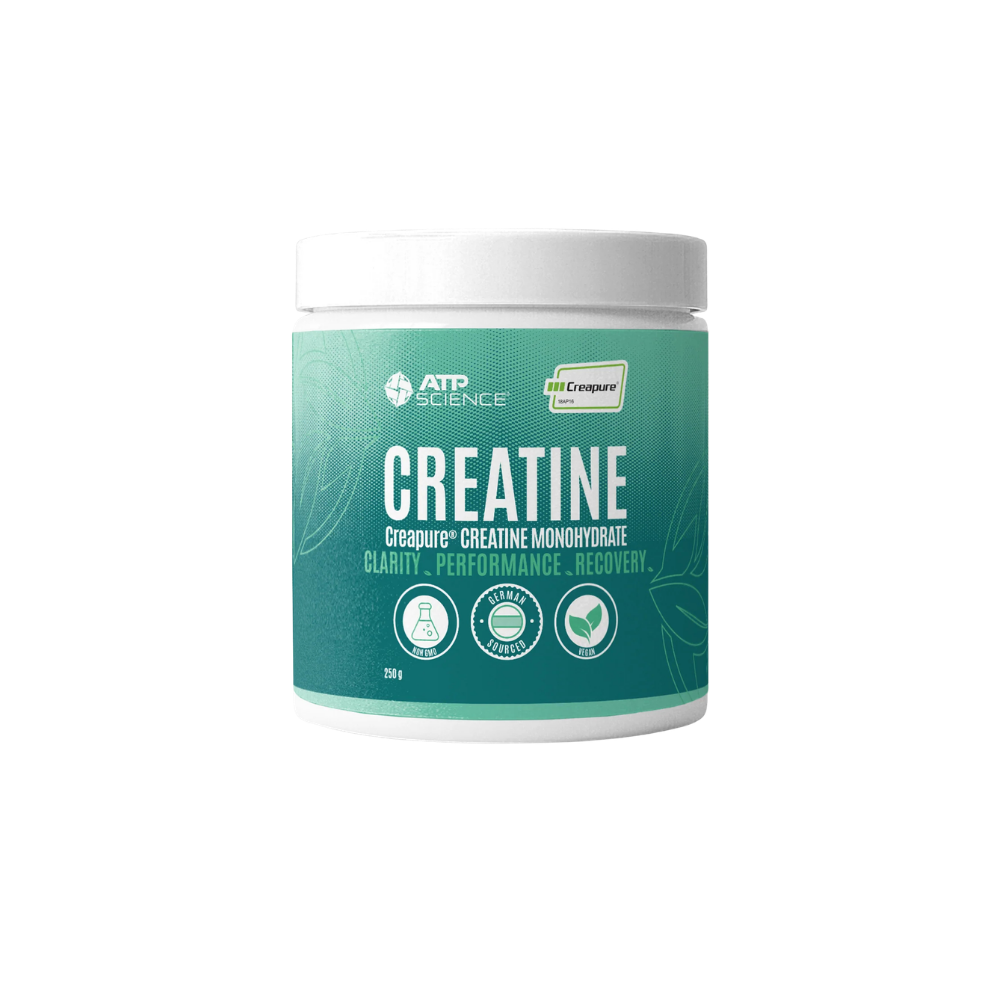
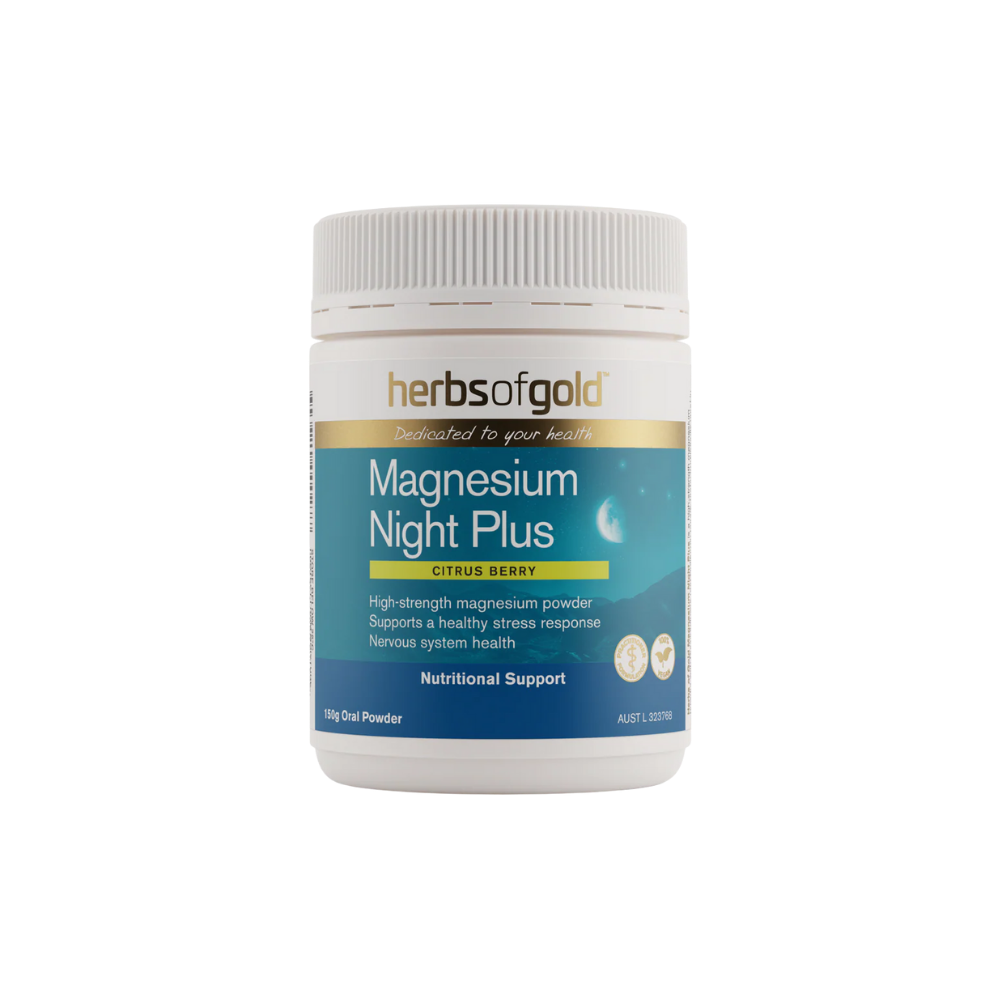
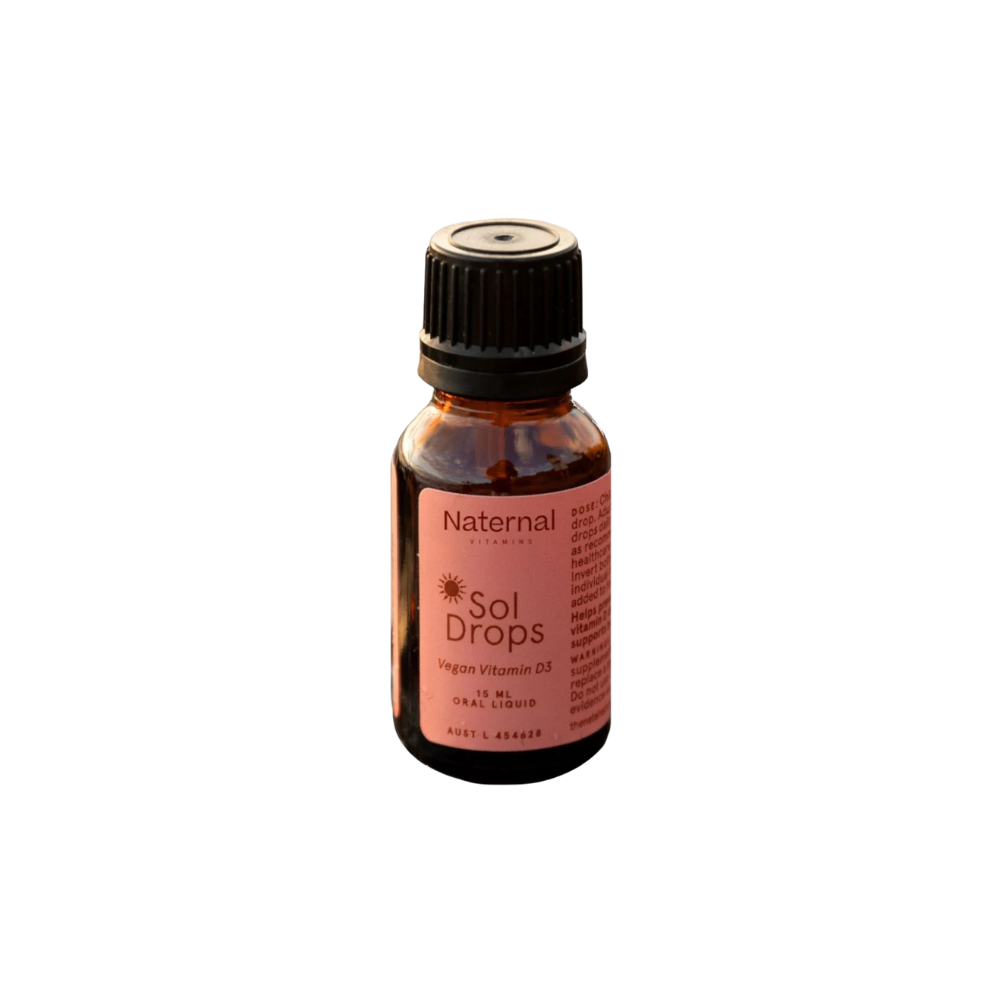
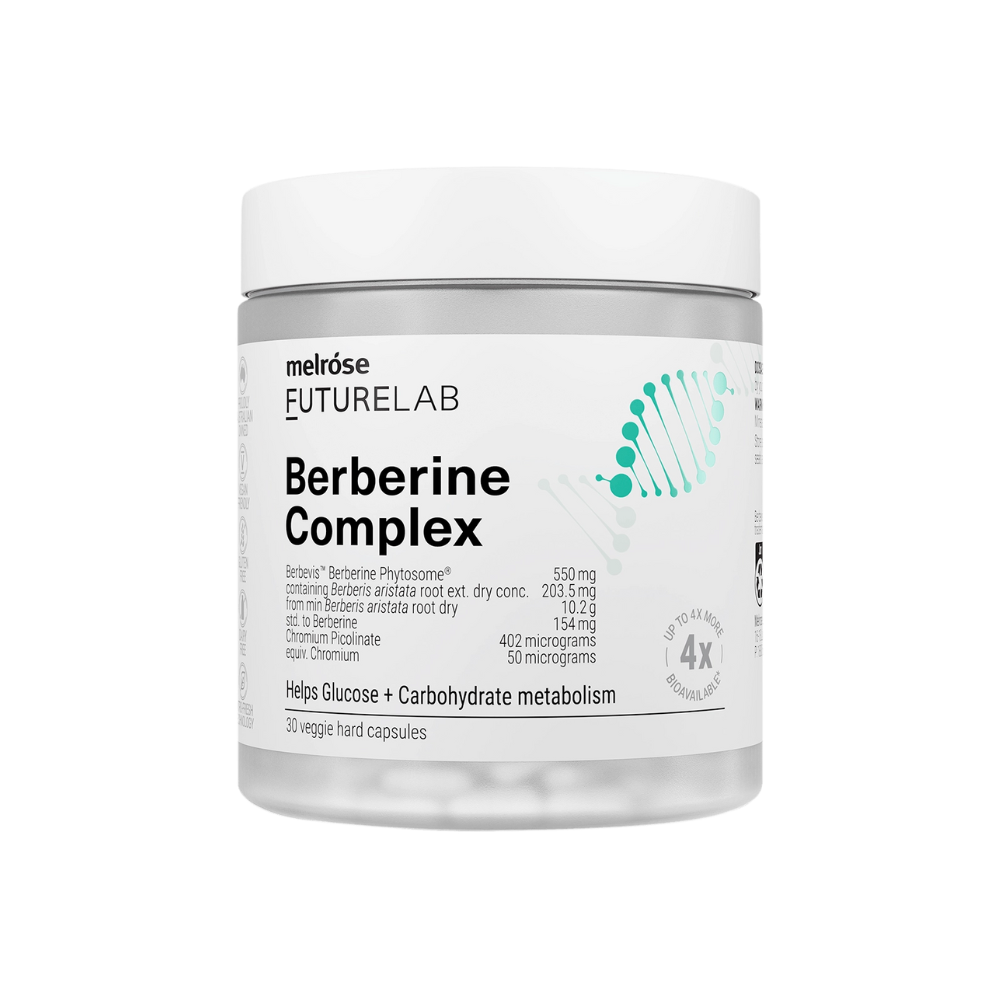
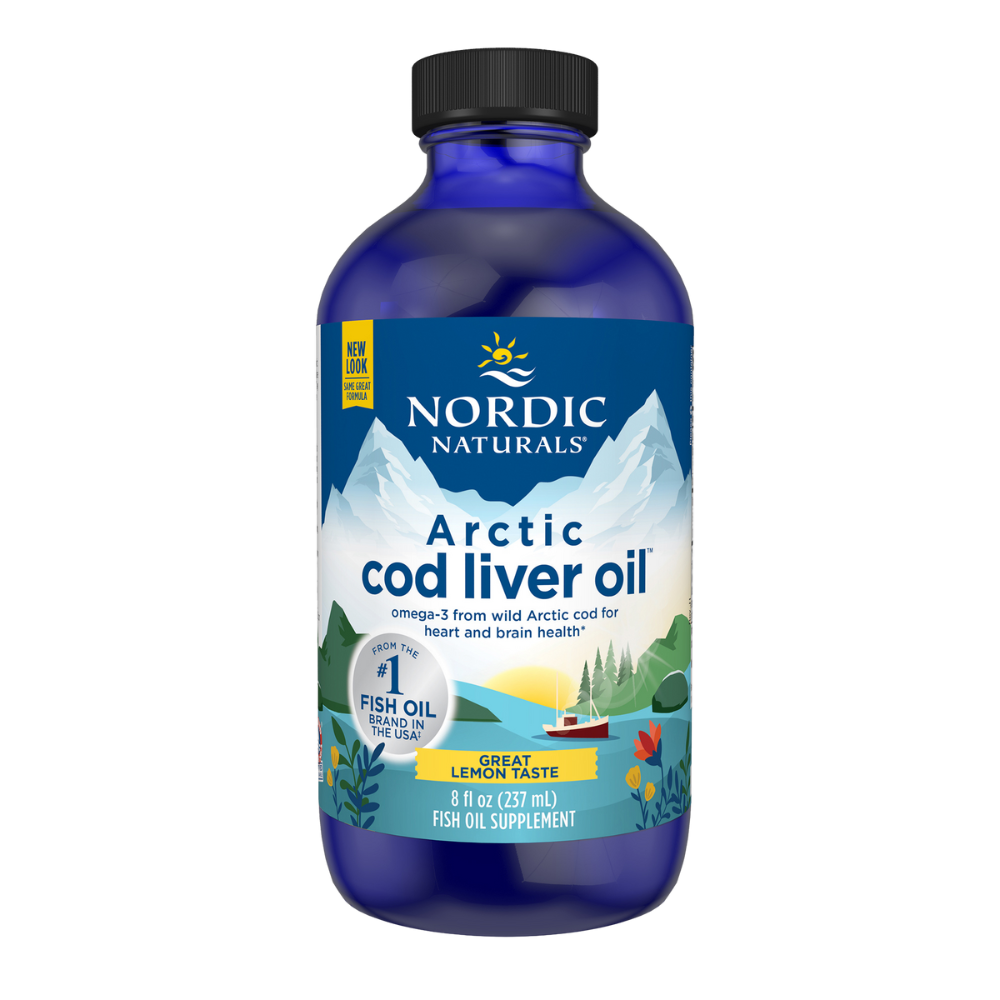
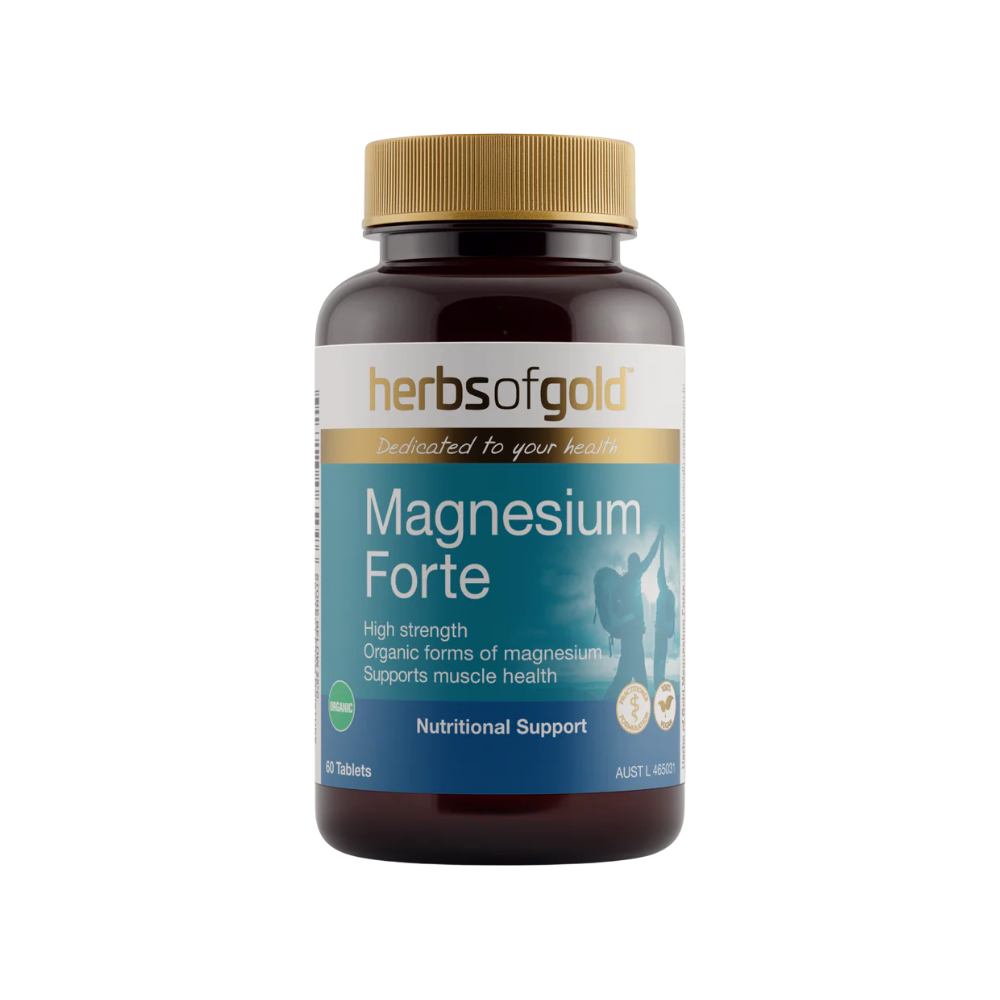
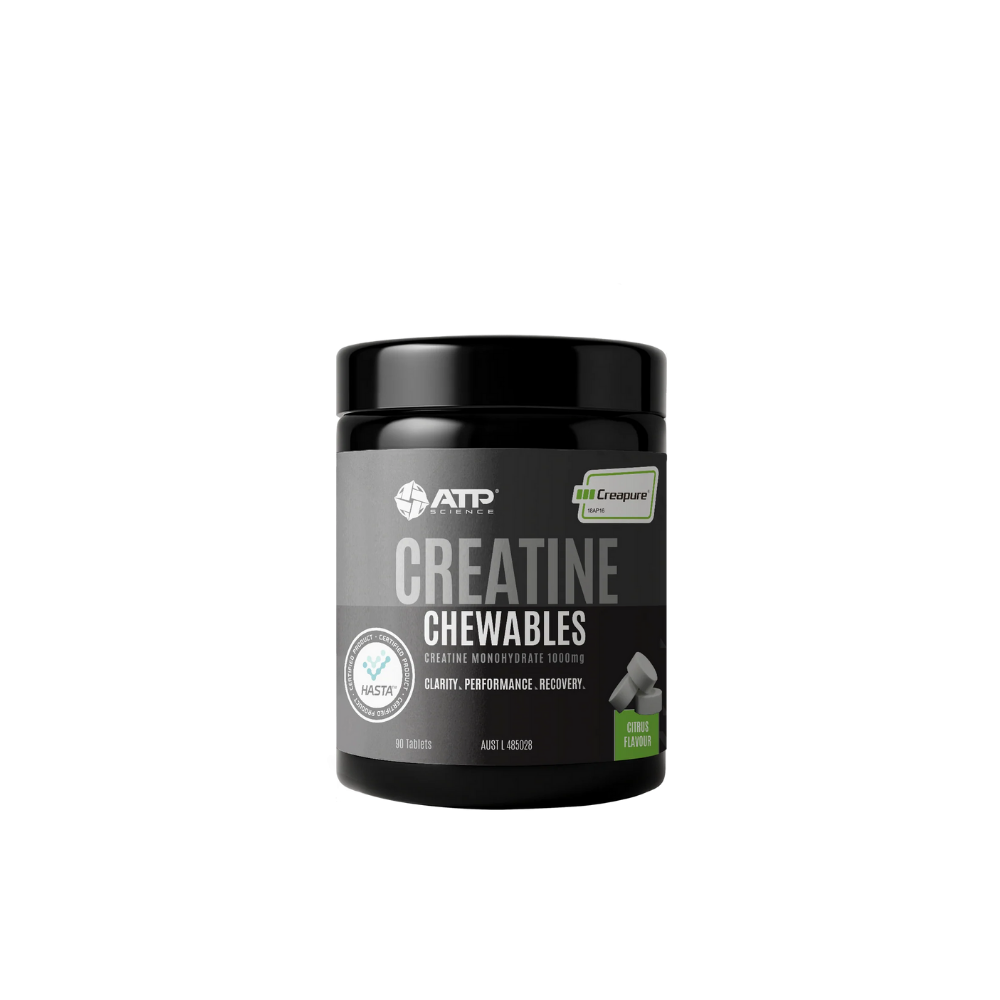
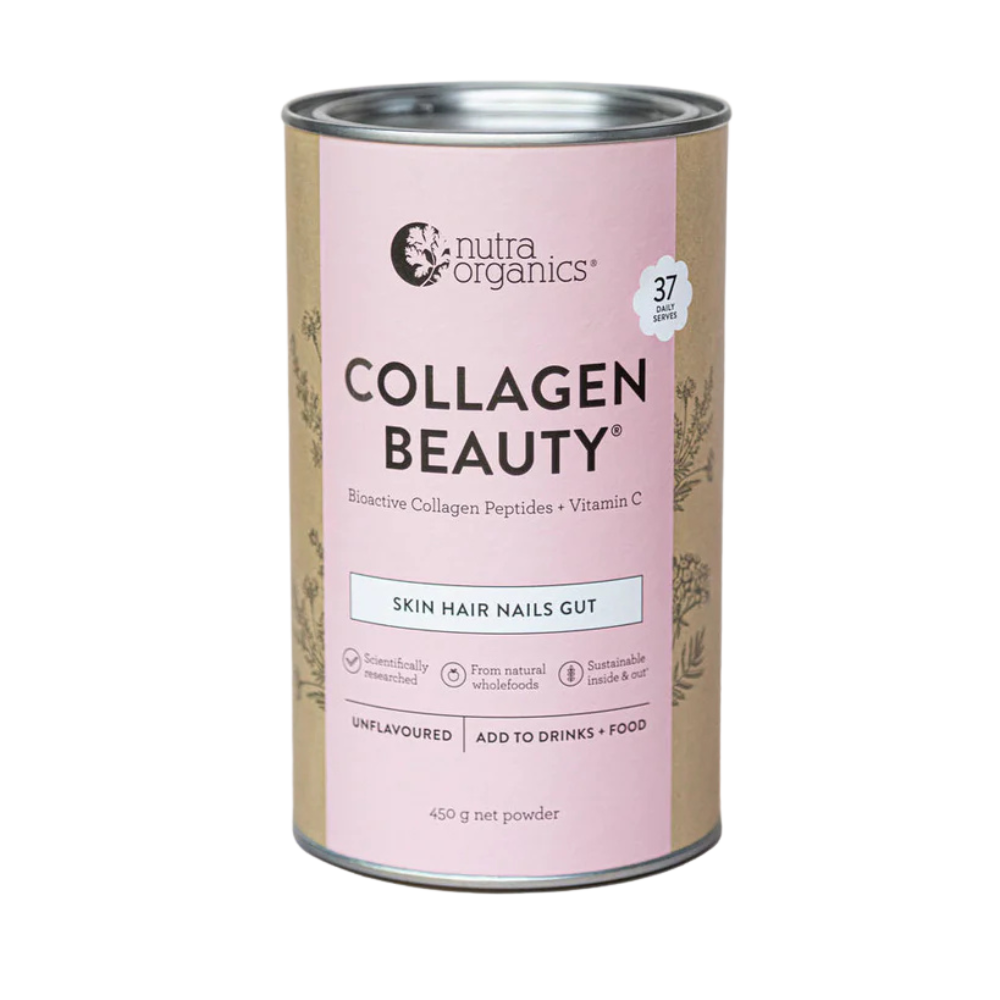
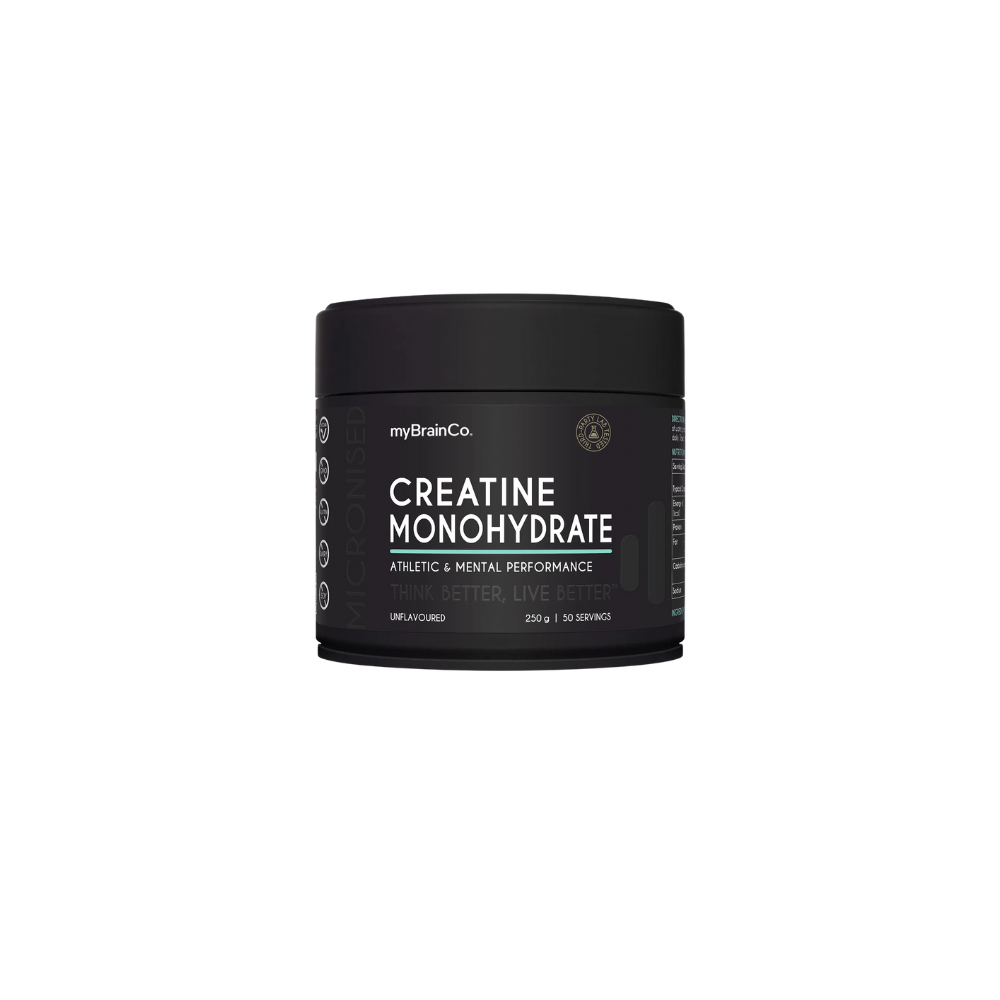
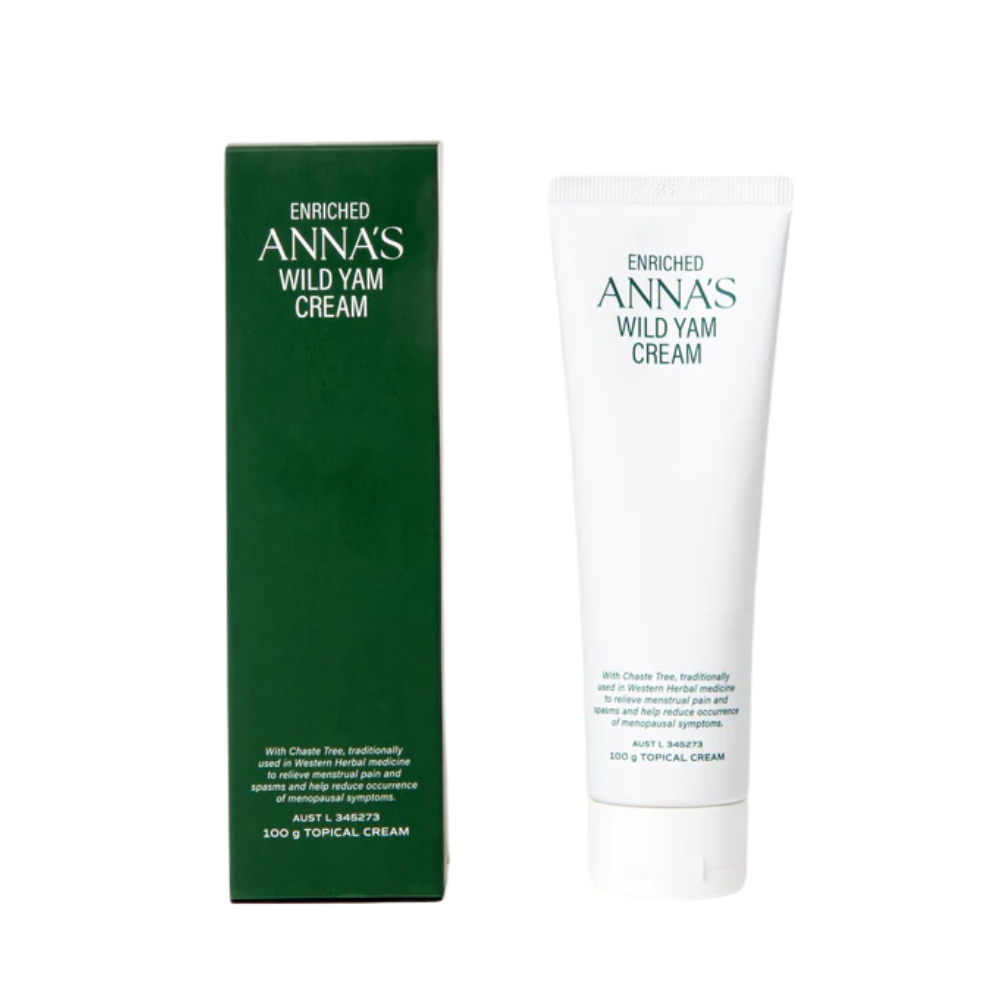
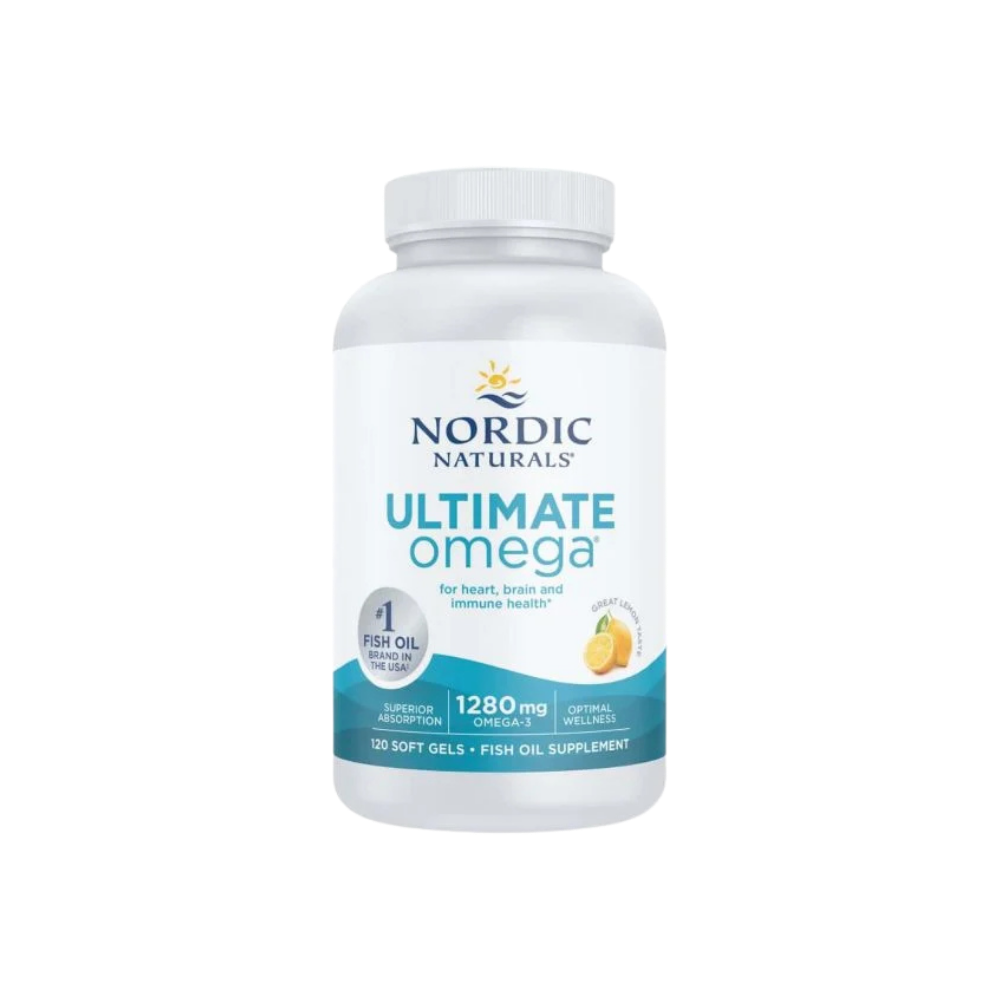
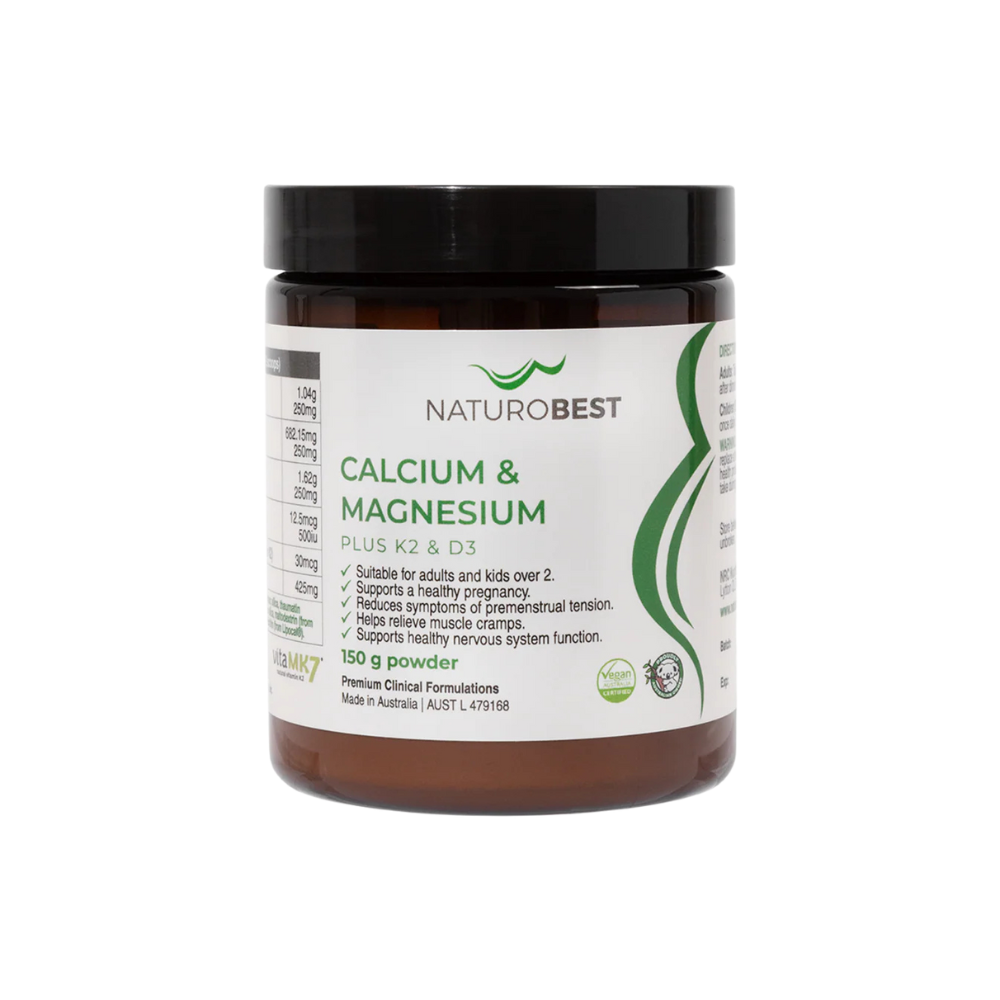
Where targeted supplementation is part of your plan, our clinical Naturopaths may recommend products from our practitioner-selected menopause range, which you can also browse independently below.
COMMON QUESTIONS ABOUT MENOPAUSE
To help you feel clearer about your next steps
How do I know I am in menopause?
Menopause is confirmed in retrospect, once 12 months have passed since your final menstrual period. There is no single test that diagnoses menopause directly, although blood tests can support the picture in some circumstances, particularly when menopause is suspected before age 45. A GP can advise on whether testing is worthwhile in your specific situation.
How long do menopausal symptoms last?
Symptoms vary considerably between women. Vasomotor symptoms such as hot flushes and night sweats average around four to seven years, although for some women they can persist for a decade or more. Other symptoms, including vaginal dryness and changes to bone and cardiovascular health, may continue indefinitely without intervention. This is why thinking about menopause as a long-term wellbeing transition rather than a short-term phase is often useful.
What can I do about hot flushes naturally?
Areas Naturopaths may consider include adrenal and nervous system support, blood sugar balance, alcohol and caffeine intake, sleep hygiene, and herbal medicines with a research base in vasomotor symptom support. Responses vary. For severe or disruptive hot flushes, a GP conversation about MHT is also worth having, as the Australasian Menopause Society describes MHT as the most effective medical treatment for vasomotor symptoms.
Should I take MHT?
Whether MHT is right for you is a clinical conversation with your GP, based on your symptom severity, medical history, family history and personal preferences. The Australasian Menopause Society describes MHT as the most effective medical treatment for vasomotor symptoms and notes its role in supporting bone health. Naturopathic care can sit alongside MHT, never in place of it.
What can I do for bone health after menopause?
Bone health becomes more important after menopause as oestrogen levels drop. Areas commonly considered include adequate calcium and vitamin D, weight-bearing and resistance exercise, alcohol and smoking habits, and where appropriate, bone density assessment through your GP. Some women are advised to consider MHT or other medications for bone health, depending on individual risk. Naturopathic support sits alongside this.
Can Naturopathy help with menopause-related weight changes?
Body composition often shifts at menopause, with a tendency toward central weight gain even when diet and exercise have not changed. This is influenced by oestrogen decline, insulin sensitivity, sleep quality, stress and muscle mass. Naturopathic care may consider these areas alongside lifestyle and dietary support. Outcomes vary considerably and patience matters: this is a metabolic shift, not just a calorie balance.
Can I buy products without booking a consultation?
Yes. Every product in our menopause range has been selected by our clinical Naturopaths, so you are welcome to shop the collection independently if you have a clear sense of what you are looking for. If you would like guidance on which products are most relevant for your specific situation, our team is available for a free discovery call or a more in-depth consultation.
Do you offer menopause consultations online?
Yes. Our Naturopaths and Homeopaths are based in Liverpool, Sydney and offer consultations online across Australia. A discovery call is a free, 20-minute introduction and is available to book online. You can also meet our practitioners to find the right fit for your needs.