Female fertility
Female reproductive health, beyond the standard advice
Understanding what your body is telling you
Female reproductive health is rarely as simple as it looks on paper. For many women, wanting to conceive, or simply wanting their cycle and hormones to function well, involves a lot more nuance than standard advice covers. Whether you are actively trying to conceive, investigating an irregular cycle, or working through a diagnosis like PCOS or endometriosis, understanding what is driving your specific picture is where meaningful support begins.
Who we work with
You might recognise yourself here...
Your cycle is irregular, very long, very short, or sometimes absent altogether
Cycle irregularity can be a sign that something else is going on. Hormonal imbalances, stress, thyroid function, weight changes and conditions like PCOS can all influence cycle length and regularity. Understanding what your cycle is telling you is often the first step. We look at the patterns alongside other contributing factors, so you have a clearer picture to work from.
Your hormones, AMH or follicle count are outside the typical range
Test results outside the typical range can feel confronting, but they rarely tell the full story on their own. There are many factors that influence reproductive markers, and a single number is not the whole picture. Our Naturopaths and Homeopaths consider your results in the context of your overall health, your cycle and your goals.
You have PCOS, endometriosis or irregular cycles and want support
Diagnosed reproductive conditions often benefit from individualised support that looks beyond the diagnosis itself. Our practitioners take a clinical-first approach, considering your full health picture and tailoring herbal medicine, nutritional support and lifestyle guidance to your circumstances. We work alongside your medical team where appropriate.
Your periods are painful, heavy or come with symptoms that feel hard to manage
Difficult periods are common, but they are not something you have to simply put up with. Symptoms like pain, heavy bleeding, mood changes or fatigue can be signs of underlying hormonal or inflammatory factors worth exploring. We help you understand what may be contributing and look at where support might make a difference.
You have been trying to conceive longer than you expected
When conception is taking longer than expected, it can be worth looking more closely. Cycle health, ovulation patterns, hormone balance, nutrient status and lifestyle factors all play a role, and there are often things that have not yet been investigated. Functional testing and a thorough consultation can help us understand more.
You want to understand your reproductive health
A proactive approach to reproductive health is often the most valuable one. Understanding your cycle, your hormone patterns and your nutrient status before there is a concern means you have a clearer baseline and a stronger foundation. We help you build that foundation in a considered, individualised way.
Female reproductive health is a complex and individual picture, and the most useful starting point is one that is specific to you. If you would like help working out which products are most relevant to your situation, or if you want to understand your cycle and hormonal wellbeing in more depth, our clinical team is the clearest path forward. Our Naturopaths are based in Liverpool, Sydney and offer consultations online across Australia.
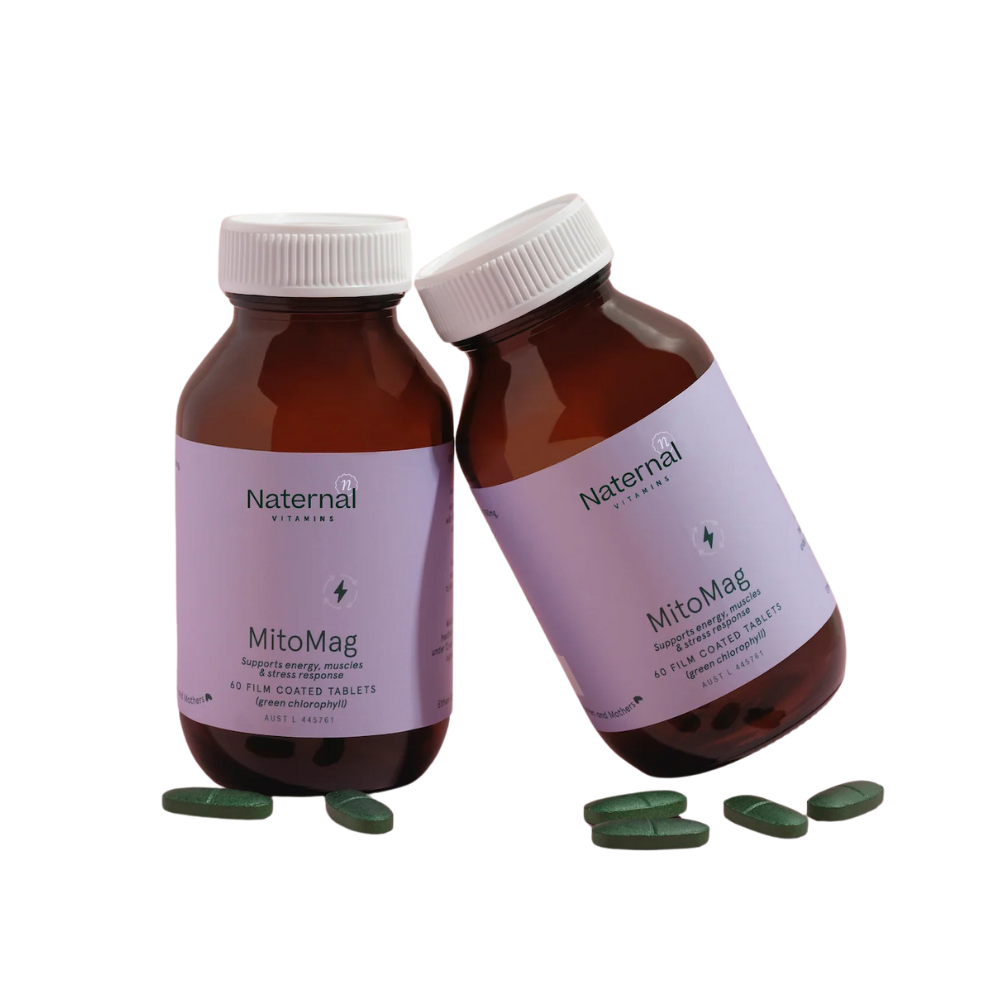
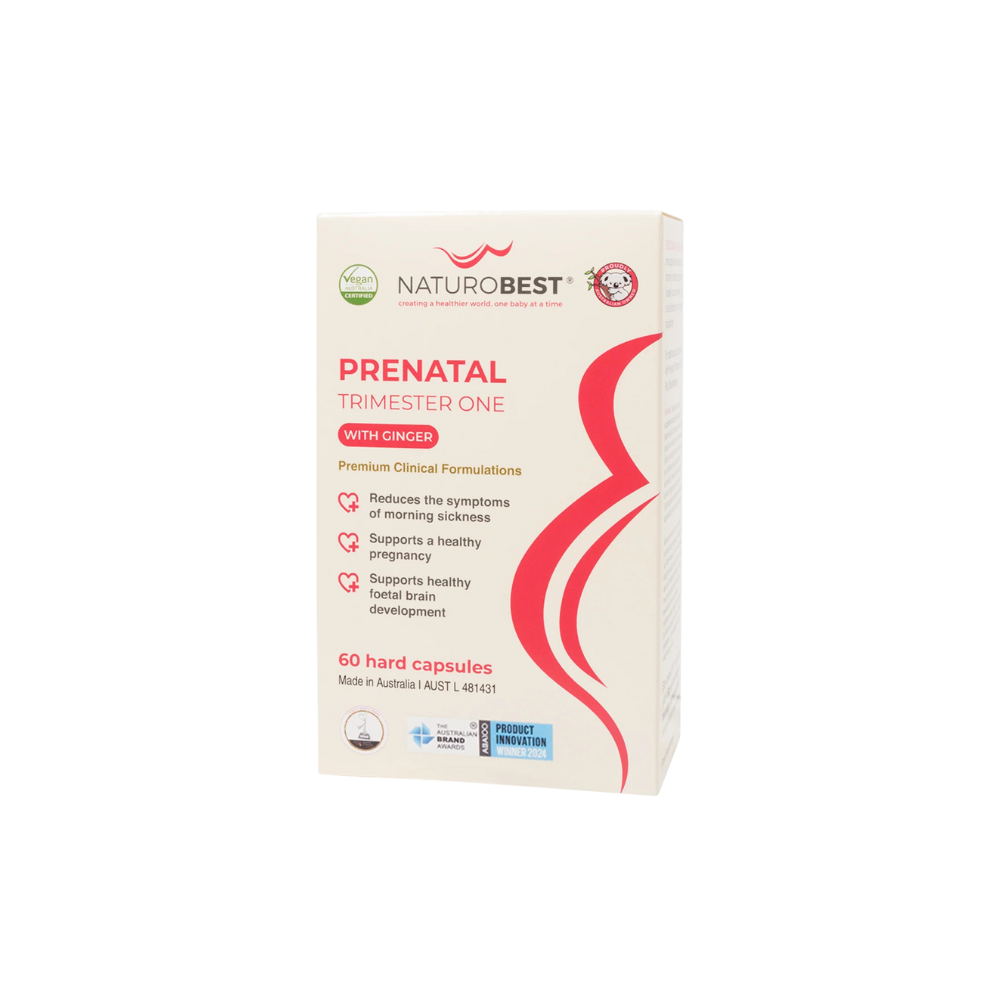
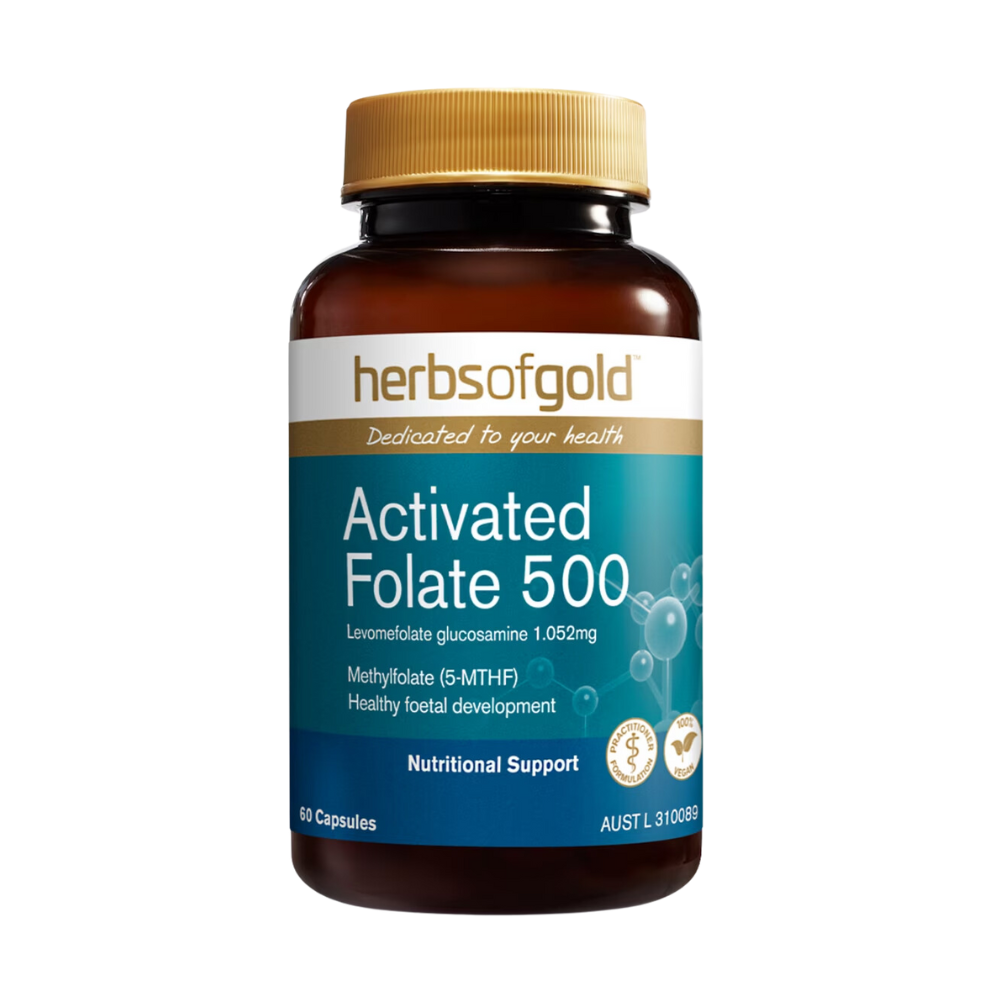
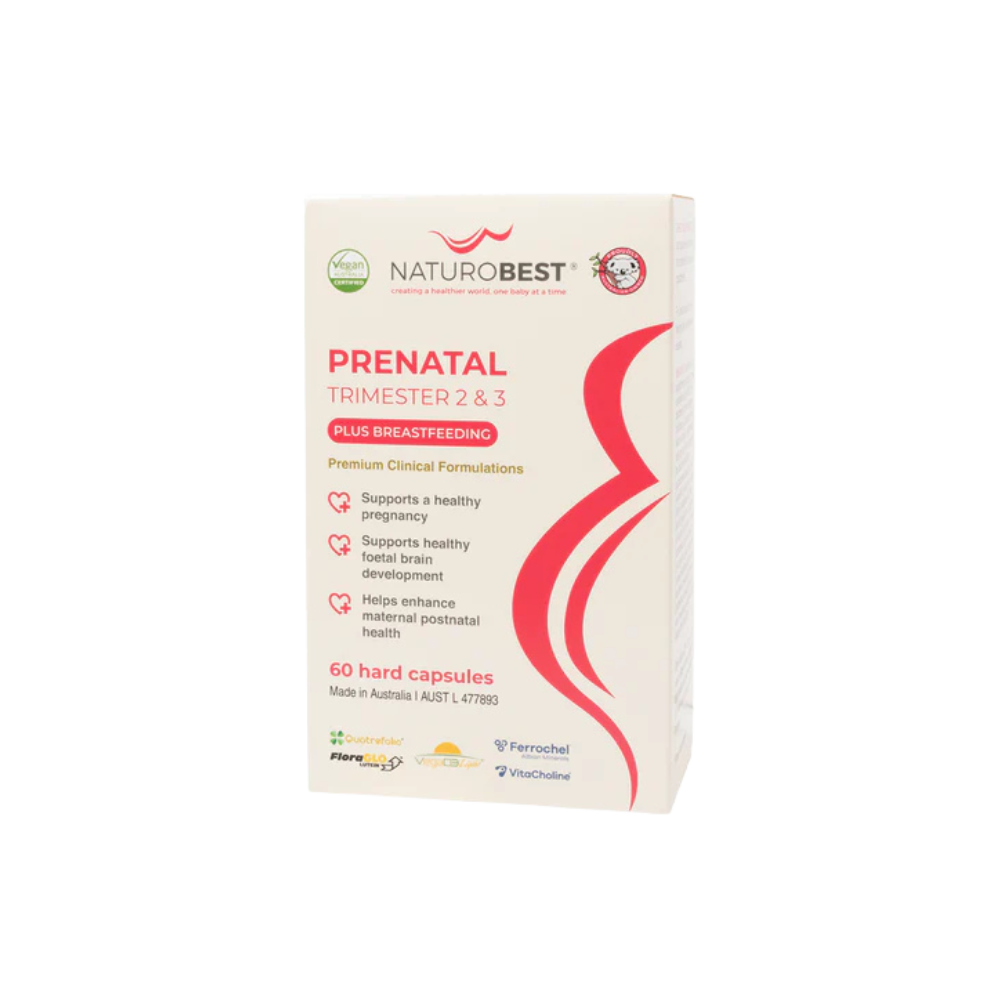
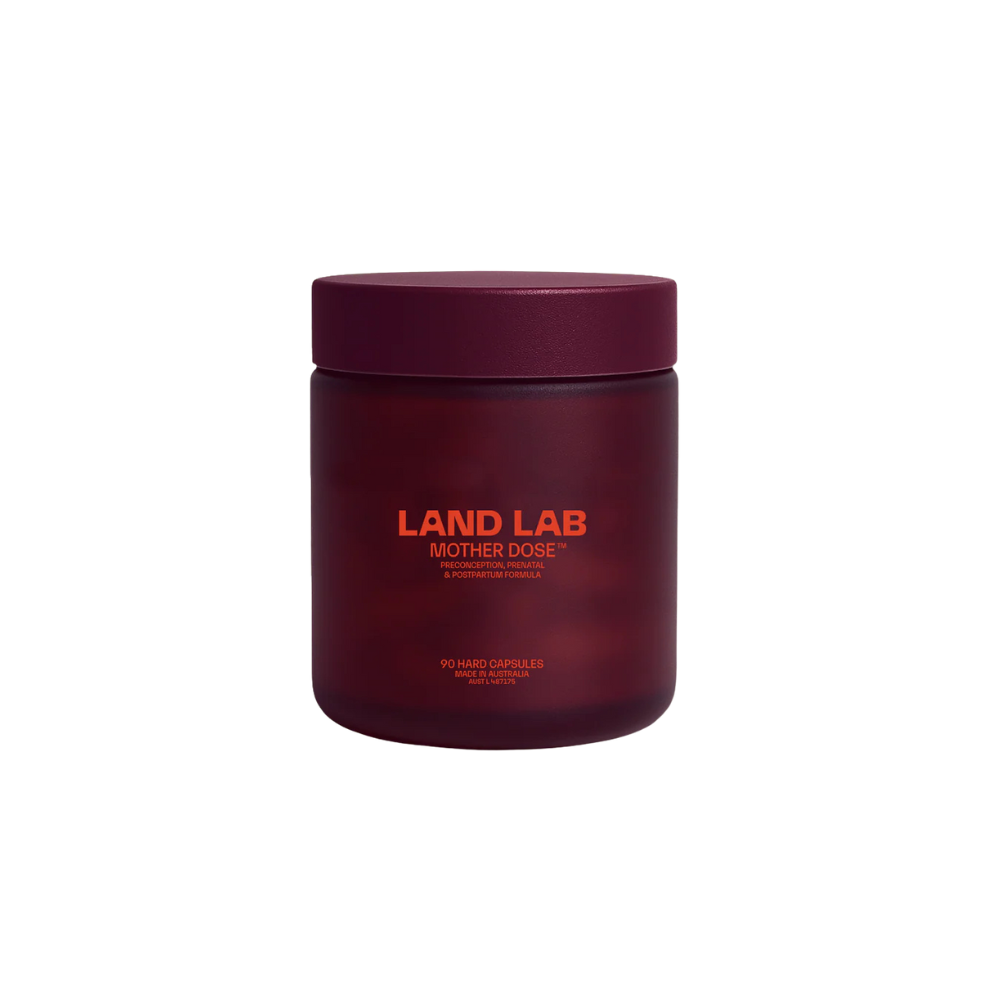
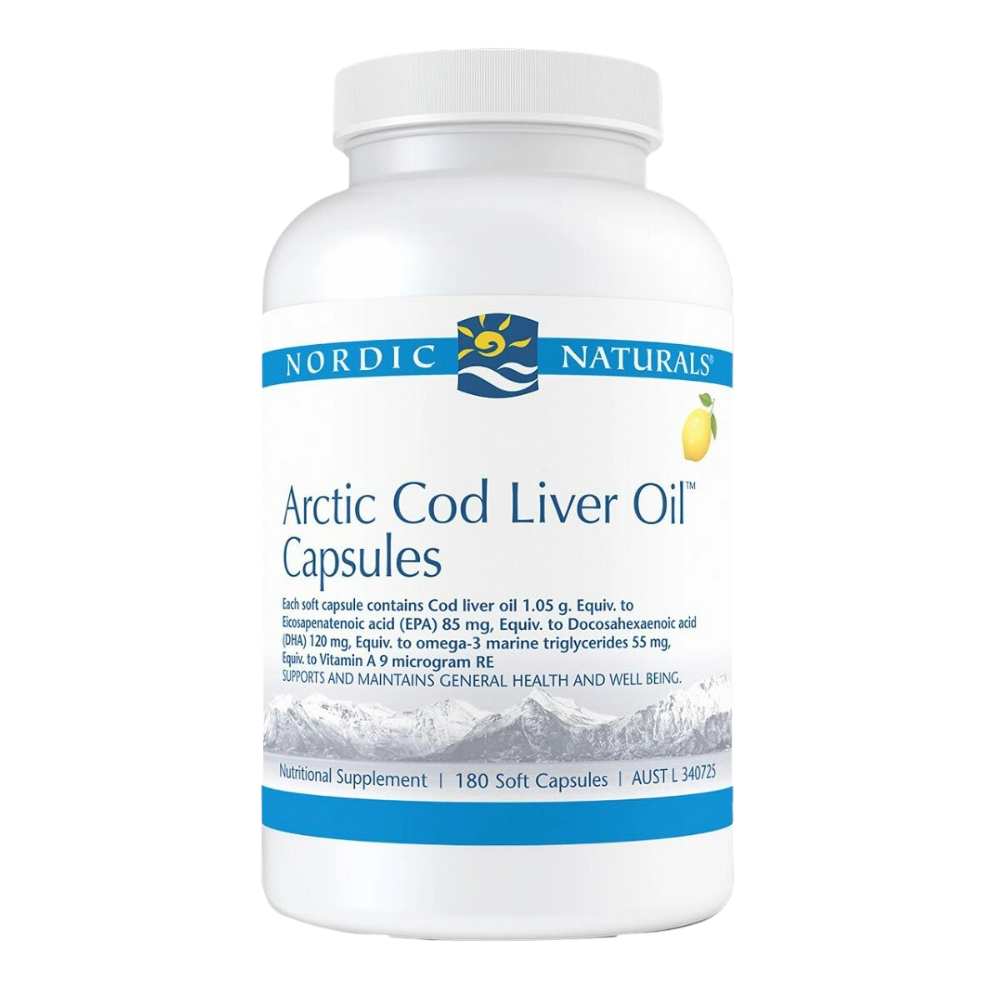
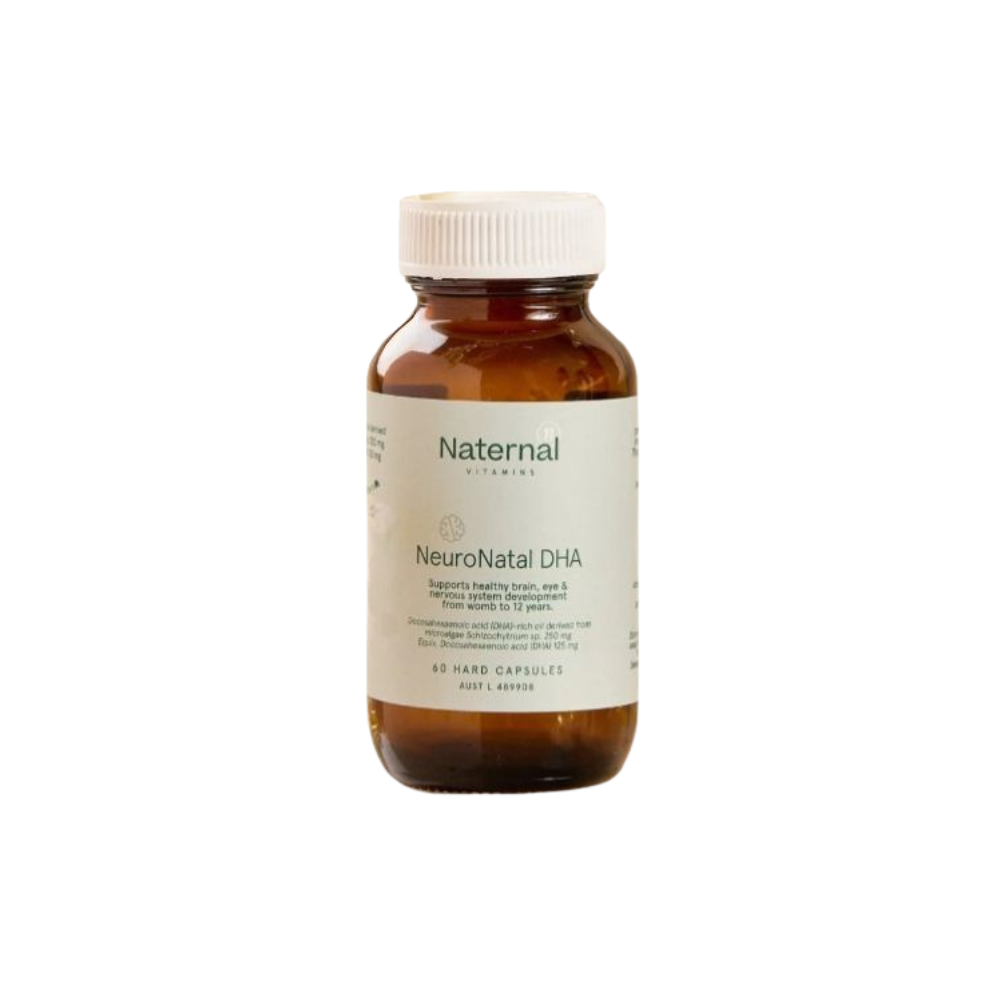
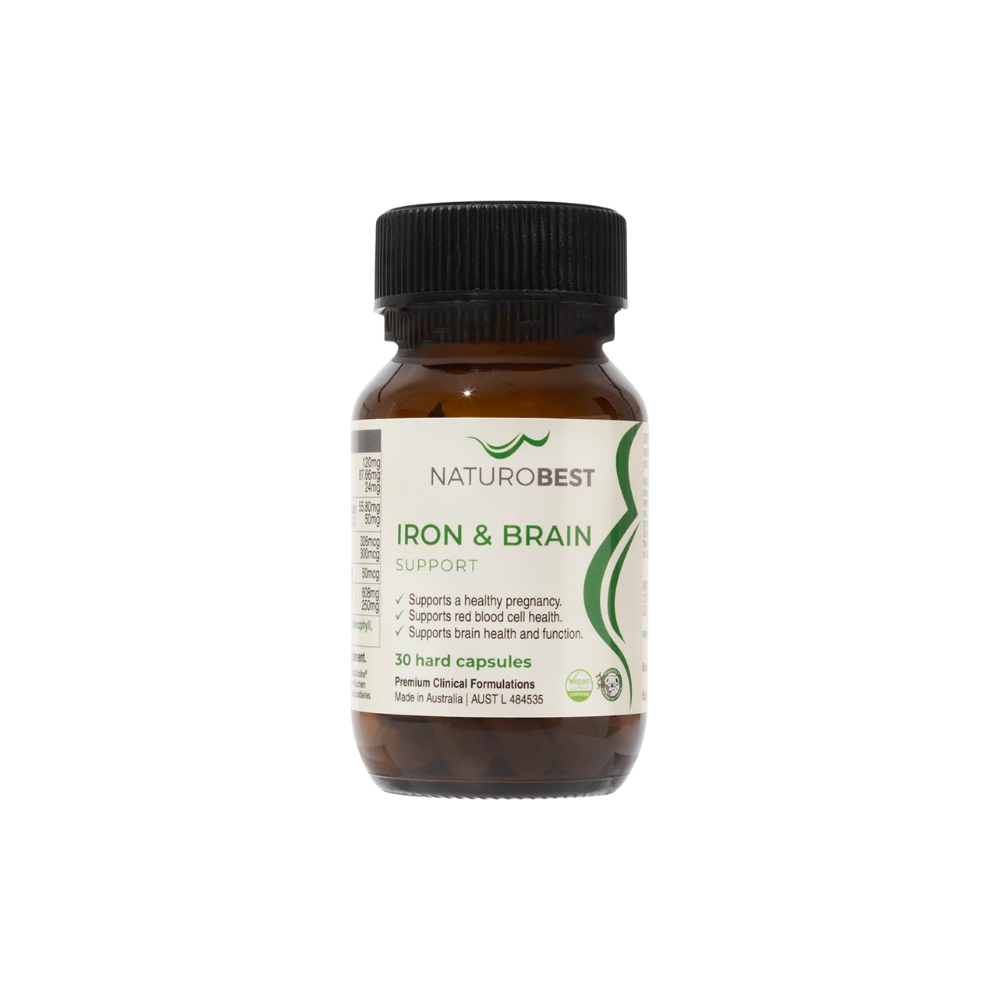
What may affect female fertility
Female fertility is not a fixed state. It shifts in response to hormonal patterns, nutritional status, stress load, inflammatory drivers, gut health, thyroid function, and the overall resilience of the hormonal communication axis that regulates the cycle. Two women with the same diagnosis can have very different underlying drivers, and the same woman can experience significant changes in her reproductive picture depending on what is happening in her broader health at any given time.
This variability is exactly why generic advice often falls short. Egg quality, ovarian reserve, ovulation consistency, and the hormonal environment of the luteal phase are all influenced by factors that can be meaningfully considered but only when you understand which ones are relevant for you. A thorough approach to female reproductive health looks at the full picture rather than working from a single marker or a one-size-fits-all protocol.

What naturopathic support looks like
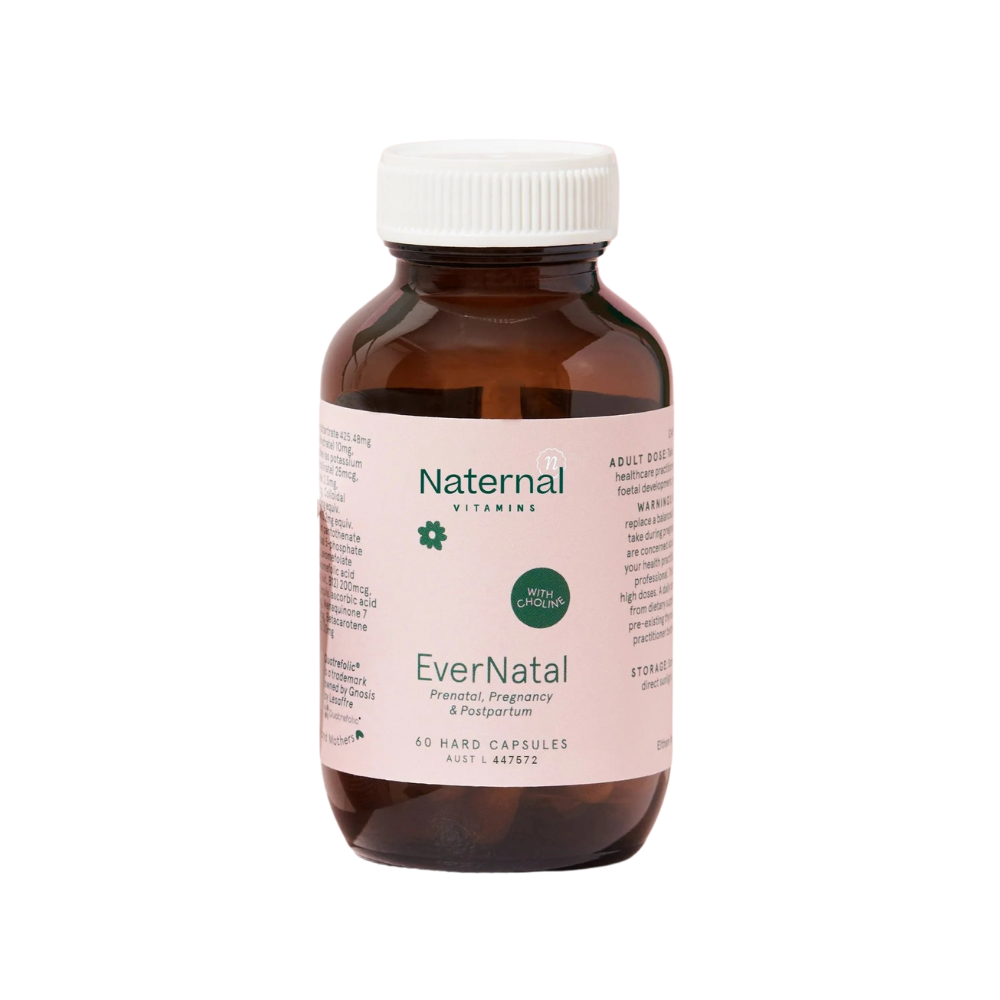
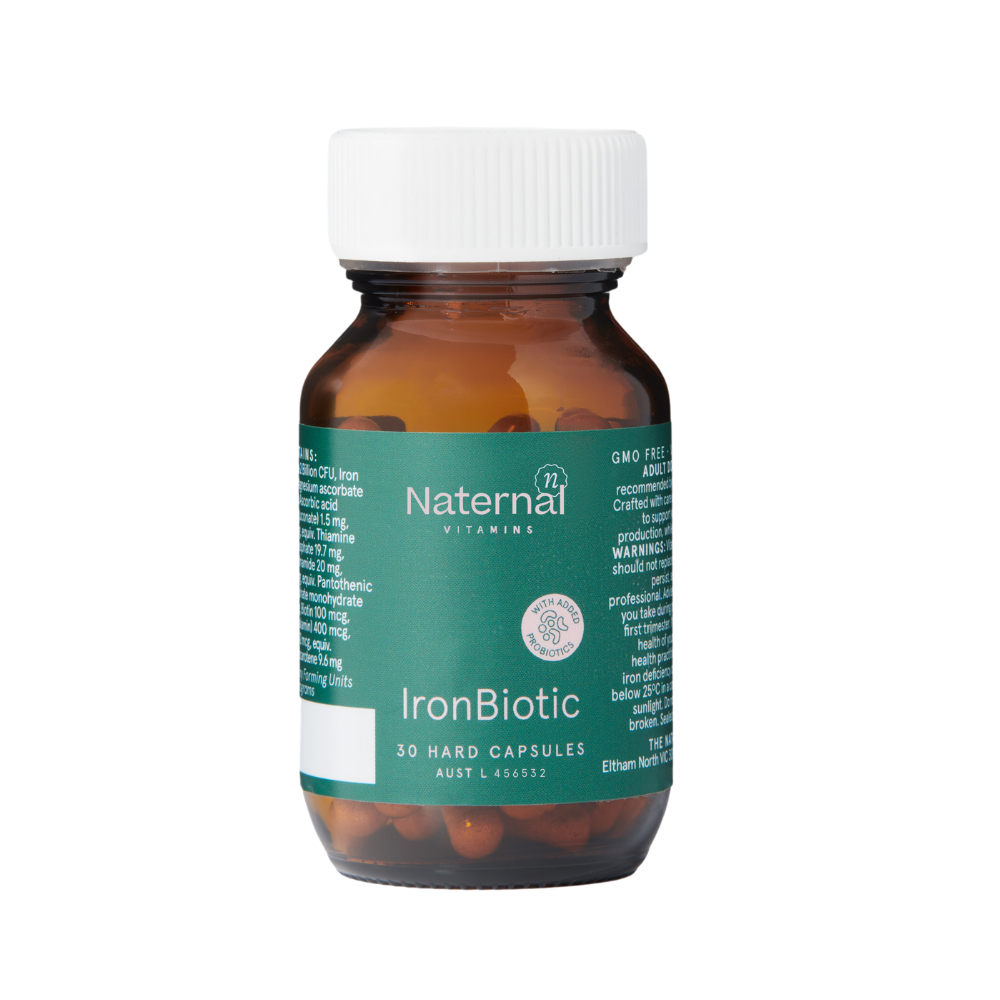
The products in this collection are naturopath-selected to address the core physiological areas that influence female reproductive health. Because the drivers of cycle irregularity and reproductive health concerns vary significantly between individuals, we do not take a blanket approach. What we offer instead is a considered range of targeted nutritional support, covering the most clinically relevant areas, with guidance available to help you identify where to focus.
Support may include:
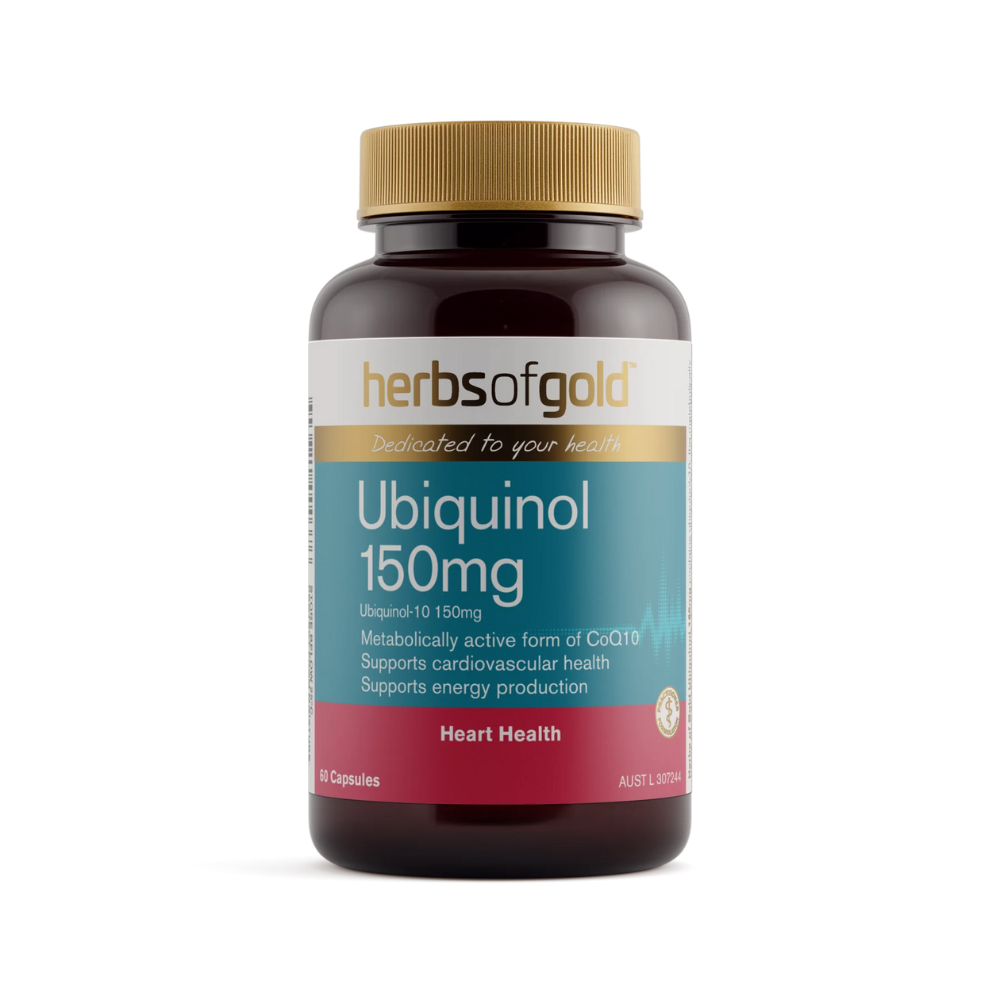
- Nutritional support for antioxidant status, relevant to egg and follicular wellbeing
- Support for hormonal wellbeing across the full cycle
- Nutritional support relevant to longer cycles or irregular ovulation
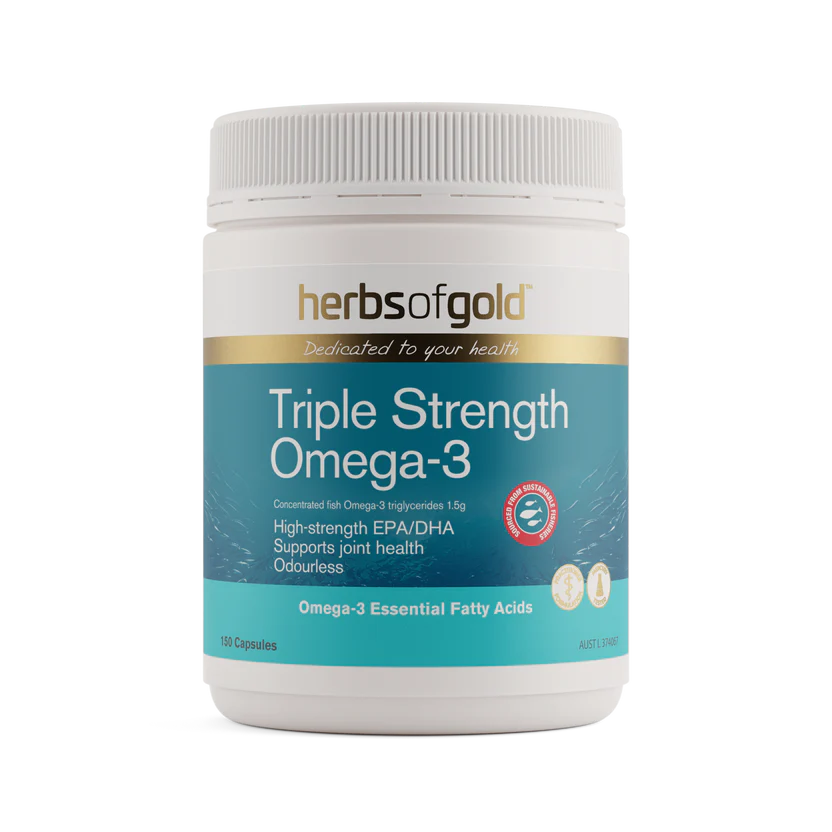
- Nutritional support for inflammatory balance, relevant to those navigating endometriosis or pelvic inflammatory concerns
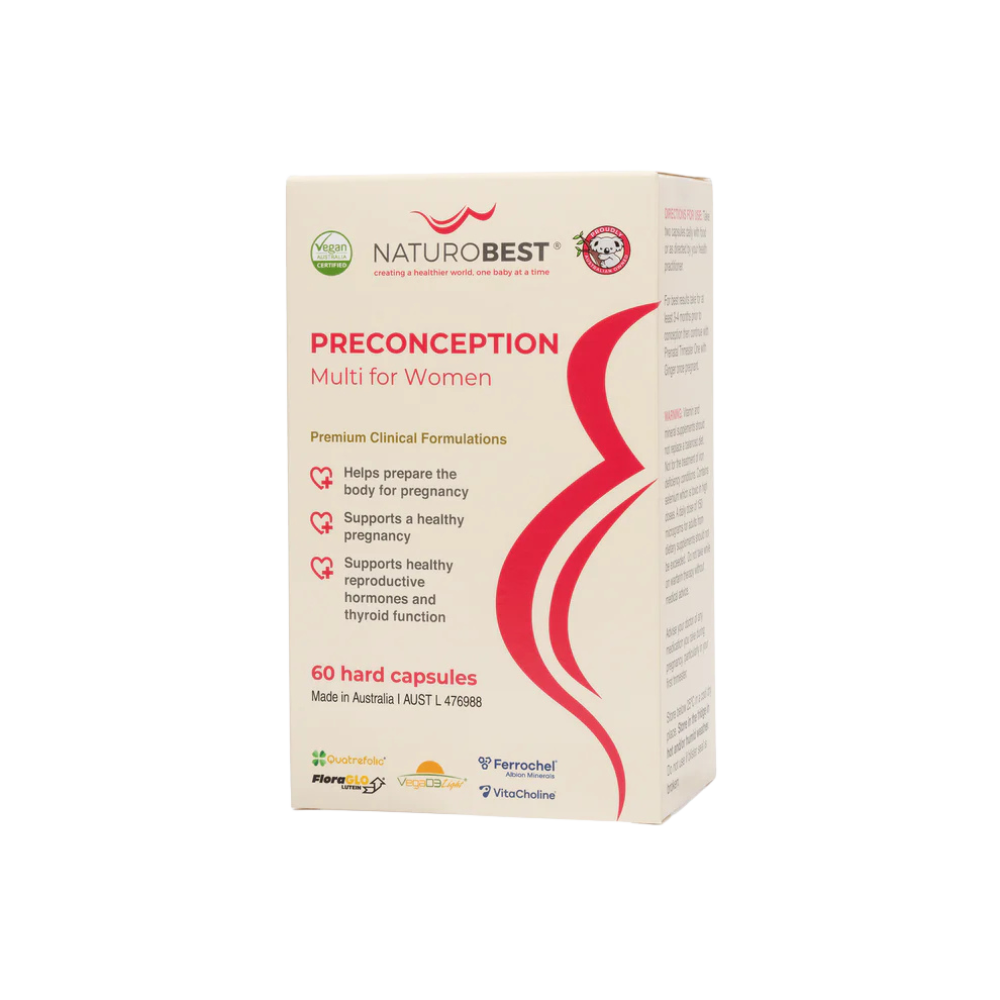
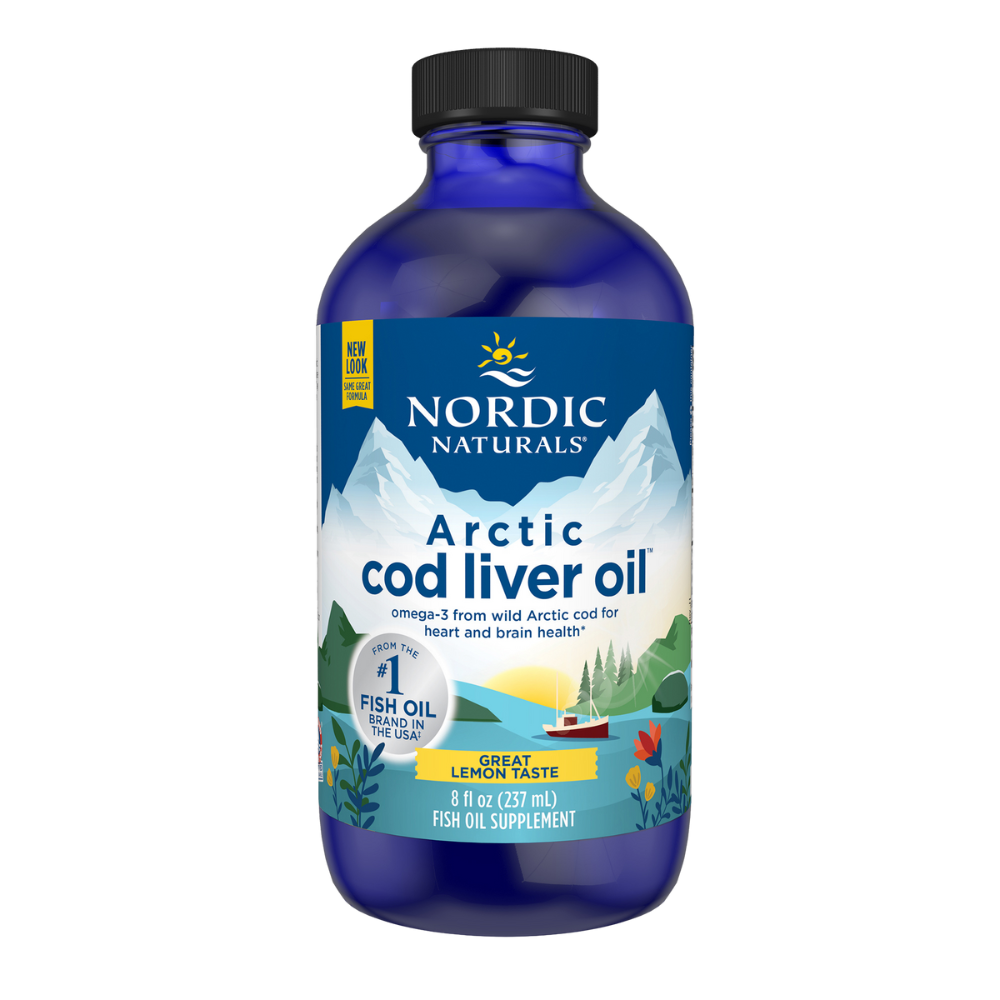
- Nutritional foundations including folate, iron, iodine, vitamin D, and omega-3 fatty acids based on your individual picture
The questions that come up most
To help you feel clearer about your next steps
What factors influence female fertility?
Female fertility is shaped by a combination of factors rather than a single cause. Hormonal balance, cycle health, ovarian reserve, nutritional status, thyroid function, stress, sleep and inflammation can all play a role, and they interact with each other in ways that are unique to each person. Understanding which factors are most relevant to your individual picture is part of what an initial consultation explores.
Can nutrition make a difference to female reproductive health?
There is a growing body of evidence suggesting that nutritional status may influence several aspects of reproductive health, including egg health, hormonal signalling, ovulation regularity, and the uterine environment. Deficiencies in folate, vitamin D, iron, iodine, and omega-3 fatty acids are all associated with reproductive health concerns in the research literature. Addressing nutritional foundations is one of the more modifiable aspects of preconception care and often a useful place to begin.
What is egg quality and can it be supported?
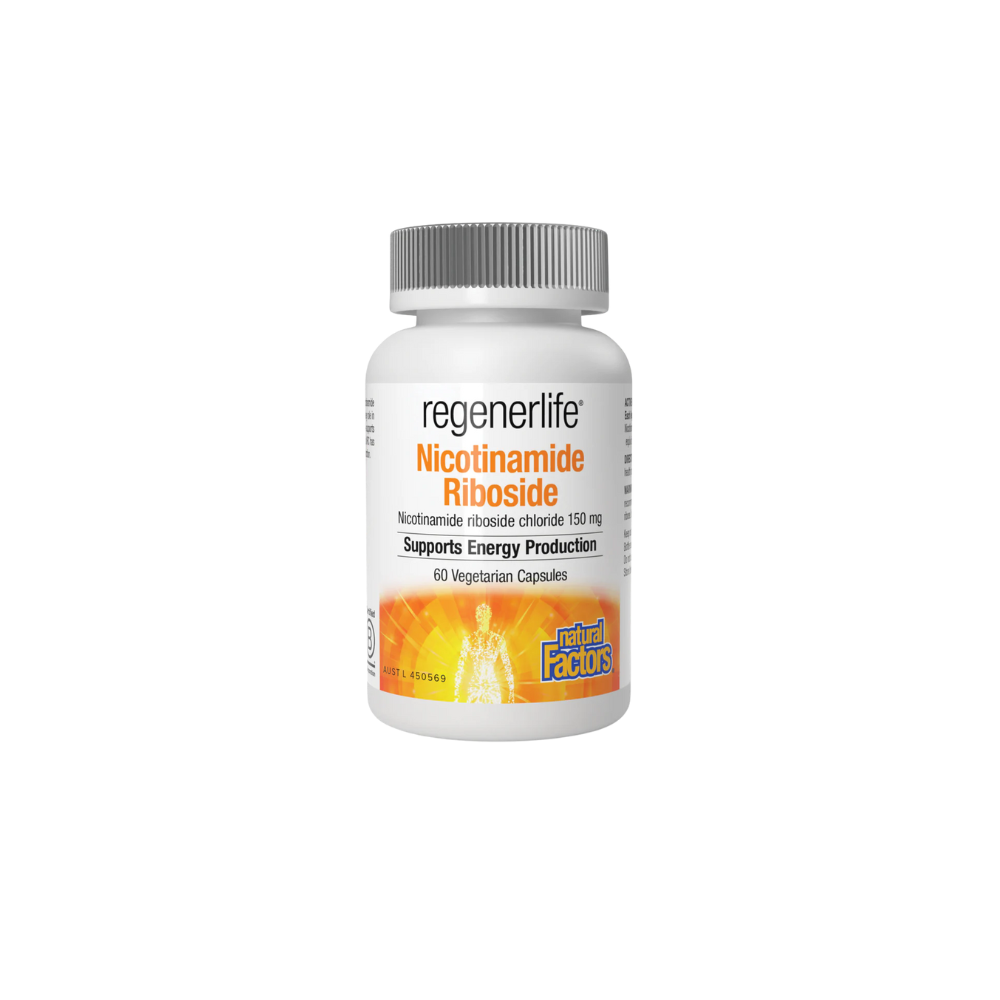
Egg quality refers to the biological health of an egg cell and its capacity to develop into a healthy embryo after fertilisation. It is influenced by factors such as mitochondrial function, hormonal environment, antioxidant balance and inflammation. Naturopathic care may consider these areas as part of a broader fertility plan, particularly in the three-month window leading up to ovulation when egg development takes place.
What is AMH and what does a low result mean?
AMH (Anti-Müllerian Hormone) is a marker often used to estimate ovarian reserve, which refers to the number of eggs remaining in the ovaries. A low AMH result can be confronting, but it is not a measure of egg quality, and it does not predict whether conception will or will not happen. AMH is one piece of a much bigger picture, and it is most useful when considered alongside other markers and your full clinical context.
Does having an irregular cycle mean I have a fertility problem?
An irregular cycle can indicate that ovulation is inconsistent or not occurring, which does affect fertility timing. However, irregular cycles have a range of causes, including PCOS, thyroid dysfunction, high stress, low body weight, and nutritional insufficiency, many of which are addressable. Understanding the underlying driver is more useful than treating the symptom. If your cycle has been irregular for more than three months, it is worth discussing with a health practitioner.
How does endometriosis affect fertility?
Endometriosis can affect fertility through several mechanisms, including inflammation in the pelvic environment, adhesions that affect the fallopian tubes or ovarian function, and an altered immune response that may affect implantation. Not all people with endometriosis experience difficulty conceiving, but the condition does increase the risk. Naturopathic support alongside medical management is a common integrative approach.
How does stress affect female fertility?
Stress influences the hormonal communication that regulates the menstrual cycle, which means chronic or sustained stress can be a meaningful factor in reproductive health. The relationship between stress and fertility is well documented, and supporting the nervous system is often part of a broader fertility plan. This does not mean stress alone causes infertility, but it is worth considering as part of the full picture.
When should I seek specialist help for reproductive health concerns?
If you are under 35 and have been trying to conceive for twelve months without success, or over 35 and have been trying for six months, a referral to a fertility specialist is recommended. Earlier investigation is also appropriate if you have a known condition such as PCOS or endometriosis, if your cycles are very irregular or absent, or if you have had two or more pregnancy losses. A naturopath consultation can run alongside medical investigation and is not a substitute for it.