Perimenopause
A considered approach to perimenopause
The years of hormonal change before periods stop
Perimenopause is the years-long transition before menopause, when the cycle begins to change and symptoms often start showing up: cycle irregularity, sleep disruption, mood changes, hot flushes, and shifts in energy or weight. In Australia, perimenopause typically begins in a woman's 40s and lasts on average four to six years. This page is a starting point for understanding what is happening and where Naturopathic perimenopause support can fit alongside your medical care.

Who we work with
You might recognise yourself here
Your cycle has changed in length, regularity or flow
Cycle changes are often the first sign of perimenopause, and they can take many forms: shorter or longer cycles, heavier or lighter bleeding, or increasing irregularity. These shifts reflect the natural changes in ovarian function during this transition. We consider hormonal patterns, nutritional status and broader wellbeing as part of a tailored plan, alongside any medical care you choose.
You are experiencing new sleep disruption, hot flushes or night sweats
Sleep disruption, hot flushes and night sweats are common during perimenopause and can affect your energy, mood and daily life. Vasomotor symptoms in particular respond well to medical care, and a GP discussion is worth having. We consider areas like nervous system support, blood sugar regulation and nutritional status alongside your medical care.
Your mood, anxiety or energy feel different from before
Mood, anxiety and energy shifts are common during perimenopause and often appear earlier than other symptoms. They are not in your head and they are not a personal failing. We consider nutritional status, nervous system support and adrenal function as part of a broader plan, alongside any medical care your GP may consider helpful.
You are noticing brain fog, libido changes or shifts in skin or weight
Brain fog, libido changes and shifts in skin or weight can all be part of the perimenopausal picture, although they are also influenced by other factors. The picture is rarely simple. We consider broader hormonal patterns, nutritional status and lifestyle factors alongside any medical care or investigation your GP may recommend.
You are considering MHT and want broader nutritional and lifestyle support
Menopausal hormone therapy is a medical decision that sits with your GP or gynaecologist, and we never advise on whether it is right for you. Where you are exploring or using MHT, our role is to sit alongside that medical care, considering nutritional status, lifestyle factors and broader wellbeing through this transition.
You want to support your body proactively through this transition
You may not be experiencing significant symptoms yet, but you want to prepare your body for this transition. Naturopathic care can support nutritional foundations, bone health, metabolic shifts and stress, all of which are areas of focus during this life stage. Routine medical screening with your GP is the appropriate way to monitor your health over time.
Perimenopause can feel hard to navigate, particularly when symptoms appear gradually and you are not sure whether what you are experiencing is part of the transition or something else. Our discovery call is a free, 20-minute conversation where you can talk to our clinical team about what you have been experiencing, what you have already tried, and where Naturopathic support might sit alongside your medical care. There is no pressure and no expectation, just a chance to be heard and to understand whether we are the right fit for what you need next. Our Naturopaths and Homeopaths are based in Liverpool, Sydney and consult online across Australia. You can also meet our practitioners to find the right fit for you.





What is happening in perimenopause
Perimenopause refers to the years before your final menstrual period, plus the year following it, during which the ovaries gradually wind down. Hormones, particularly oestrogen and progesterone, no longer cycle as predictably, which is what produces the changes in cycle length, mood, sleep and other symptoms many women experience. The Australasian Menopause Society describes perimenopause as typically starting in a woman's 40s, with average duration of four to six years, although the range can be one to ten years.
Symptoms vary considerably. According to Jean Hailes for Women's Health, around 20 per cent of women have no symptoms, around 60 per cent experience mild to moderate symptoms, and around 20 per cent have severe symptoms that interfere with daily life. Diagnosis and medical management, including discussion of menopausal hormone therapy (MHT), sits with your GP. Naturopathic perimenopause support is about considering nutritional, lifestyle and herbal factors that may help you move through this transition with more steadiness, alongside any medical care you choose.

A clinical-first approach to perimenopause care
At Nourishing Apothecary, our clinical team is based in Liverpool, Sydney and offers consultations online across Australia. Naturopathic perimenopause support works best when it is built around your specific symptom picture, cycle pattern and medical care plan, rather than a one-size-fits-all approach.
Support may include:
- Reviewing your symptoms, cycle changes and health history to inform your individual plan
- Considering nutritional status, with attention to nutrients relevant at this life stage
- Supporting general wellbeing alongside any medical care you are receiving, including MHT
- Considering stress, sleep, bone health and metabolic shifts during this transition
- Naturopathic care, herbal medicine and Homeopathic remedies as part of a tailored plan
- Working alongside your GP or specialist where further investigation may be helpful
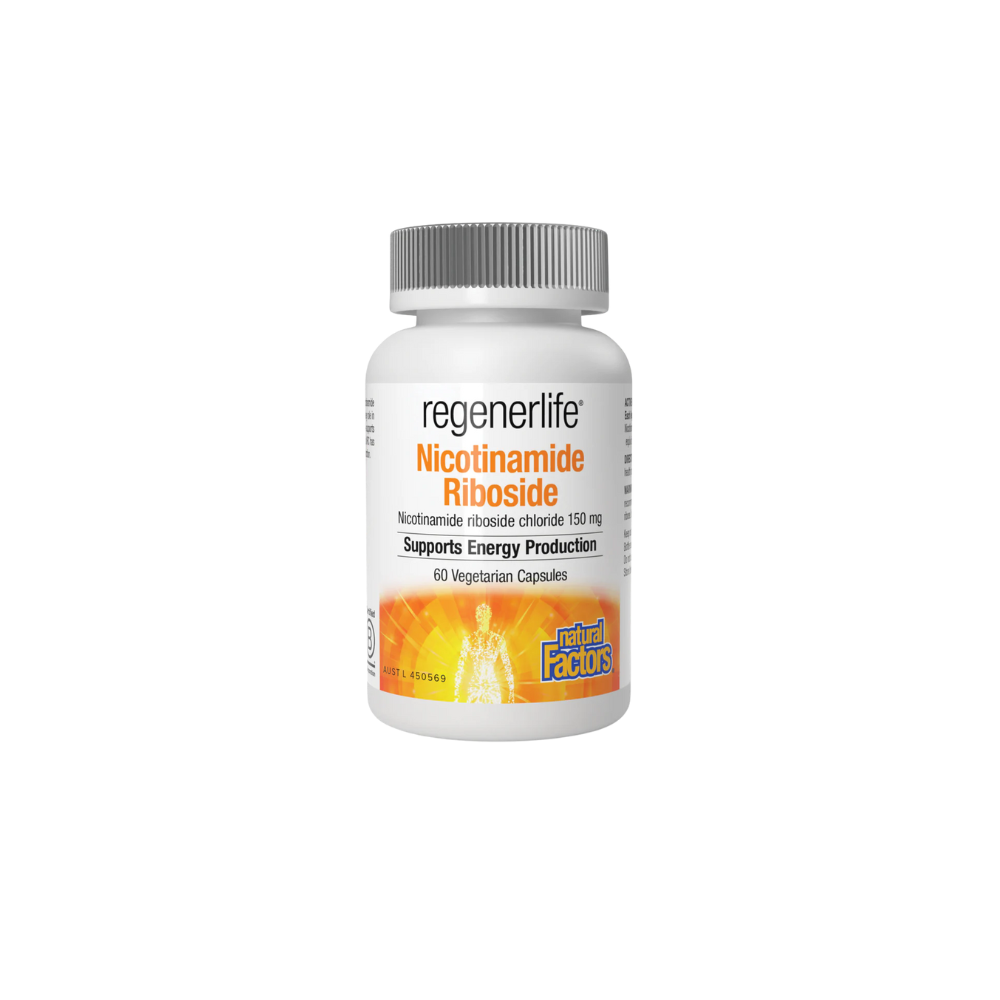
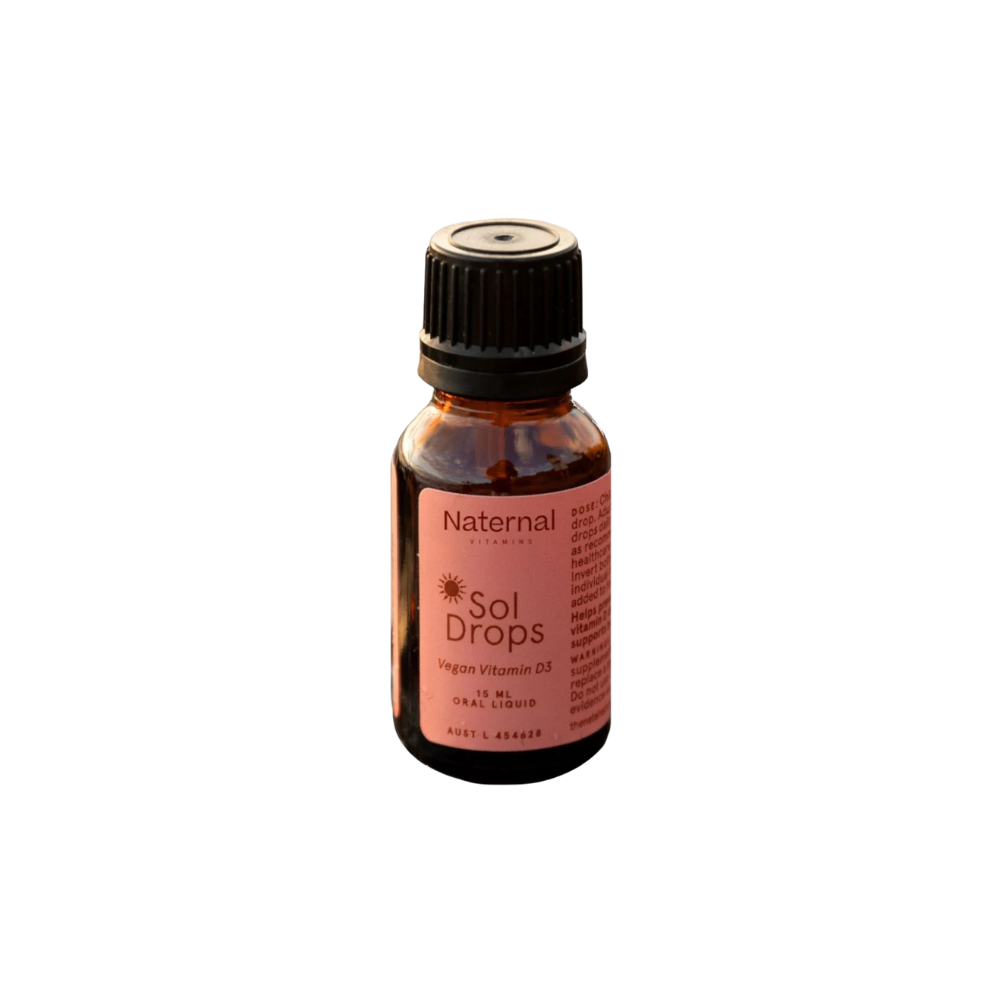
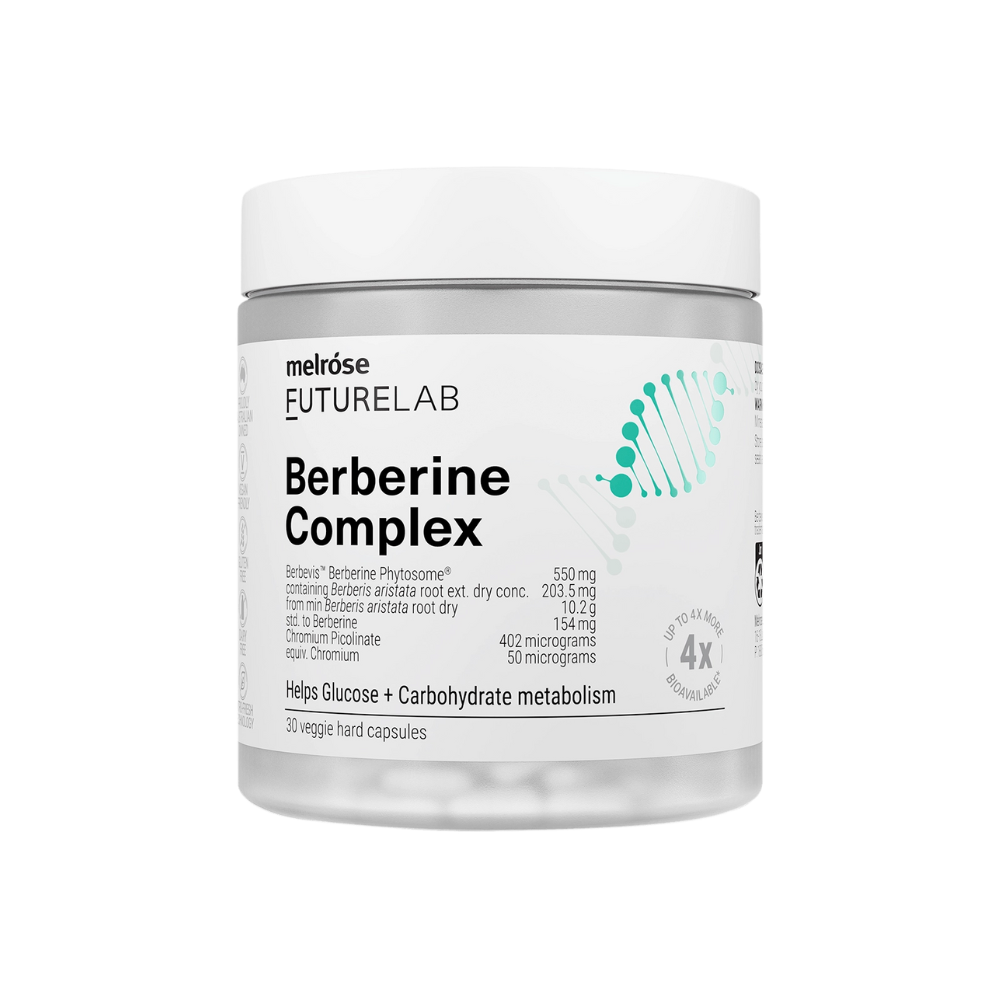
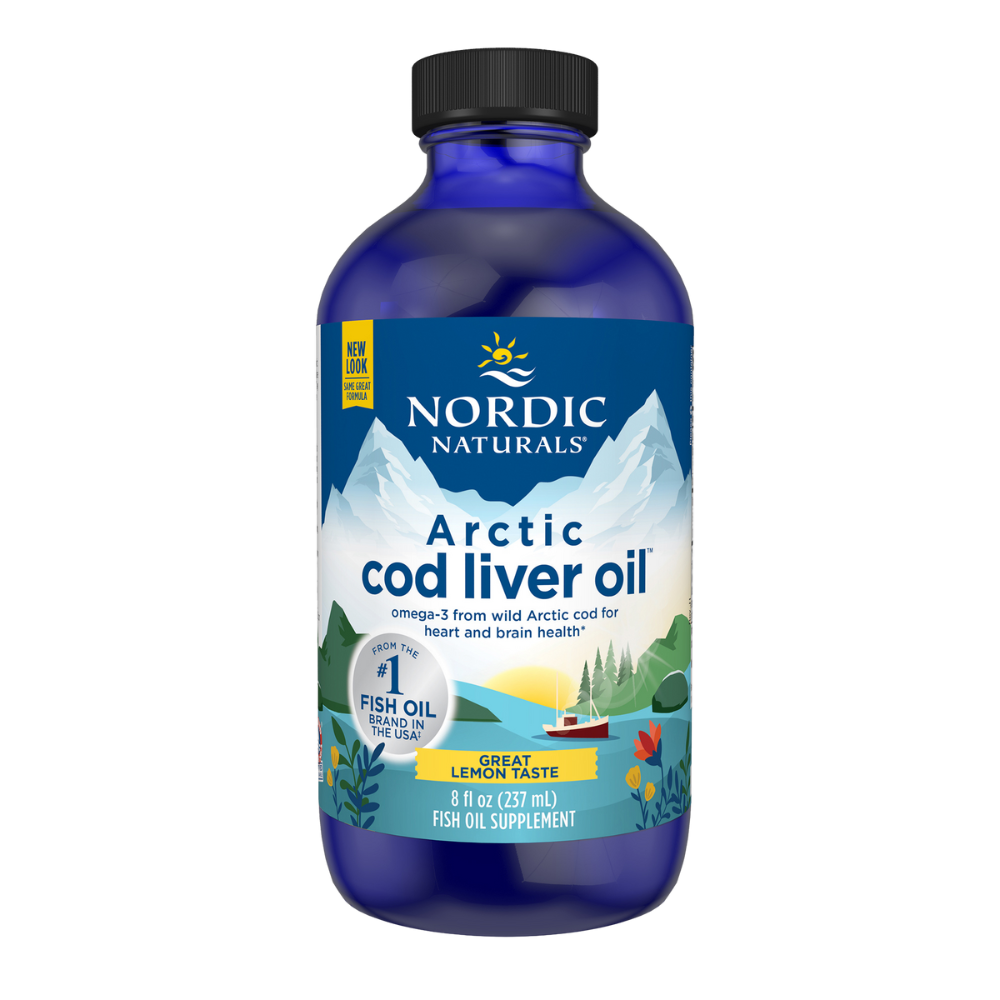
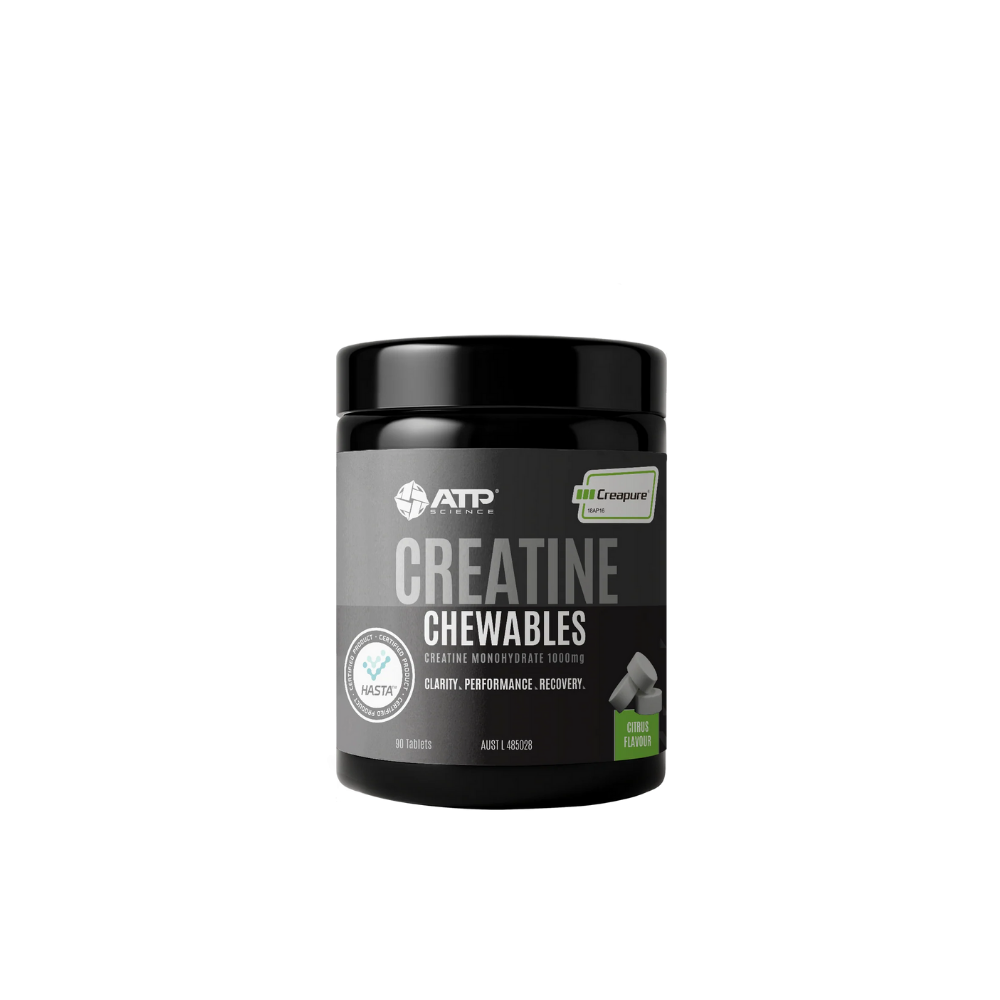
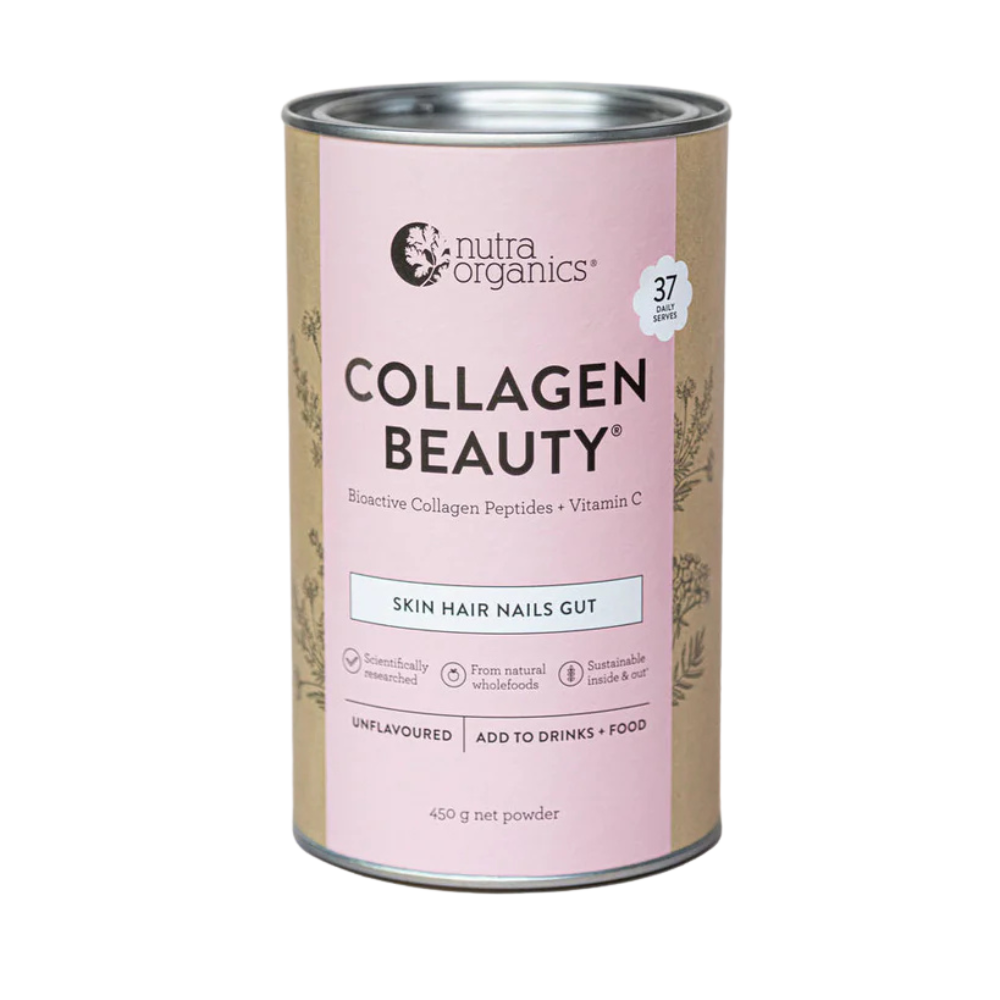
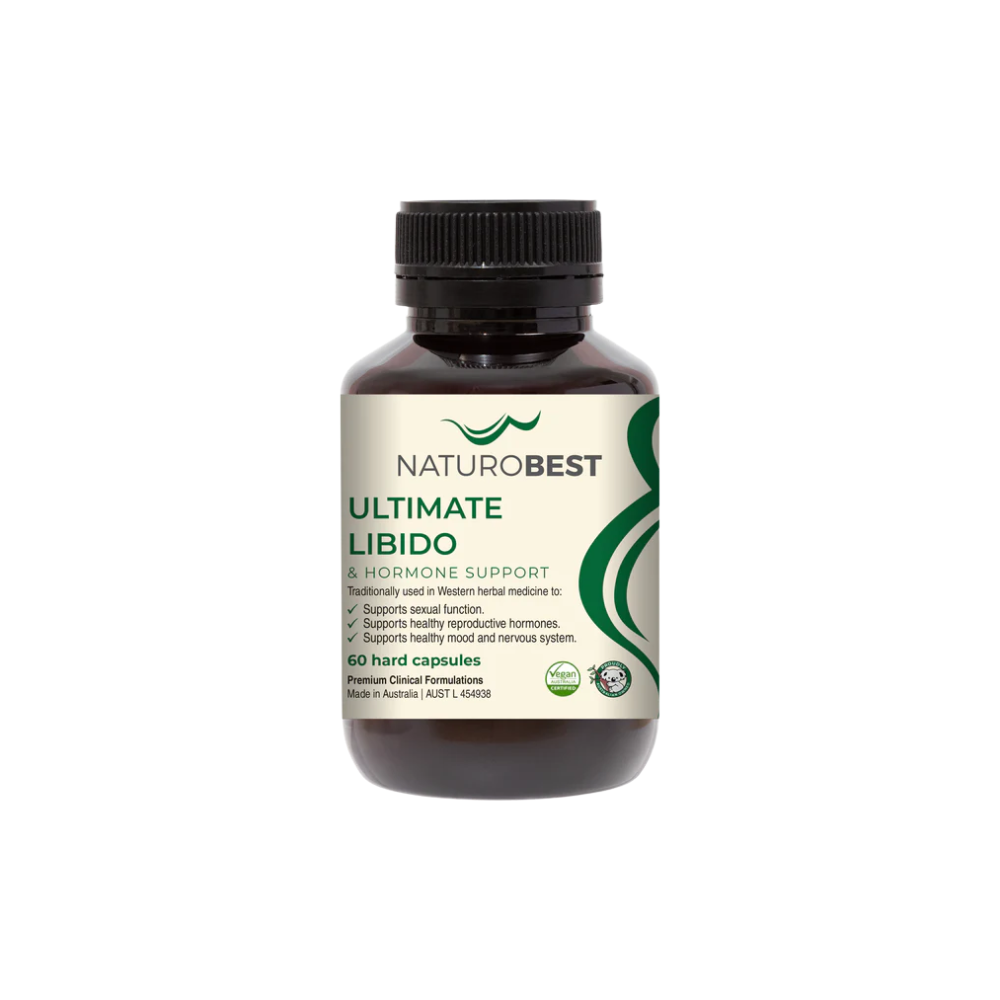
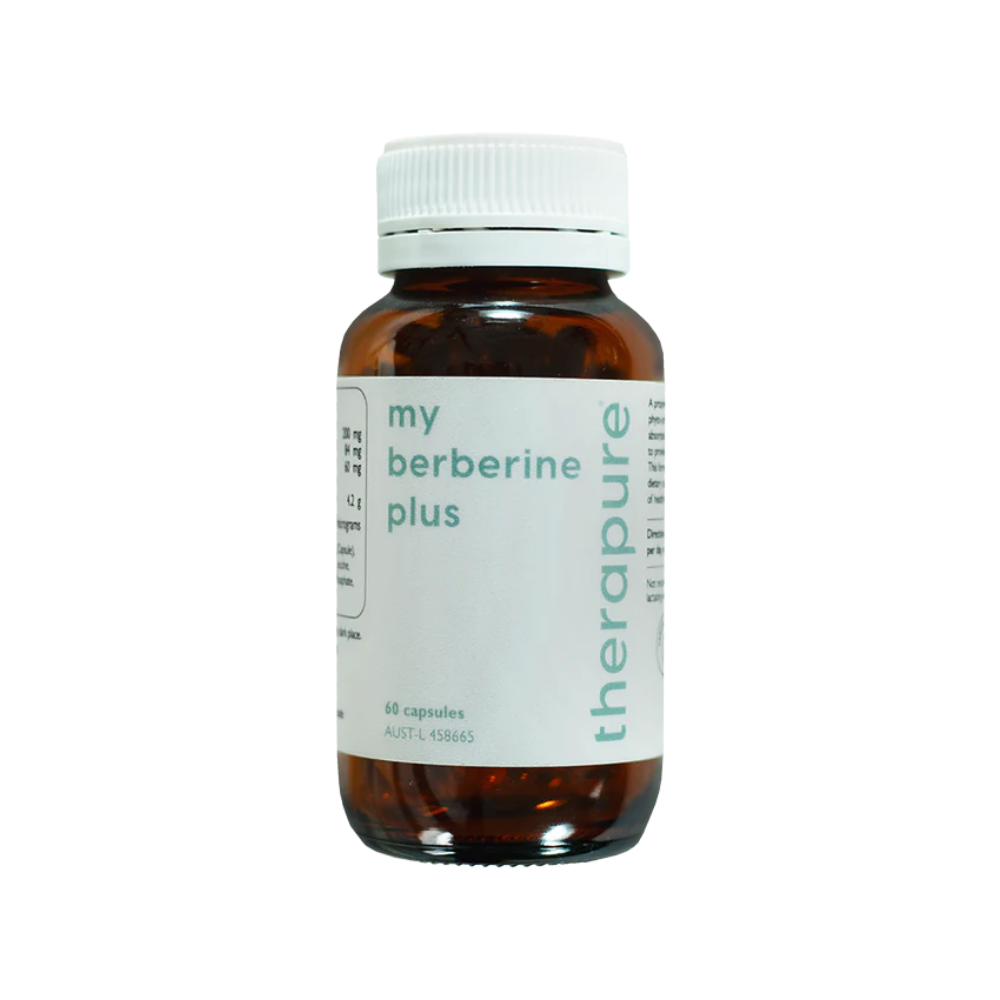
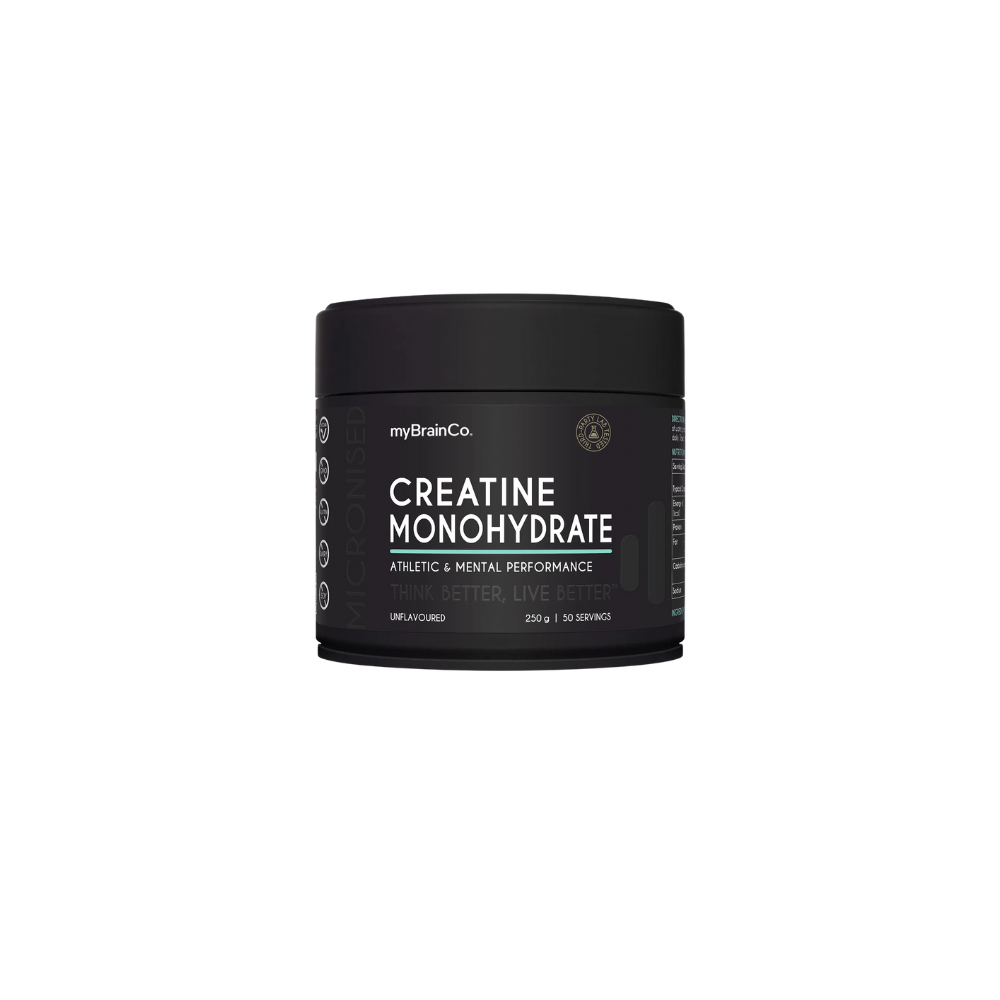
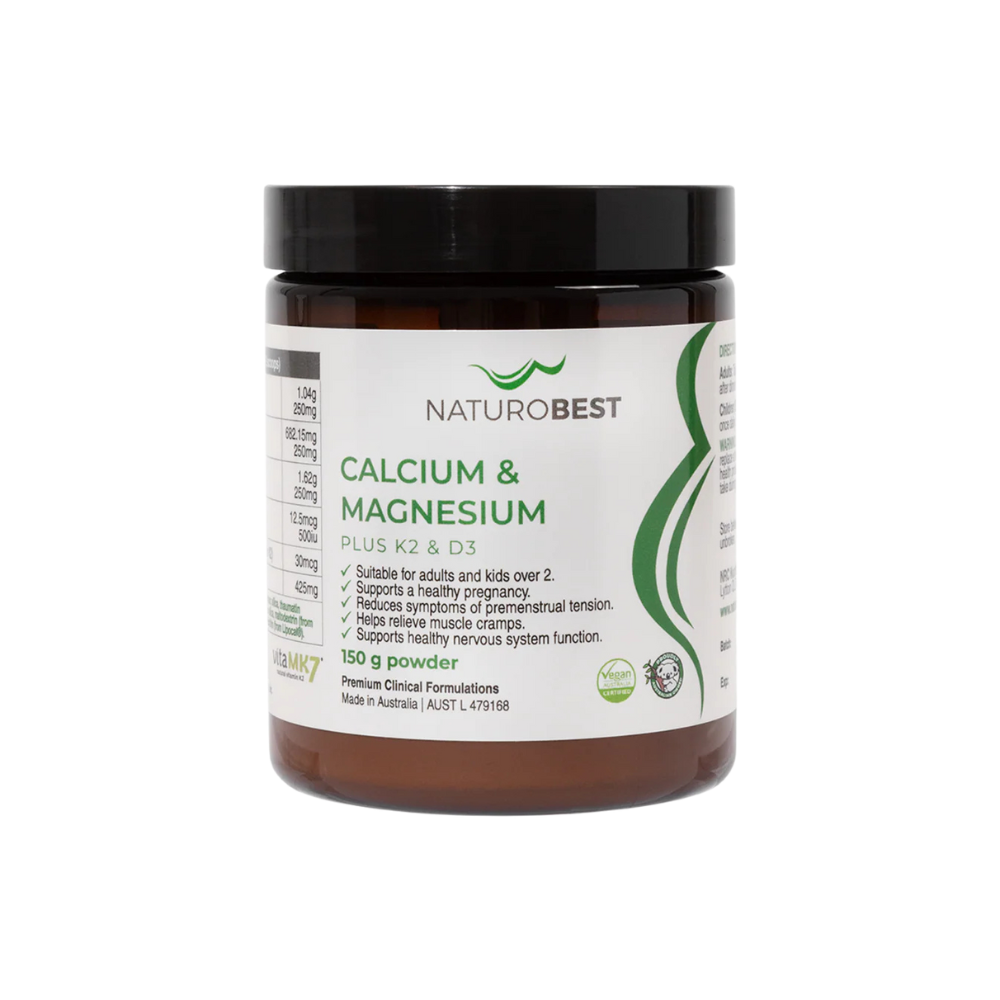
Where targeted supplementation is part of your plan, our clinical Naturopaths may recommend products from our practitioner-selected perimenopause range, which you can also browse independently below.
COMMON QUESTIONS ABOUT PERIMENOPAUSE
To help you feel clearer about your next steps
What is the difference between perimenopause and menopause?
Perimenopause is the transition phase before your final menstrual period, during which hormones fluctuate and cycle changes begin. Menopause itself is technically a single point in time: your final menstrual period, confirmed in retrospect once 12 months have passed without bleeding. Postmenopause refers to the years afterwards. Most of what people commonly call 'menopause' in conversation is actually perimenopause.
When does perimenopause start?
Perimenopause typically begins in a woman's 40s, although for some women it can start in the late 30s. The average age in Australia is around 47, and the average duration is four to six years. Earlier onset can occur, including in cases of premature ovarian insufficiency or as a result of medical treatments. If you are in your 30s and concerned about early onset, a GP review is the appropriate first step.
Can I still get pregnant during perimenopause?
Yes. Although fertility declines through perimenopause, pregnancy can still occur until you have reached menopause (12 months without a period). Contraception is still relevant for women who do not wish to conceive. If you are wanting to conceive in your 40s, a fertility specialist consultation alongside any Naturopathic preconception support is a sensible pathway.
What is MHT?
Menopausal hormone therapy (MHT, sometimes still called HRT) is a prescribed medication that replaces some of the hormones the ovaries no longer produce in sufficient amounts. The Australasian Menopause Society describes MHT as the most effective medical treatment for vasomotor symptoms such as hot flushes and night sweats, and notes its role in supporting bone health. Whether MHT is right for you is a conversation with your GP, based on your individual circumstances. Naturopathic care can sit alongside MHT, never in place of it.
Can Naturopathy help with hot flushes?
Hot flushes are influenced by hormonal change, nervous system activity, blood sugar regulation, alcohol intake and stress. Naturopaths may consider areas like adrenal support, sleep, blood sugar balance and herbal medicines that have a research base in this area. Responses vary considerably between women. For severe vasomotor symptoms, a GP discussion about MHT is also worth having.
Are bioidentical hormones better than conventional MHT?
Modern conventional MHT prescribed in Australia is itself bioidentical (chemically identical to the hormones your body produces). Compounded bioidentical hormones, which are mixed by individual pharmacies to varying recipes, are not regulated in the same way and have raised concerns from groups including the Australasian Menopause Society about consistency and safety. Whether MHT is appropriate, and which form, is a clinical conversation with your GP.
Can I buy products without booking a consultation?
Yes. Every product in our perimenopause range has been selected by our clinical Naturopaths, so you are welcome to shop the collection independently if you have a clear sense of what you are looking for. If you would like guidance on which products are most relevant for your specific situation, our team is available for a free discovery call or a more in-depth consultation.
Do you offer perimenopause consultations online?
Yes. Our Naturopaths and Homeopaths are based in Liverpool, Sydney and offer consultations online across Australia. A discovery call is a free, 20-minute introduction and is available to book online. You can also meet our practitioners to find the right fit for your needs.