
Insulin resistance
Naturopathic and nutritional support for blood sugar regulation and metabolic resilience
When your tests look fine but something clearly isn't
You've been told your blood sugar is fine. But something still doesn't feel right; afternoon energy crashes you can almost set a clock by, intense sugar cravings, weight that's settled around your middle and refuses to budge, brain fog that sharpens after a meal.
Insulin resistance is one of the most common metabolic patterns we see in clinic, and one of the most under-recognised. It can be present and progressing for years before standard glucose testing catches up. If your symptoms haven't been explained, you're not imagining things.

WHEN WE CAN HELP
Some of the patterns we see...
You're doing the food and movement work, your middle disagrees
You've been consistent. The numbers should be moving. They aren't, or they aren't moving enough, and abdominal weight is the hardest to shift. Insulin resistance is one of the most common reasons for this exact pattern, and it's frequently missed by standard testing.
Sugar and carb cravings that feel impossible to ride out
The cravings aren't a willpower problem. When blood sugar drops sharply or insulin runs high, your brain reads it as an emergency and demands fast fuel. Once you understand the physiology, the cravings stop feeling like a personal failing and start being something you can actually work with.
Eating drains your energy, and skipping meals somehow feels better
A meal that triggers a significant blood sugar spike and crash often leaves you flatter than not eating at all. If you've been quietly noticing that you function better when you fast or eat very low carb, that's information worth taking seriously about how your body is processing glucose.
You've been diagnosed with PCOS, pre-diabetes, or metabolic syndrome
All three of these conditions involve insulin resistance as a central feature, even if it hasn't been explained to you that way. Addressing insulin sensitivity is one of the most impactful things you can do for any of them, regardless of weight or blood glucose level.
Your glucose looks fine but your insulin or HbA1c doesn't
Standard glucose testing is often the last marker to change. Fasting insulin and HbA1c can both be elevated for years before fasting glucose moves out of the normal range, which is why a single glucose result doesn't rule out a metabolic issue in progress.
Type 2 diabetes runs in your family and concerns you
Family history is a real risk factor, but it isn't a sentence. Identifying early metabolic patterns and addressing them proactively, before any diagnosis, is the time when Naturopathic and lifestyle interventions tend to be most effective.
Insulin resistance is one of the most under-recognised patterns we see, and standard tests often miss it for years.
If your symptoms haven't been explained, or you've been given a label like pre-diabetes or PCOS and you're not sure what to do with it, a discovery call is the easiest first step. We'll listen to what's been going on, talk through what may be contributing, and let you know whether working with us is a good fit. Free, 15 minutes, no obligation.








How insulin resistance actually works
Insulin is the hormone that signals your cells to take glucose out of the bloodstream and use it for energy or store it for later. When cells stop responding to that signal as readily as they should, your pancreas compensates by producing more insulin. For a while, this keeps blood glucose looking normal on a standard test, but the system is under strain.
Over time, that strain tends to compound. Persistently elevated insulin promotes fat storage (particularly around the abdomen), drives sugar cravings, contributes to inflammatory load, and may disrupt ovulation in women. This is why insulin resistance can be progressing for years before a fasting glucose result moves out of the normal range.
The most useful thing to know is that insulin sensitivity is one of the most modifiable parts of metabolic health. The drivers behind it; dietary patterns, hormones, sleep, stress; respond well to targeted, evidence-based intervention.
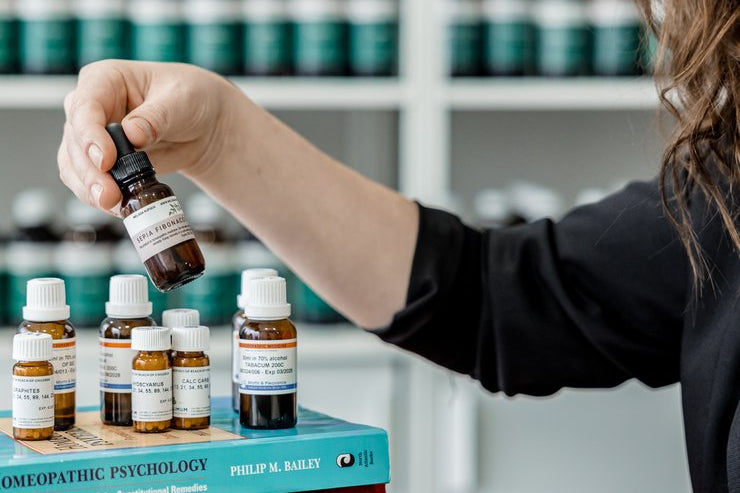
A clinical-first approach to insulin resistance
We don't start with a generic protocol. Improving insulin sensitivity meaningfully requires understanding what's driving your specific pattern; whether that's hormonal, dietary, inflammatory, sleep-related, or some combination of all four. From there, we focus on the interventions with the strongest evidence base for your situation.
You'll find support across:
- Comprehensive testing including fasting insulin, HOMA-IR, HbA1c and inflammatory markers, so we're working from a clear picture rather than guessing
- Dietary patterns that meaningfully move insulin and glucose markers, tailored to what you can actually maintain
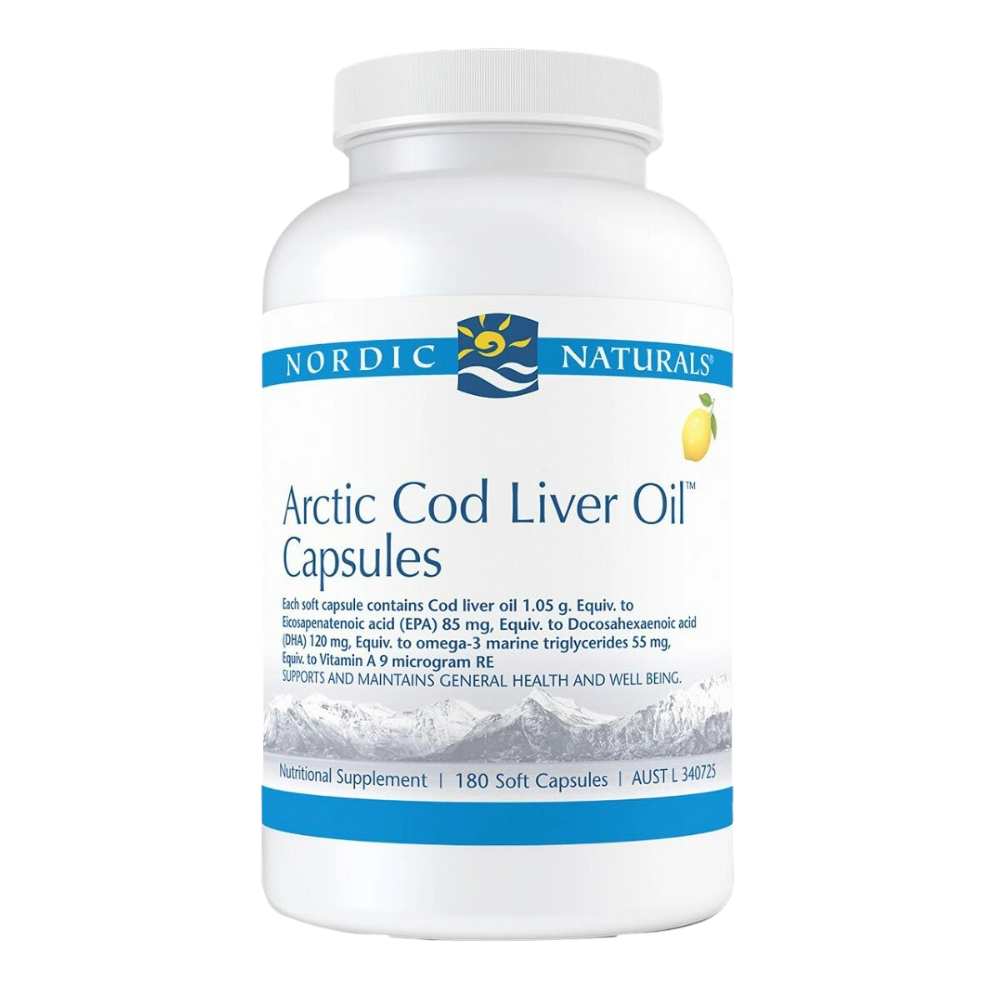
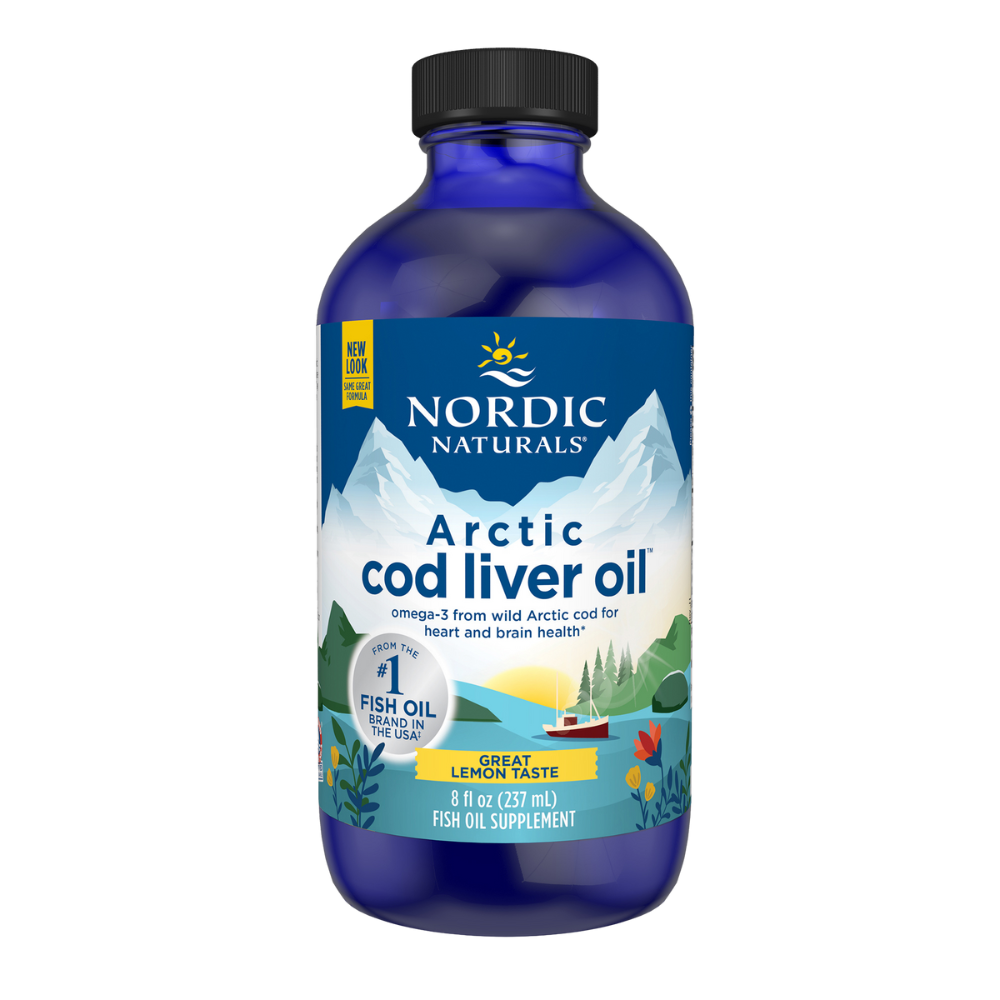
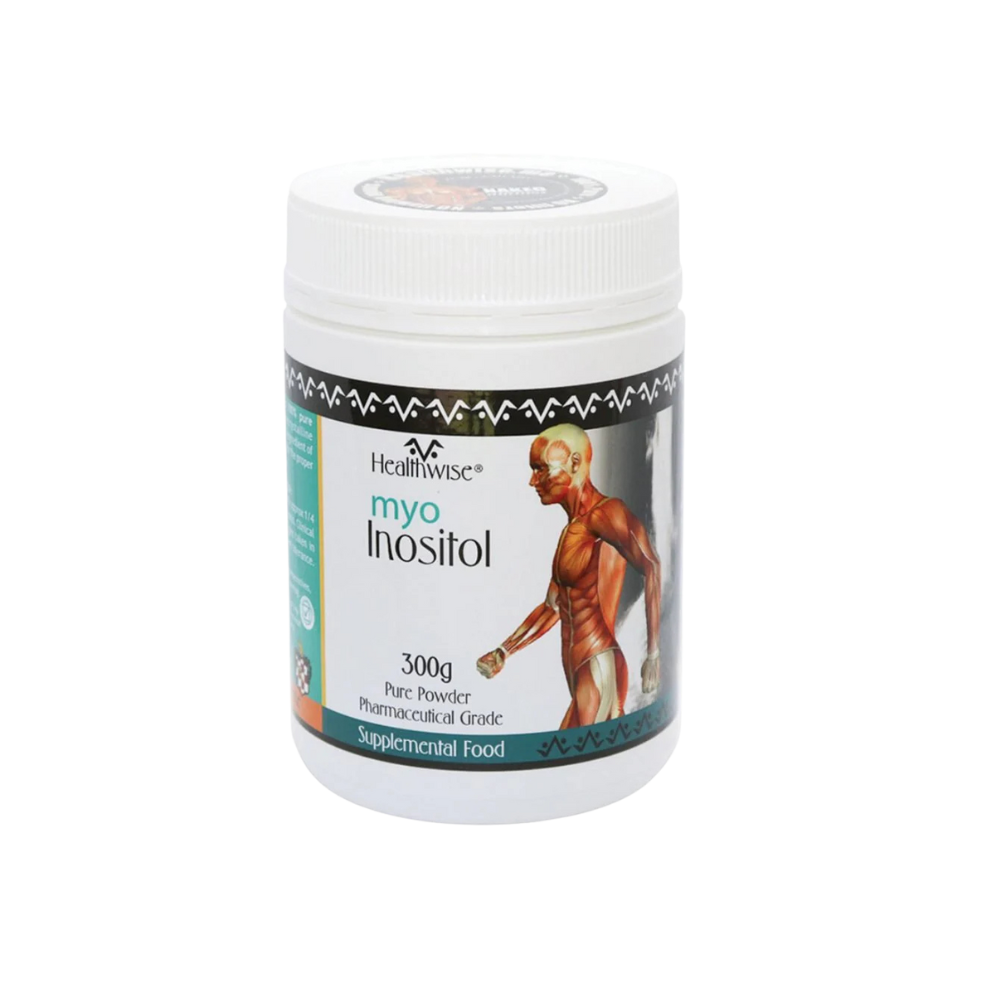
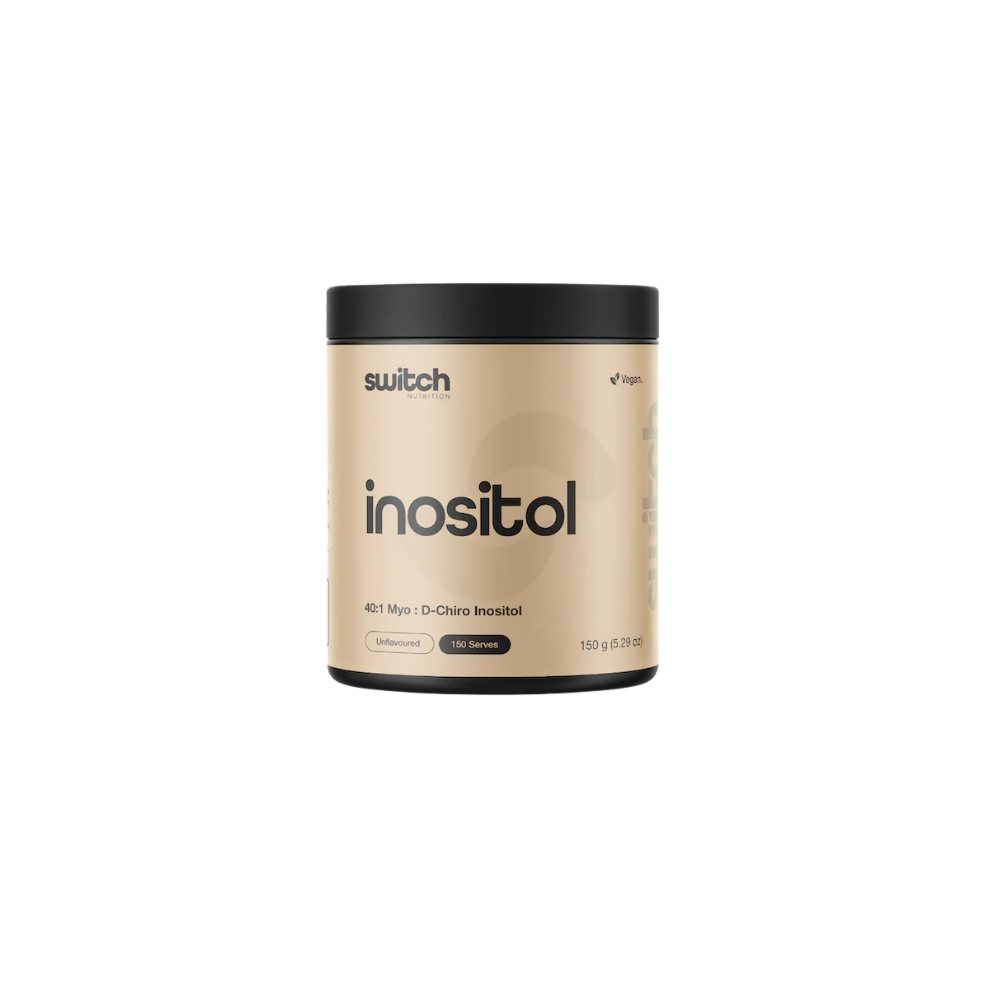
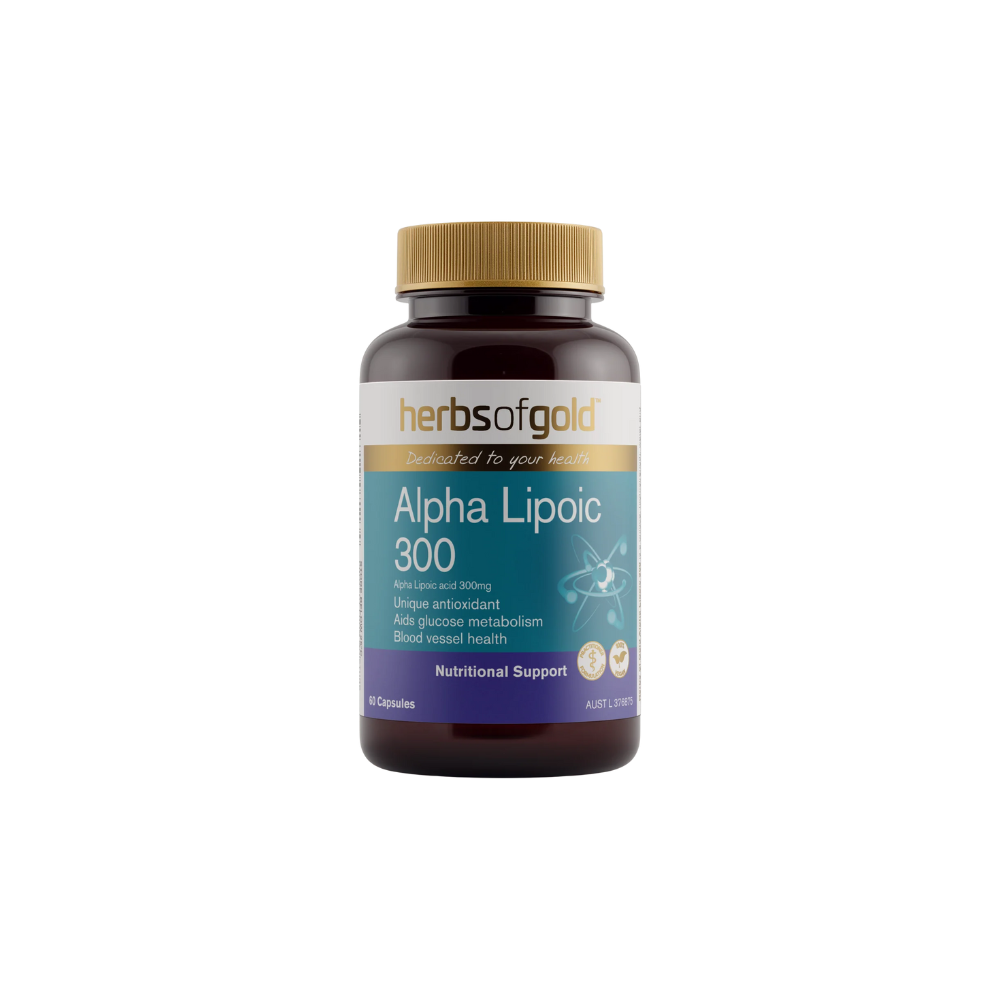
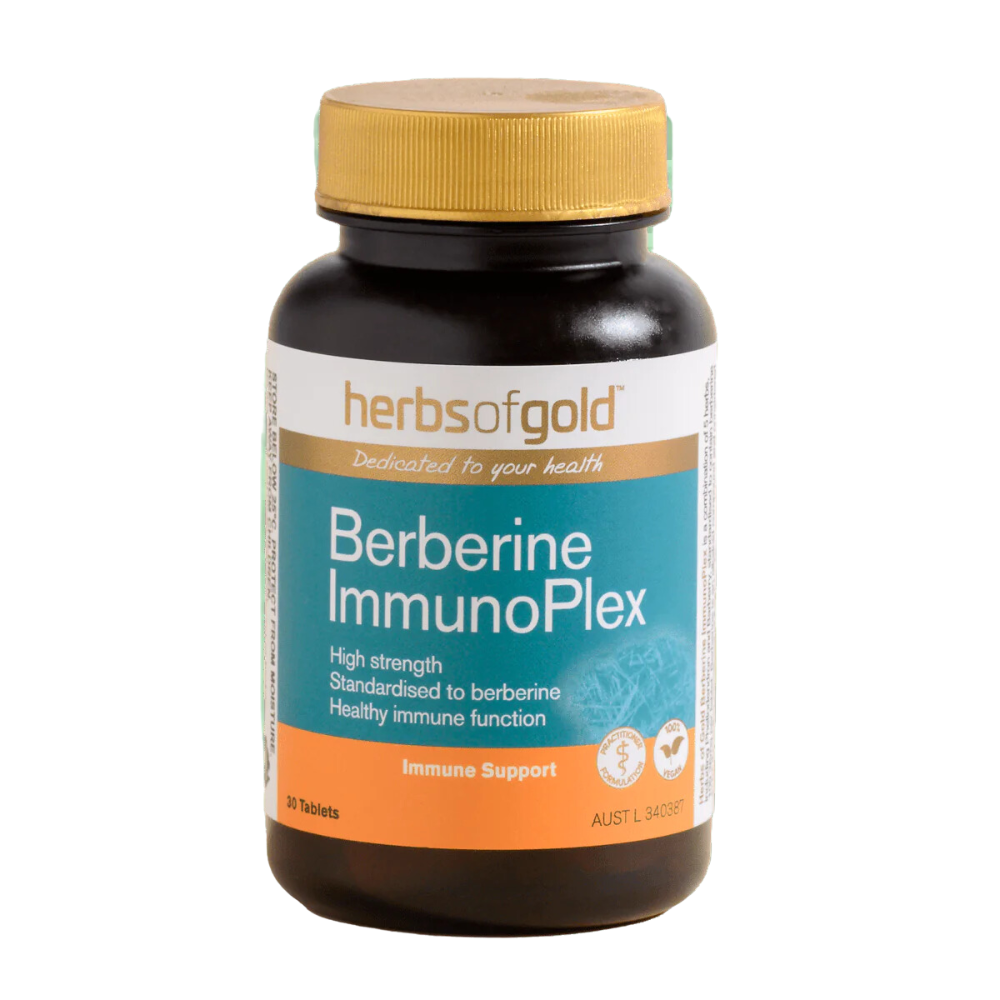
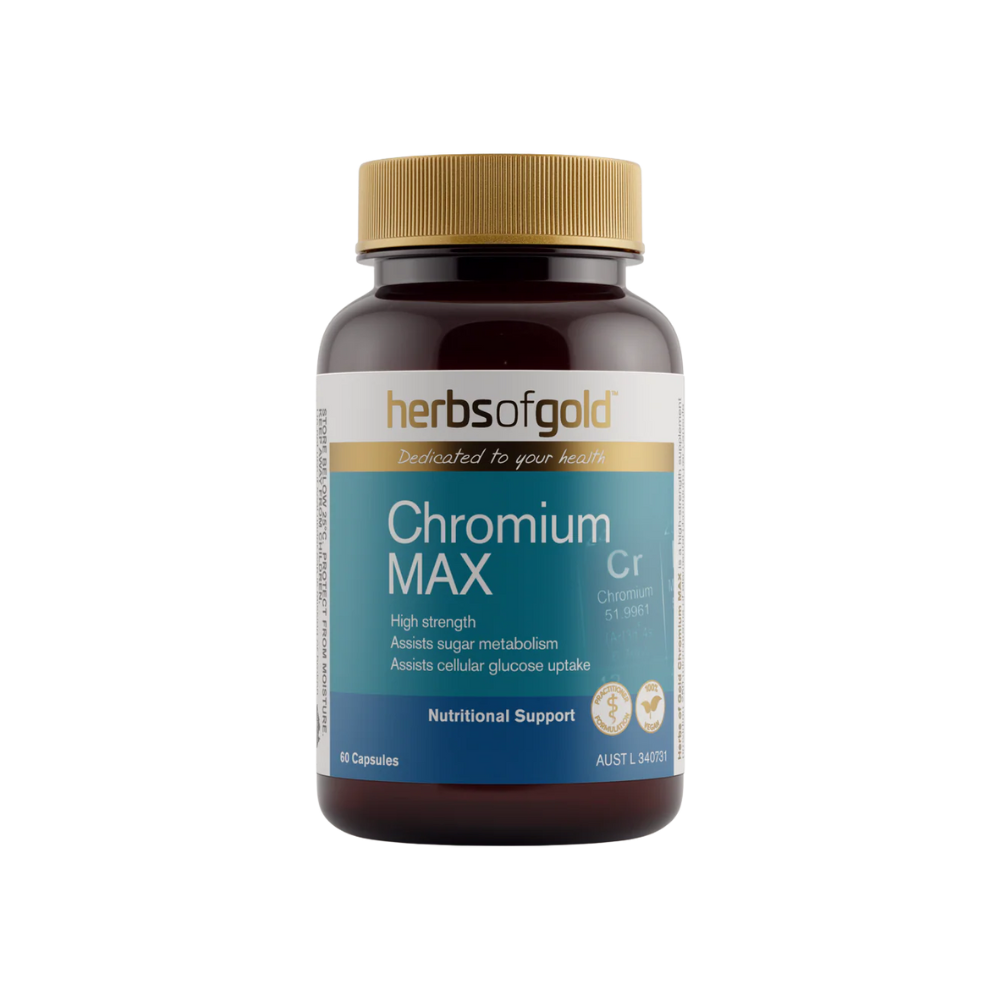
- Targeted nutritional support including berberine, inositol, magnesium, chromium and alpha lipoic acid, where appropriate
- Sleep, stress and circadian rhythm support, given how directly these influence glucose regulation
- Hormonal context where relevant (PCOS, perimenopause, thyroid), since insulin resistance rarely sits in isolation
Common questions about insulin resistance
To help you feel clearer about your next steps
How do I know if I have insulin resistance if my blood sugar is normal?
Standard glucose testing; fasting glucose and HbA1c; can look normal for years while insulin resistance is already present and progressing. The most direct way to identify it early is to measure fasting insulin alongside fasting glucose and calculate HOMA-IR, a validated index of insulin sensitivity. An elevated fasting insulin with normal fasting glucose is a clinically meaningful finding that suggests your pancreas is working harder than it should be. A glucose tolerance test with insulin measurements gives an even more detailed picture.
What's the relationship between insulin resistance and PCOS?
Insulin resistance is present in around 70 to 80 per cent of women with PCOS, including many who aren't overweight. Elevated insulin may directly stimulate the ovaries to produce excess testosterone, which disrupts the hormonal signalling required for regular ovulation. This is why supporting insulin sensitivity is a central part of managing PCOS, regardless of whether blood glucose is elevated. Dietary, lifestyle and nutritional approaches that target insulin sensitivity often produce shifts in cycle regularity and androgen-related symptoms.
Can exercise support insulin sensitivity?
Exercise is one of the most evidence-supported lifestyle factors for insulin sensitivity. Both aerobic exercise and resistance training help your muscles take up glucose independently of insulin, which reduces the workload on your pancreas. Resistance training in particular builds muscle, which is the primary site of glucose disposal in the body. Consistency matters more than intensity, and combining both tends to produce better results than either alone.
What is berberine and how does it support insulin sensitivity?
Berberine is a plant alkaloid found in several botanicals, including Berberis vulgaris and Coptis chinensis. It activates AMPK, an enzyme involved in cellular glucose uptake and energy regulation, and has a meaningful research base for fasting glucose and insulin sensitivity. Berberine should be used with awareness of potential interactions, particularly if you're on diabetes medication or you're pregnant. Practitioner guidance is recommended.
Does sleep affect insulin resistance?
Significantly. A single night of poor sleep may impair insulin sensitivity in otherwise healthy people, and chronic sleep deprivation is recognised as an independent risk factor for insulin resistance and type 2 diabetes. Poor sleep elevates cortisol and ghrelin, promotes muscle catabolism, and disrupts the circadian regulation of glucose metabolism. Sleep quality is rarely a secondary concern in metabolic health. It's often more impactful than people expect.
Is a low carbohydrate diet necessary for insulin resistance?
A low carb approach is one effective way to reduce the glucose and insulin load on the body, and it can produce shifts in fasting insulin and blood sugar markers. But it isn't the only evidence-supported approach, and it isn't appropriate or sustainable for everyone. A Mediterranean-style pattern, a lower glycemic index diet and time-restricted eating have all shown meaningful effects on insulin sensitivity. The most useful dietary approach is the one that reduces glucose and insulin variability, supports a diverse microbiome, provides adequate nutrients and can be maintained long term. Carbohydrate quality and timing often matter more than total quantity.
Can I buy products without booking a consultation?
Yes. Every product in our range has been selected by our clinical Naturopaths, so you're welcome to shop the collection independently if you have a clear sense of what you're looking for. If you'd like guidance on which products are most relevant for your situation, our team is available for a free discovery call or a more in-depth consultation.
Do you offer consultations online?
Yes. Our Naturopaths and Homeopaths are based in Liverpool, Sydney and consult online across Australia. A discovery call is a free, 15-minute introduction and can be booked online. You're also welcome to meet our practitioners to find the right fit for your needs.