Male fertility
Male reproductive health, in the full picture.
The other half of the fertility conversation
Male reproductive health contributes to around half of fertility outcomes, yet it tends to be the last thing investigated and the least discussed. Sperm health is not fixed. It is responsive to nutrition, lifestyle, oxidative stress and hormonal health, which means there is a meaningful opportunity to consider contributing factors. Whether you are in an active preconception window or have received a concerning semen analysis result, targeted naturopathic support may be of value over time.
Who we work with
You might recognise yourself here...
You and your partner are trying to conceive and want to contribute
Conception is a shared process. Sperm health contributes around half of the picture, and the lead-up to trying is a meaningful window for both partners to focus on their wellbeing. We welcome both of you into the preconception conversation and tailor support to each body, rather than focusing only on female fertility.
A semen analysis has shown results outside the typical range
Sperm parameters can shift in response to lifestyle, nutrition, stress, illness and other factors, which means a single result is not the whole story. Sperm production takes around three months, so the conditions of the previous cycle influence what shows up in the analysis. Naturopathic care may consider areas like nutrient status, antioxidant support and inflammatory load.
Your results are within range but conception is still not happening
Standard reference ranges describe broad averages, but they do not always capture the full picture of reproductive health. Factors like sperm DNA fragmentation, oxidative stress, and nutrient status are not included in basic semen analysis but may still influence conception. Looking more closely is often worth the time when standard testing has not given you answers.
You have a history of varicocele, hormonal imbalance or reproductive injury
Past or ongoing health factors can influence male reproductive function, sometimes in ways that are not immediately obvious. We take a thorough health history into account, including any conditions, injuries or hormonal patterns that may be relevant. Working alongside your medical team where appropriate, we look at how to support your overall reproductive health.
Your lifestyle has been off track and you want to reset
Sperm production is influenced by lifestyle factors including nutrition, sleep, alcohol, smoking, stress, heat exposure and overall health. The good news is that because sperm production renews approximately every three months, the lead-up window is a meaningful time to make changes. We help you focus on the areas with the most clinical relevance for your situation.
You are preparing for IVF or IUI and want sperm support
The months leading up to assisted reproductive treatment are an important window for sperm health. Because sperm production takes approximately three months, the conditions in this window directly influence the sample used in the procedure. We work alongside your medical team to support nutritional status, antioxidant balance and overall reproductive wellbeing in this preparation period.
If you have had a semen analysis and want help understanding what your results may mean for your next steps, or
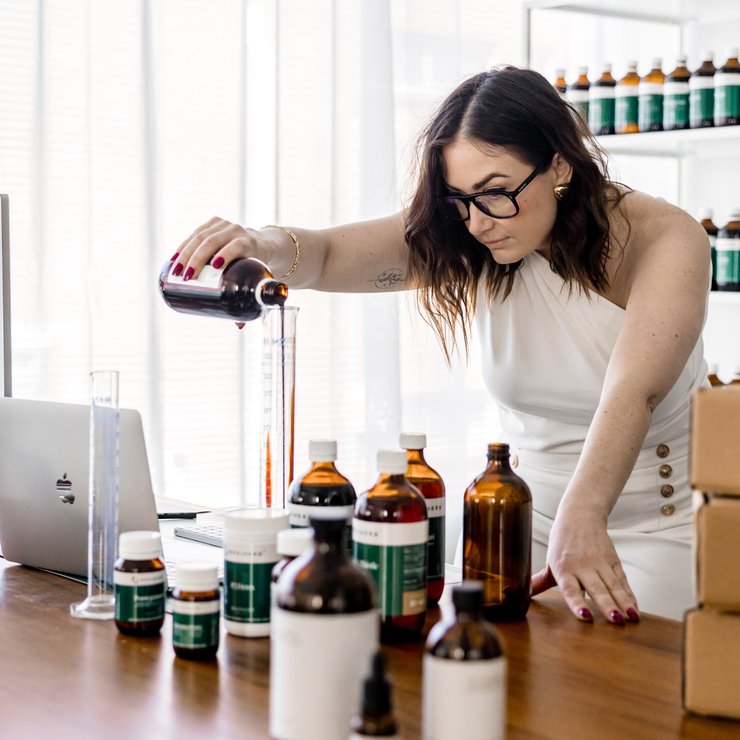
if you would like a more personalised starting point for supporting your reproductive health, our clinical team can help. Our Naturopaths are based in Liverpool, Sydney and offer consultations online across Australia.
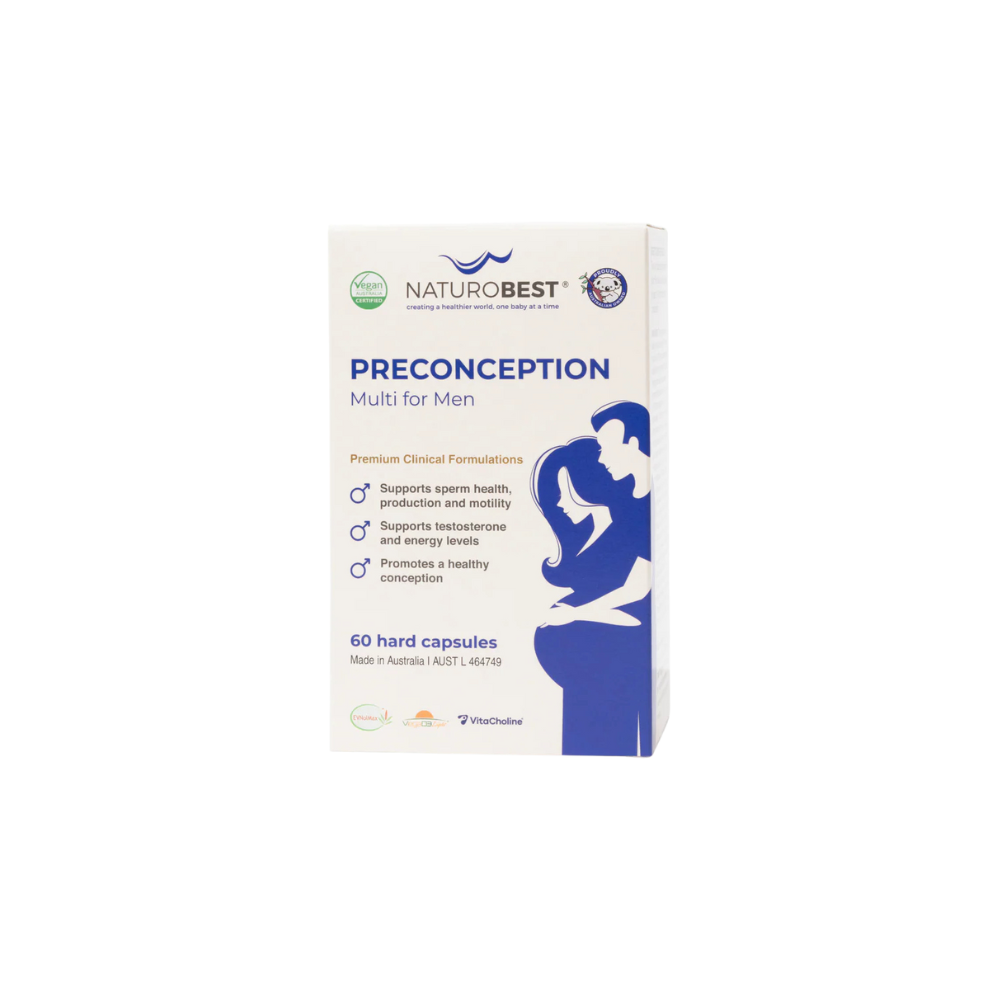
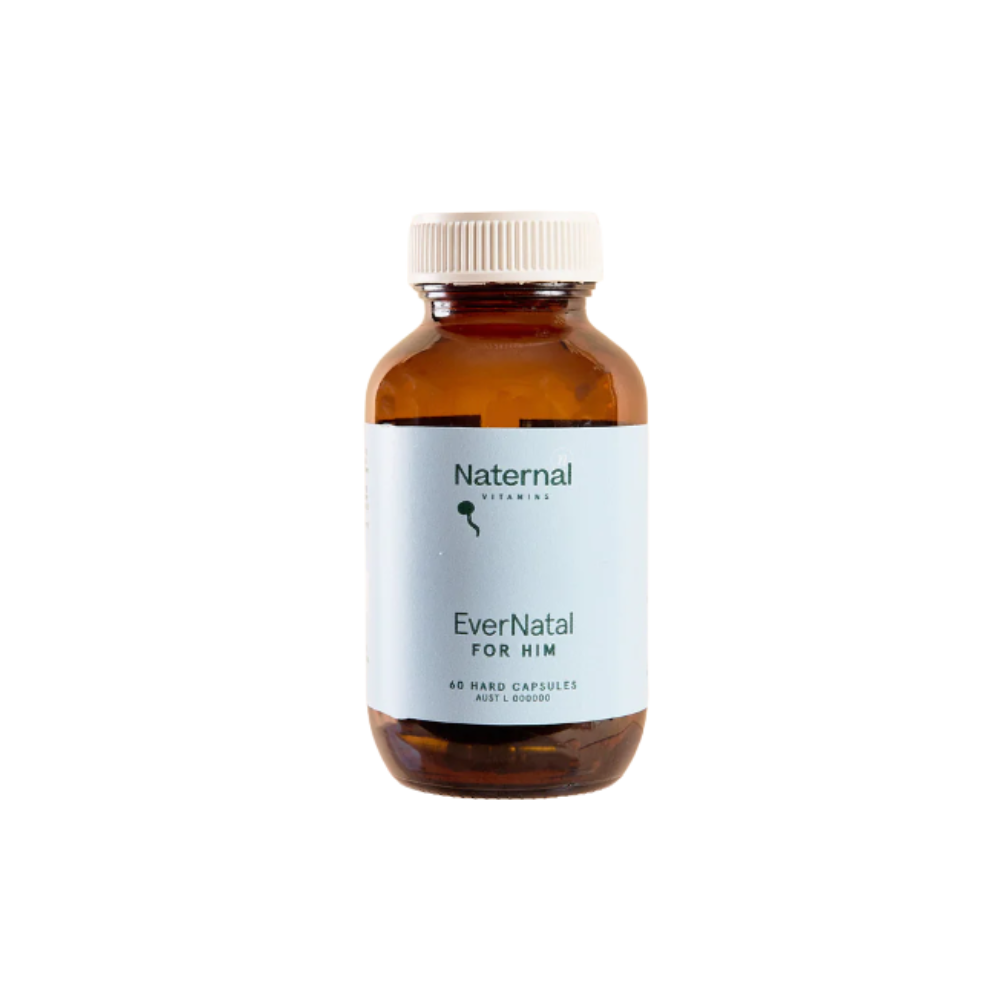
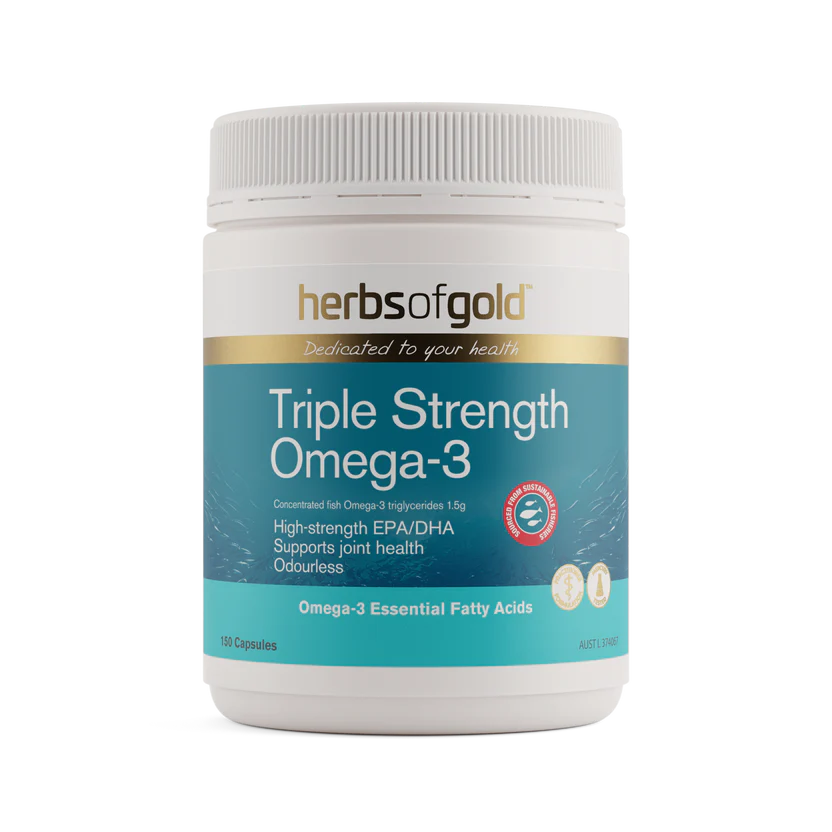
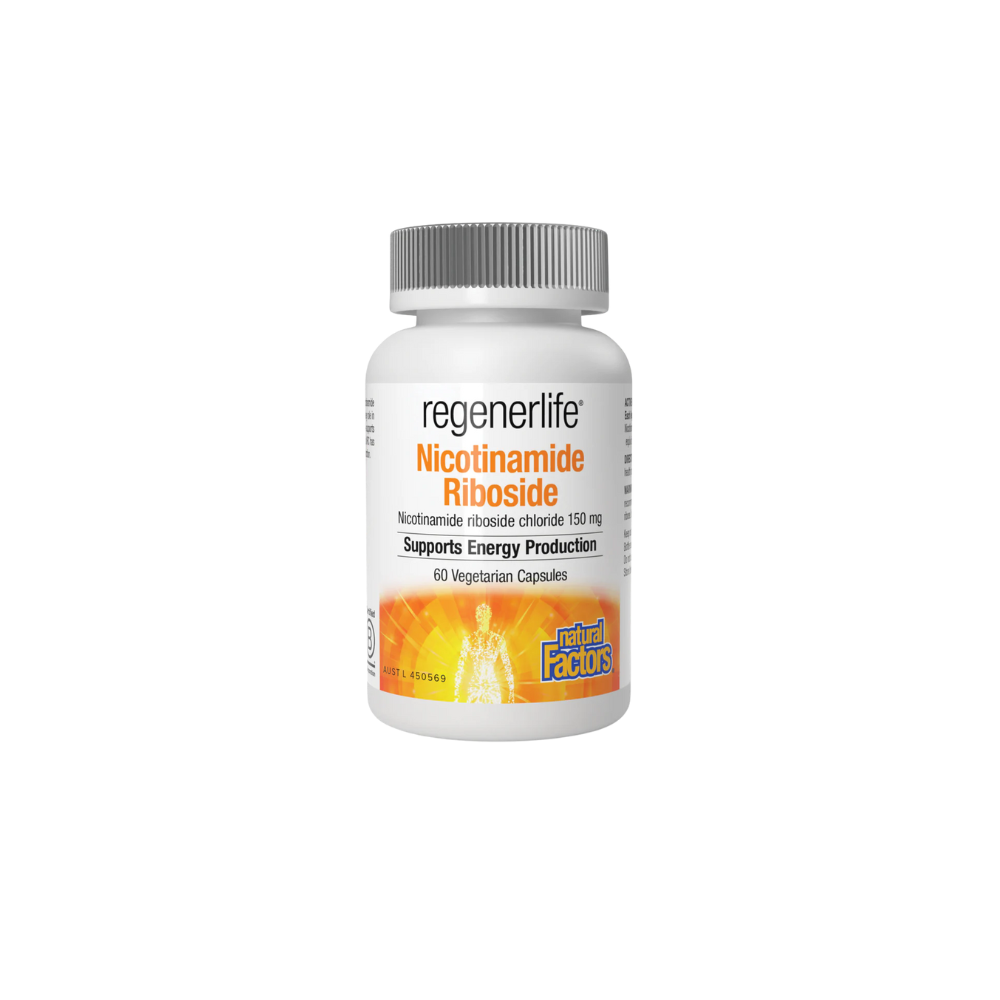

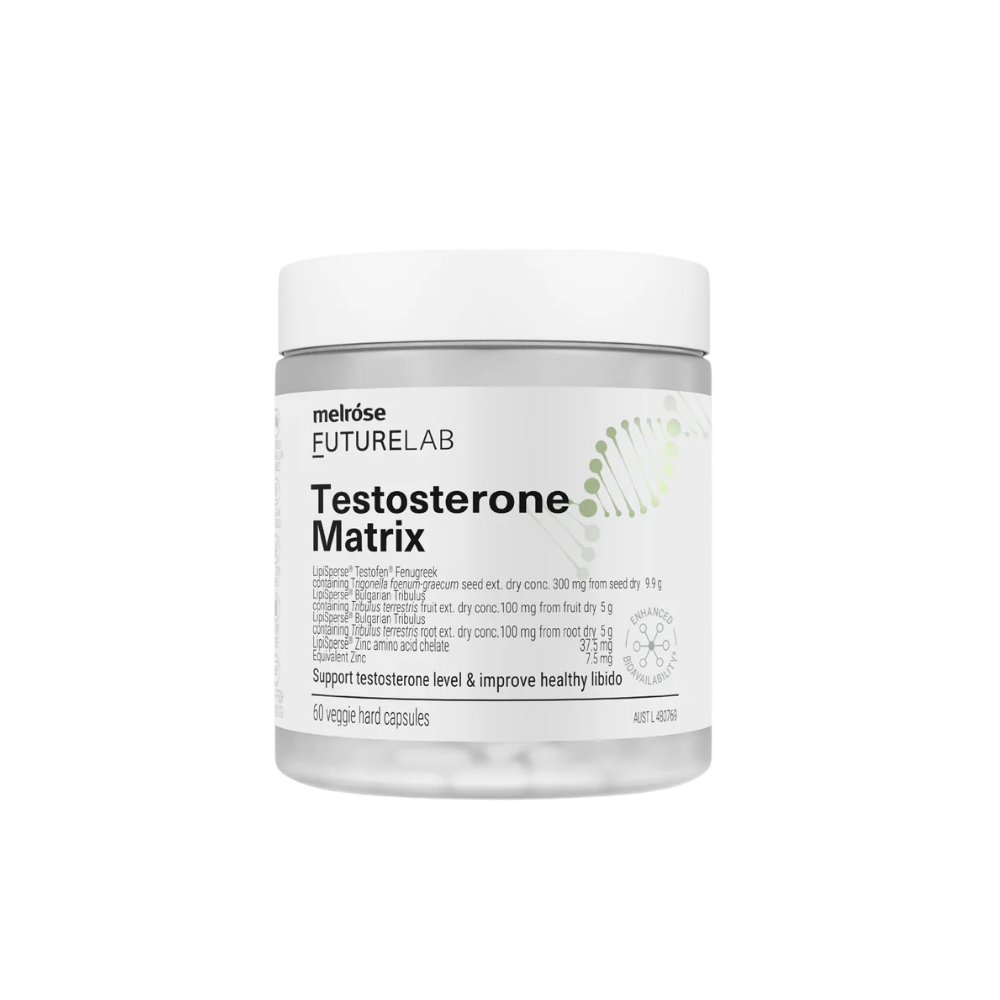
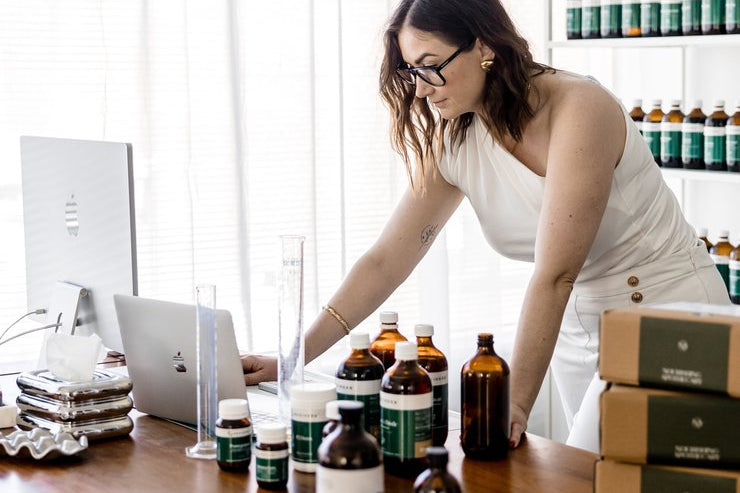
What may affect male fertility
Sperm health is assessed across several parameters, including count, motility, morphology, and DNA fragmentation, and problems with any one of these can affect the ability to conceive or contribute to early pregnancy loss. What is less commonly understood is that sperm are highly sensitive to the broader environment they develop in. Oxidative stress, nutritional deficiency, heat exposure, alcohol, tobacco, environmental toxins, and elevated inflammation all affect sperm production and quality in ways that are often underestimated.
Sperm take approximately 74 days to mature, which means changes made today take around three months to be reflected in a semen analysis. This is both the challenge and the opportunity. With a consistent, well-targeted approach over a 90-day window, changes in sperm parameters are possible for many men. Understanding which factors are contributing to the concern is the first step toward addressing it.
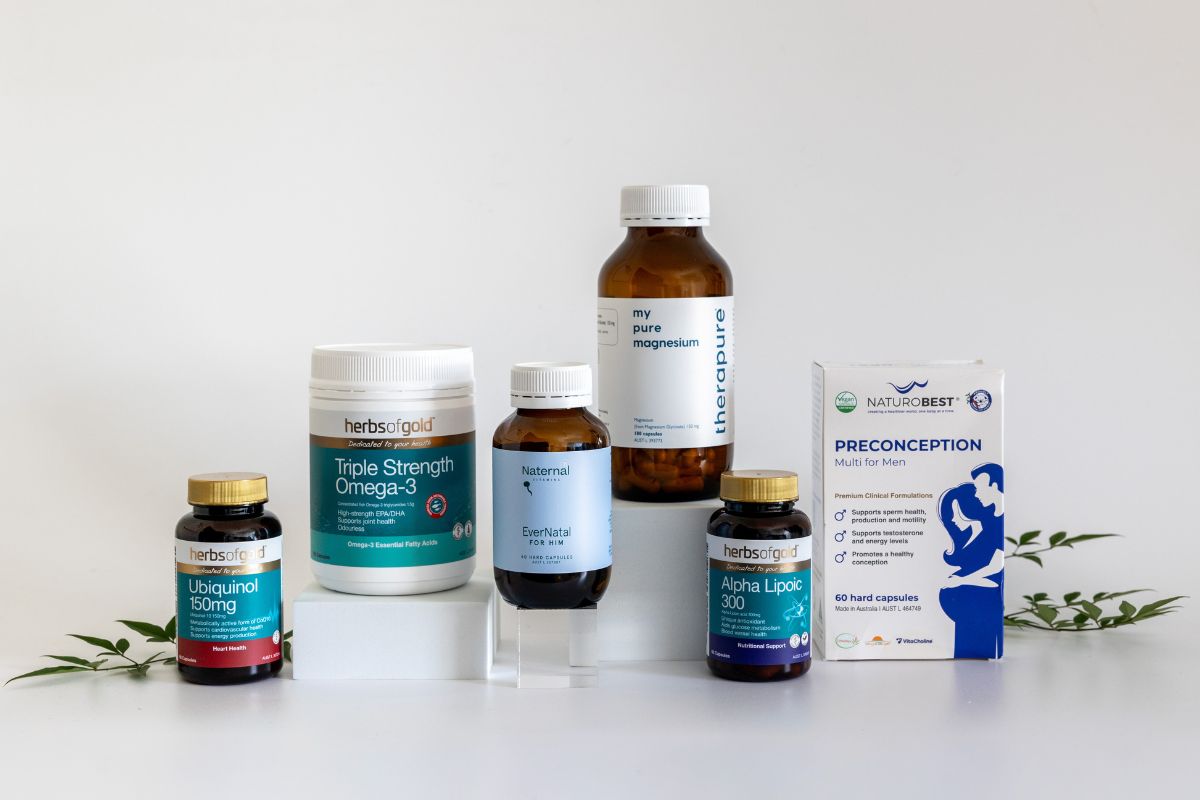
What naturopathic support looks like
Male reproductive health support works best when it is specific to what is actually contributing to the picture, rather than a generic combination of supplements taken on the assumption that more is better. The products in this collection are naturopath-selected to target the key physiological areas that influence sperm production and reproductive function. Our clinical team also offers consultations for men who want a more personalised assessment of where to focus.
Support may include:
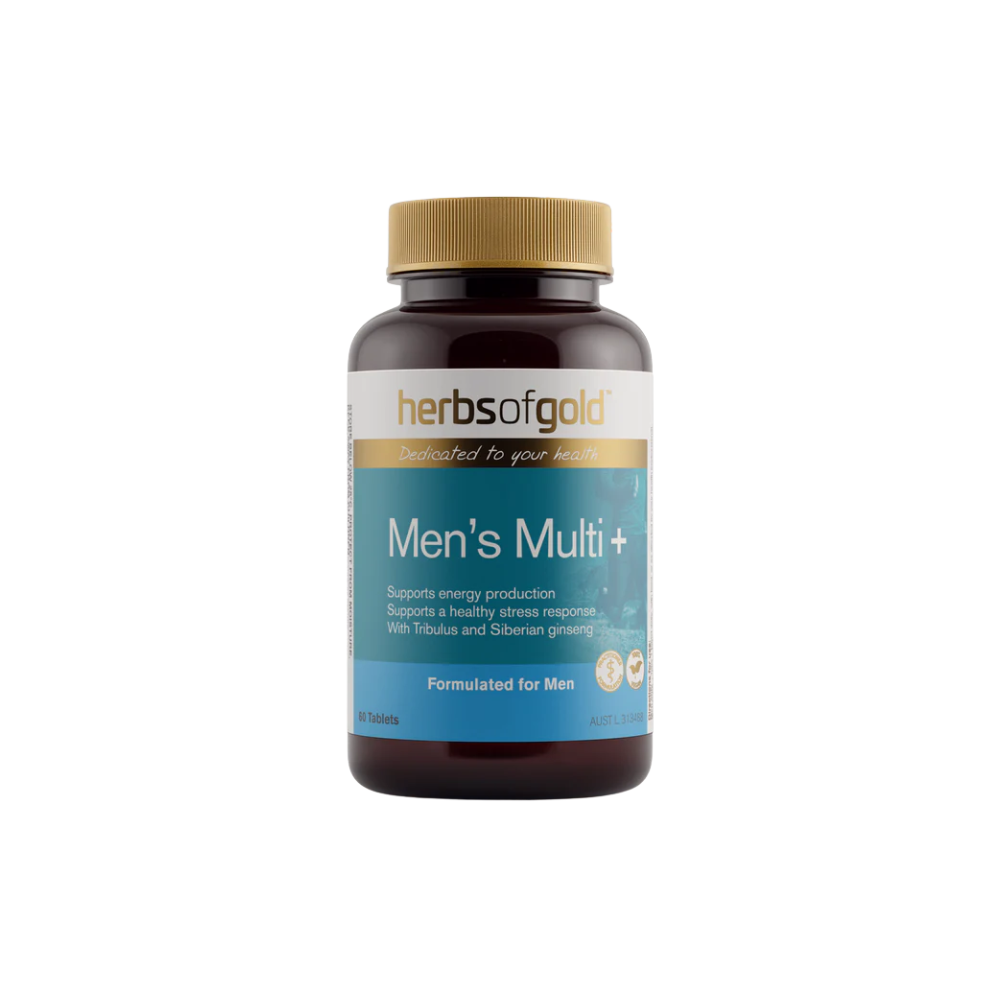
- Nutritional support relevant to sperm production, including key antioxidant and mineral nutrients
- Antioxidant support relevant to oxidative stress, which is recognised as a factor in sperm DNA integrity
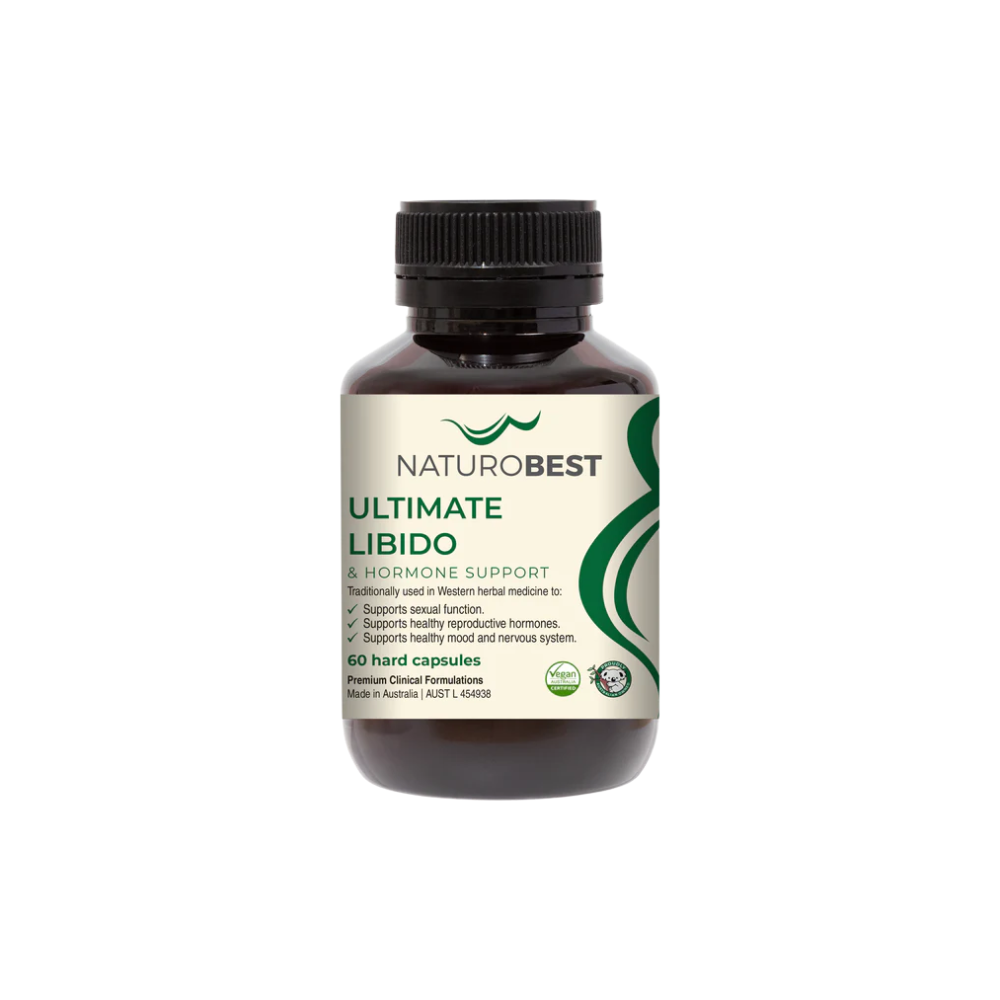
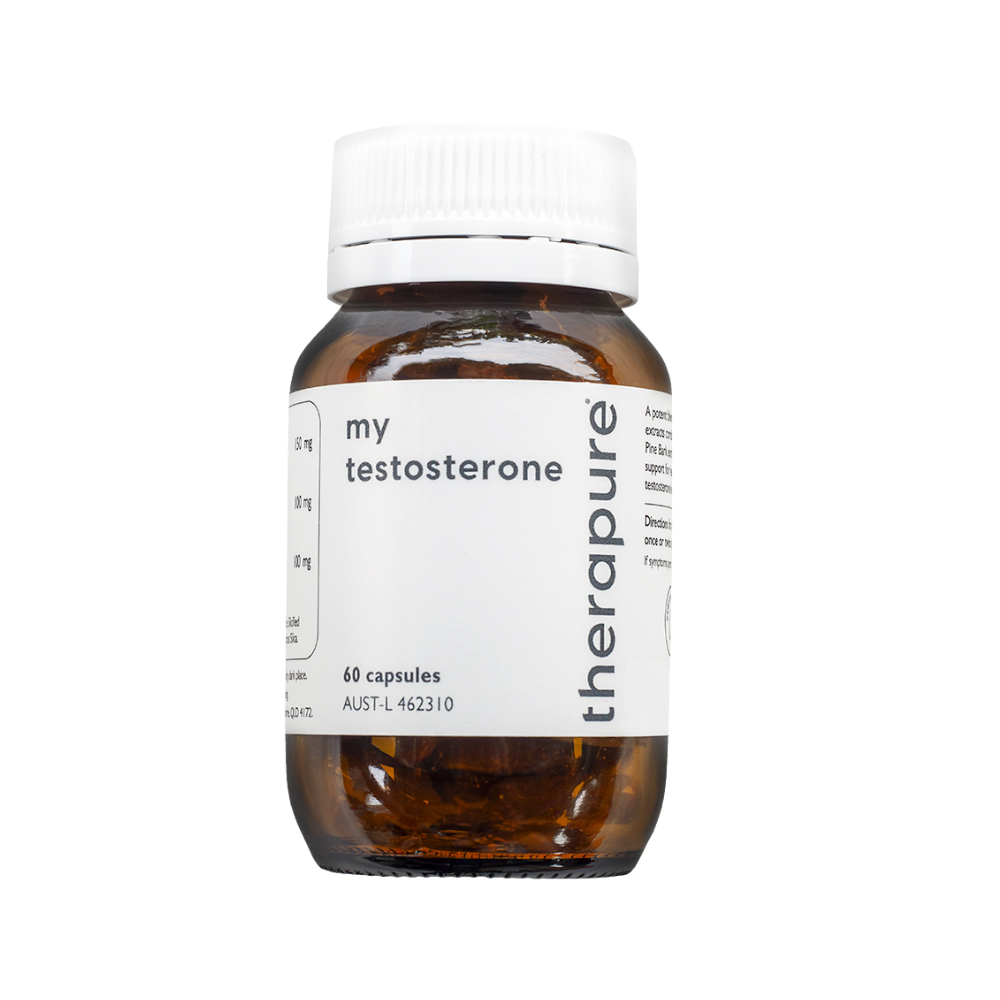
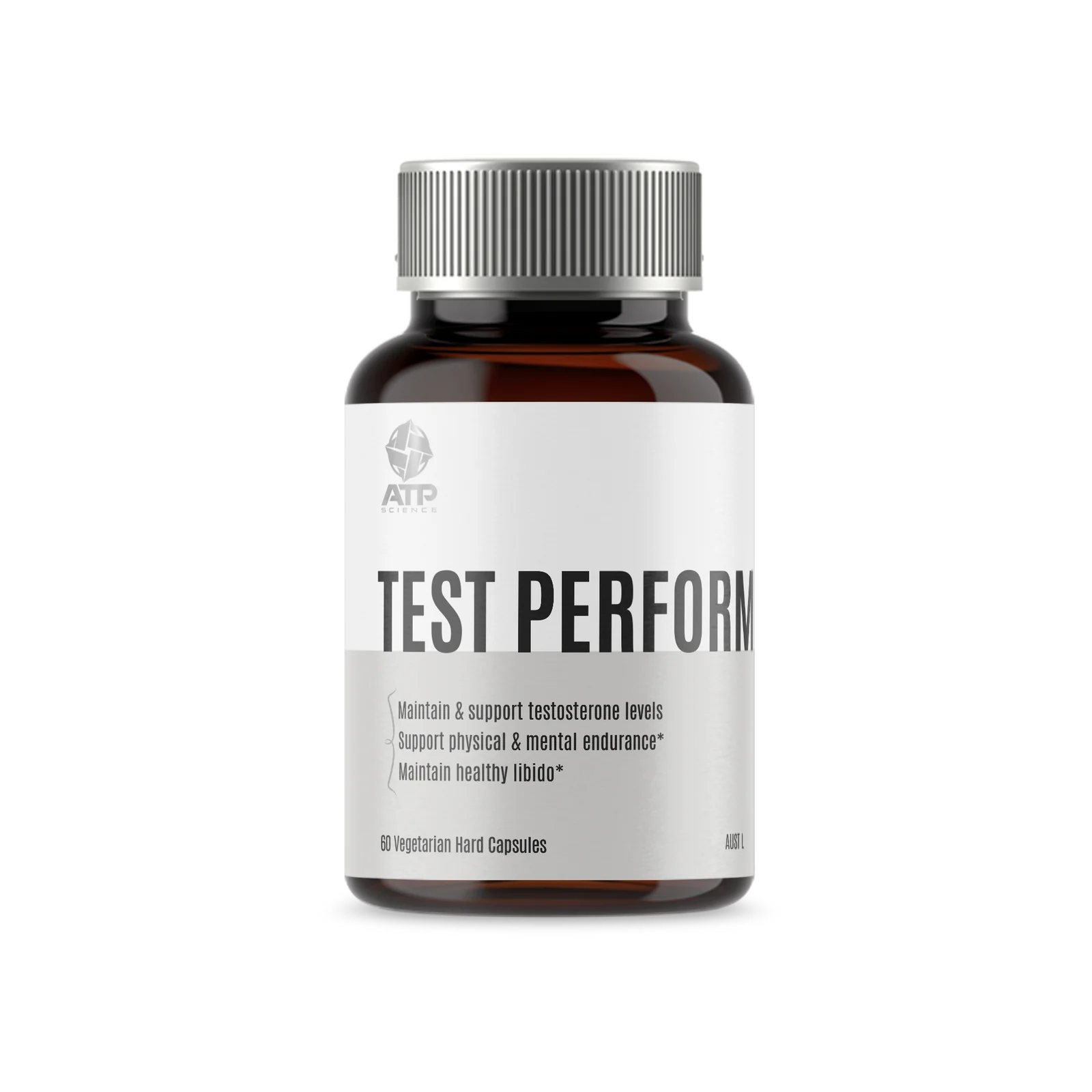
- Nutritional support for general hormonal wellbeing, relevant to sperm health
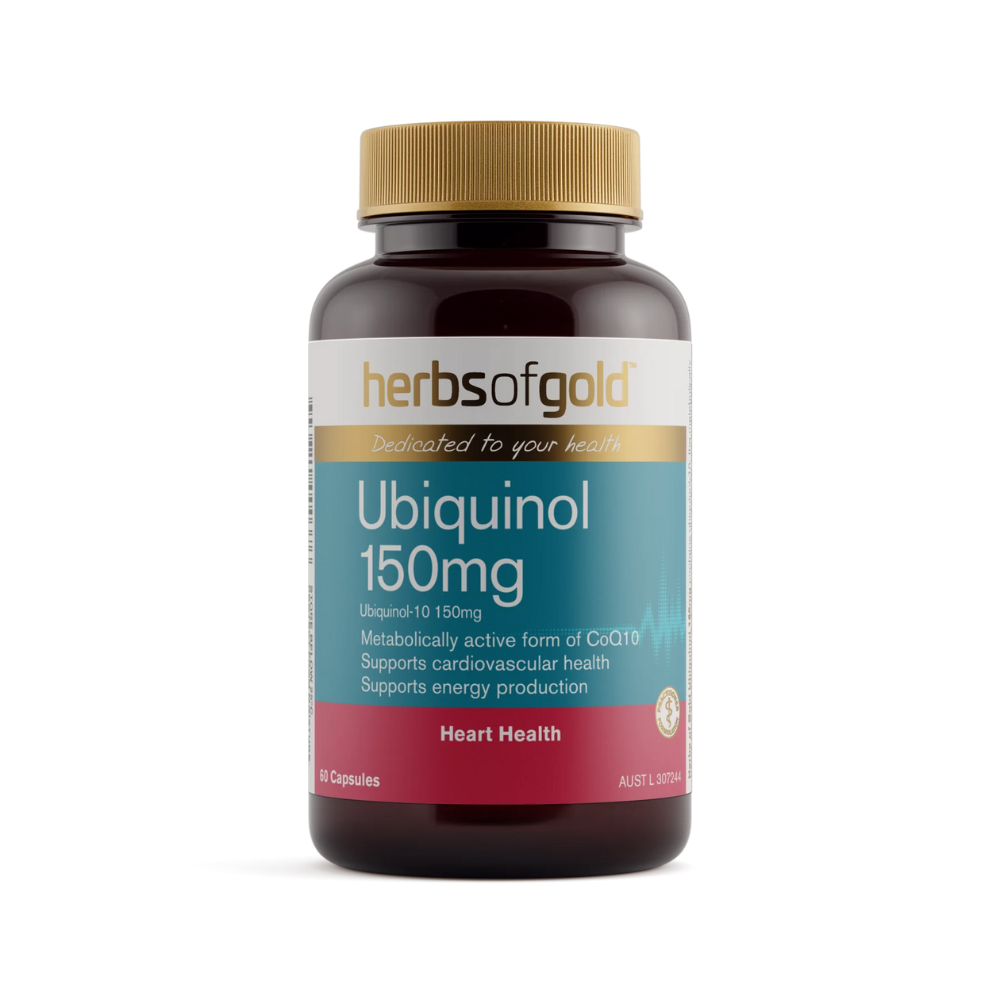
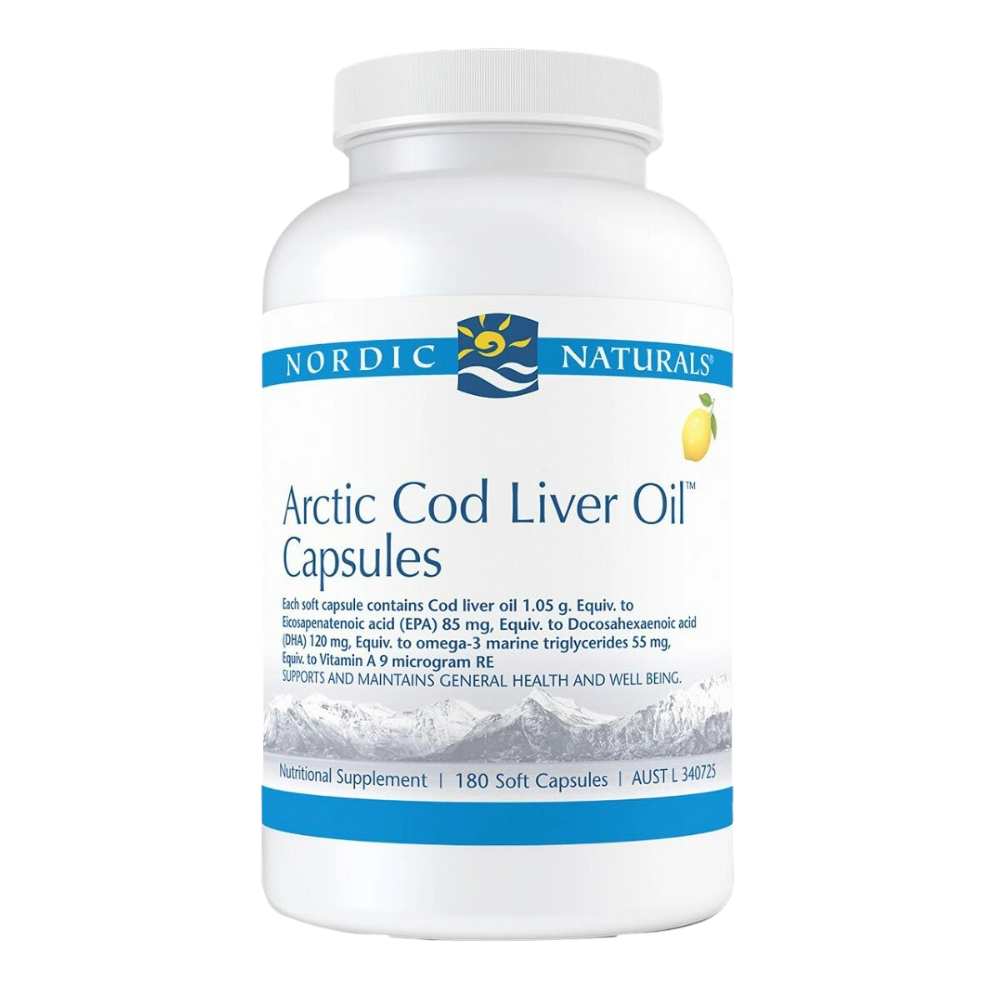
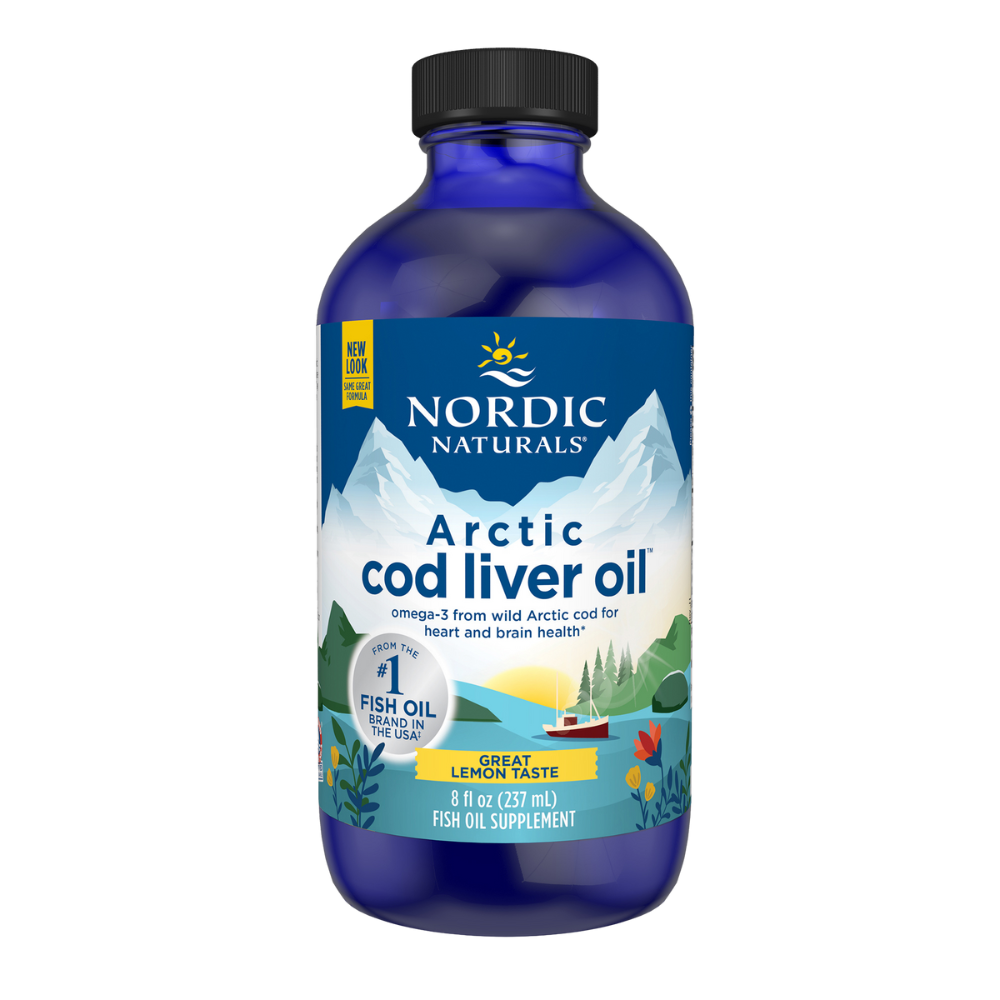
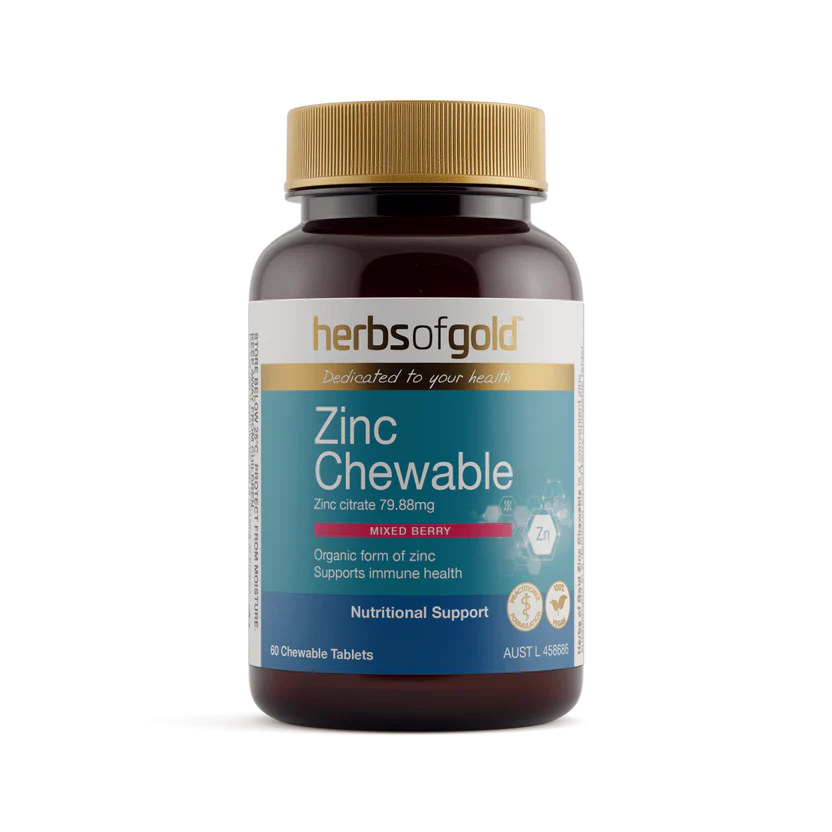
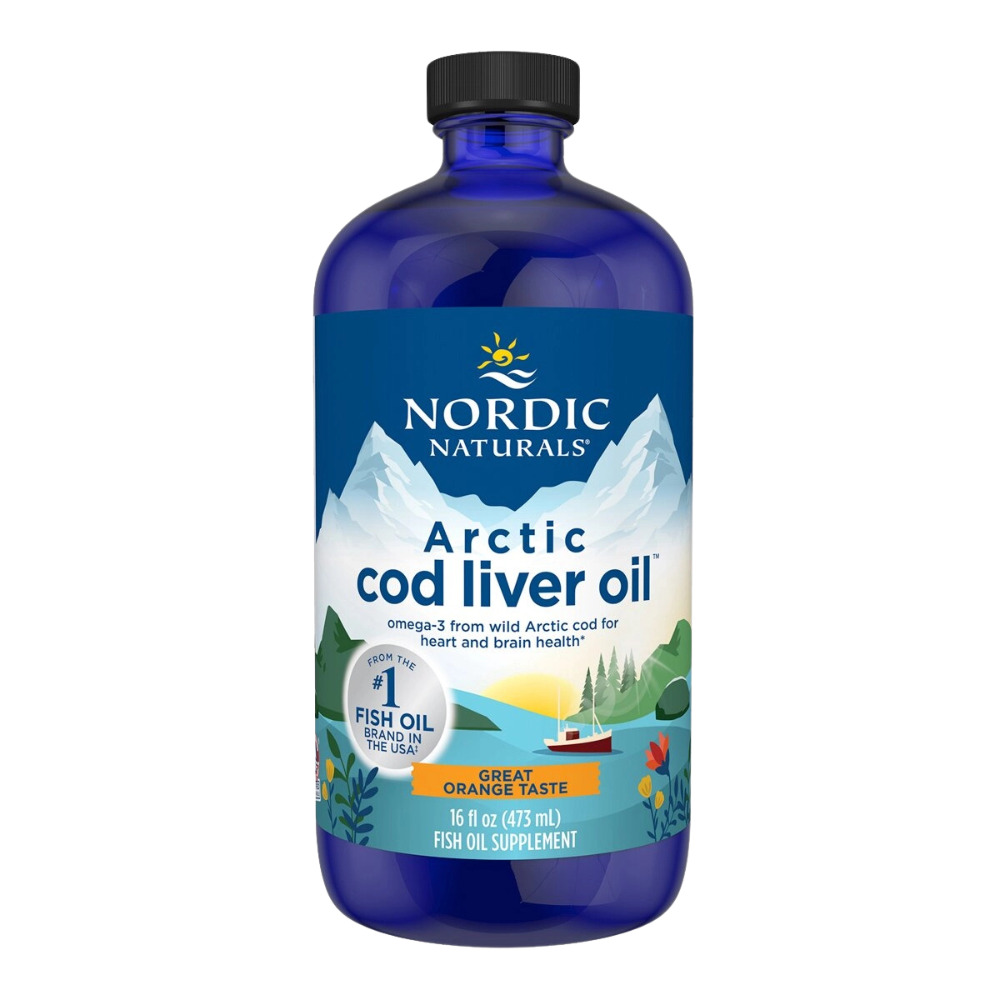
- Core nutritional foundations including consideration of zinc, selenium, CoQ10, vitamin C, vitamin E and omega-3 fatty acids based on your individual picture
The questions that come up most
To help you feel clearer about your next steps
What is a normal semen analysis result?
A standard semen analysis assesses sperm count, motility, morphology, volume and pH. Reference ranges are set by the World Health Organisation and applied by medical laboratories. Interpretation of your specific results is best discussed with your GP or fertility specialist. As Naturopaths, we look at your results in the context of your overall health and consider where supportive care may be relevant.
Can sperm health be supported through nutrition and lifestyle?
Sperm production occurs continuously over a roughly 74-day cycle, which means the lead-up window is a meaningful time to focus on nutrition and lifestyle. Areas commonly considered in naturopathic care include nutrient status, antioxidant support, lifestyle factors and reducing exposure to known stressors. A consistent three-month window is generally needed before any changes would be reflected in a follow-up analysis.
What nutrients are most relevant for sperm health?
Nutrients commonly considered in male reproductive health include zinc, selenium, CoQ10 (ubiquinol), vitamin C, vitamin E, folate and omega-3 fatty acids. These are commonly considered for their roles in antioxidant balance, mitochondrial health and DNA integrity research. Individual nutrient requirements vary, which is why a blanket supplement approach does not always suit everyone, and testing first allows for more targeted recommendations.
What is sperm DNA fragmentation and why does it matter?
DNA fragmentation refers to damage in the genetic material carried within a sperm cell. Research has explored its role in fertility outcomes, and it is sometimes assessed in cases of unexplained infertility or recurrent pregnancy loss. It is not part of a standard semen analysis and requires a specific test, which your GP or fertility specialist can order. Antioxidant support is one area naturopathic care may consider for men interested in reducing oxidative load.
How does heat exposure affect sperm?
Sperm production requires a temperature slightly below core body temperature, which is why the testes sit outside the body. Sustained heat exposure through tight underwear, laptop use on the lap, frequent hot baths, or occupational exposure can elevate scrotal temperature. Reducing unnecessary heat exposure is a commonly suggested lifestyle adjustment for men who want to support their sperm health.
Does alcohol affect male reproductive health?
Regular alcohol consumption has been studied in relation to male reproductive health, with effects that are typically dose-dependent. Heavier consumption tends to be more significant. Reducing alcohol intake in the three months prior to a planned conception attempt or fertility procedure is a commonly suggested lifestyle adjustment, and one your GP or fertility specialist may also recommend.
How long should I allow before expecting to see changes?
Because sperm take approximately 74 days to mature, changes from nutritional or lifestyle adjustments are not typically reflected in a semen analysis for at least three months. A consistent three-month window is generally the minimum useful timeframe, with follow-up testing after this period giving the clearest picture of any changes. This is why starting well in advance of a planned conception attempt or fertility procedure is often recommended.
When should a man seek specialist assessment?
Standard medical guidance suggests assessment after twelve months of trying to conceive without success, or six months if the female partner is over 35. For men, this typically begins with a semen analysis arranged through a GP. Earlier assessment is appropriate if there is a known history of varicocele, undescended testes, previous groin surgery, hormonal conditions, or a prior abnormal result. Naturopathic consultation can sit alongside medical investigation and is not a substitute for it.
Should both partners attend an initial consultation?
We often recommend that both partners attend an initial consultation, particularly when there is no clear diagnosis to work from or when you are taking a proactive approach to preconception. Looking at both bodies gives us a fuller picture and means we can support each of you with care that is tailored to your individual circumstances.
Can naturopathic care work alongside IVF or IUI for the male partner?
Yes. Many of our clients work with us in the months leading up to assisted reproductive treatment. Because sperm production takes around three months, this preparation window is when naturopathic and lifestyle support is most relevant. We work alongside your medical team rather than in place of it, and we encourage open communication with your fertility specialist.