
Weight loss resistance
Naturopathic support for the physiology underneath weight that won't shift
When trying harder hasn't been the answer
You're eating less. You're moving more. You've tried the programs, the apps, the diets that worked for everyone else. But the scale isn't responding, or you lose a little only to regain it the moment life loosens up. You've started to wonder whether your body is just different - and you're tired of being told to try harder.
Weight loss resistance is a physiology issue, not a willpower issue. There are real, identifiable drivers underneath, and addressing those drivers is far more useful than intensifying an approach that's already not working.

WHEN WE CAN HELP
Some of the patterns we see...
You eat less, move more, and the scale doesn't move
Caloric deficit is necessary for weight loss, but it isn't always sufficient. If your body isn't accessing stored fat efficiently, if your metabolic rate has dropped, or if hormonal factors are working against you, deepening the deficit usually doesn't fix it. It often makes it worse.
You lose weight initially, plateau quickly, then regain it all back
Initial losses often come from water and glycogen depletion, not fat. The plateau that follows is your body adapting to defend its set point. The regain afterwards is your body's attempt to return to where it was, often more efficiently than before. This is physiology, not personal failing.
Your weight sits around the middle and feels disproportionate to intake
Visceral fat - the kind that accumulates around the abdomen - is hormonally and metabolically active in ways that subcutaneous fat isn't. It responds more to stress, sleep, insulin and inflammation than it does to calorie counting alone, and addressing the underlying drivers is often what shifts it.
Restriction triggers intense hunger, fatigue, or mood changes you can't ignore
Significant caloric restriction sets off a cascade of hormonal and neurological responses designed to protect your body weight. Hunger gets sharper, mood drops, energy falls. This isn't weak resolve; it's a homeostatic mechanism doing exactly what it evolved to do.
Years of yo-yo dieting have left your metabolism feeling stuck
Each cycle of significant restriction followed by return to normal eating tends to reduce metabolic rate, lose muscle, and strengthen the body's defence of weight. This is documented in research as adaptive thermogenesis, and it explains why each subsequent diet feels harder than the last.
A hormonal issue is in the mix but hasn't been addressed
Hypothyroidism, PCOS, insulin resistance, perimenopause; any of these may make weight loss significantly harder if they aren't being addressed. The metabolic side and the hormonal side aren't separate, and treating them together tends to be far more effective than treating either alone.
Weight loss resistance is a physiology issue, not a willpower issue. Physiology is something we can actually work with.
If you're tired of trying harder at the same thing and you'd like a clearer picture of what's actually getting in the way, a discovery call is the easiest first step. We'll listen to what you've already tried, talk through what may be contributing, and let you know whether working with us is a good fit. Free, 15 minutes, no obligation.





How weight loss resistance actually works
Body weight is regulated by a homeostatic system designed to defend a set point. Hormones including leptin, ghrelin, insulin, cortisol, thyroid hormones and oestrogen all play a role in signalling whether your body should store or release energy, and how efficiently it should burn what you eat. When this system is balanced, weight tends to respond reasonably to dietary changes.
When it's not, things look different. Years of restrictive dieting, chronic stress, poor sleep, hormonal shifts and underlying conditions like insulin resistance, hypothyroidism or PCOS can each shift the set point upward and reduce metabolic rate beyond what calories alone would predict. Your body becomes increasingly efficient at conserving energy and increasingly resistant to releasing stored fat. This is well-documented in research as adaptive thermogenesis, and it's why each subsequent diet often feels harder than the last.
The most useful thing to know is that the drivers behind weight loss resistance are physiological, not personal. They respond to targeted intervention focused on what's actually getting in the way; hormonal patterns, metabolic function, sleep, stress, gut health; rather than to deeper caloric restriction.

A clinical-first approach to weight loss resistance
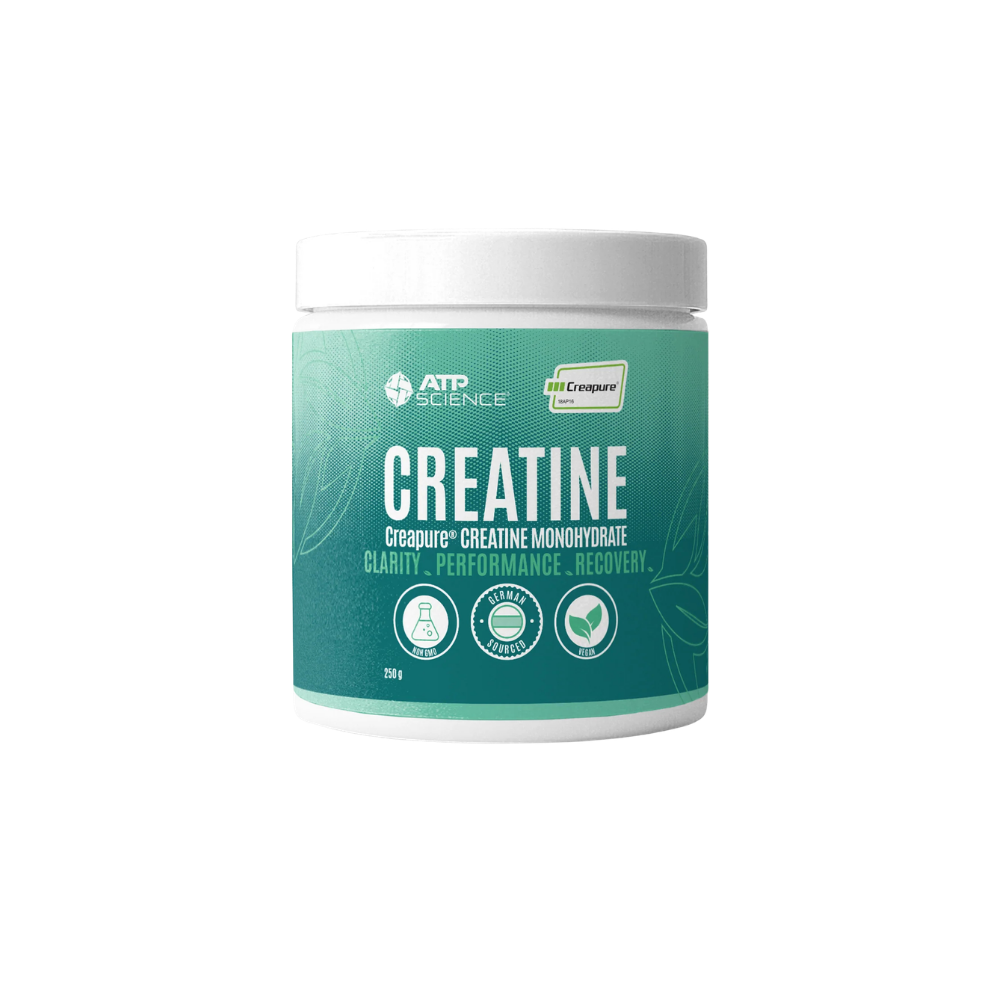
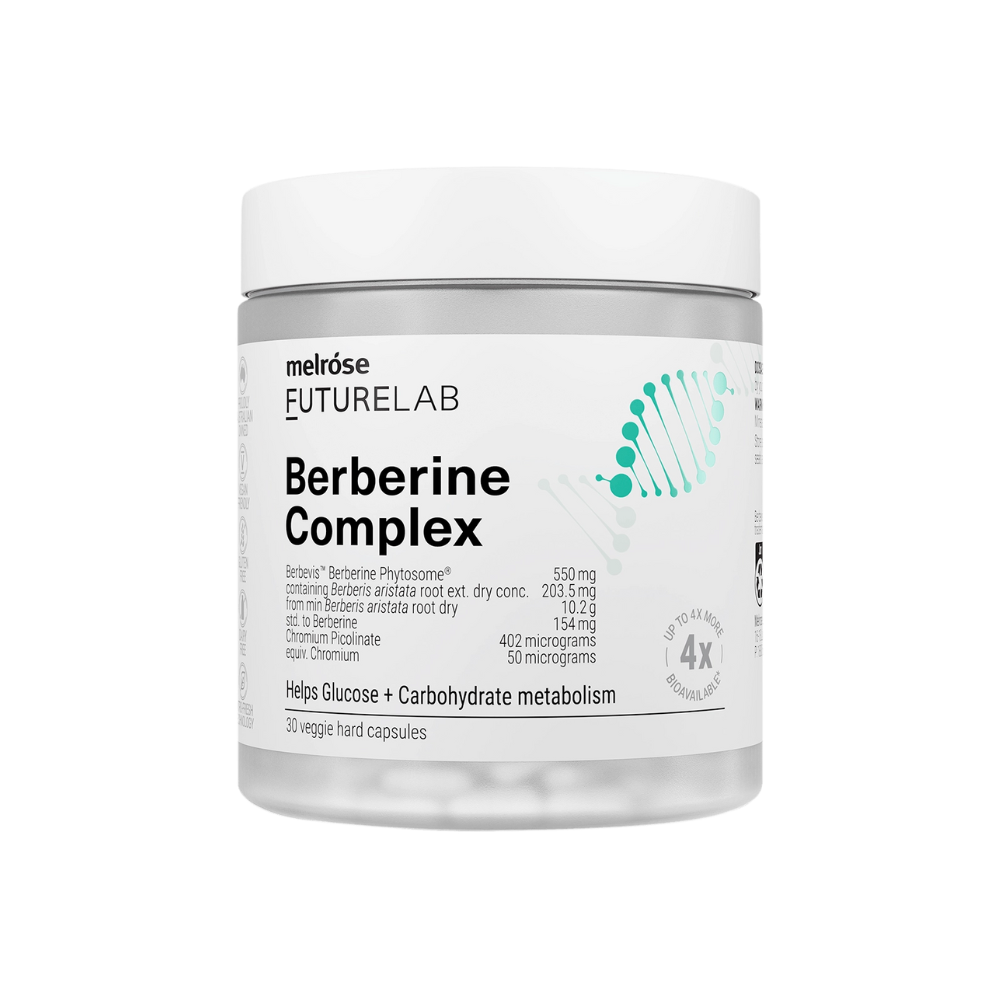
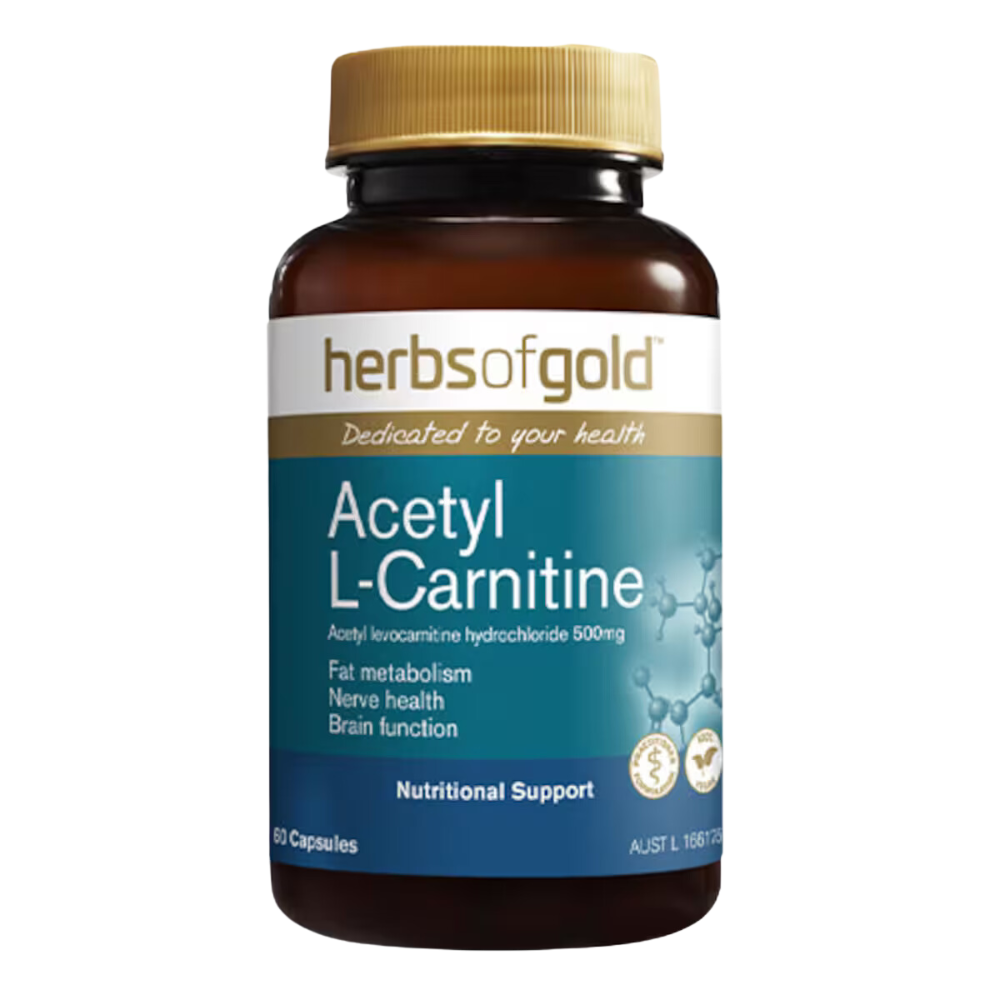
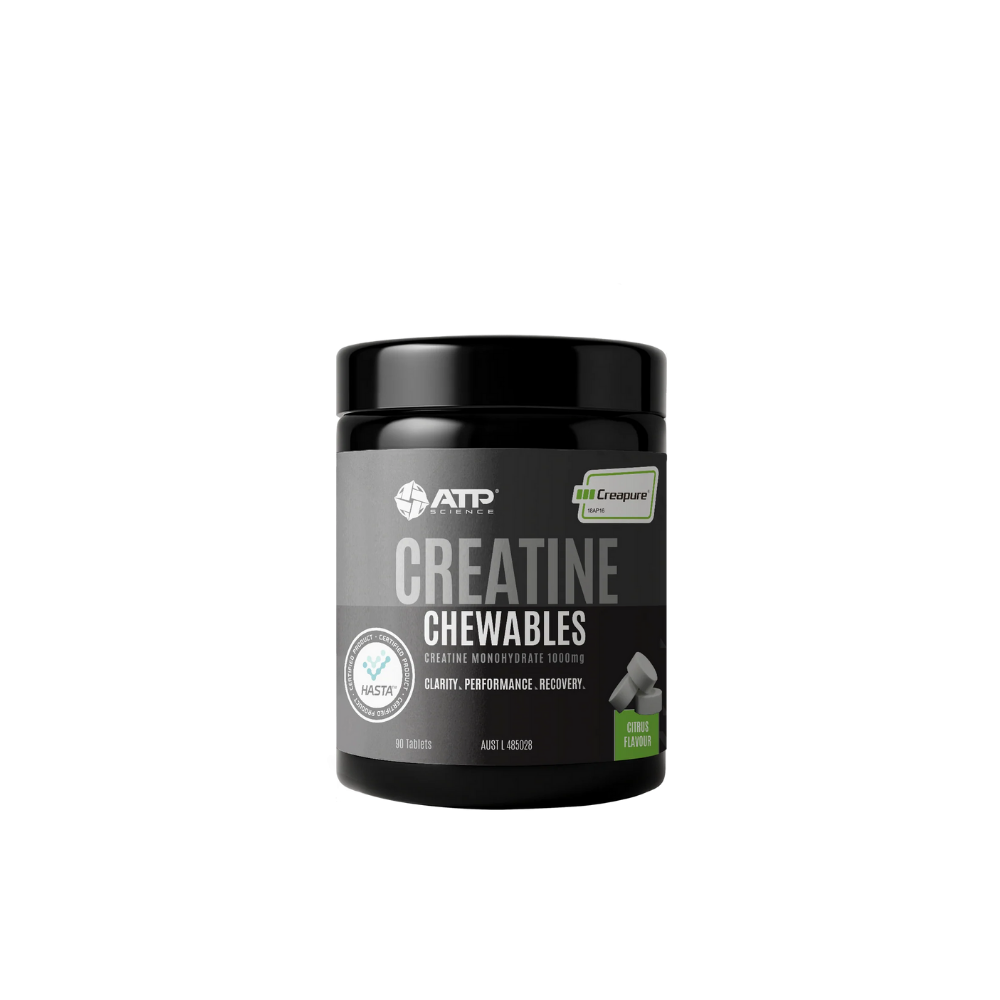
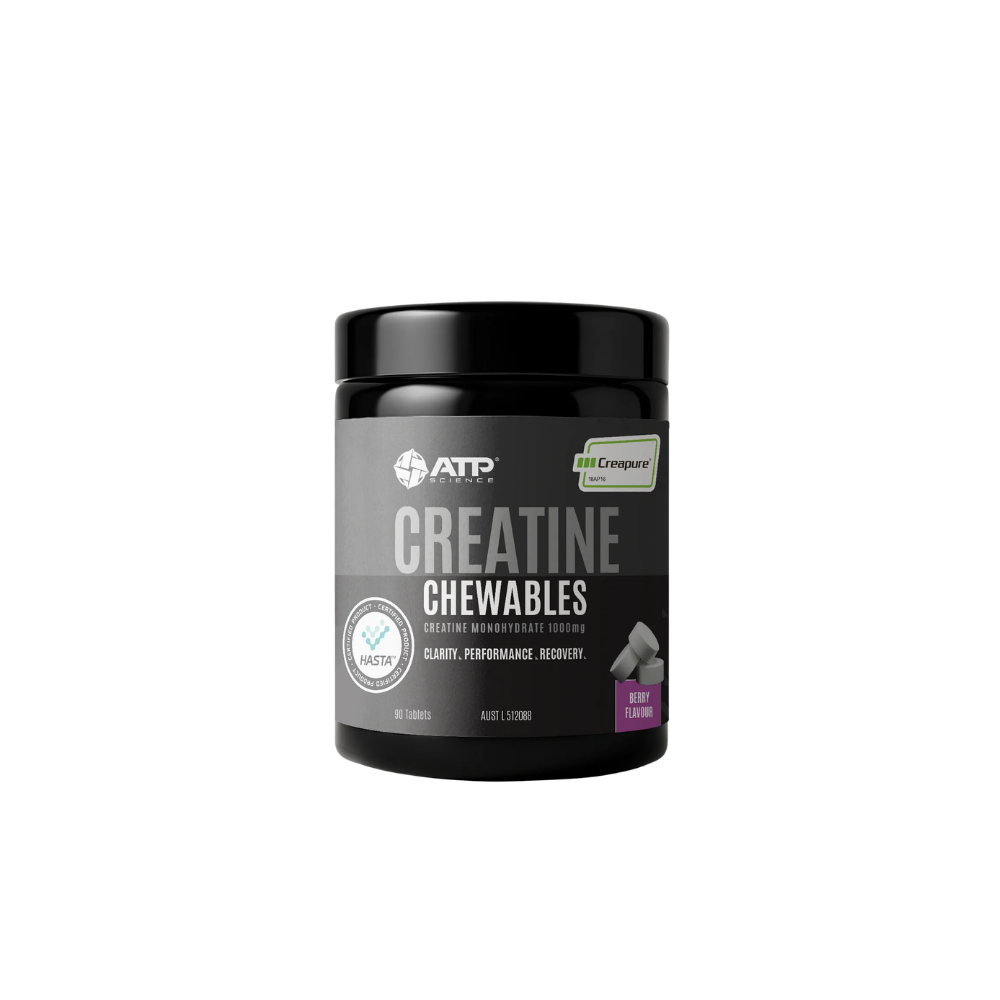
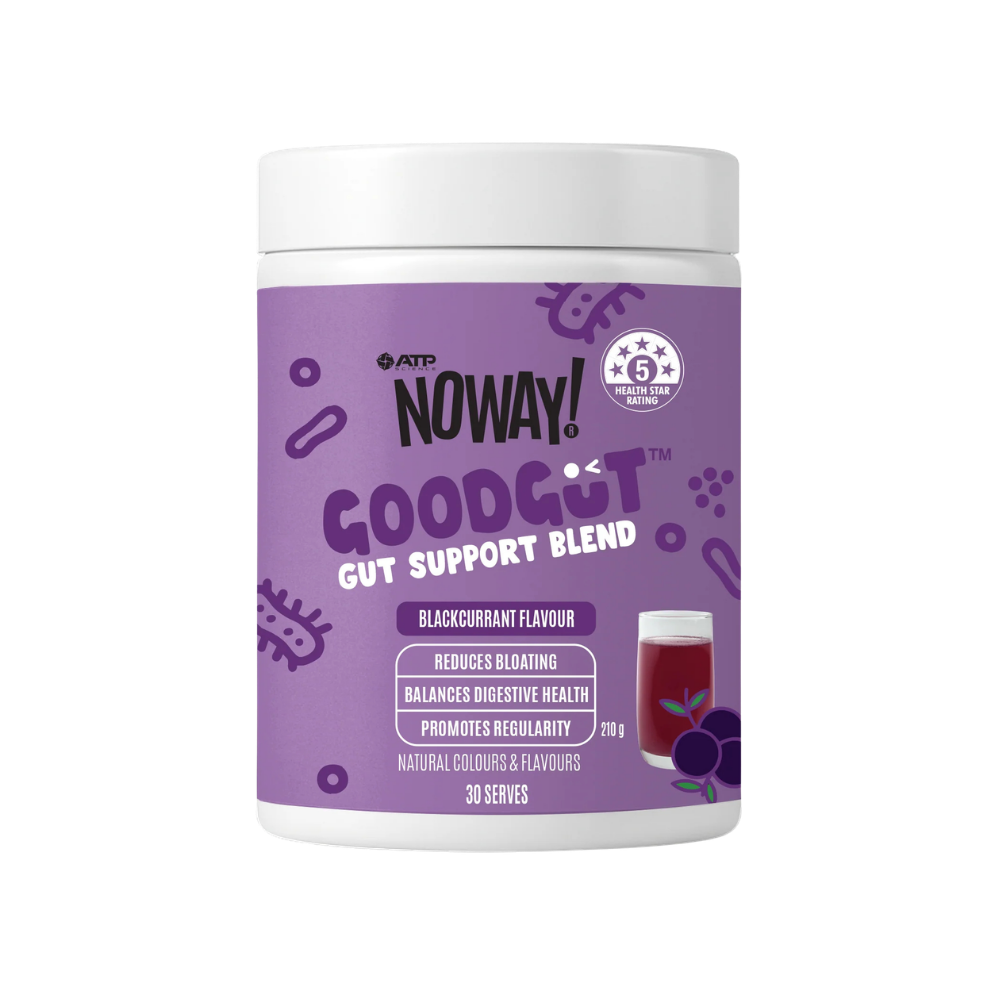
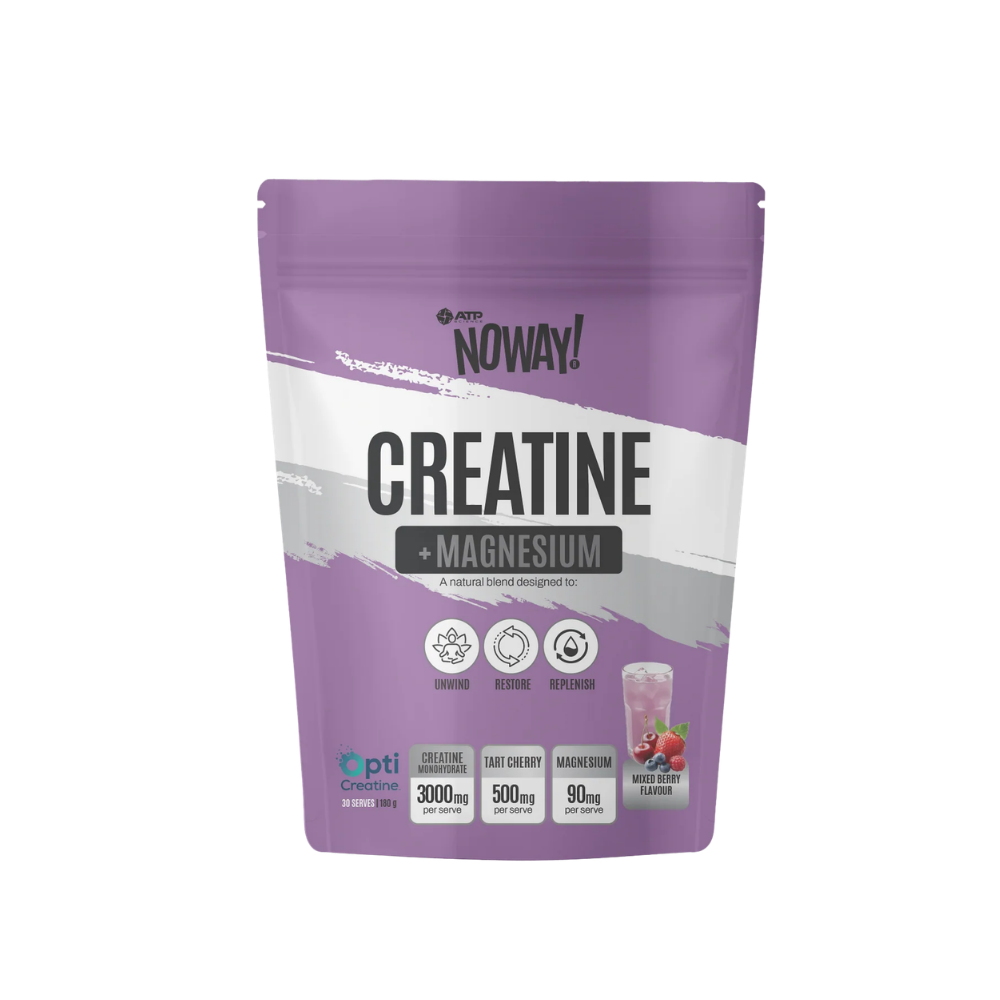
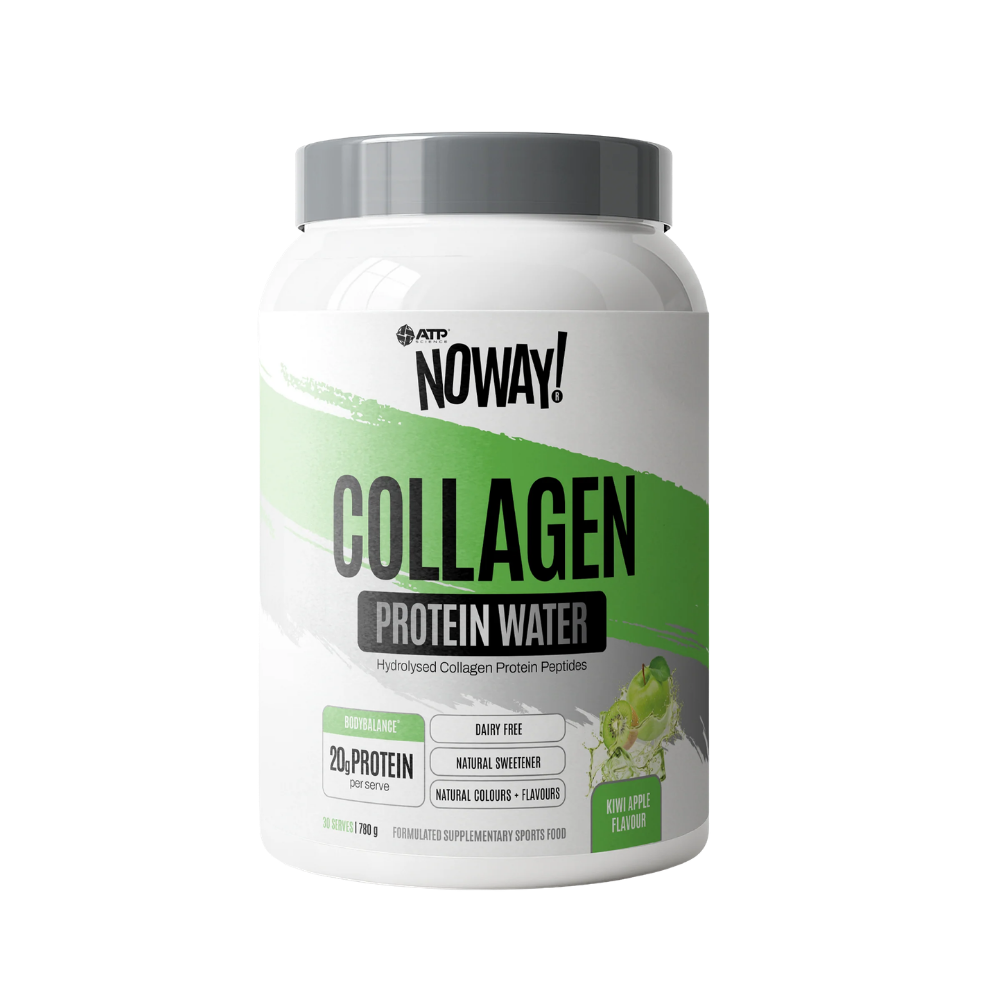
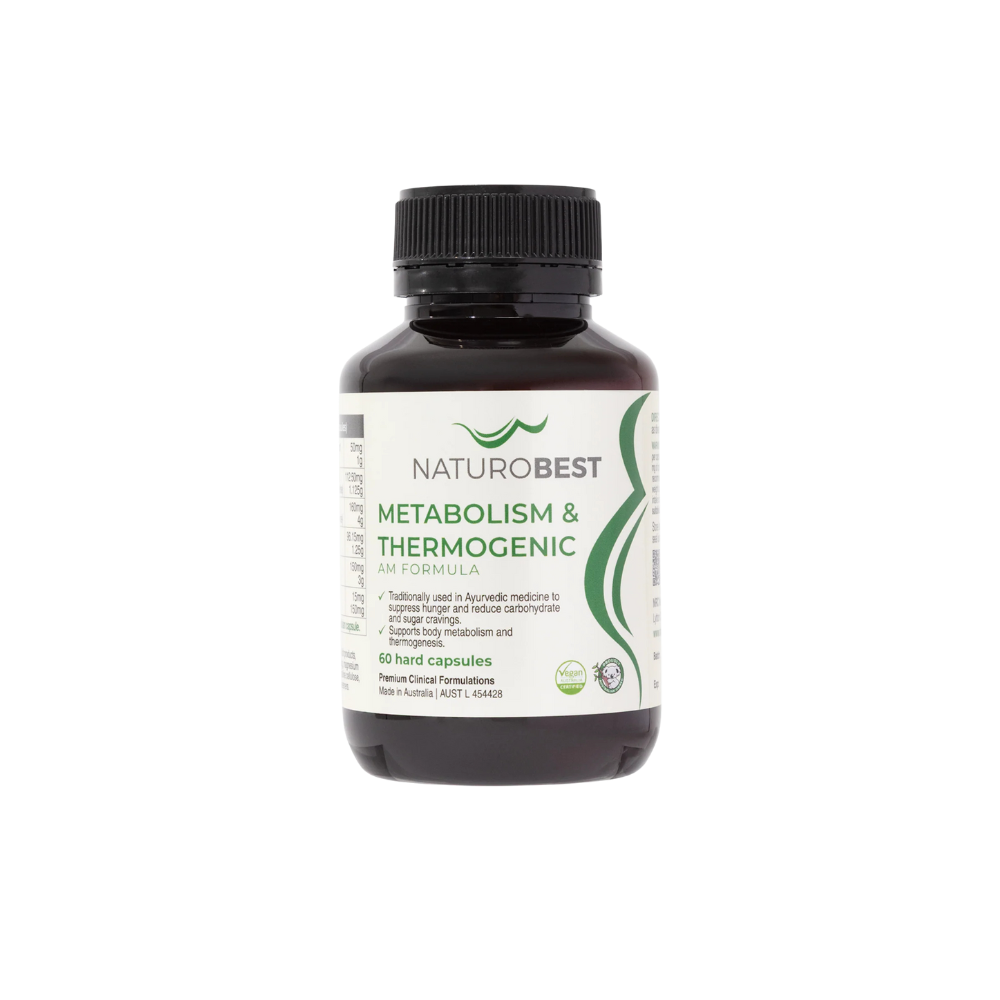
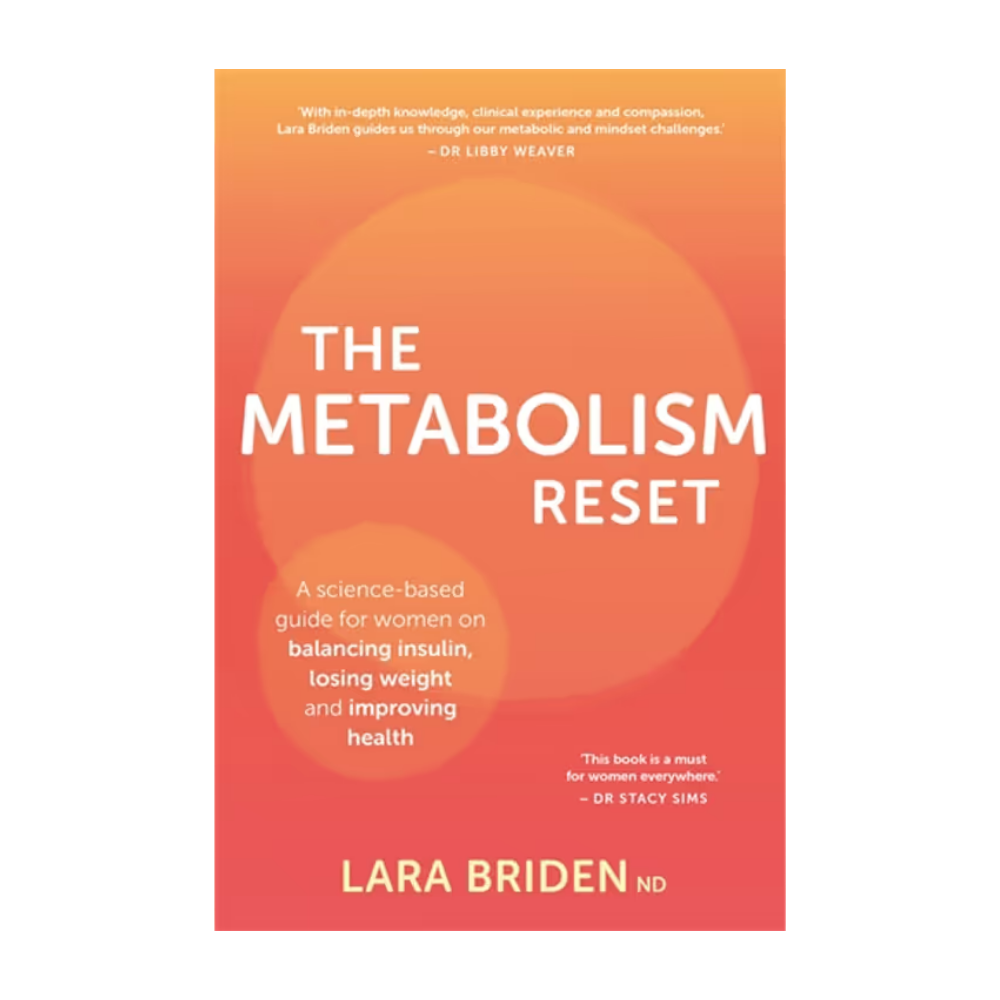
We don't sell appetite suppressants, and we don't recommend ever-deeper calorie restriction. Support for weight loss resistance is most useful when it targets the specific physiological mechanisms keeping your body from responding. The Naturopath-selected collection below addresses the most clinically relevant drivers, with an emphasis on supporting your metabolic function rather than overriding it.
You'll find support across:
- Insulin sensitivity and blood sugar regulation, the most common physiological barrier to fat mobilisation
- Appetite hormone support, including leptin sensitivity, GLP-1 activity and ghrelin signalling
- Thyroid and adrenal support, given their role in metabolic rate and stress-driven fat storage
- Gut microbiome support, addressing appetite hormones, fat extraction and systemic inflammation
- Mitochondrial and cellular energy support, for the conversion of stored fat into usable energy
Common questions about weight loss resistance
To help you feel clearer about your next steps
Why am I not losing weight even though I'm eating at a calorie deficit?
A caloric deficit is necessary for weight loss, but not always sufficient on its own. When insulin is chronically elevated, your body preferentially stores fat and may not access it efficiently for fuel, even when you're in a deficit. Elevated cortisol from chronic stress or poor sleep promotes fat storage and muscle breakdown at the same time. Low thyroid function reduces metabolic rate, which means a deficit calculated for a normal metabolic rate isn't actually a deficit for you. And leptin resistance means your brain may not accurately read satiety, making sustained restriction much harder. Addressing these drivers tends to produce better and more sustainable results than deepening the deficit.
What is adaptive thermogenesis and how does it affect weight loss?
Adaptive thermogenesis is the reduction in metabolic rate that happens in response to caloric restriction, beyond what would be predicted by lower body weight alone. Your body interprets a significant deficit as food scarcity and responds by lowering energy expenditure, reducing thyroid activity, lowering body temperature, decreasing spontaneous movement and increasing how efficiently it extracts energy from food. This is one of the main reasons prolonged dieting becomes progressively less effective, and why repeat dieters often find each attempt harder. Approaches that avoid severe restriction and prioritise adequate protein and resistance training may help mitigate the response.
Does stress contribute to weight gain?
Chronic stress raises cortisol, which has multiple effects relevant to weight. It promotes the deposition of visceral fat in the abdomen, breaks down muscle for glucose, stimulates appetite particularly for high-calorie foods, and reduces insulin sensitivity. Cortisol also suppresses thyroid function and growth hormone release, both of which influence metabolic rate and body composition. Stress-driven weight gain is real and well-documented. Stress management isn't an optional extra in metabolic health, it's a clinical foundation.
Can my thyroid be causing weight loss resistance even if my TSH is normal?
Yes. Thyroid hormones regulate metabolic rate, and even subtle impairment can make weight loss very difficult. TSH alone doesn't capture the full thyroid picture. Free T3, the active form of thyroid hormone that determines metabolic rate at the cellular level, can be suboptimal even when TSH looks normal, particularly if conversion from T4 to T3 is impaired. Thyroid antibodies, reverse T3 and the presence of Hashimoto's are additional factors worth assessing. A more complete thyroid panel is warranted if weight loss resistance is present alongside symptoms like fatigue, cold intolerance, hair loss or constipation.
What is the role of the gut microbiome in weight management?
Your microbiome influences body weight through several mechanisms. Different bacterial populations extract different amounts of energy from food, which means two people eating identical diets may absorb different caloric amounts. Gut bacteria produce short-chain fatty acids and metabolites that influence appetite hormones including GLP-1 and PYY. Imbalance in the microbiome is associated with increased intestinal permeability, systemic inflammation and impaired insulin signalling, all of which contribute to weight gain and resistance. Microbiome-targeted approaches, including specific probiotic strains and prebiotic fibre, have shown modest but meaningful effects on body composition.
Is weight loss resistance a sign of a medical condition?
Significant and unexplained weight loss resistance, particularly when paired with other symptoms, is worth investigating with your GP to rule out conditions including hypothyroidism, Cushing's syndrome, type 2 diabetes, polycystic ovarian syndrome, and medication side effects. In most cases though, weight loss resistance reflects a combination of physiological factors, dietary patterns, lifestyle variables and hormonal influences rather than a single diagnosable condition. Identifying any medical contributors first is an important step, and works best alongside Naturopathic support.
Can I buy products without booking a consultation?
Yes. Every product in our range has been selected by our clinical Naturopaths, so you're welcome to shop the collection independently if you have a clear sense of what you're looking for. If you'd like guidance on which products are most relevant for your situation, our team is available for a free discovery call or a more in-depth consultation.
Do you offer consultations online?
Yes. Our Naturopaths and Homeopaths are based in Liverpool, Sydney and consult online across Australia. A discovery call is a free, 15-minute introduction and can be booked online. You're also welcome to meet our practitioners to find the right fit for your needs.