
Children's sleep
Naturopathic and nutritional support for calmer nights and better rest
When sleep is harder than the routine alone can fix, and you're not sure what else to try
Poor sleep in children isn't just a parenting challenge. It affects mood, behaviour, immunity, growth and cognitive development, and the cause isn't always as simple as routine or screen time. For some children, persistent sleep difficulties have a physiological or nutritional component that may respond well to targeted support once it's identified.
If you've already worked on sleep hygiene and the basics, and your child is still struggling, our practitioners can help you understand what else might be going on. We don't sedate children. We don't reach for melatonin as a first answer. We work on the underlying foundations.

WHEN WE CAN HELP
Some of the patterns we see...
Your child can't seem to fall asleep no matter the routine
Difficulty falling asleep, even with consistent routines and sleep hygiene in place, can point to underlying physiological factors. Magnesium status, blood sugar balance, nervous system regulation and gut health are all areas commonly considered when settling is consistently difficult, and our practitioners can help you explore what may be relevant.
Your child wakes through the night and can't resettle alone
Frequent night waking that persists past the toddler years often has a physiological component worth investigating, particularly if your child can't return to sleep without you. Iron status, gut comfort and nervous system regulation are commonly considered alongside the behavioural picture, and a layered approach often helps where one alone hasn't.
Your child is a light sleeper and never seems properly rested
Some children sleep but don't seem to get the deep, restorative rest they need. They wake tired, are emotionally fragile through the day, or seem to operate on a constant low reserve. This pattern is worth taking seriously, and there's often a nutritional and physiological picture that may help once it's understood.
Your child has growing pains or restless legs at night
Physical discomfort at night, including growing pains and restlessness, may be associated with magnesium and iron status. These are areas our practitioners commonly assess in children with disrupted sleep, alongside any medical evaluation if symptoms are severe or unusual. A physiological lens often clarifies what's been put down to behaviour.
Your child's mood and behaviour are unravelling from poor sleep
When poor sleep starts affecting your child's mood, behaviour and focus during the day, the whole family feels it. Working on sleep is often one of the most impactful things we can do, with flow-on effects across mood, learning and overall function. We can help you identify the most useful starting point for your child.
You've tried the sleep basics and still need more answers
If you've already addressed routine, screen time, environment and the obvious behavioural factors, and your child is still struggling with sleep, there's almost always more to look at. Nutritional status, gut health, nervous system regulation and family stress patterns can all play a role, and we can help you investigate further.
We don't sedate children, and we don't reach for melatonin first. We work on what's actually driving the difficulty.
If sleep has been a long, exhausting battle, a discovery call is the simplest way to figure out the next step. We'll listen to what's going on, talk through what may be helpful to look at, and decide together if working with us makes sense. Free, 15 minutes, and no obligation either way.




What can drive sleep difficulties in children
Sleep is regulated by a complex interaction of circadian biology, neurotransmitter balance, nutritional status and the nervous system's ability to transition between alertness and rest. In children, the most commonly overlooked nutritional factors are magnesium status, which is often considered in relation to settling, restlessness and sleep continuity; iron status, which has been linked to sleep architecture and restless legs in some children; and omega-3 status, which may support the nervous system more broadly. Vitamin D status has also been an area of research interest in children's sleep.
The gut-brain axis is another factor often missed. Gut health may influence the production of serotonin, GABA and melatonin precursors. Children with gut complaints often have concurrent sleep difficulties, and addressing gut health may produce shifts that focusing on sleep alone wouldn't.
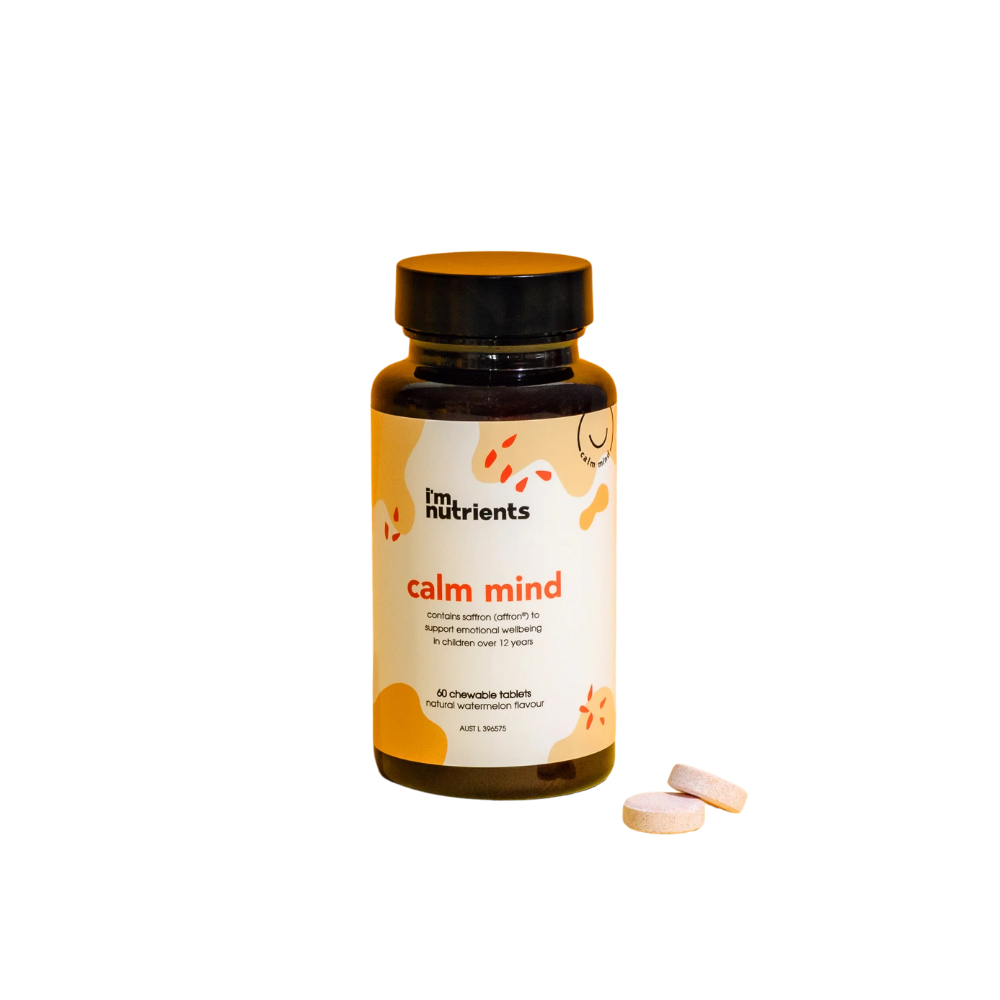
Anxiety and nervous system regulation, whether from sensory processing differences, stress or other factors, are also frequently relevant in children's sleep presentations.

A clinical-first approach to children's sleep
We don't sedate children, and we don't reach for melatonin first. Sleep support for children works best when it's grounded in what's actually driving the difficulty. We focus on the nutritional and physiological drivers most relevant to your child, with attention to age-appropriate forms and clinical safety.
- Vitamin D, an area commonly considered for immune support given how often status is suboptimal in Australian children
- Zinc, which plays a role in immune cell function and mucosal barrier integrity in children
- Gut microbiome and probiotic support, given the gut's central role in shaping immune function in childhood
- Vitamin C and antioxidant support as part of broader resilience and recovery work
- Botanical immune support including elderberry and echinacea, which have a long history of use in children's immune formulations
COMMON QUESTIONS ABOUT CHILDREN'S SLEEP
To help you feel clearer about your next steps
How much sleep does my child actually need?
Sleep needs vary by age. Toddlers (1-2 years) typically need 11-14 hours including naps. Preschoolers (3-5) need 10-13 hours. School-aged children (6-12) need 9-11 hours. Teenagers (13-18) need 8-10 hours. These are total sleep requirements and include any daytime naps for younger children. Children consistently sleeping less than the recommended range are likely accumulating a sleep debt that may affect health and development, even if they appear to function during the day.
Is melatonin safe for children?
Melatonin is a Schedule 4 (prescription-only) medication in Australia for those under 55. This means its use in children should be discussed with your GP or paediatrician, not started independently. It's used clinically in specific contexts, including circadian rhythm disruption and sleep difficulties associated with neurodevelopment conditions, but it isn't a first-line approach for routine sleep difficulties in typically developing children. Nutritional support that may help the body's own melatonin production is generally a more useful starting point in children.
Can magnesium help my child sleep?
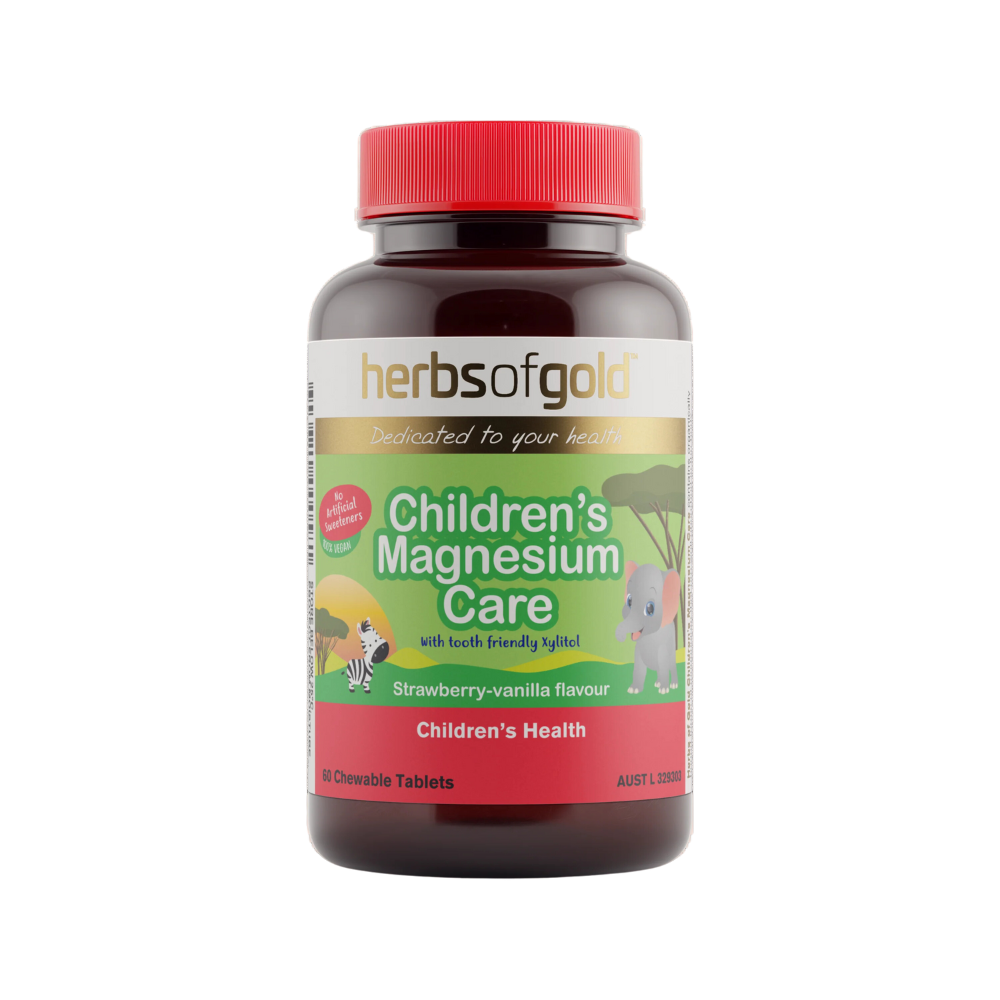
Magnesium is an area commonly considered in children with restlessness, difficulty settling, night waking and physical tension. It's involved in nervous system regulation and neuromuscular relaxation. Magnesium intake is often suboptimal in typical Australian children's diets, which is why it's frequently one of the first nutritional factors assessed when sleep is a concern. Child-appropriate forms including glycinate are usually better tolerated than oxide and less likely to cause loose stools.
My child won't settle without me. Is this nutritional?
Sleep associations and bedtime dependence on a parent are primarily behavioural, and consistent routine is usually the most direct approach. However, if a child has significant difficulty settling even with a steady routine, or if there's a background of anxiety, gut discomfort or physical restlessness, a physiological component may be contributing. Nutritional and gut support are worth considering as part of the picture alongside behavioural strategies, not instead of them.
Does screen time affect children's sleep?
Yes, and the mechanism is well understood. Blue light from screens may suppress melatonin production, delaying sleep onset and reducing sleep quality. Evening screen use in the hour before bed is one of the most consistently documented contributors to poor sleep in children. Reducing evening screen exposure is a high-impact, zero-cost change worth addressing alongside any nutritional support.
Are there herbal supplements suitable for children's sleep?
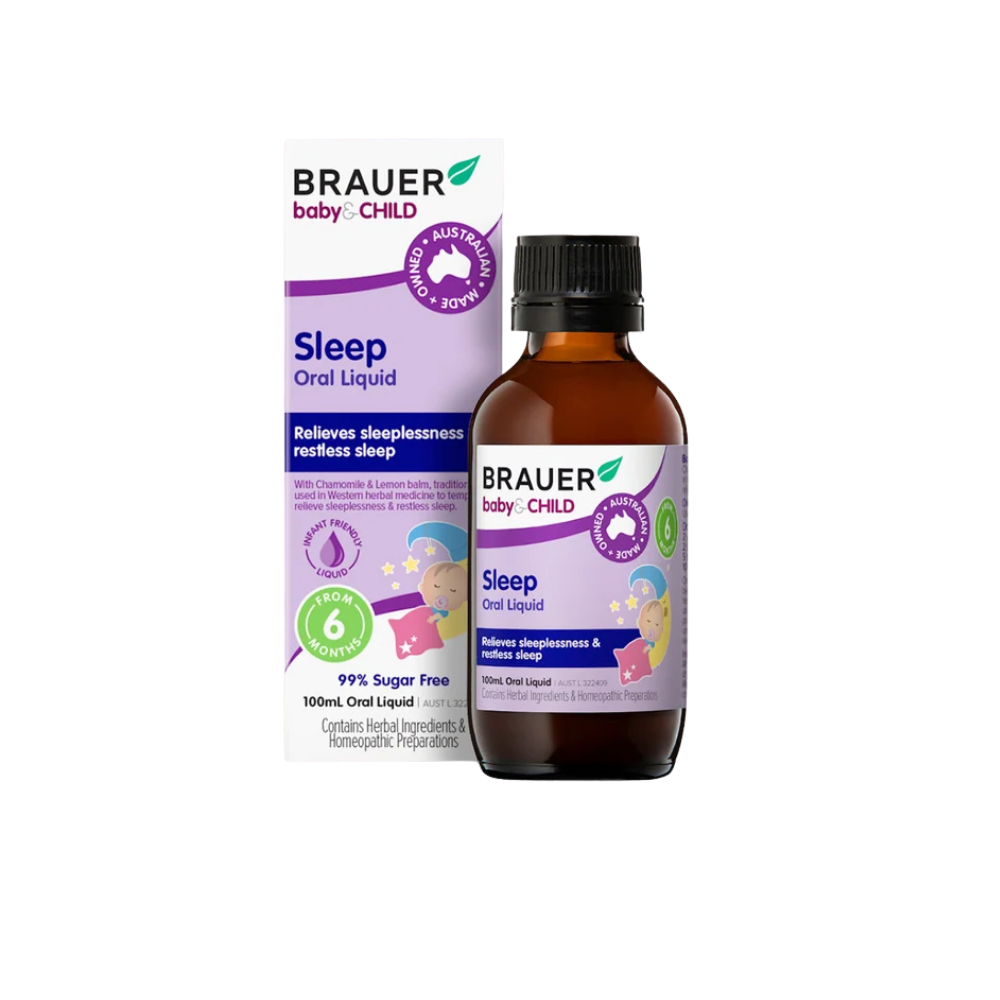
Some herbs have a reasonable safety and traditional use profile in children when used in appropriate doses and forms. Passionflower, lemon balm and chamomile have a long history of traditional use for calming and are generally considered suitable for children in food-grade or low-dose forms. Valerian is more appropriate for older children and adolescents than young children. The right choice depends on your child's age, health and any medications. Practitioner guidance is recommended before introducing herbal medicines, particularly for children with complex health pictures.
Can I buy products without booking a consultation?
Yes. Every product in our children's range has been selected by our clinical Naturopaths, so you're welcome to shop the collection independently if you have a clear sense of what you're looking for. If you'd like guidance on which products are most relevant for your child's specific situation, our team is available for a free discovery call or a more in-depth consultation.
Do you offer consultations online?
Yes. Our Naturopaths and Homeopaths are based in Liverpool, Sydney and offer consultations online across Australia. A discovery call is a free, 15-minute introduction and can be booked online. You can also meet our practitioners to find the right fit for your child's needs.