
Children's growth and development
Naturopathic and nutritional support for the years that matter most
Building strong foundations as your child grows, when the demands are at their highest
Growth isn't just height and weight. It's bone density, muscle development, neurological maturation, hormonal preparation and the building of physical and cognitive capacity across years of rapid change. The nutritional demands of growth are higher per kilogram of body weight than at any other stage of life, and the gaps between what children need and what their diets reliably provide are real, addressable, and worth taking seriously.
Whether your child is in early childhood, approaching puberty, or navigating adolescence, our practitioners can help you understand what's most important at each stage and where the gaps might be. The earlier these foundations are looked at, the more your child gets the benefit of them.

WHEN WE CAN HELP
Some of the patterns we see...
Your child's growth or weight isn't tracking where it should be
If you're concerned about your child's growth trajectory, this should be discussed with your GP or paediatrician first. Alongside that, a nutritional assessment can help identify whether dietary or absorption factors may be contributing. We work as part of a broader picture, not in place of medical assessment for growth concerns.
Your child is approaching puberty and you want to support it well
Puberty is one of the highest nutritional demand periods of childhood, with rapid bone accrual, hormonal shifts, increased energy needs and continued brain development. Many parents come to us in the lead-up to puberty wanting to make sure the foundations are solid, and we can help you focus on what matters most at this stage.
Your child is active in sport and needs proper nutritional support
Active children and adolescents have higher nutritional needs across the board, including for recovery, muscle development, bone health and energy. We can help you assess whether your child's intake is meeting those needs and where targeted support might be useful, alongside food-first foundations.
Your child is recovering from illness or a period of poor appetite
After significant illness or a period of restricted eating, children often benefit from focused nutritional support to help recover and continue developing. We can help you understand what's likely been most affected and how to rebuild from there, with age-appropriate products and a sensible plan.
Your child eats vegetarian or vegan and you want to do it well
Plant-based diets in children require careful attention to nutrients that are most bioavailable from animal foods, including B12, iron, zinc, omega-3 DHA, calcium, iodine and vitamin D. We can help you build a plan that supports your family's eating choices while making sure your child's growth and development needs are properly considered.
You want to know which nutrients matter most at this stage
Children's nutritional priorities shift across stages, and what matters at three is different to what matters at thirteen. Whether you're just looking for clarity at a particular point, or wanting to plan ahead, we can help you understand what's most relevant for your child right now and what to keep an eye on next.
Children's nutritional priorities shift across stages. What matters at three is different to what matters at thirteen - and what we look at changes with them.
If you're not sure whether your child's diet is meeting what they need at their current stage, or you've got specific concerns you'd like to talk through, a discovery call is the easiest way in. We'll listen, give you our honest take, and let you know whether working together would be useful. Free, 15 minutes, no obligation.



What growth and development actually needs
Growth and development depend on a continuous supply of specific nutrients, and the gaps between what children need and what their diets reliably provide are well documented. Calcium and vitamin D are commonly associated with bone development, but bone density is also influenced by magnesium, vitamin K2, protein and phosphorus.
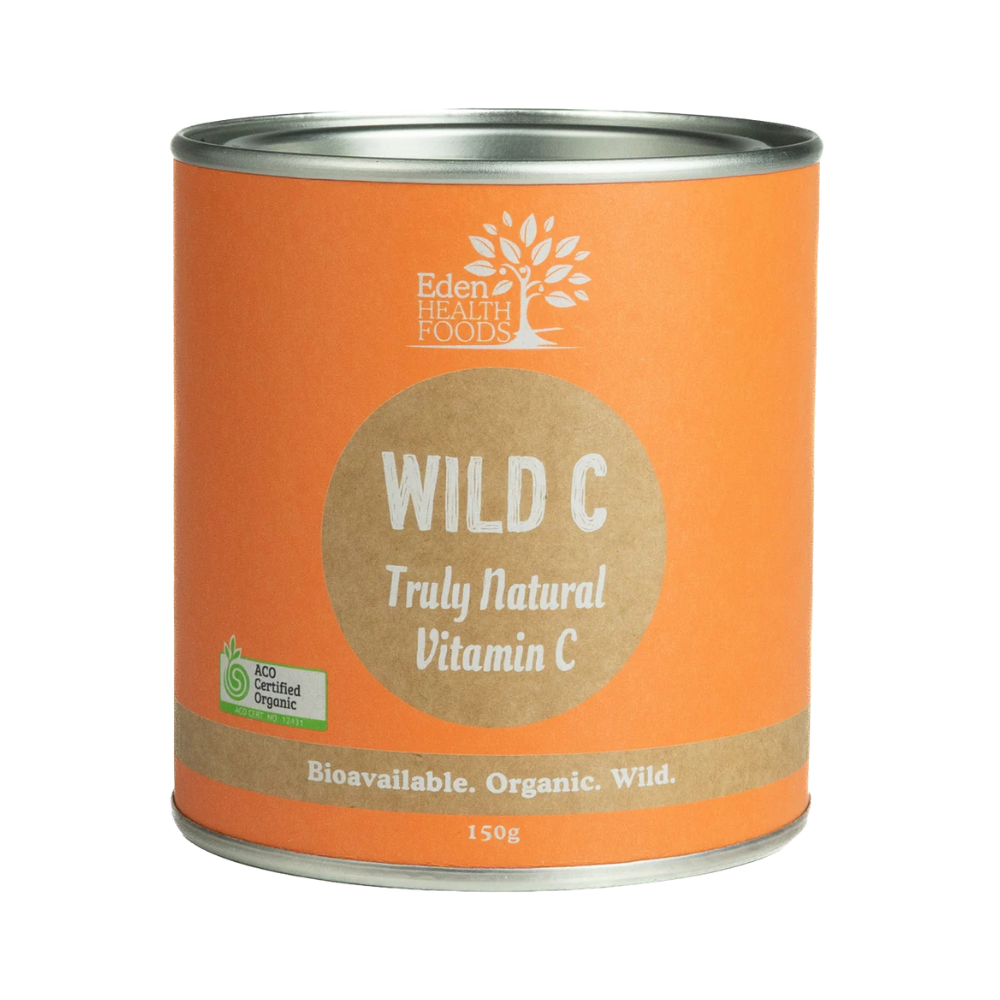
Iron is involved in cognitive development, red blood cell production and energy, and is one of the most common nutritional concerns in Australian children, particularly in toddlers and adolescent girls. Zinc plays a role in protein synthesis, immune function and the hormonal changes of puberty. Omega-3 DHA may support continued neurological development through to adolescence, and iodine is involved in thyroid hormone production, which influences growth rate and cognitive function.
The demands of puberty in particular create real nutritional pressure. Bone accrual is at its peak, hormonal systems are shifting rapidly, and energy and micronutrient requirements increase substantially. This is also a time when dietary quality often slips as adolescents gain more food autonomy, which is why nutritional review at this stage can be particularly worthwhile.

A clinical-first approach to growth and development
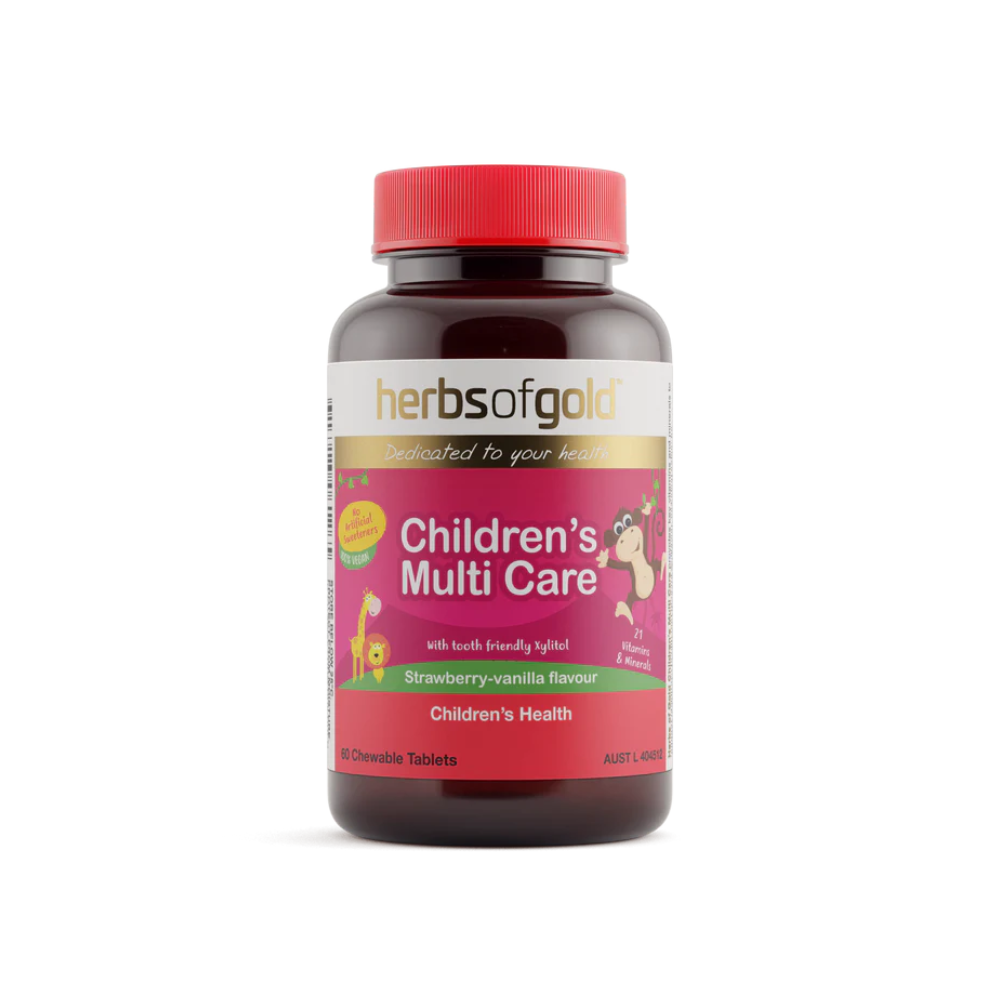
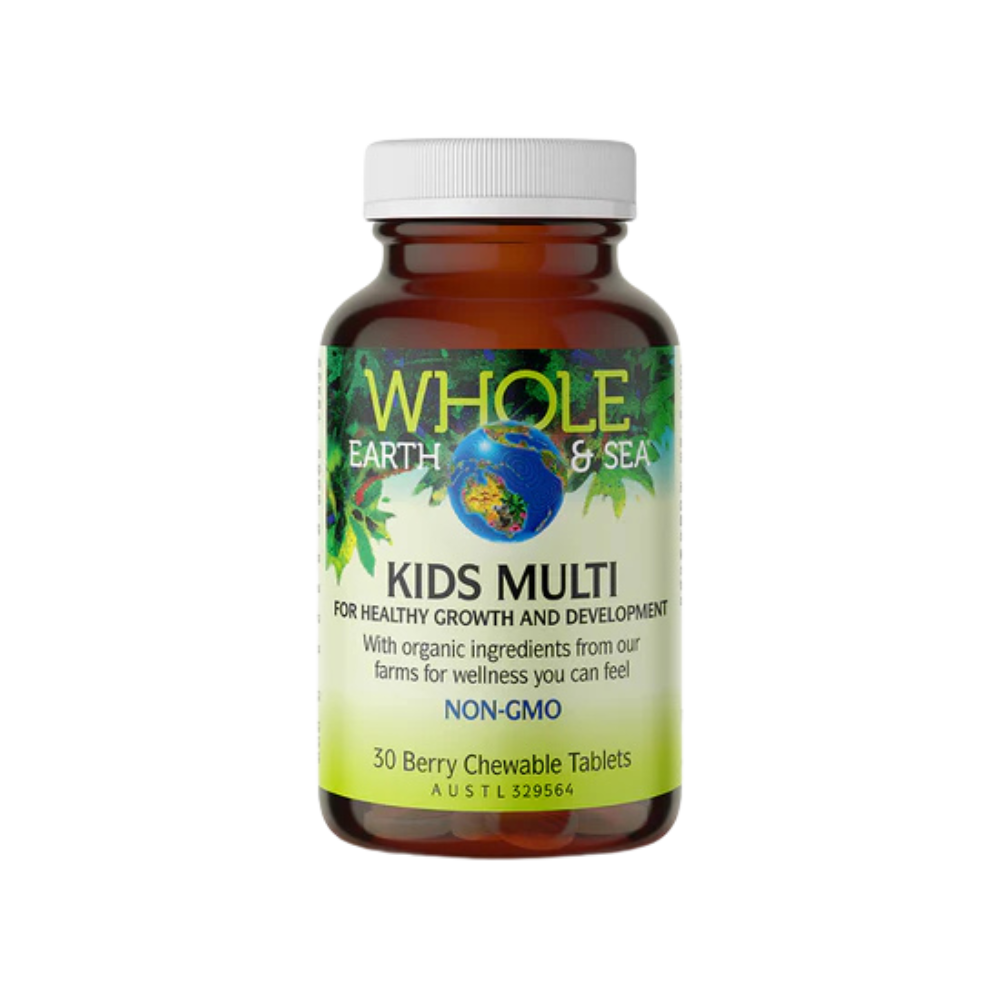
We don't hand out generic multivitamins and call it growth support. Nutritional support for children works best when it fills the specific gaps relevant to your child, rather than offering blanket coverage. We look at age, stage, dietary pattern and any current concerns, and focus on what may actually help.
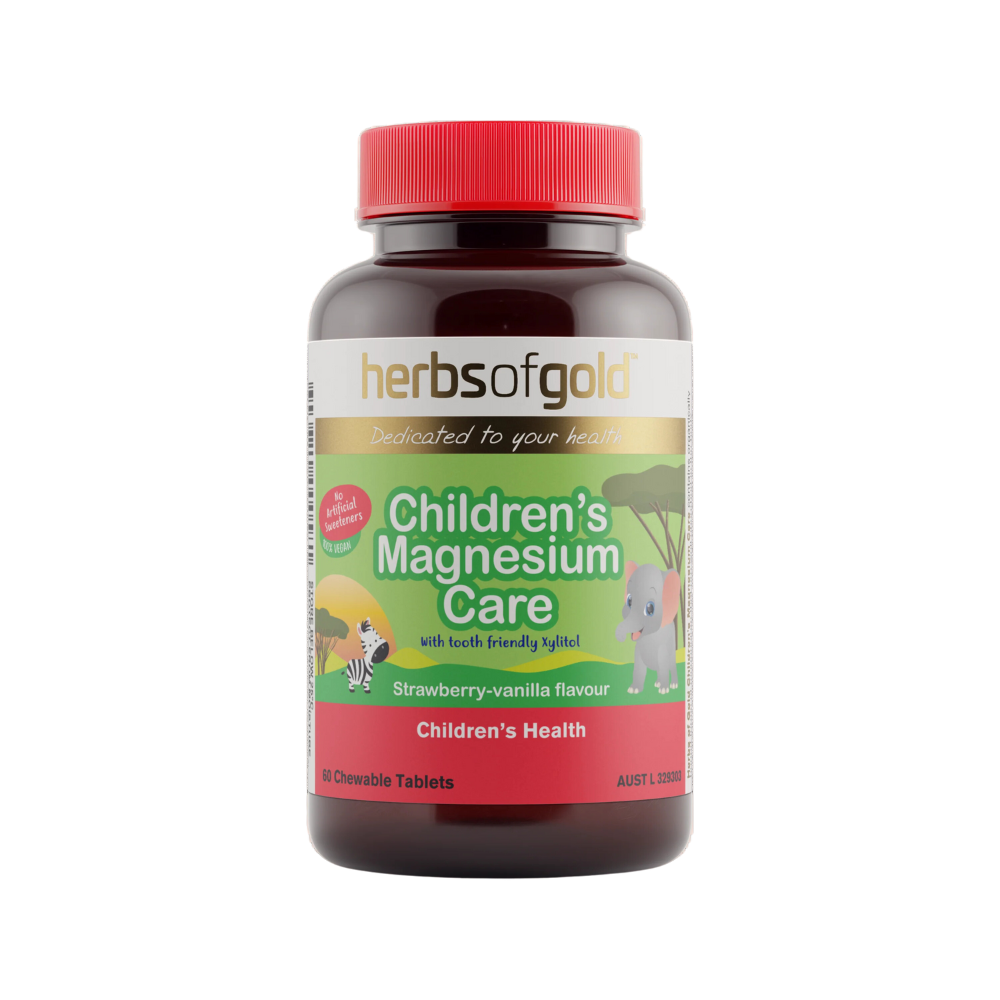
- Bone development support including calcium, vitamin D, vitamin K2 and magnesium, particularly relevant during peak bone accrual
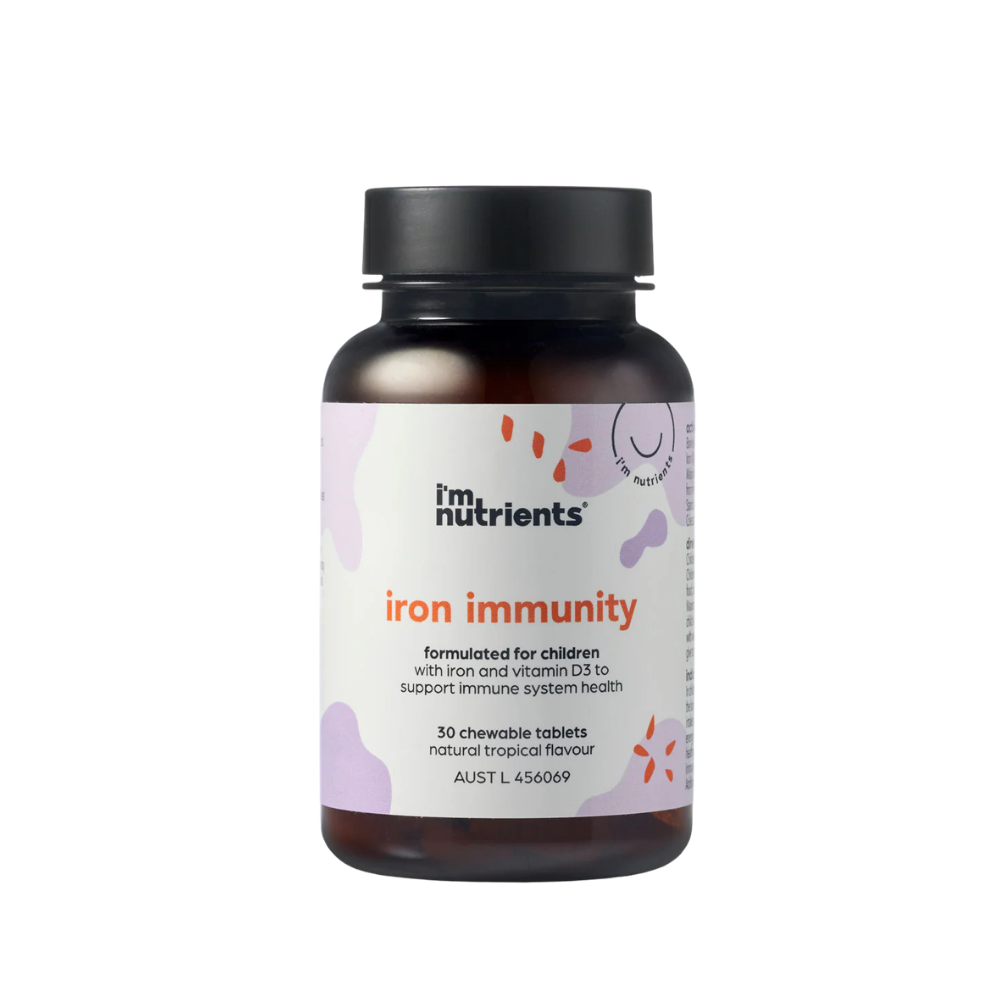
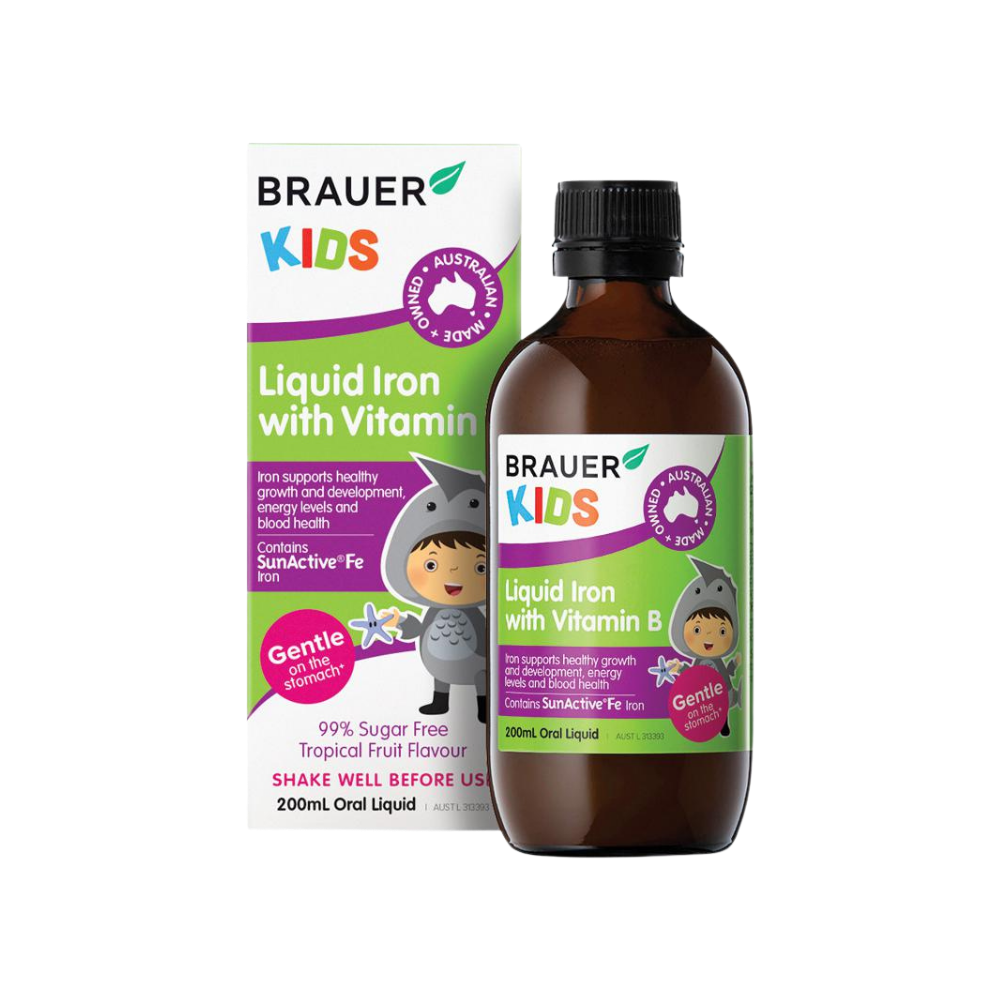
- Iron support, an area commonly considered given how prevalent iron status concerns are in Australian children
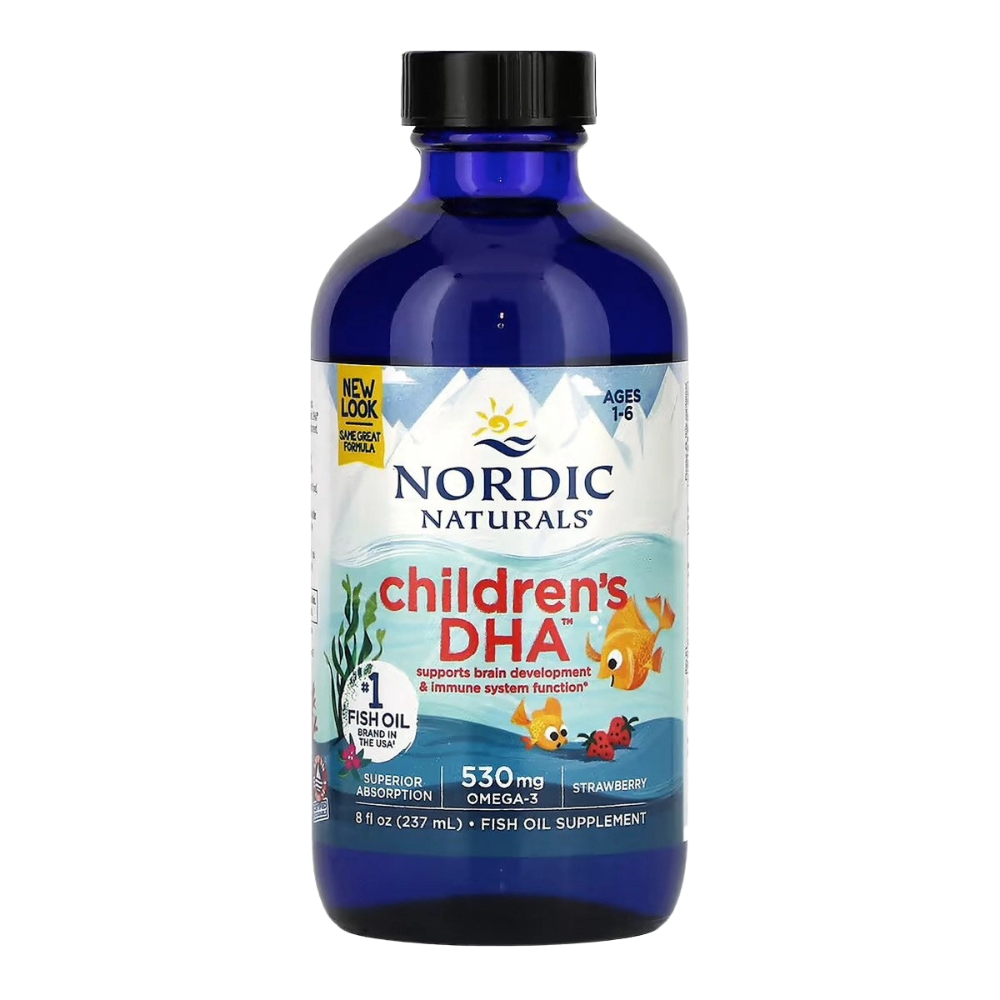
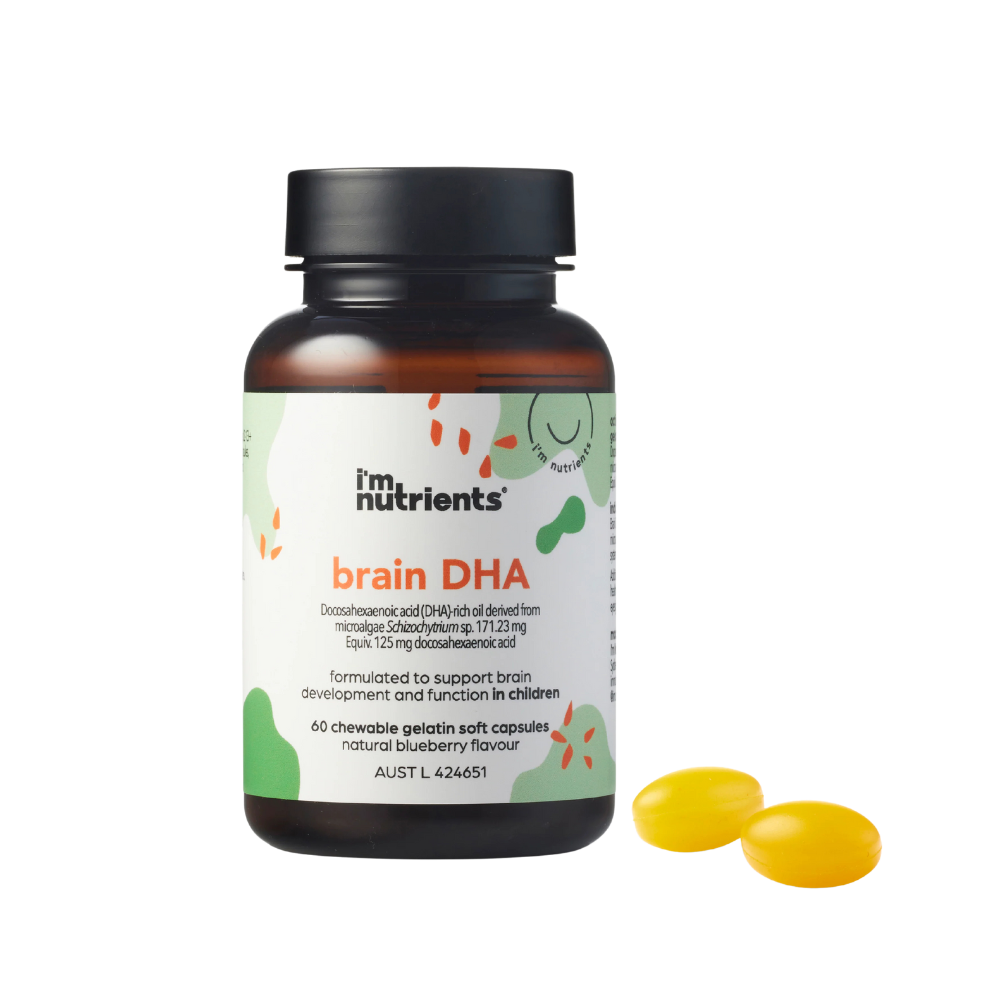
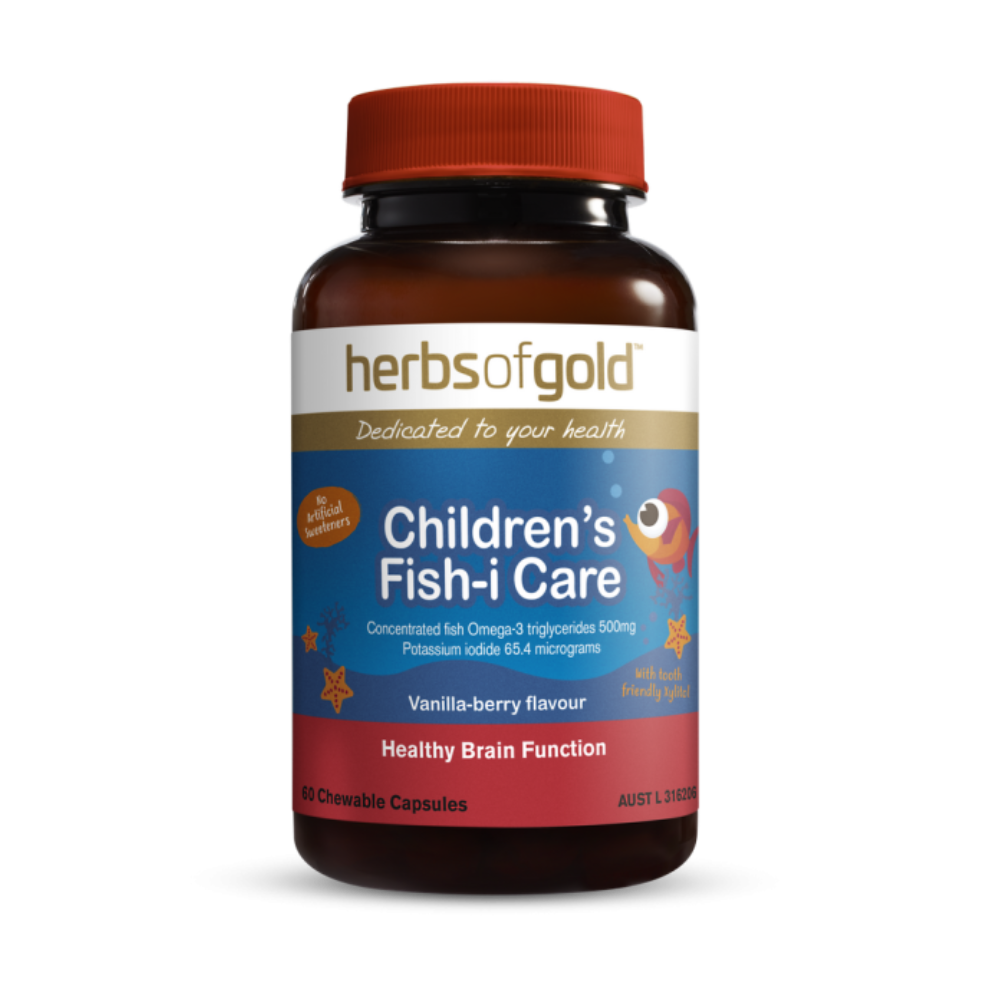
- Omega-3 DHA for continued neurological development through childhood and adolescence
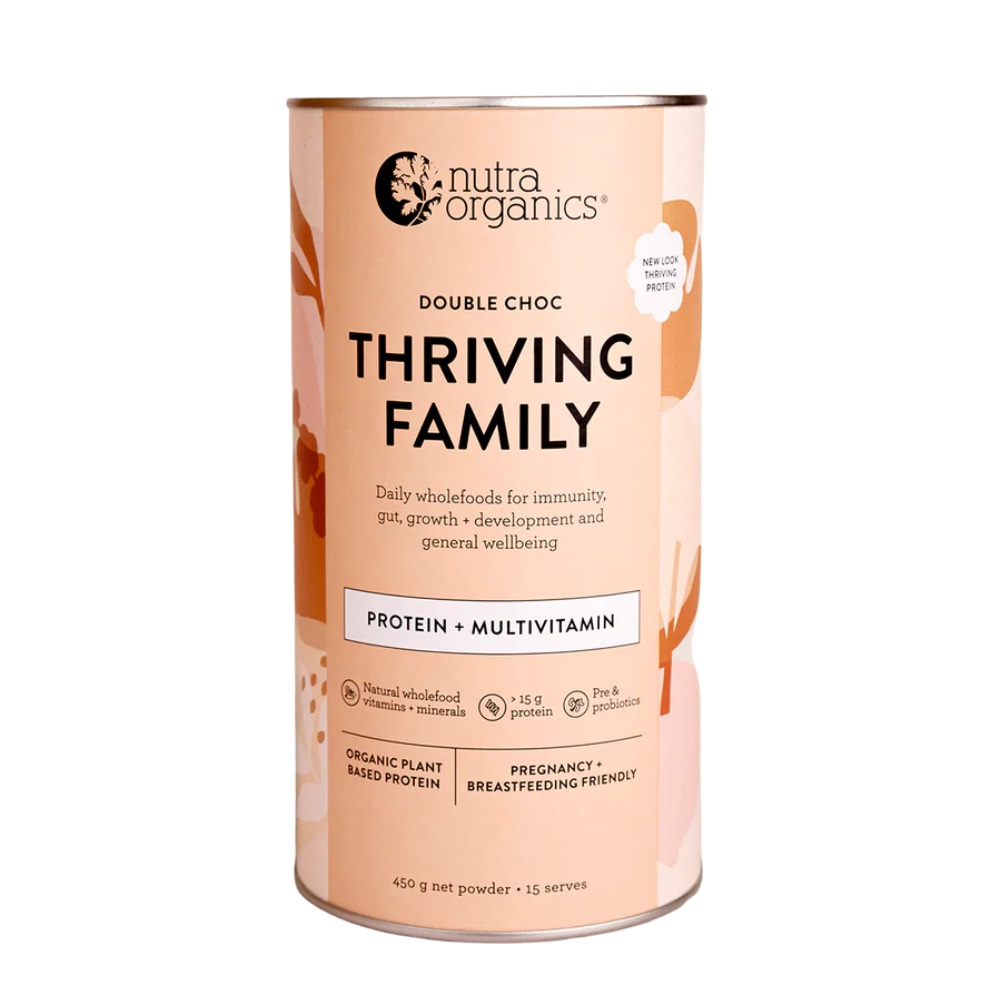
- Zinc and protein support for puberty, muscle development and immune function during transition
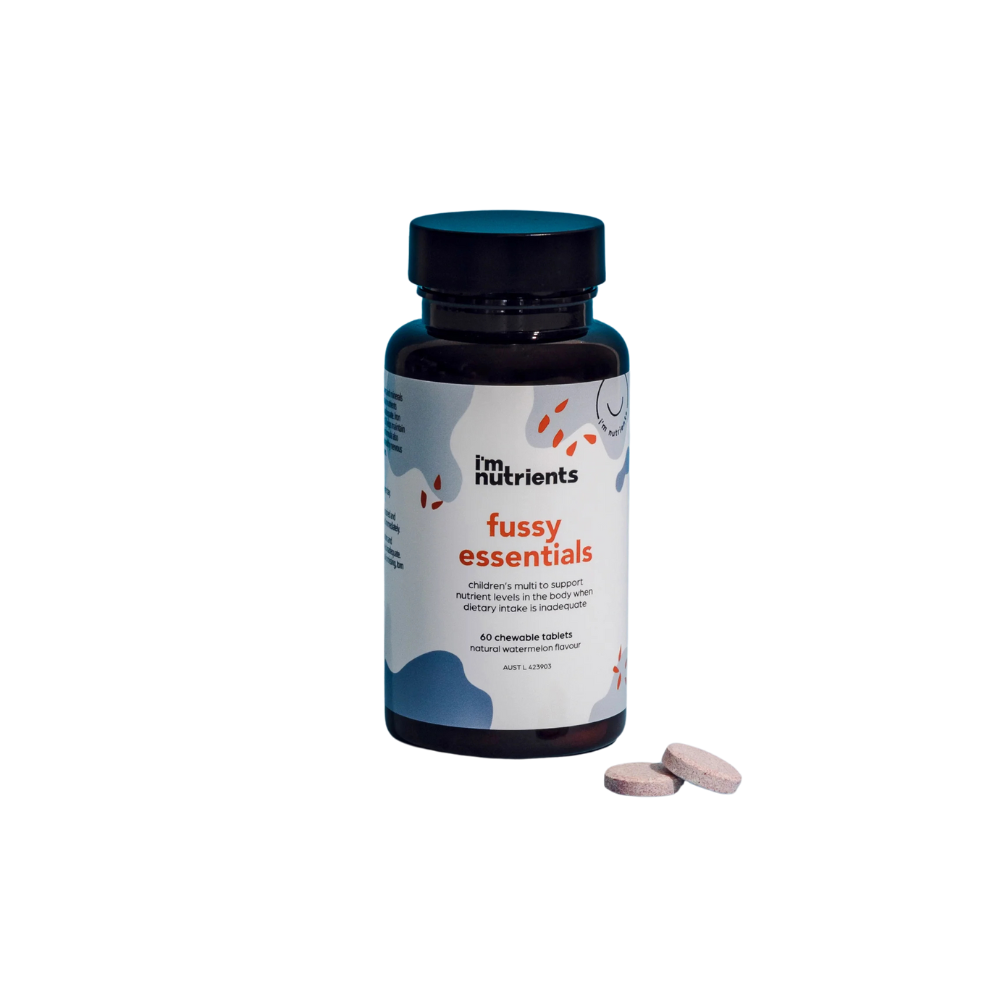
- Nutritional gap support for vegetarian, vegan or selective eating patterns, focused on the nutrients most affected
COMMON QUESTIONS ABOUT CHILDREN'S GROWTH AND DEVELOPMENT
To help you feel clearer about your next steps
Which nutrients are most important for children's bone development?
Calcium and vitamin D are commonly recognised, but bone health involves more than that. Vitamin K2 is involved in directing calcium to bone tissue. Magnesium is required for vitamin D activation and calcium metabolism, and is consistently undersupplied in Australian children's diets. Protein is essential for the bone matrix and is sometimes under appreciated. Physical activity, especially weight-bearing exercise, is the most important lifestyle factor for bone density at any age.
Is iron deficiency common in children?
Iron is one of the most prevalent areas of nutritional concern in Australian children, with toddlers and adolescent girls at the highest risk. Toddlers are vulnerable as they transition from iron-rich breast milk or formula to solid foods with variable iron content. Adolescent girls are at elevated risk once menstruation begins. Iron status is an area commonly considered for cognitive function, attention, energy and immune support, and regular review is appropriate for children in higher-risk groups.
What should I know about nutrition for a child going through puberty?
Puberty is a period of high nutritional demand. Bone accrual is at its peak, muscle mass is increasing, hormonal systems are shifting and the brain is continuing to develop. Energy needs rise significantly. Iron needs increase sharply in girls once menstruation begins. Calcium and vitamin D demands are at their highest. Zinc plays a role in growth and the hormonal changes of puberty. At the same time, many adolescents' diets become less varied as they gain food autonomy, which is why a nutritional review at this stage can be useful.
My child is vegetarian or vegan. What nutrients should I watch?
Children on vegetarian or vegan diets need careful attention to nutrients that are most bioavailable or exclusively found in animal products. Vitamin B12 is absent from plant foods and needs supplementation in vegan children. Iron and zinc are present in plant foods but less bioavailable than from meat. Omega-3 DHA is primarily found in oily fish, with plant-based ALA converting only poorly. Calcium, iodine and vitamin D are also worth monitoring. A plant-based child's nutritional plan needs more consideration than a standard paediatric approach.
Can children take protein supplements for sport?
Most children and adolescents in sport can meet their protein needs through food, provided overall energy intake is adequate. Adult-formulated protein powders aren't appropriate for young children, and even for older adolescents, whole food sources are preferred. If your child is training at a high level, has dietary restrictions, or is struggling to meet energy needs, a conversation with a sports dietitian or Naturopath can clarify whether a food-based protein supplement is appropriate.
When should my child have a nutritional assessment?
A nutritional assessment is worth considering at any developmental transition, including starting solids, the toddler years, starting school, approaching puberty, or after significant illness, dietary change or a period of poor growth. Children with dietary restrictions, gut absorption issues, chronic illness or selective eating benefit most from regular review. Earlier identification of gaps means more opportunity to address them during periods of active development.
Can I buy products without booking a consultation?
Yes. Every product in our children's range has been selected by our clinical Naturopaths, so you're welcome to shop the collection independently if you have a clear sense of what you're looking for. If you'd like guidance on which products are most relevant for your child's specific situation, our team is available for a free discovery call or a more in-depth consultation.
Do you offer consultations online?
Yes. Our Naturopaths and Homeopaths are based in Liverpool, Sydney and offer consultations online across Australia. A discovery call is a free, 15-minute introduction and can be booked online. You can also meet our practitioners to find the right fit for your child's needs.