Endometriosis
A considered approach to endometriosis
Living with endometriosis often means navigating more than one symptom
Endometriosis affects an estimated 1 in 7 women in Australia by their late 40s, and many wait years between symptom onset and diagnosis while managing pain, fatigue, and the toll it takes on day-to-day life. This page is a starting point for natural endometriosis support that works alongside your medical care, not in place of it.
Who we work with
You might recognise yourself here
You experience pelvic pain that is severe, intrusive or disabling
Pelvic pain that disrupts your work, sleep or daily life is not something you should have to simply manage. Severe period pain in particular can be a sign of an underlying condition that needs medical investigation. We work alongside your GP or gynaecologist where appropriate, considering areas like inflammation, hormonal patterns and overall wellbeing as part of a broader plan to support you.
You have a diagnosis of endometriosis or adenomyosis
A diagnosis is the start of understanding what is happening, but it does not tell you how to live with it day to day. Our role sits alongside your specialist's care, considering inflammation, hormonal balance, nutritional status and nervous system support. We work as part of your broader care team, not in place of any medical treatment you are receiving.
Your periods are heavy, prolonged or disruptive to daily life
Heavy or prolonged bleeding is not just inconvenient. It can affect your iron levels, your energy, your sleep and your confidence. Heavy menstrual bleeding can also be a sign of an underlying condition that warrants medical assessment. We consider the broader picture alongside your medical care, looking at nutritional status, hormonal patterns and inflammation.
You have pain during intercourse, ovulation or bowel motions
Pain during intercourse, ovulation or bowel motions can be a sign of an underlying condition such as endometriosis, and is something worth raising with your GP or gynaecologist. These are symptoms that often go undiscussed, and getting clarity on what is happening is an important first step. Naturopathic care can sit alongside that medical investigation, considering broader patterns of inflammation and hormonal balance.
You suspect endometriosis but do not have a confirmed diagnosis
Many women suspect endometriosis for years before receiving a formal diagnosis. The path to diagnosis can be long, and in the meantime the symptoms continue to affect daily life. We can sit alongside that journey, considering symptom patterns and broader contributing factors, while supporting you to advocate for medical investigation where appropriate.
You are trying to conceive with endometriosis and want preconception support
Endometriosis is associated with reduced fertility for some women, though many do conceive without difficulty. Where you are working with a fertility specialist, our role is to sit alongside that medical care, considering nutritional foundations, inflammation and the broader preconception picture. We work as part of your wider team, not as a replacement for fertility treatment.
Endometriosis is not a condition you should have to navigate on your own. Our discovery call is a free, 20-minute conversation where you can talk to our clinical team about what you have been experiencing, what you have already tried, and where naturopathic support might sit alongside your medical care. There is no pressure and no expectation, just a chance to be heard and to understand whether we are the right fit for what you need next. Our Naturopaths and Homeopaths are based in Liverpool, Sydney and consult online across Australia. You can also meet our practitioners to find the right fit for you.
What is actually happening with endometriosis
Endometriosis is a chronic inflammatory condition in which tissue similar to the lining of the uterus grows outside the uterus, most commonly on pelvic organs. It is associated with pain, inflammation, scarring and adhesions, and can affect fertility for some women. The Australian Institute of Health and Welfare estimates that around 1 in 7 women born between 1973 and 1978 had been diagnosed with endometriosis by age 44 to 49, with the rate of diagnosis rising in younger generations.
Diagnosis and medical management of endometriosis sits with a gynaecologist, a GP and at times a fertility specialist. Naturopathic care does not replace any part of this. Natural endometriosis support is about working alongside your medical care, considering inflammation, oestrogen metabolism, gut health, nervous system regulation and nutritional status, all of which can influence the broader symptom picture for many women.
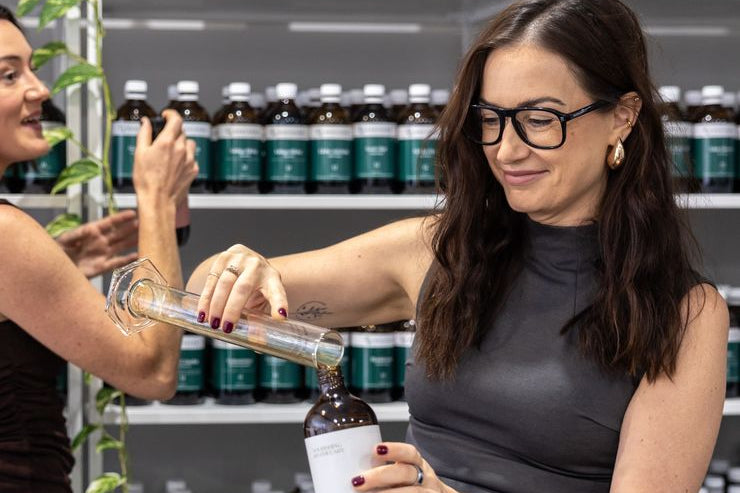
A clinical-first approach to endometriosis care
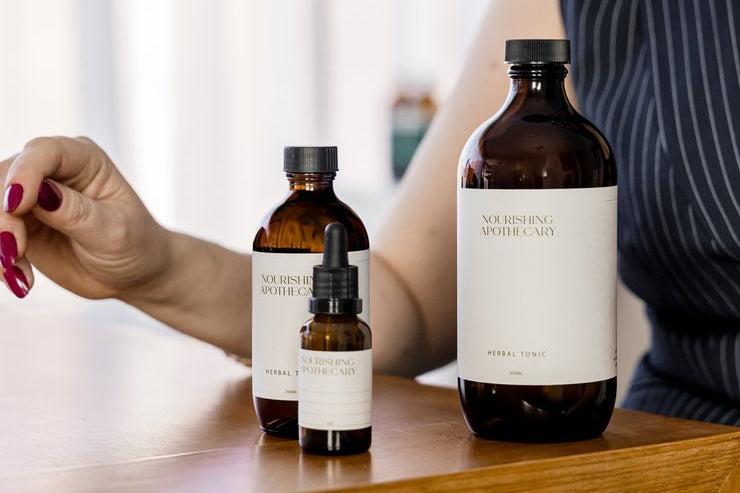
At Nourishing Apothecary, our clinical team is based in Liverpool, Sydney and offers consultations online across Australia. Naturopathic endometriosis support works best when it is built around your specific symptom picture, history and medical care plan, rather than a one-size-fits-all approach.
Support may include:
- Reviewing your symptoms, cycle, medical history and current treatments to inform your individual plan
- Looking at inflammation and oxidative stress, areas commonly considered in endometriosis care
- Reviewing hormonal balance, in particular oestrogen metabolism and clearance
- Looking at nutritional status and gut health, which can be relevant to hormonal wellbeing
- Naturopathic care, herbal medicine and Homeopathic remedies as part of a tailored plan
- Working alongside your specialist, GP or fertility team for an integrated approach
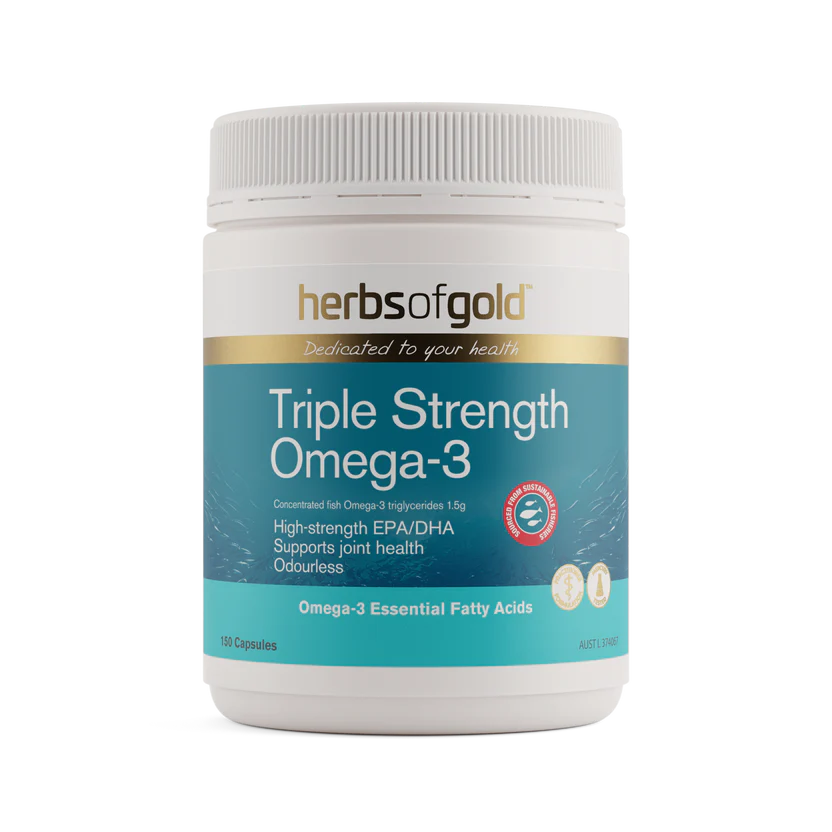
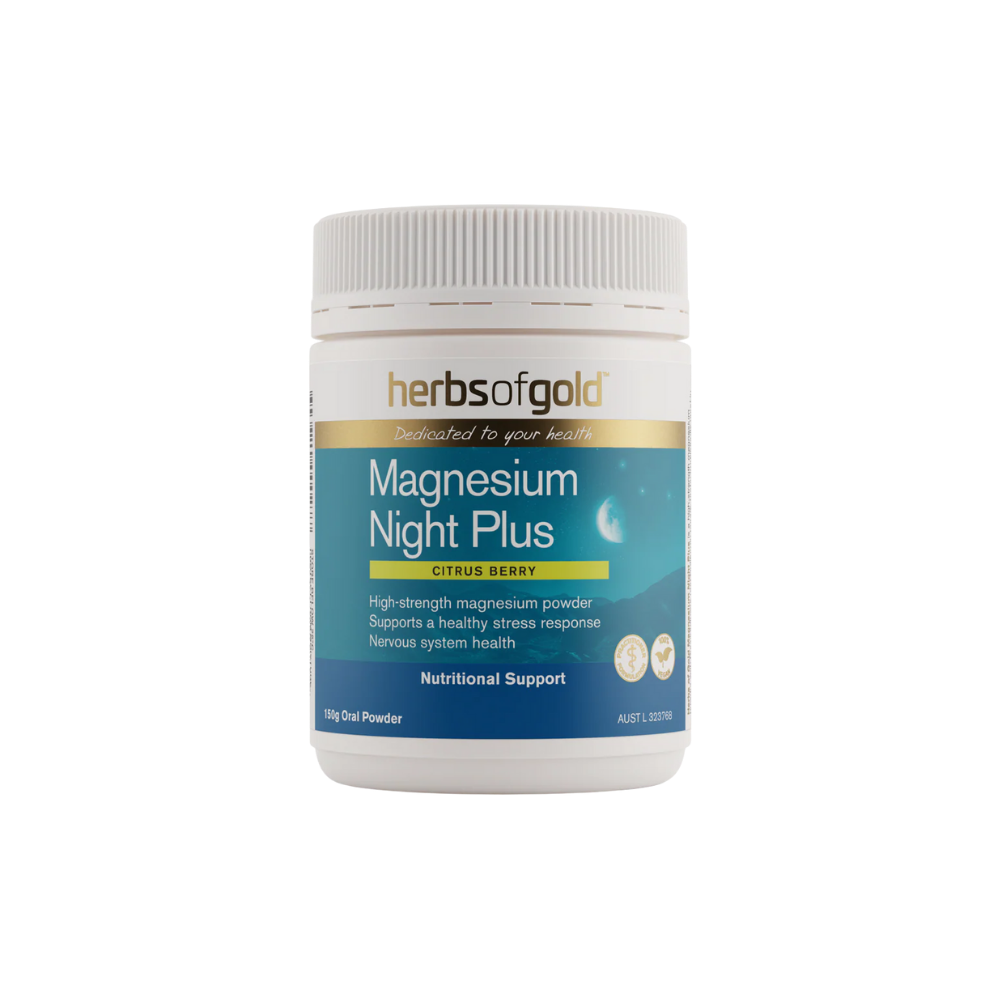
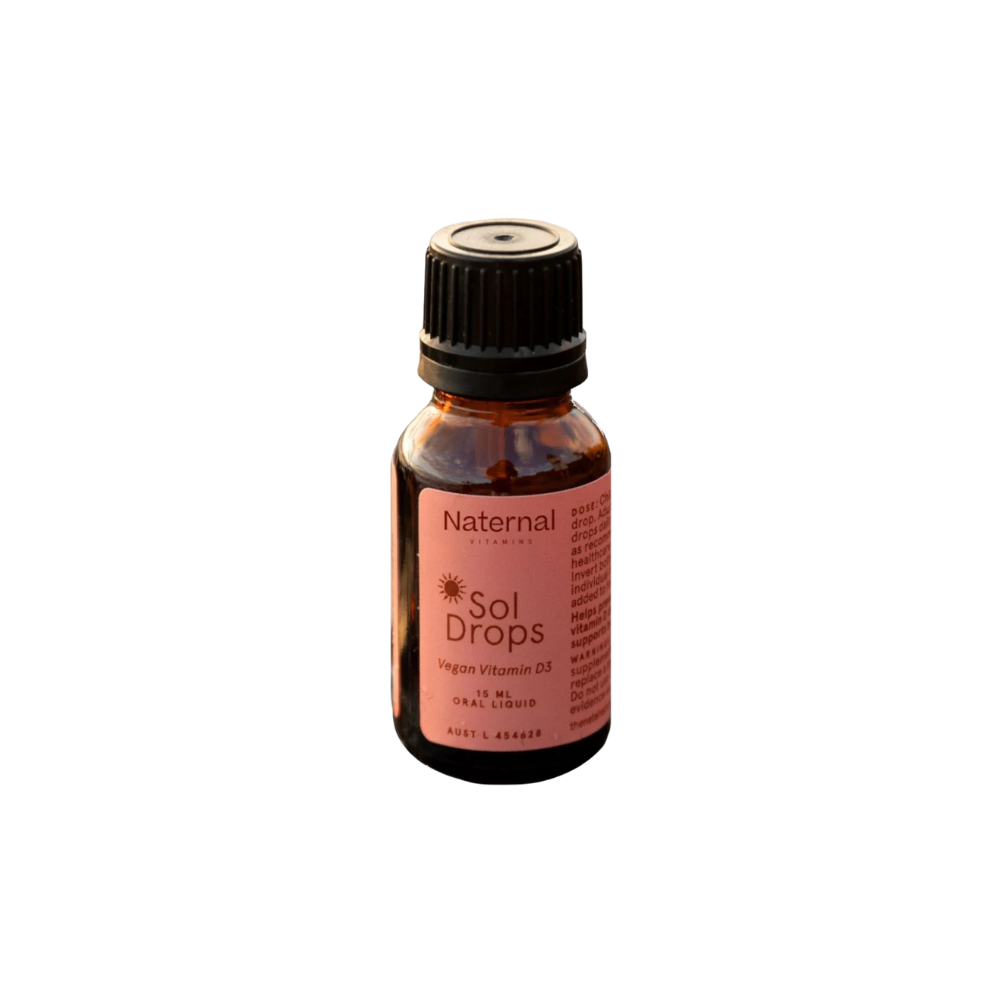
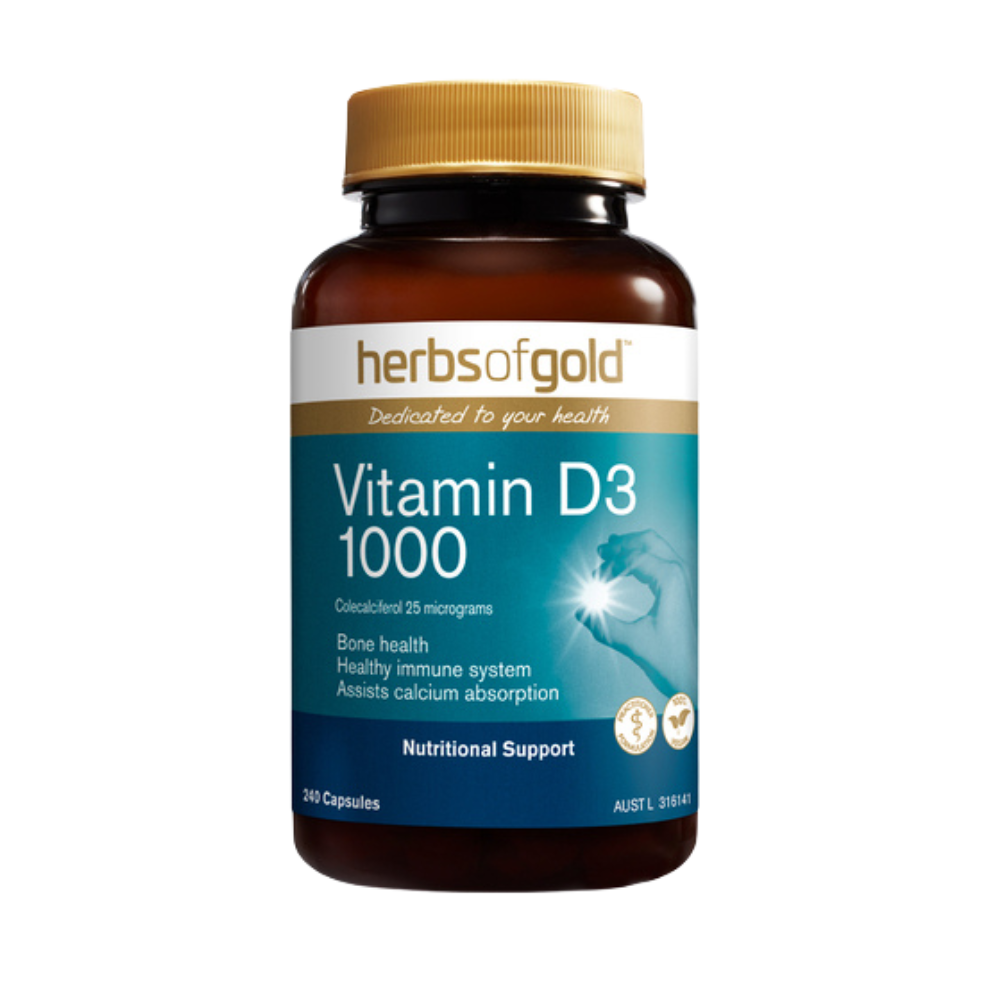
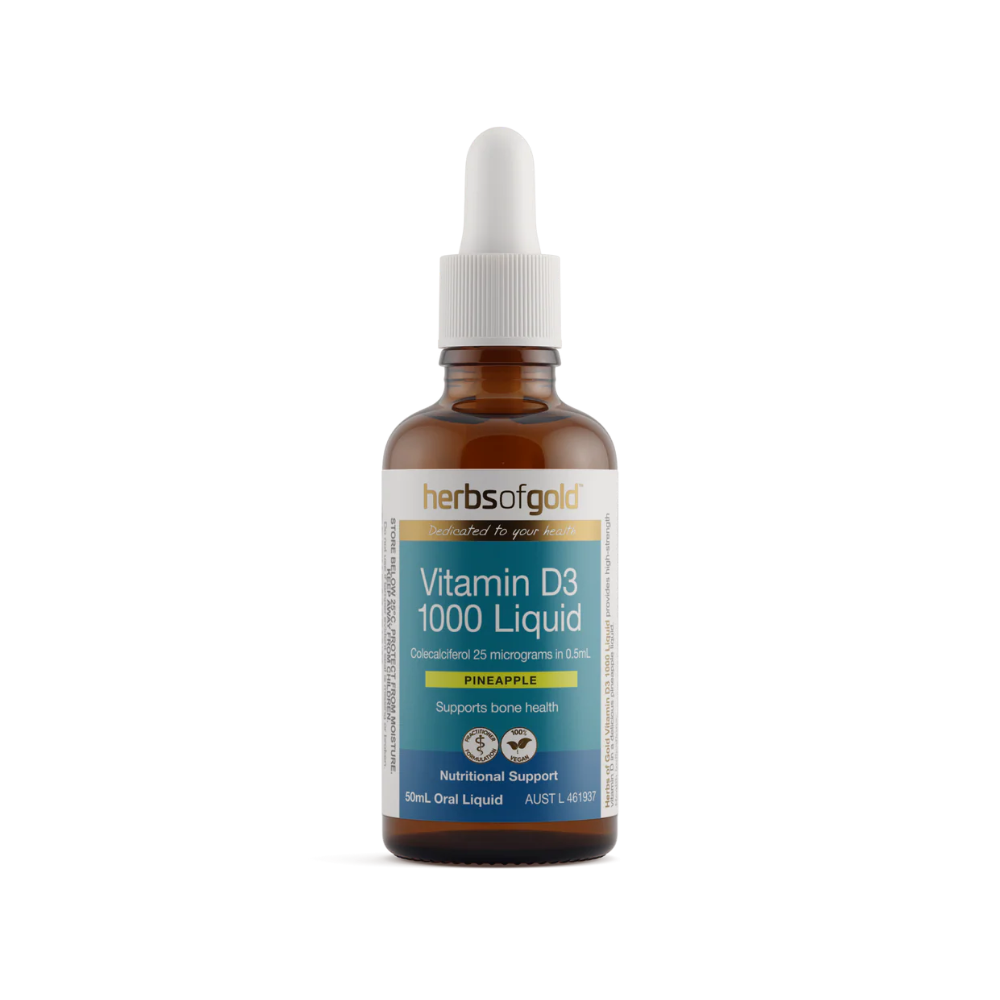
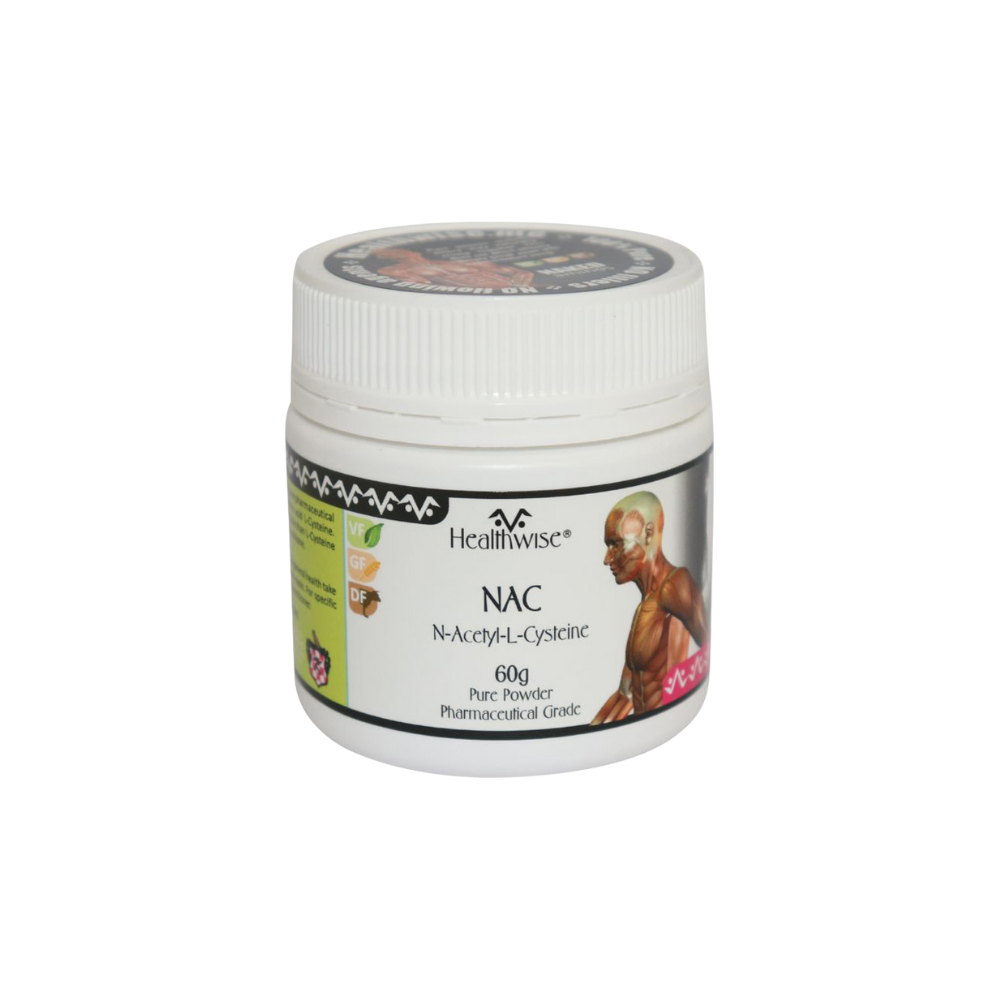
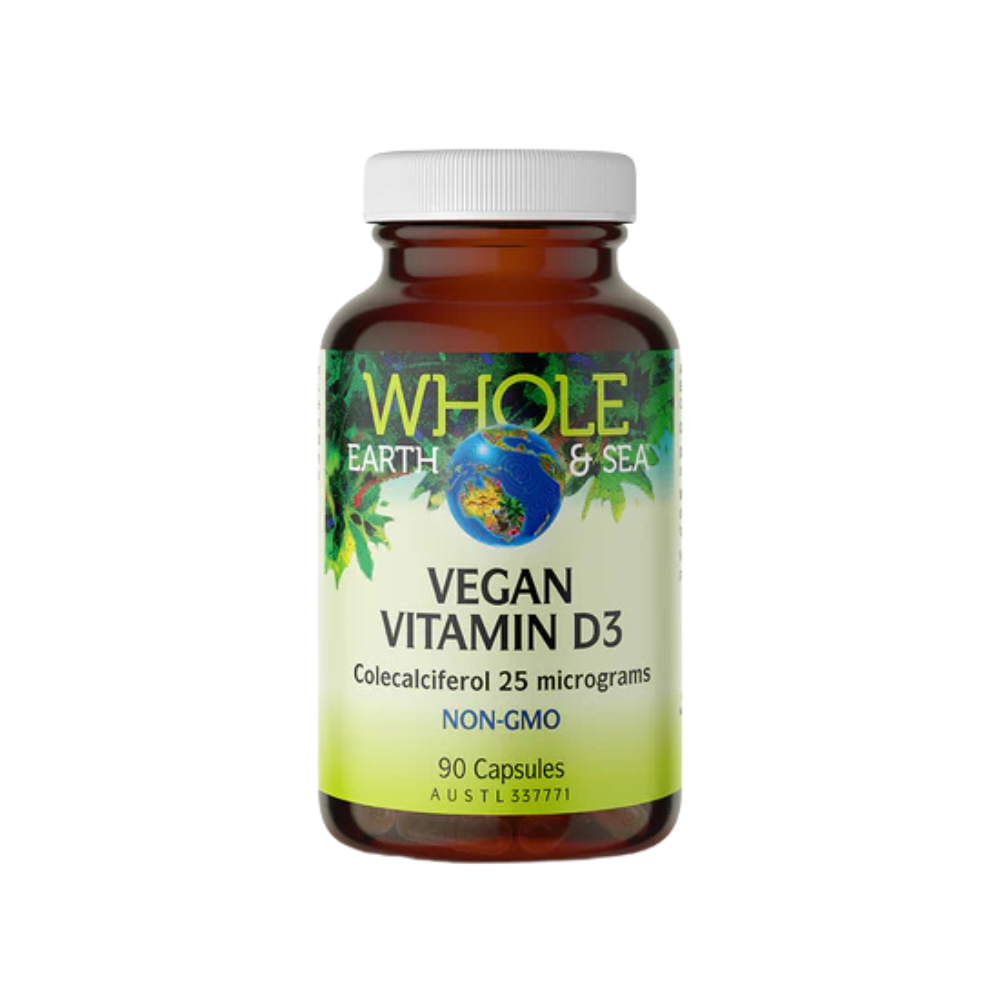
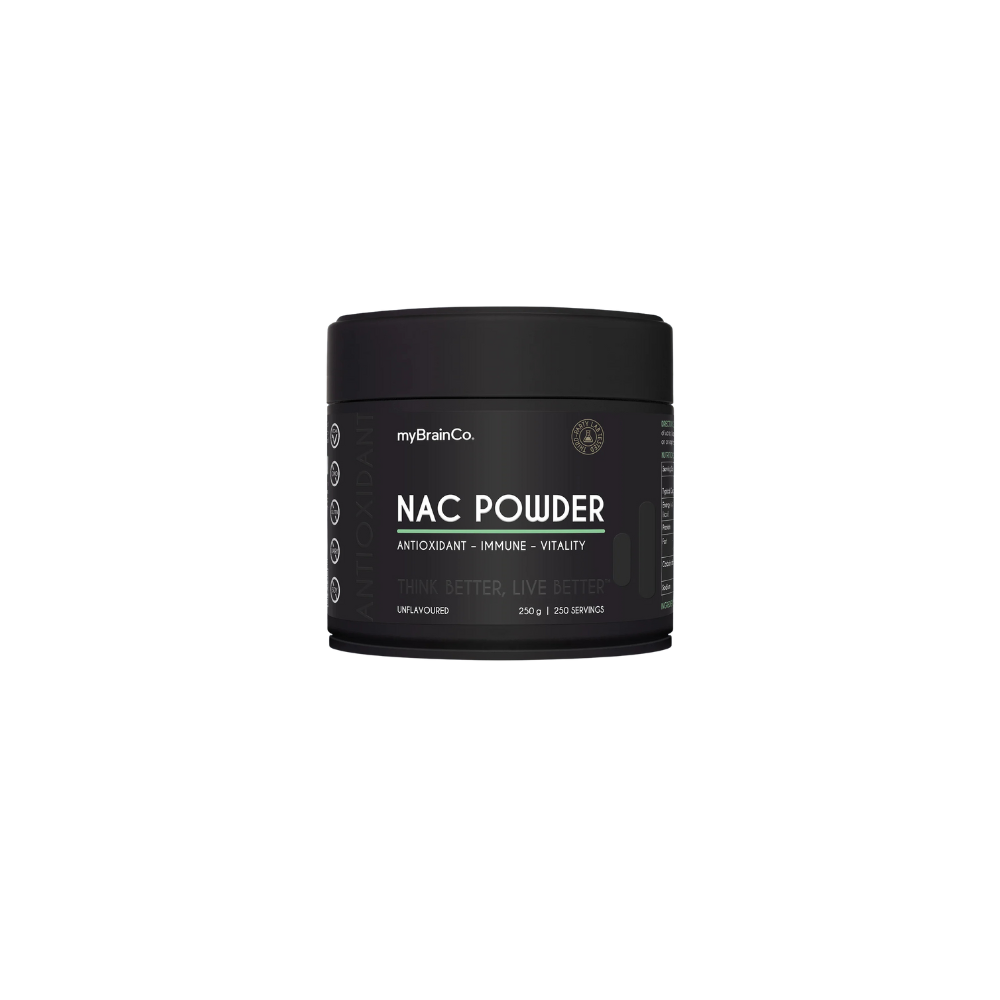
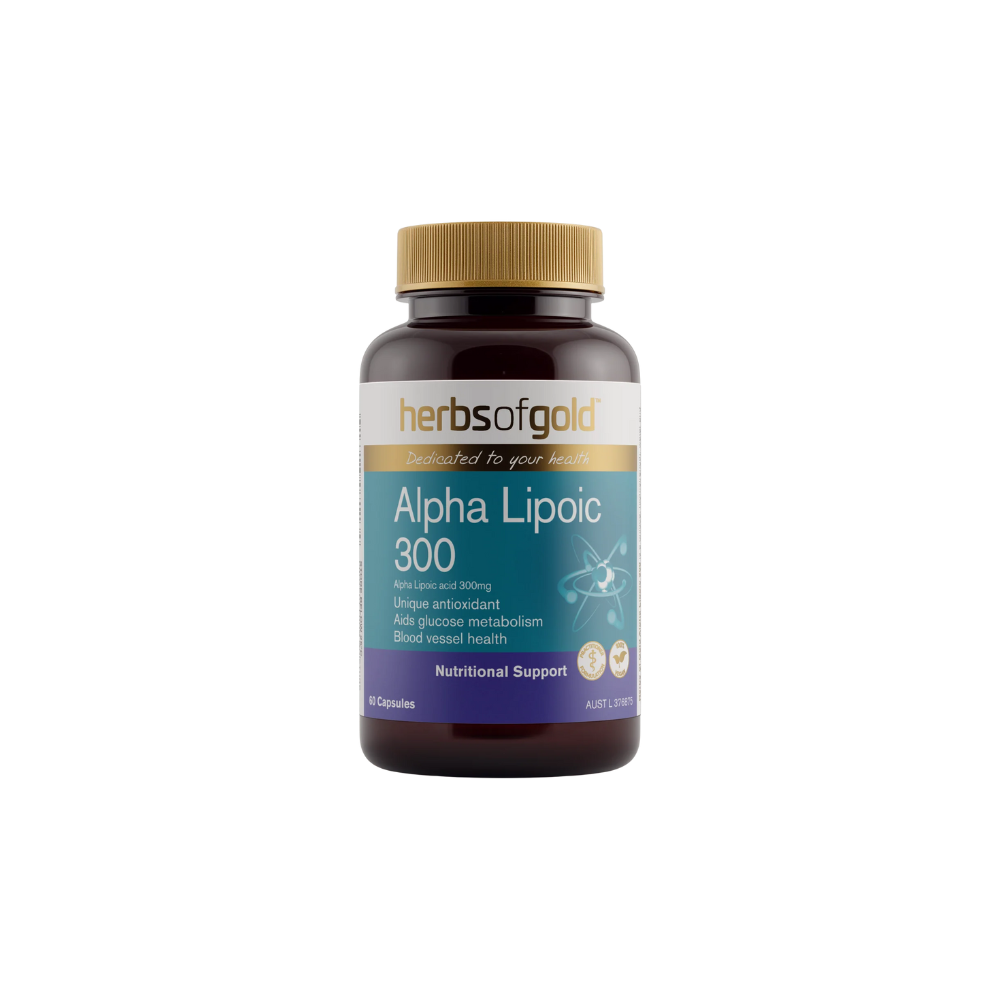
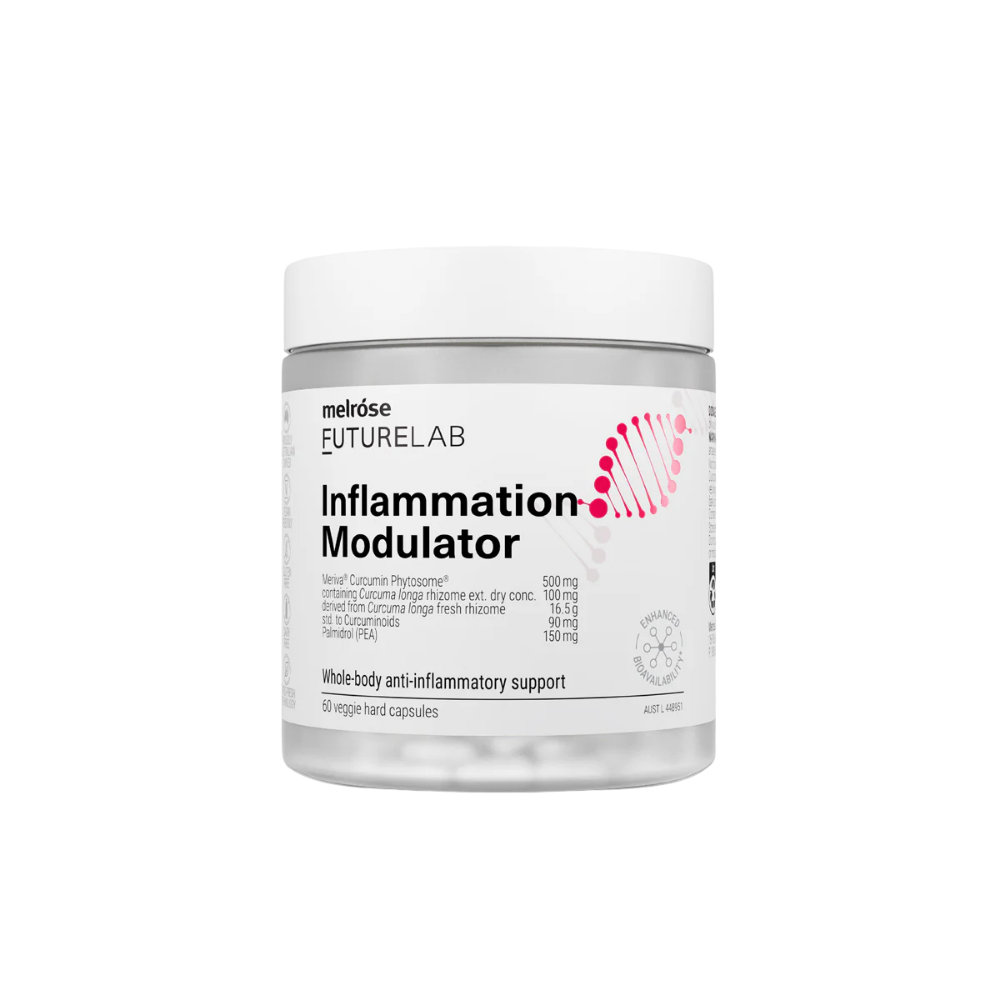
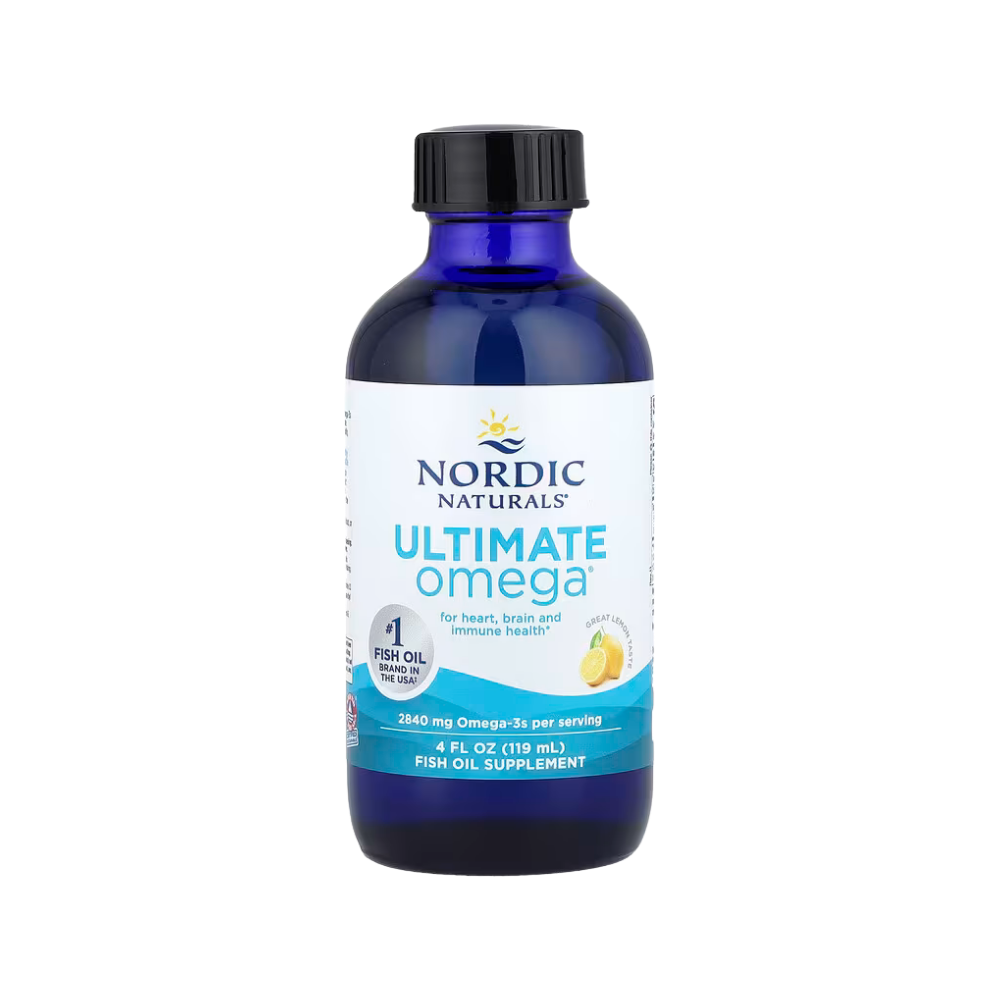
Where targeted supplementation is part of your plan, our clinical Naturopaths may recommend products from our practitioner-selected endometriosis range, which you can also browse independently below.
Common questions about endometriosis
To help you feel clearer about your next steps
Is endometriosis the same as adenomyosis?
No. Endometriosis is when tissue similar to the lining of the uterus grows outside the uterus. Adenomyosis is when this tissue grows within the muscular wall of the uterus itself. The two conditions can occur together and can share symptoms such as heavy bleeding and pelvic pain, but they are clinically distinct and require different diagnostic approaches. A specialist is the right person to confirm what is going on.
How is endometriosis diagnosed?
Endometriosis is most often diagnosed through laparoscopy, a keyhole surgery that allows direct visualisation of the pelvic organs. It can be suspected on the basis of symptoms, examination and imaging, but imaging alone does not always identify it. Many women experience a long delay between symptom onset and diagnosis, which is one of the reasons advocacy and earlier specialist referral matter.
Can naturopathy treat endometriosis?
No. Endometriosis is a chronic medical condition, and Naturopathy does not treat, cure or replace medical care for it. What Naturopathic care can do is sit alongside your specialist or GP, considering areas like inflammation, oestrogen metabolism, gut and nutritional health, and nervous system support. Many women use a combined approach to manage the broader picture of living with endometriosis.
Does diet make a difference for endometriosis symptoms?
Anti-inflammatory eating patterns, gut health and nutritional status are all areas that may be relevant to the broader symptom picture in endometriosis. There is no single ‘endometriosis diet’, and individual responses vary. A Naturopath can help work through what is most relevant for your specific situation alongside your medical care.
Can endometriosis affect fertility?
Endometriosis is associated with reduced fertility for some women, although many women with endometriosis conceive without difficulty. Where conception is more difficult, working with a fertility specialist is the appropriate medical pathway. Naturopathic care can sit alongside this to consider broader preconception health, nutritional status and inflammation, and we work alongside your fertility team rather than in place of it.
Should I see a specialist or a Naturopath first?
If endometriosis is suspected and you have not yet been assessed, a GP referral to a gynaecologist is the appropriate first step for diagnosis and medical management. Naturopathic care typically sits alongside that pathway. If you already have a diagnosis and are looking for additional support around inflammation, hormonal wellbeing and lifestyle, that is where our work can sit.
Can I buy products without booking a consultation?
Yes. Every product in our endometriosis range has been selected by our clinical Naturopaths, so you are welcome to shop the collection independently if you have a clear sense of what you are looking for. If you would like guidance on which products are most relevant for your specific situation, our team is available for a free discovery call or a more in-depth consultation.
Do you offer endometriosis consultations online?
Yes. Our Naturopaths and Homeopaths are based in Liverpool, Sydney and offer consultations online across Australia. A discovery call is a free, 20-minute introduction and is available to book online. You can also meet our practitioners to find the right fit for your needs.