
Children's behaviour and focus
Naturopathic and nutritional support for children's focus, attention and emotional regulation
Support for focus, calm and emotional regulation, when attention or behaviour feels harder than it should be
Difficulties with children's focus and behaviour are some of the most stressful concerns parents bring to us. Whether your child has a formal diagnosis or you're navigating a pattern that feels beyond typical, there's a meaningful nutritional and physiological picture worth exploring.
For many children, the brain and nervous system aren't getting what they need to function at their best. That's something our practitioners can help you understand and address, alongside any other support already in place. Our role is complementary, not a replacement for medical care your child may already be receiving.

WHEN WE CAN HELP
Some of the patterns we see...
Your child finds it hard to focus or stay on task at school
Sustained attention is one of the most common concerns parents raise with us, particularly once formal schooling begins. There are often nutritional and physiological factors involved, including omega-3 status, iron, magnesium and the broader gut-brain picture. We can help you understand what may be contributing for your specific child.
Your child is emotionally reactive or struggles to settle once upset
Big feelings in children are normal, but if recovery from frustration or overwhelm consistently takes a long time, it may be worth looking at what's supporting their nervous system. Magnesium, blood sugar balance, sleep and gut health are all relevant areas to consider when emotional regulation feels harder than it should.
Your child has an ADHD, anxiety or learning diagnosis
If your child has a formal diagnosis and is already engaged with appropriate medical or therapeutic care, naturopathic support sits alongside that work. We don't replace medication, therapy or specialist input. We focus on the nutritional and lifestyle layer that may help your child function more comfortably day to day.
Their behaviour gets noticeably worse with poor sleep or diet shifts
If you've noticed clear patterns linking sleep, food and your child's behaviour, your observations matter. They often point to underlying physiological drivers worth investigating, such as blood sugar regulation, gut function, magnesium status or sensitivities to certain food additives.
You suspect food affects how your child feels but aren't sure how
Food and behaviour connections are real for many children, but the relationship is rarely as simple as a single ingredient. We can help you explore this systematically, looking at overall dietary patterns, blood sugar balance, gut function and any specific reactions, rather than placing your child on an unnecessarily restrictive plan.
You want to know if nutrition is part of what's going on
Many parents arrive wanting to understand whether nutrition is contributing to what they're seeing, and what role it might play in supporting their child. We can help you explore this alongside any other care your child is receiving, with a clear sense of where nutrition can help and where it isn't the answer.
We work alongside your child's treating team, not around them. Naturopathic support is complementary to medical and therapeutic care your child may already be receiving.
Behaviour and focus concerns can feel overwhelming, particularly when you've already tried a lot. A discovery call gives us 15 minutes to hear what's going on, talk through what nutritional and lifestyle support might genuinely help, and decide together if working with us makes sense. There's no obligation and no cost.






What shapes focus and behaviour in children
The developing brain has high nutritional demands, and several nutrients are involved in neurotransmitter production, the regulation of inflammation in the central nervous system, and the maintenance of neural structures that may support focus, emotional regulation and executive function.
Omega-3 DHA, iron, zinc, magnesium, B vitamins and iodine are nutrients commonly considered in children's cognitive and behavioural support. Gaps in any of these may influence attention, mood and impulse control, and our practitioners often look at these areas as part of a broader assessment.
Gut health is a significant and often overlooked factor. The gut-brain axis means microbiome composition, gut barrier function and chronic low-grade gut inflammation may all influence neurological function, mood and behaviour. Food additives, artificial colours and food sensitivities may also be relevant for some children. Identifying which factors matter most for your individual child is more useful than applying a generic protocol.

A clinical-first approach to behaviour and focus
We don't apply blanket protocols to children's behaviour and focus. Our approach is to understand the specific drivers in your child, then work on the areas most likely to help, alongside any care already in place. We always defer to your child's treating team for diagnosis and primary management.
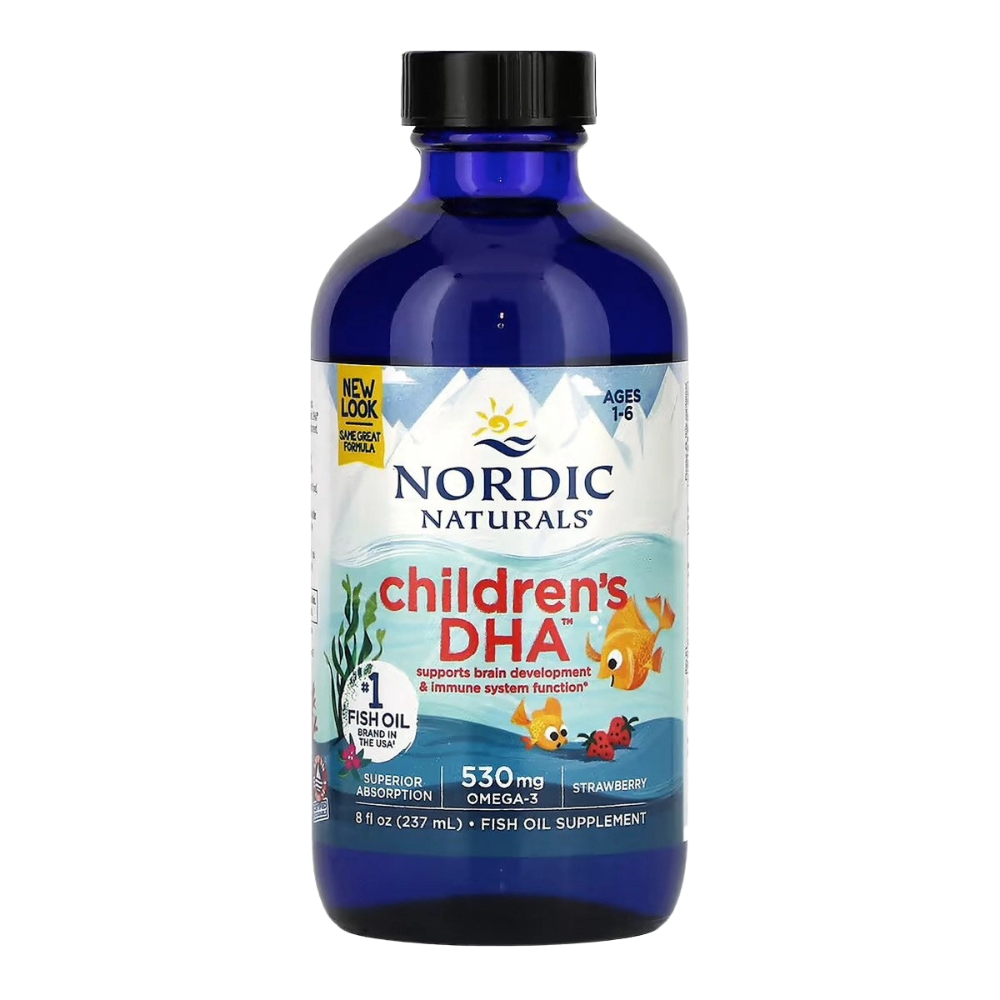
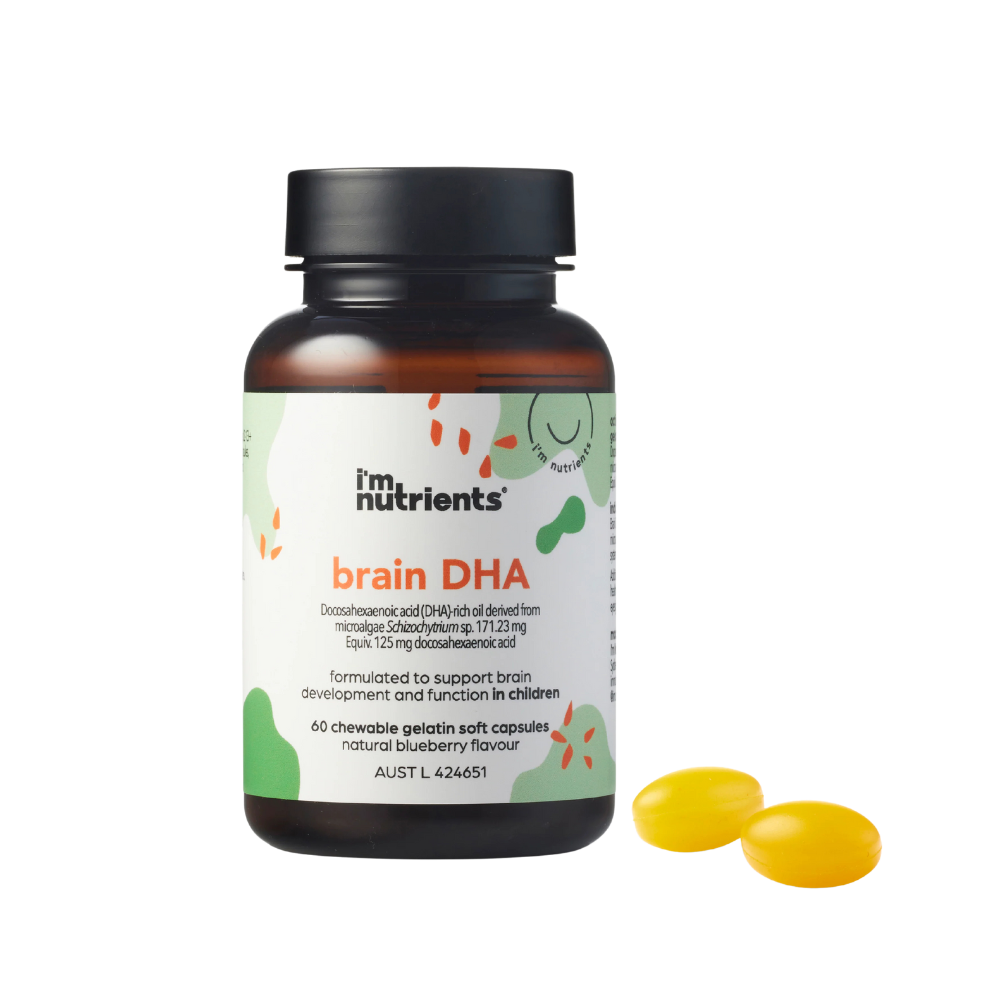
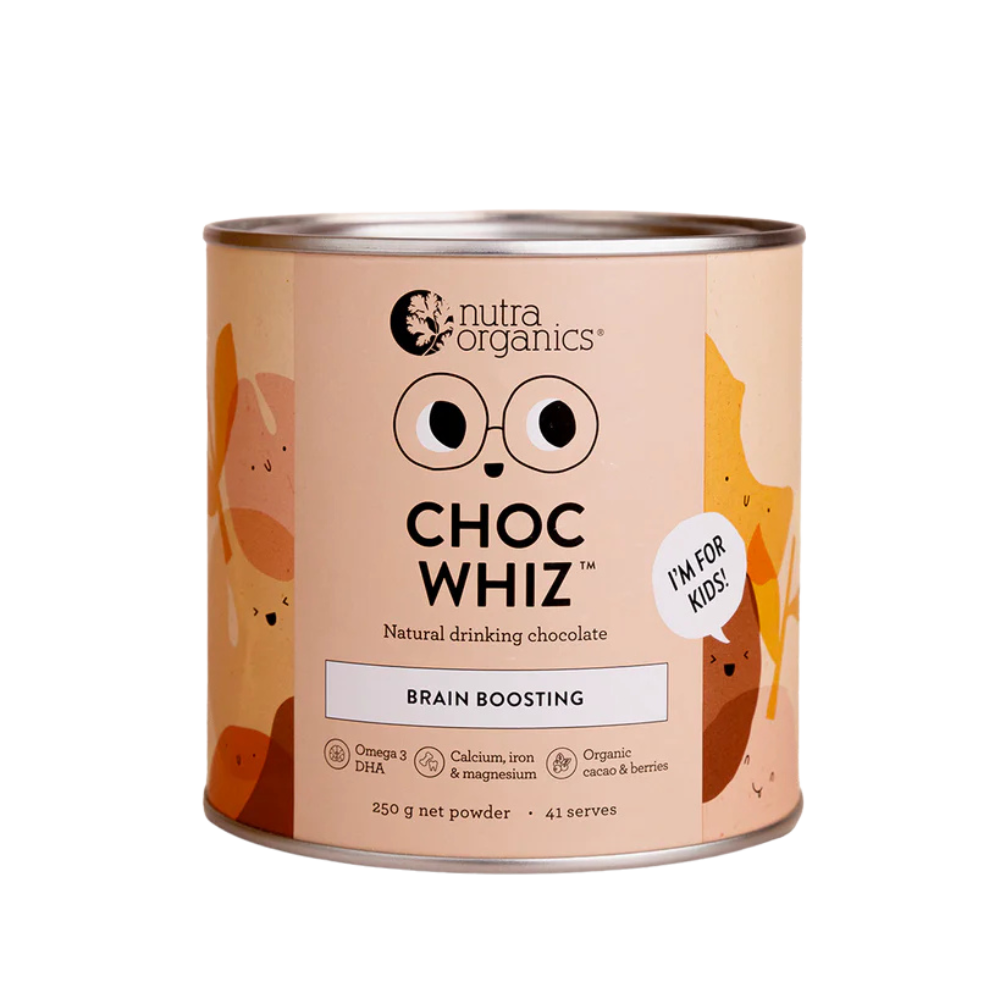
- Omega-3 DHA, the primary structural fatty acid in the brain and an area commonly considered in cognitive function
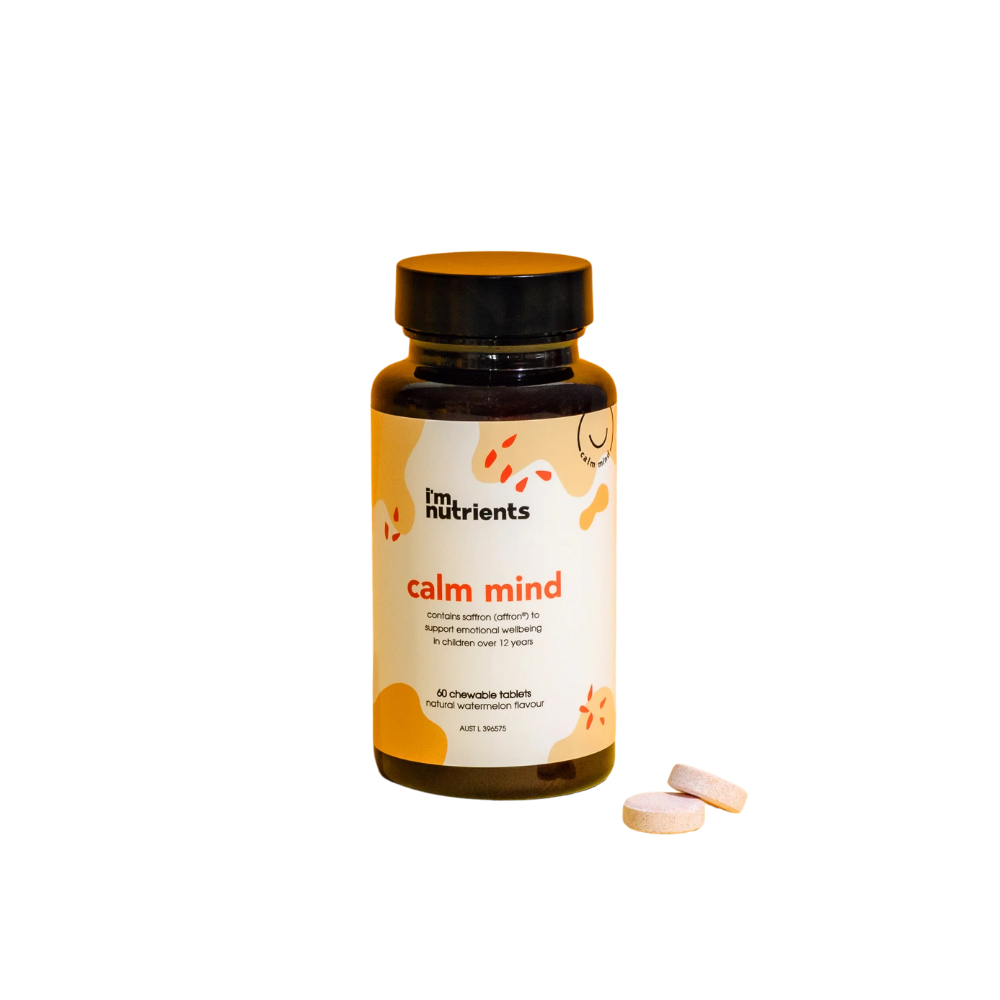
- Magnesium, an area commonly considered for nervous system support and emotional regulation in children
- Iron and zinc, both relevant to dopamine pathways and frequently assessed in children with focus and behaviour concerns
- Gut-brain axis support, including age-appropriate probiotics where relevant, given the microbiome's role in mood and cognitive function
- B vitamin and amino acid foundations, which support neurotransmitter production including serotonin, dopamine and GABA pathways
COMMON QUESTIONS ABOUT CHILDREN'S BEHAVIOUR AND FOCUS
To help you feel clearer about your next steps
Can nutrition really affect my child's behaviour and attention?
Nutrition is one of several factors that may influence children's focus, behaviour and emotional regulation. Research has explored connections between omega-3 status, iron, zinc and magnesium, and aspects of cognitive function and behaviour in children. Addressing nutritional foundations doesn't mean abandoning other approaches, but it does mean a more complete view of what may be supporting your child's day-to-day function.
Does sugar cause hyperactivity in children?
The direct link between sugar and hyperactivity isn't strongly supported by controlled trials. However, the dietary patterns that often accompany high sugar intake, including lower intake of vegetables, protein, omega-3 and micronutrients, may be associated with poorer behavioural and cognitive outcomes. Blood sugar fluctuations after high-sugar meals may also affect mood and concentration. The overall dietary pattern matters more than any single ingredient.
What role does omega-3 play in children's brain development?
DHA, the long-chain omega-3 found primarily in oily fish, is a structural component of the brain and retina. It's involved in neuronal membrane function and the regulation of inflammation, and may support aspects of children's cognitive function, attention and emotional regulation. Most Australian children don't consume oily fish often enough to meet recommended intakes, which is why supplementation is often considered.
My child has an ADHD diagnosis. Can naturopathic support help?
Naturopathic support can be a meaningful complement to your child's primary management approach, which may include medication, behavioural therapy or educational adjustments. We don't replace any of that. We focus on nutritional foundations and lifestyle factors that may help your child feel and function better day to day. We work alongside your child's treating team, not around them.
How does gut health connect to my child's mood and behaviour?
The gut and brain communicate through several pathways, including the vagus nerve, the enteric nervous system and shared neurotransmitter systems. Gut health is an area of growing research interest in children's mood, anxiety and emotional regulation. Considering gut health as part of a child's broader picture is an area we frequently work in, alongside whatever other care your child is receiving.
Are there supplements I should avoid for children's focus?
Not all products marketed for children's focus and behaviour are well-researched, and some contain stimulating herbal ingredients that aren't appropriate for children. Be discerning about strong claims without clear ingredient transparency. High doses of single nutrients without identifying whether your child actually needs them can also be unhelpful. A practitioner assessment is the most reliable way to know what's appropriate for your child specifically.
Can I buy products without booking a consultation?
Yes. Every product in our range has been selected by our clinical Naturopaths, so you are welcome to shop the collection independently if you have a clear sense of what you are looking for. If you would like guidance on which products are most relevant for your specific situation, our team is available for a free discovery call or a more in-depth consultation.
Do you offer consultations online?
Yes. Our Naturopaths and Homeopaths are based in Liverpool, Sydney and offer consultations online across Australia. A discovery call is a free, 15-minute introduction and is available to book online. You can also meet our practitioners to find the right fit for your needs.