PCOS
A clinical-first approach to PCOS
Two women with the same diagnosis can have very different drivers
Most women we see with PCOS have a diagnosis, but many have not had a chance to explore which type of PCOS is most relevant for them, or what is actually driving their individual picture. PCOS is one of the most variable hormonal conditions in women's health, and two women with the same diagnosis can have very different drivers. This page is a starting point for understanding which presentation may apply to you, and where natural PCOS support can sit alongside your medical care.
Who we work with
You might recognise yourself here
Your cycles are irregular, very long or sometimes absent for months
Irregular or absent cycles are one of the most common presentations of PCOS, and they can be a sign that ovulation is happening inconsistently. Cycle health is influenced by a combination of factors, including hormonal patterns, insulin sensitivity and stress. Understanding what your cycle is telling you is often the first step. We look at the patterns alongside other contributing factors, so you have a clearer picture to work from.
You have a PCOS diagnosis and want more targeted support
A diagnosis of PCOS is a starting point, not a complete picture. Two women with the same label can have very different drivers - for some it is metabolic, for others it is androgenic, and for others again it is primarily a cycle concern. Our Naturopaths take a clinical-first approach, considering your full health picture and tailoring support to your specific presentation, alongside any medical care you are receiving.
You have acne, oily skin, excess hair growth or thinning
Symptoms like persistent acne, oily skin, excess facial or body hair, or hair thinning can reflect androgen-related patterns common in PCOS. These symptoms can feel deeply confronting, particularly when standard treatments have not addressed the underlying picture. We look at what may be driving these signs, considering hormonal patterns, blood sugar regulation and inflammation as part of a broader plan.
Carbohydrates and sugar noticeably affect how you feel and function
Insulin resistance is a common feature of PCOS, and many women notice it through how their body responds to certain foods. Energy crashes, cravings, weight changes and mood shifts after meals can all be signs that blood sugar regulation is worth looking at. We consider this as part of a broader assessment, working alongside any medical investigations underway.
You are trying to conceive and ovulation is hard to confirm
PCOS is one of the most common reasons for irregular or absent ovulation, which can affect timing for conception. Many women with PCOS do conceive, particularly when their cycle health is supported alongside any fertility treatment. We work alongside fertility specialists where appropriate, and our role is to support your broader hormonal and metabolic picture in the months leading up to and during conception attempts.
You want to manage PCOS over the long term
PCOS is a long-term condition, and the most useful approach is one that fits sustainably into your life. We work with women across the different life stages where PCOS shows up - teen years, fertility years, perimenopause and beyond - adjusting the focus as your needs change. The goal is not a quick fix but a considered, individualised approach you can stay with.
There are two ways to take the next step. If you have a clear sense of what you need, our practitioner-selected PCOS range is a useful place to start. If you would like guidance on which support is most relevant for your specific picture, our discovery call is free, takes around 20 minutes, and gives our clinical team a chance to understand where you are and whether we are the right fit. Our Naturopaths and Homeopaths are based in Liverpool, Sydney and consult online across Australia. You can also meet our practitioners to find the right fit for your needs.
What is actually happening in PCOS
PCOS is estimated to affect 8 to 13 per cent of women of reproductive age in Australia, and is thought to remain undiagnosed in many women. Despite the name, the presence of cysts on the ovaries is not a diagnostic requirement and is not the primary concern. PCOS is more commonly understood as involving elevated androgens, disrupted LH and FSH signalling, insulin resistance, and disruption to regular ovulation. These factors interact with each other, which means addressing one in isolation is rarely the most useful approach.
There is no single cause of PCOS, and presentations vary considerably. Some women have predominantly androgenic symptoms, others have metabolic features, and some have a primarily functional picture with irregular cycles as the main concern. Identifying which presentation is most relevant to you is the starting point for considered, well-targeted natural PCOS support, alongside any medical care you are receiving.
A clinical-first approach to PCOS
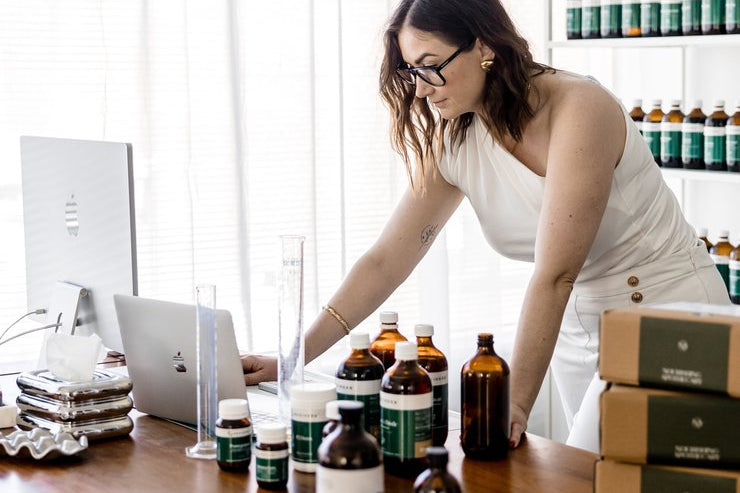
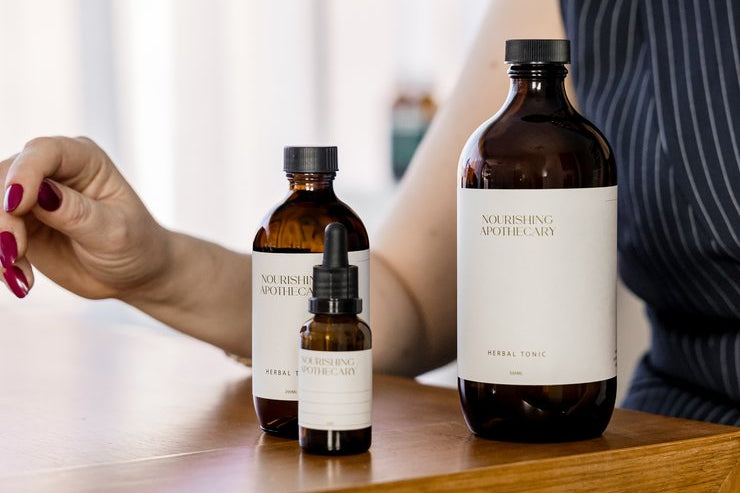
At Nourishing Apothecary, our clinical team is based in Liverpool, Sydney and offers consultations online across Australia. PCOS support works best when it is matched to your specific presentation, rather than applying a generic protocol.
Support may include:
- Reviewing your hormonal panel, metabolic markers and symptoms to consider which type of PCOS may be most relevant for you
- Looking at blood sugar and insulin sensitivity, areas commonly considered in PCOS care
- Reviewing nutritional status and where it may be influencing your picture
- Naturopathic care, herbal medicine and Homeopathic remedies as part of a tailored plan
- Considering how stress, sleep and inflammation may be contributing to your current picture
- Identifying whether further investigation, blood work or specialist referral would be worth discussing
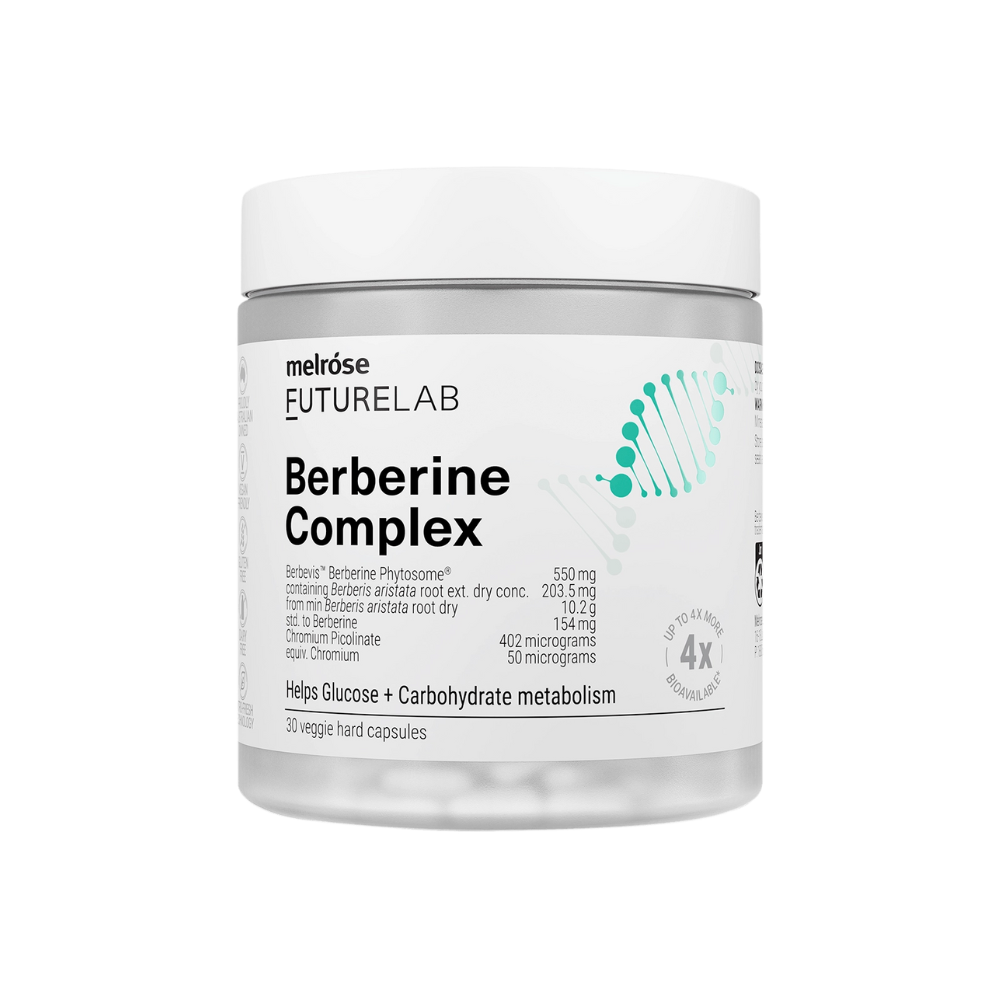
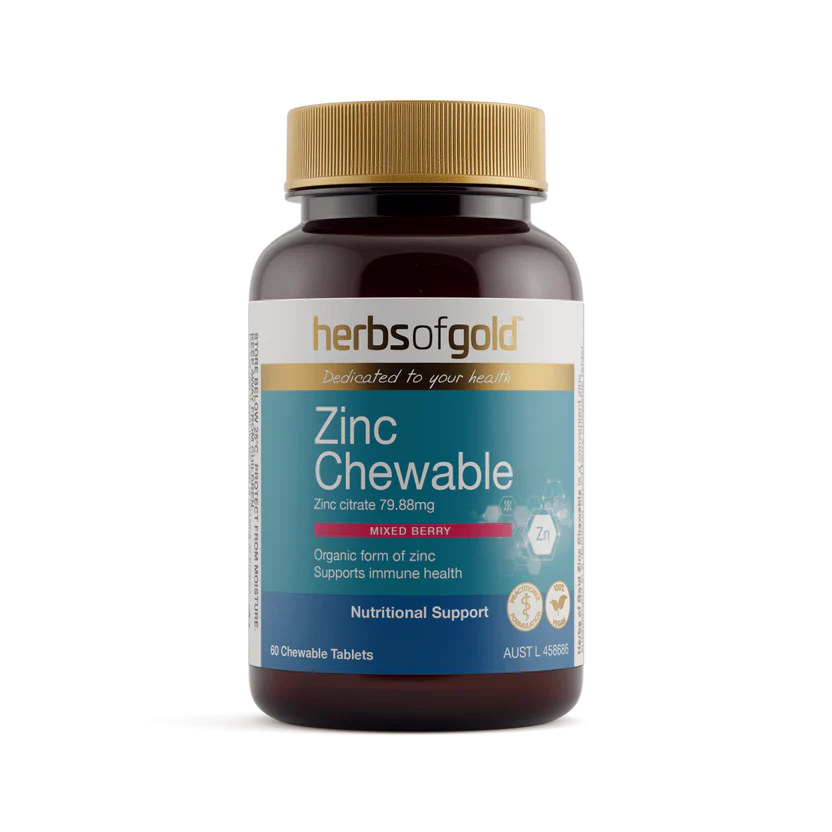
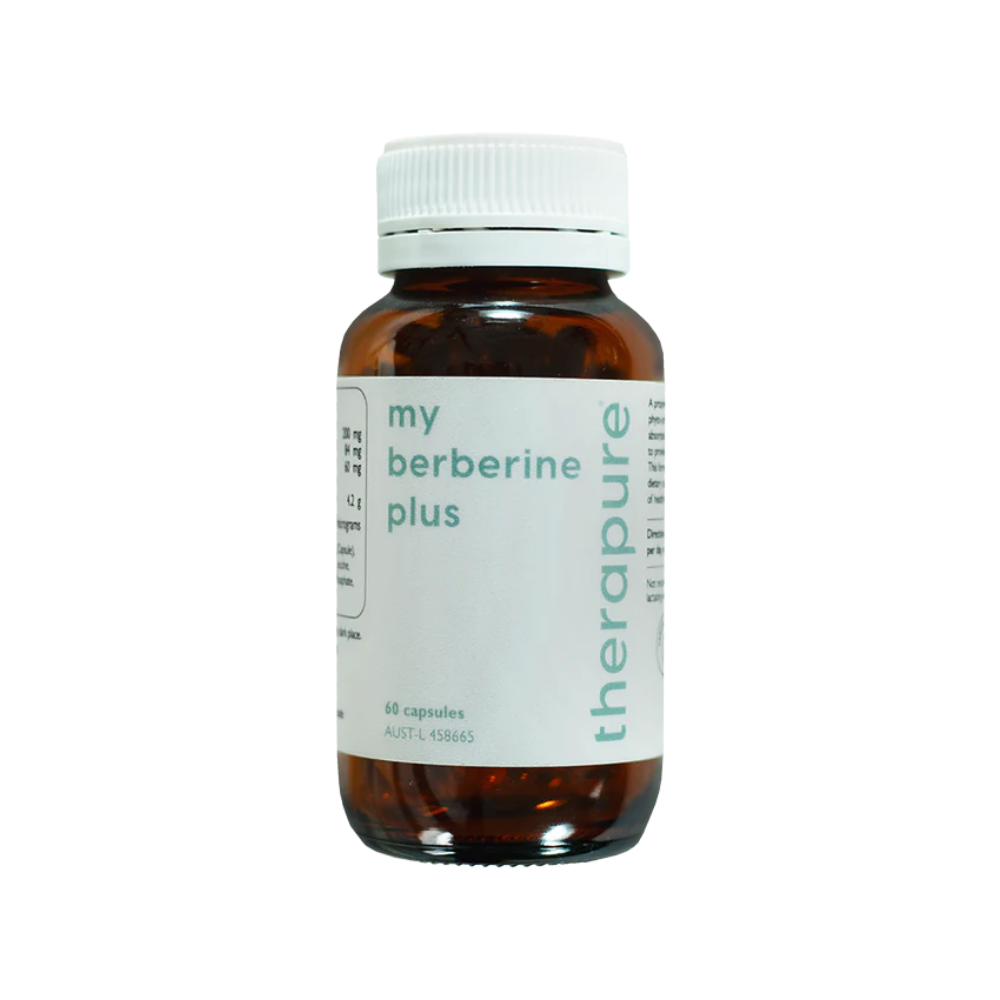
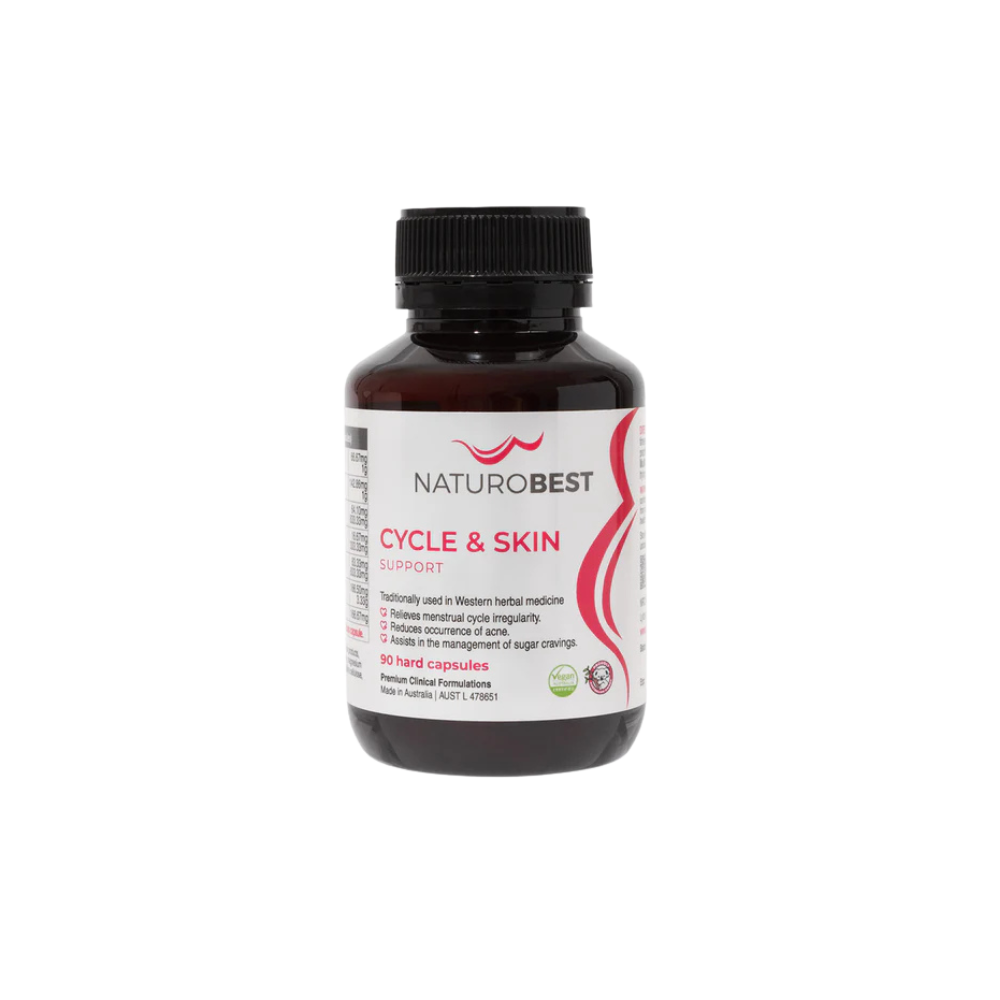
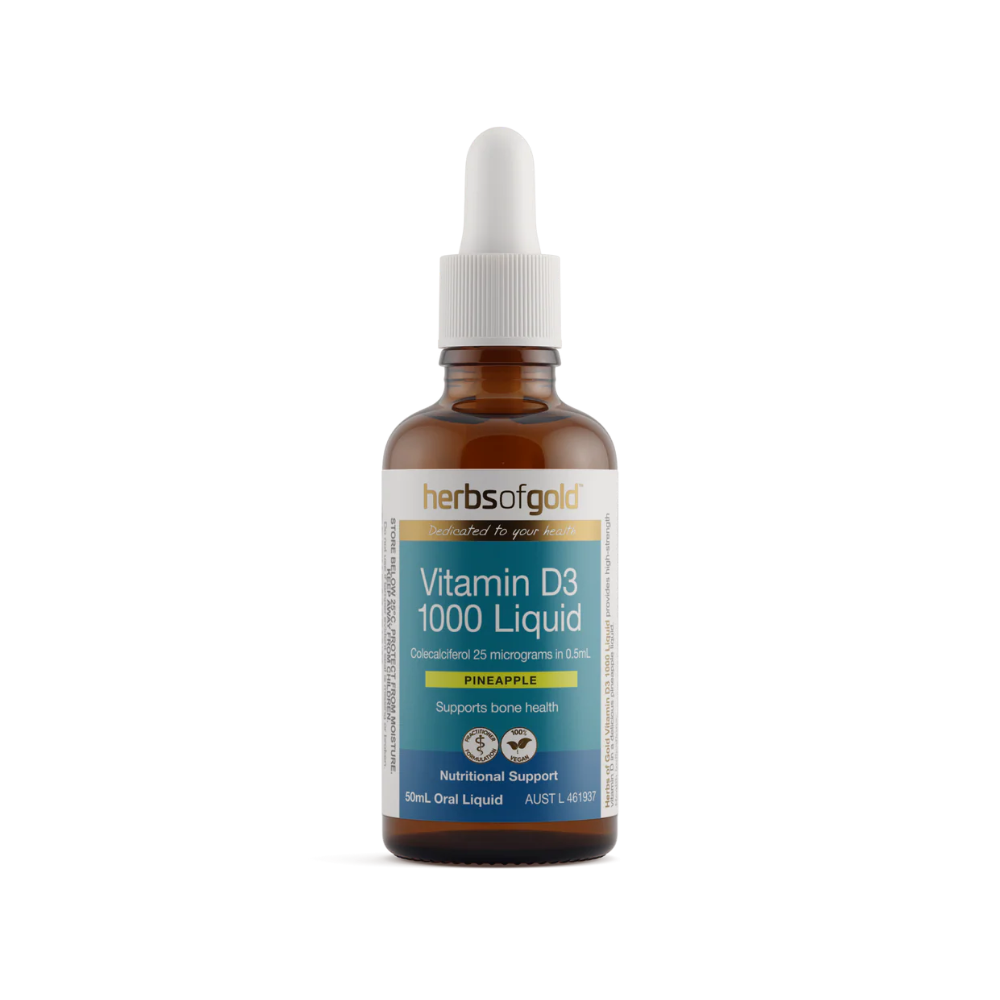
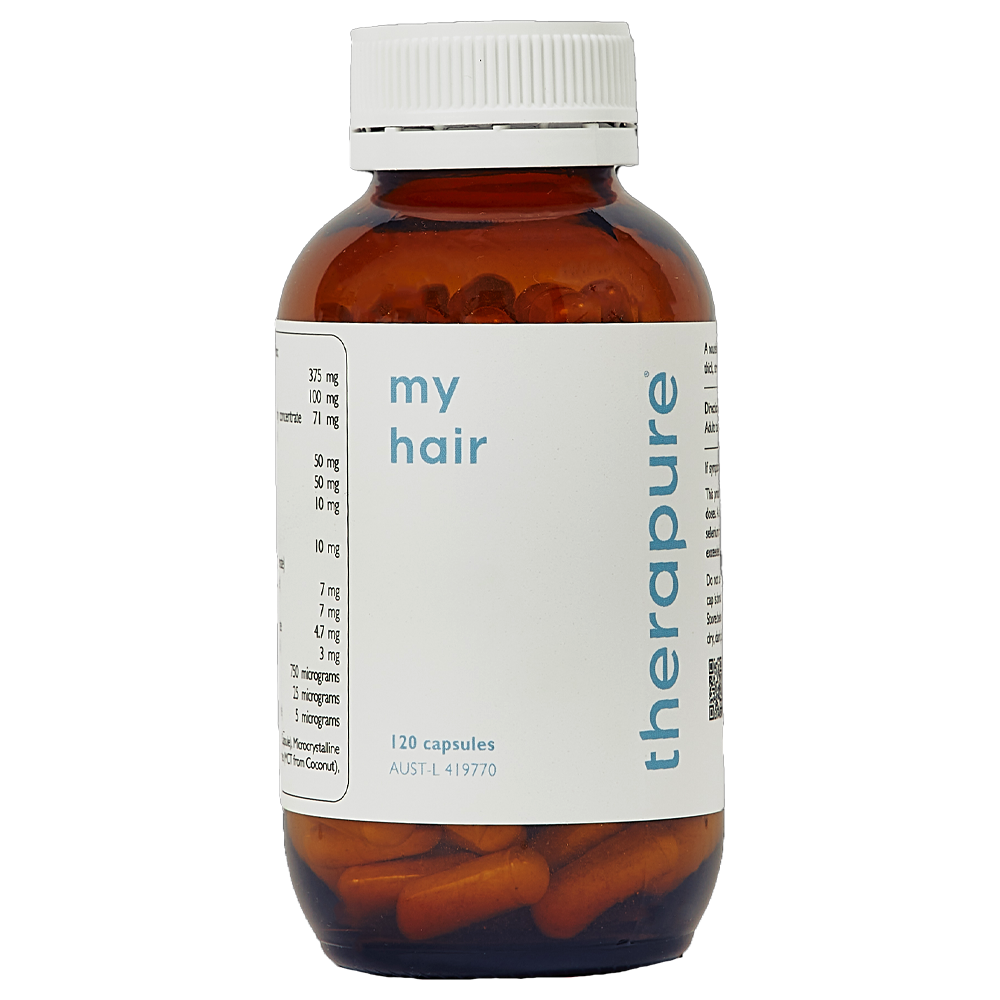
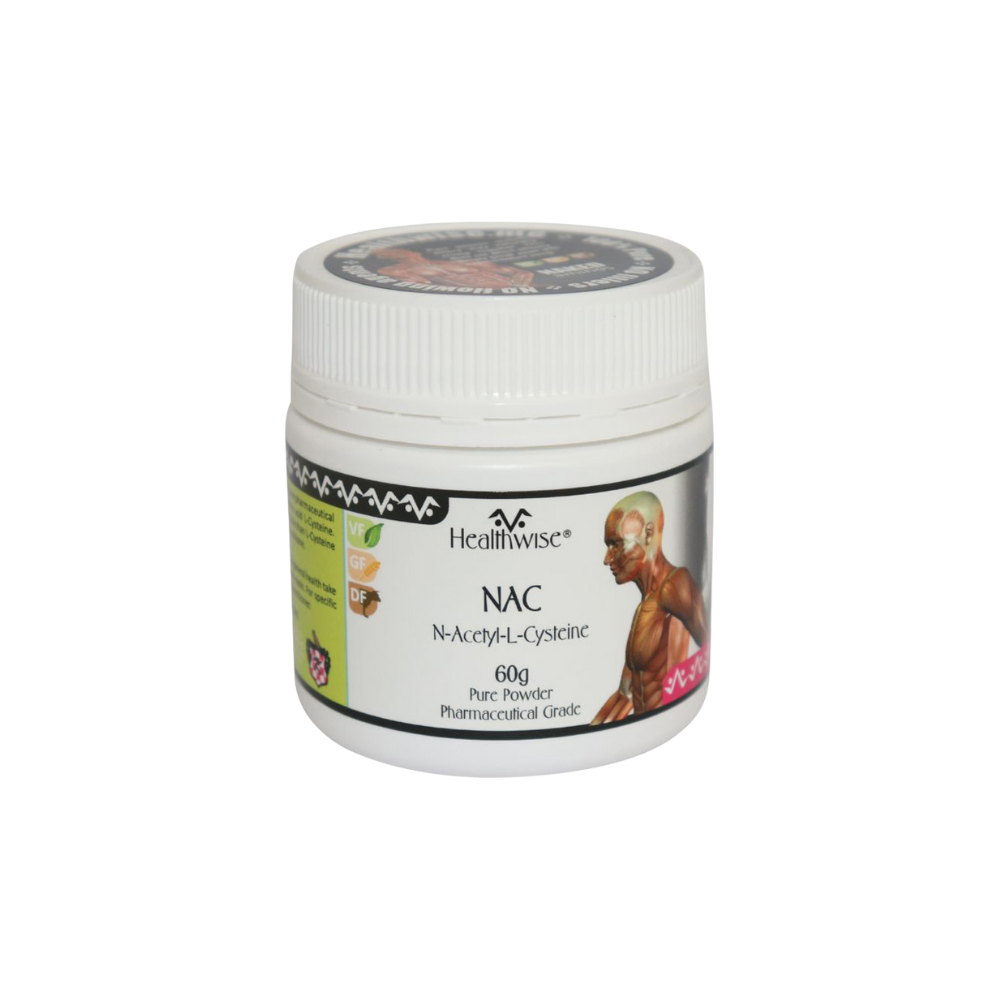
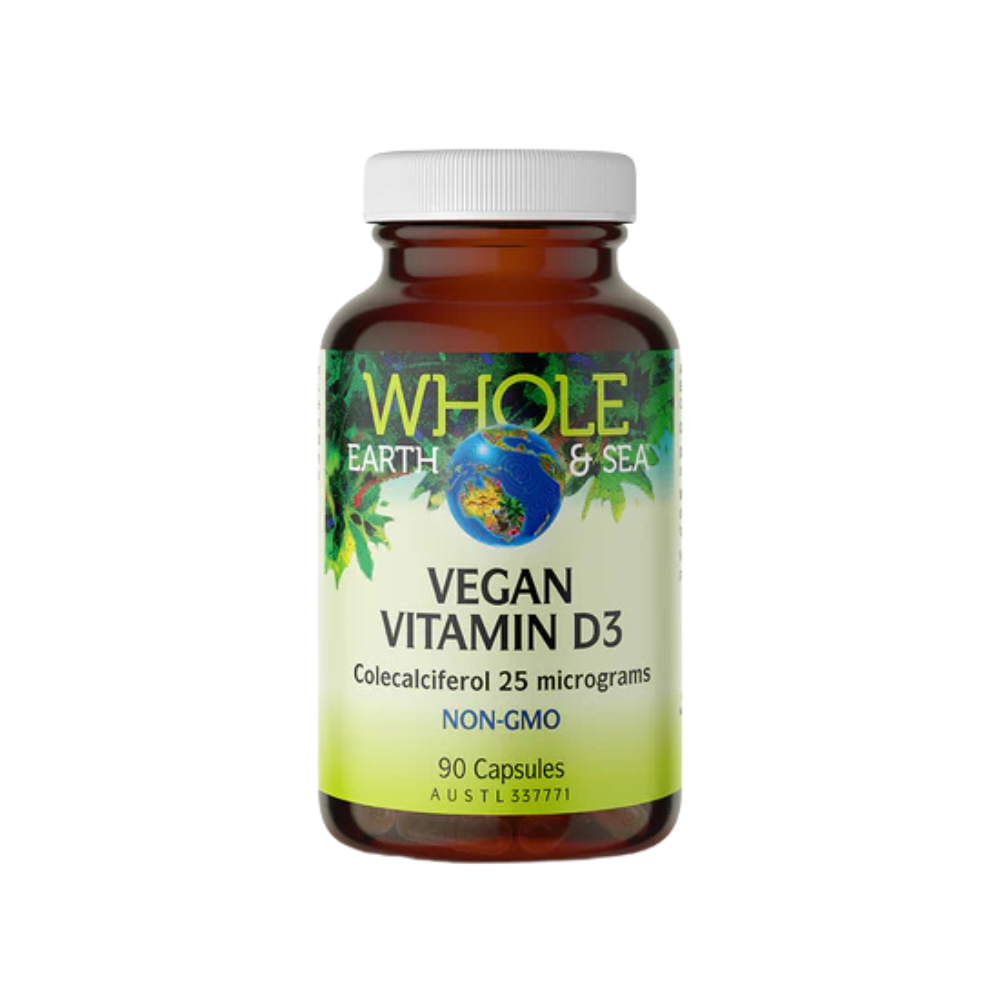
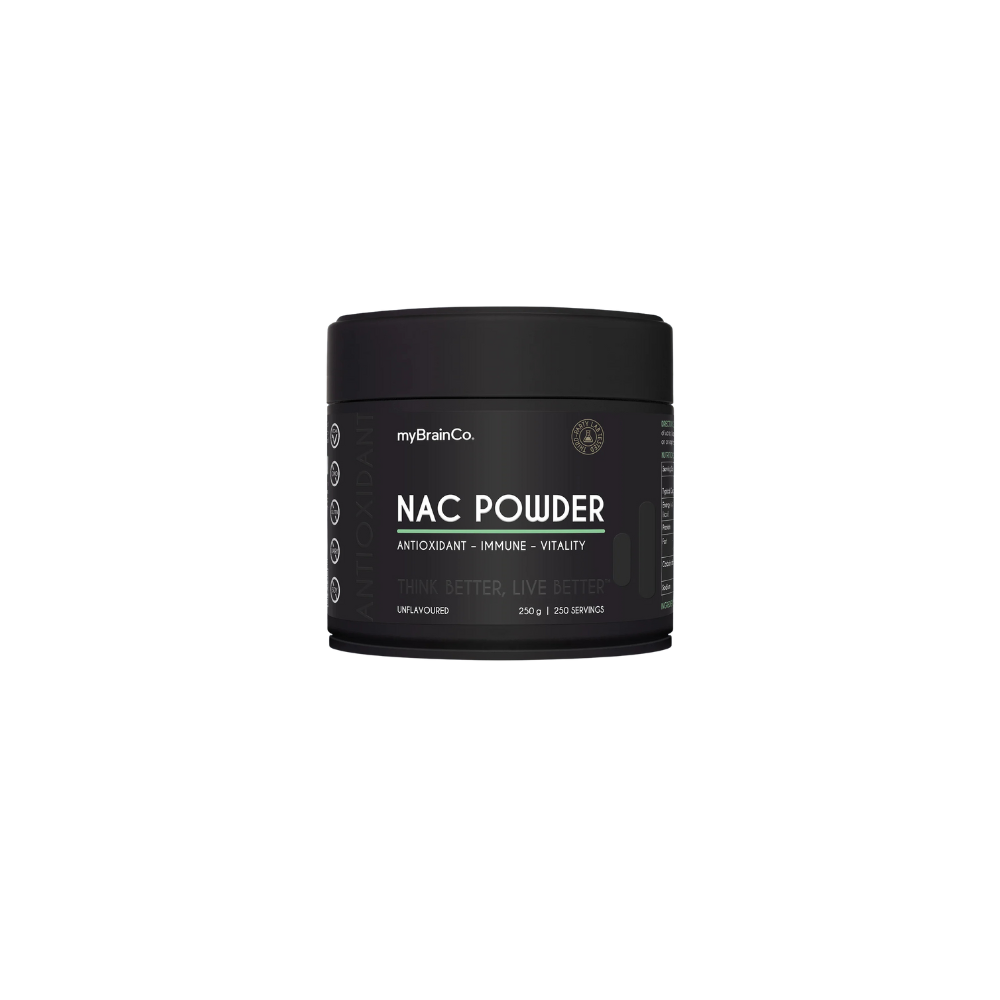
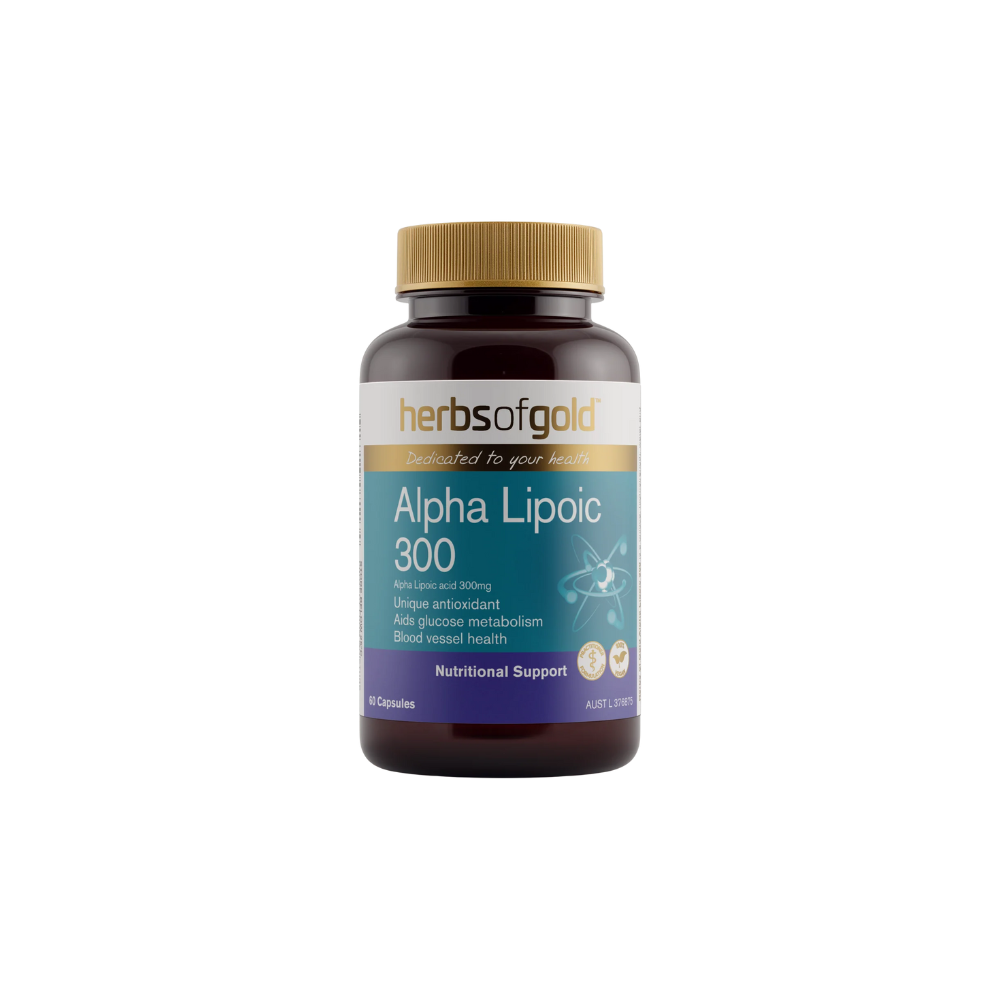
Where targeted supplementation is part of your plan, our clinical Naturopaths may recommend products from our practitioner-selected PCOS range, which you can also browse independently below.
Common questions about PCOS
To help you feel clearer about your next steps
What are the different types of PCOS?
PCOS presents in different ways across different women, which is why a clinical-first approach matters. Some women have predominantly androgenic features, some have metabolic features, some have primarily cycle-related concerns, and many have a combination. Diagnosis and classification of PCOS sit with your GP or endocrinologist, and a complete hormone panel and metabolic assessment is usually involved. As Naturopaths, we work with that clinical picture to consider which areas of support may be most relevant for you.
Is insulin resistance always present in PCOS?
Insulin resistance is commonly associated with PCOS, including in women who are not overweight. It is one of the factors that may contribute to elevated androgen production and disrupted ovulation. Testing for insulin sensitivity is something your GP or endocrinologist can arrange, and it gives a clearer picture of which type of support may be most relevant. We work alongside your medical team and use the results to inform our approach.
What is inositol and why is it commonly recommended for PCOS?
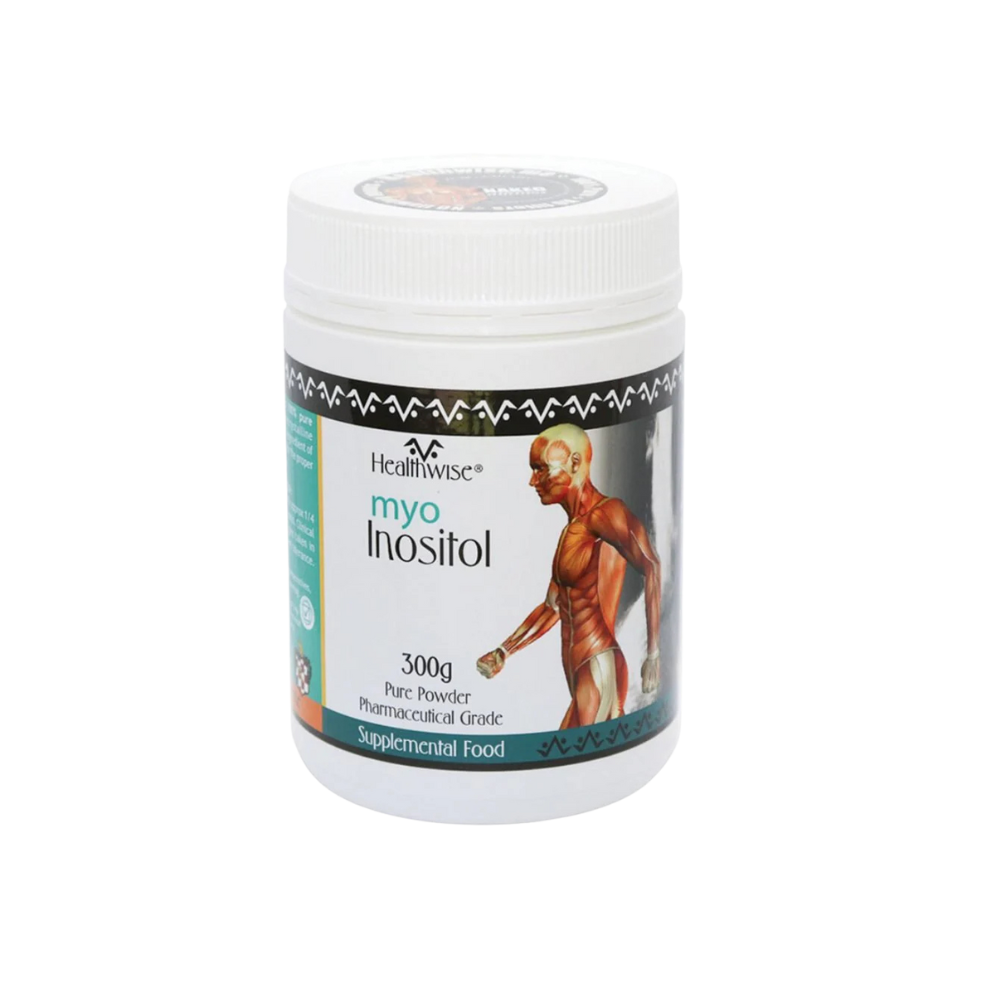
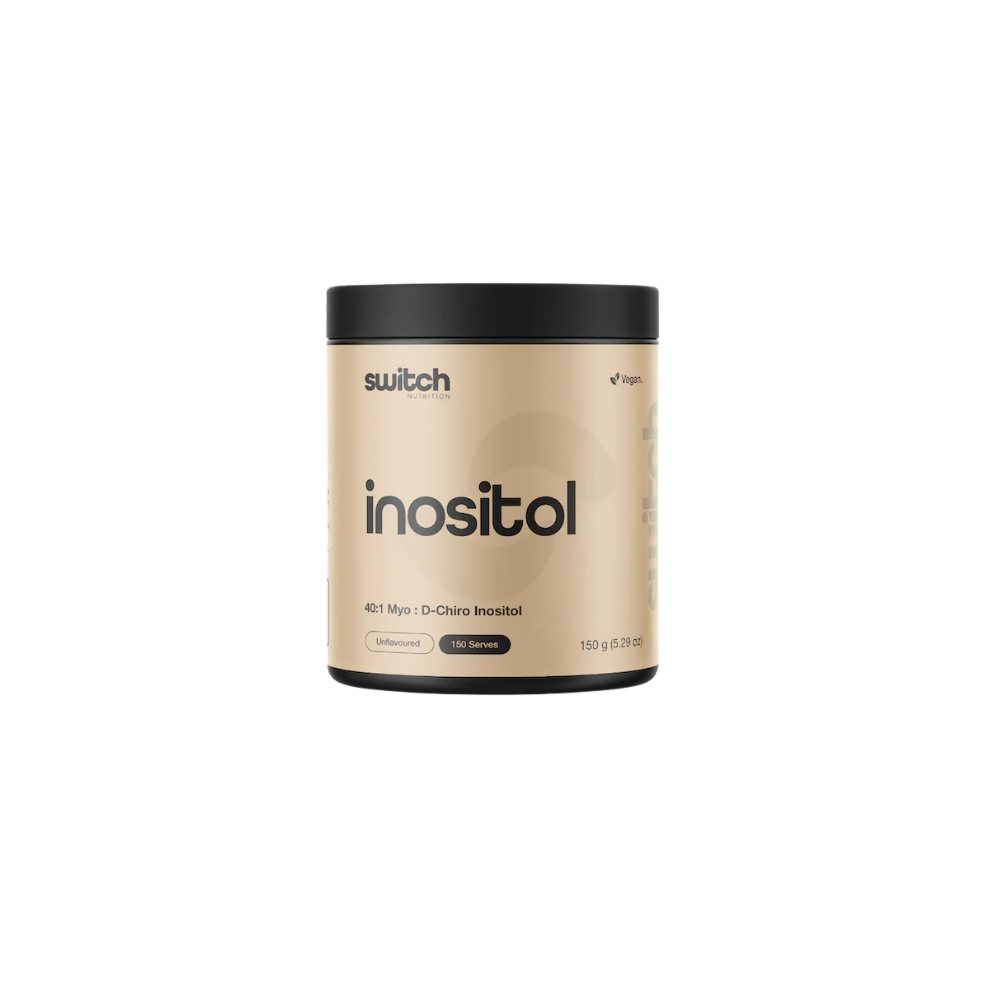
Inositol, particularly the combination of myo-inositol and D-chiro-inositol, is one of the more researched nutritional approaches in PCOS. Research has explored its role in insulin sensitivity and reproductive health, and it is commonly considered as part of a naturopathic approach to PCOS care. The ratio and dose of the two forms vary across products, and a practitioner consultation is the most useful way to consider what may be appropriate for your specific situation.
Can PCOS affect fertility?
PCOS is commonly associated with irregular or absent ovulation, which can affect the timing of conception. That said, many women with PCOS conceive naturally, particularly with appropriate support for cycle regularity, blood sugar balance and broader hormonal health. For those who do not conceive naturally, there are several medical options available. Working with a Naturopath alongside a fertility specialist is a common integrative approach.
Does diet make a difference for PCOS?
Nutrition is a meaningful area of consideration in PCOS support, particularly for the presentations involving insulin sensitivity. General principles often discussed in naturopathic care include reducing refined carbohydrates, increasing protein and fibre, and prioritising whole foods. Anti-inflammatory eating patterns may also be relevant. The most useful approach depends on your individual picture, which is something a consultation can help map out.
Will I always have PCOS?
PCOS is a chronic condition, and management is typically long-term. Many women find that consistent, considered support helps them better understand and manage the day-to-day reality of PCOS over time. The condition does not necessarily worsen with age, and perimenopause can bring its own changes to the hormonal picture. Long-term management with appropriate support is the most realistic and practical approach.
Can I buy products without booking a consultation?
Yes. Every product in our PCOS range has been selected by our clinical Naturopaths, so you are welcome to shop the collection independently if you have a clear sense of what you are looking for. If you would like guidance on which products are most relevant for your specific situation, our team is available for a free discovery call or a more in-depth consultation.
Do you offer PCOS consultations online?
Yes. Our Naturopaths and Homeopaths are based in Liverpool, Sydney and offer consultations online across Australia. A discovery call is a free, 20-minute introduction and is available to book online. You can also meet our practitioners to find the right fit for your needs.