
Children's gut health
Support for happy, healthy little tummies
When the gut is doing more than digestion, and it's time to look properly
Your child's gut shapes far more than just their digestion. It influences immune function, mood, nutrient absorption and how their nervous system responds to the world around them. Many of the concerns we see most often, from recurring illness to food sensitivities to behavioural shifts, have a gut component that often goes unaddressed.
Supporting the gut early may help build a stronger foundation across your child's whole health picture. Our practitioners take a clinical-first approach, looking at what's likely driving the gut symptoms before reaching for products, so the support we recommend is targeted to your child specifically.

WHEN WE CAN HELP
Some of the patterns we see...
Your child has ongoing tummy aches, bloating or loose stools
Persistent gut symptoms in children rarely come from one cause alone. Diet, microbiome composition, gut barrier function, stress and food sensitivities can all play a role. In some cases, what looks like a gut that needs probiotics is actually a gut that won't respond well to them, and identifying which is which matters. We help you investigate the picture systematically and identify what's most likely contributing, rather than working through trial and error on your own.
Your child has had antibiotics and gut hasn't been right since
Antibiotics are sometimes necessary, but they can affect your child's microbiome in ways that take time to settle. We can help you support recovery with age-appropriate probiotics for children after antibiotics, dietary support and follow-up so your child rebuilds gut and immune resilience properly, rather than being left to bounce back unsupported.
Your child has eczema, food reactions or skin flare-ups
Skin and gut health are increasingly recognised as connected in children. Eczema, hives and other inflammatory skin conditions often have a microbiome and gut component worth investigating. Addressing the gut as part of a broader skin support plan is something our practitioners commonly do, alongside any dermatological care your child may already be receiving.
Your child is selective with food and you worry about absorption
Selective eating can mean a narrow microbiome diet and limited nutrient variety. We can help you understand what's likely affected, where to focus first, and how to gently expand variety without forcing the issue. Often the gut itself benefits from targeted support before food variety becomes easier.
You see anxiety, mood or sleep changes alongside gut complaints
Children's gut and brain are closely communicating systems, which is why gut symptoms often appear alongside mood, anxiety or sleep changes. If you're noticing this pattern in your child, addressing the gut picture is often a useful starting point, even when the most obvious symptoms aren't digestive.
You'd rather support gut health proactively, before things slide
Plenty of parents come to us before there's a crisis, particularly if there's a family history of gut, allergic or autoimmune conditions. Working on gut foundations early, especially in the first decade of life, is one of the most worthwhile things you can do for your child's longer-term health and resilience.
The gut shapes far more than just digestion - it influences immune function, mood, nutrient absorption and how your child's nervous system responds to the world.
If your child's gut symptoms are persistent or you're not sure how to approach them, a discovery call is the simplest way to figure out the next step. We'll talk through what's going on, what's likely contributing, and whether working with us makes sense for your situation. Free, 15 minutes, no obligation.








Why children's gut health is different
What happens with your child's gut in the first few years sets the stage for so much of their later health. The microbiome is establishing itself, and what disrupts it during this window - antibiotics, restricted diets, illness, significant stress - can have effects that show up years later.
Mode of birth, feeding history, antibiotic exposure, dietary diversity and environmental contact all shape the microbial picture that develops. Early disruptions to this process, particularly repeated antibiotic use or a very restricted diet, may have longer-term implications for immune development, development and metabolic health. These connections are an active area of research and clinical interest.
Children's guts are also more responsive than adults' to changes in barrier function, and the gut-brain axis is particularly active in childhood. This is why gut symptoms in children so often appear alongside mood and behavioural changes. Understanding what's driving the picture, whether it's microbiome disruption, digestive function, gut barrier or food-related inflammation, is the most useful starting point for support that genuinely helps.

A clinical-first approach to children's gut health
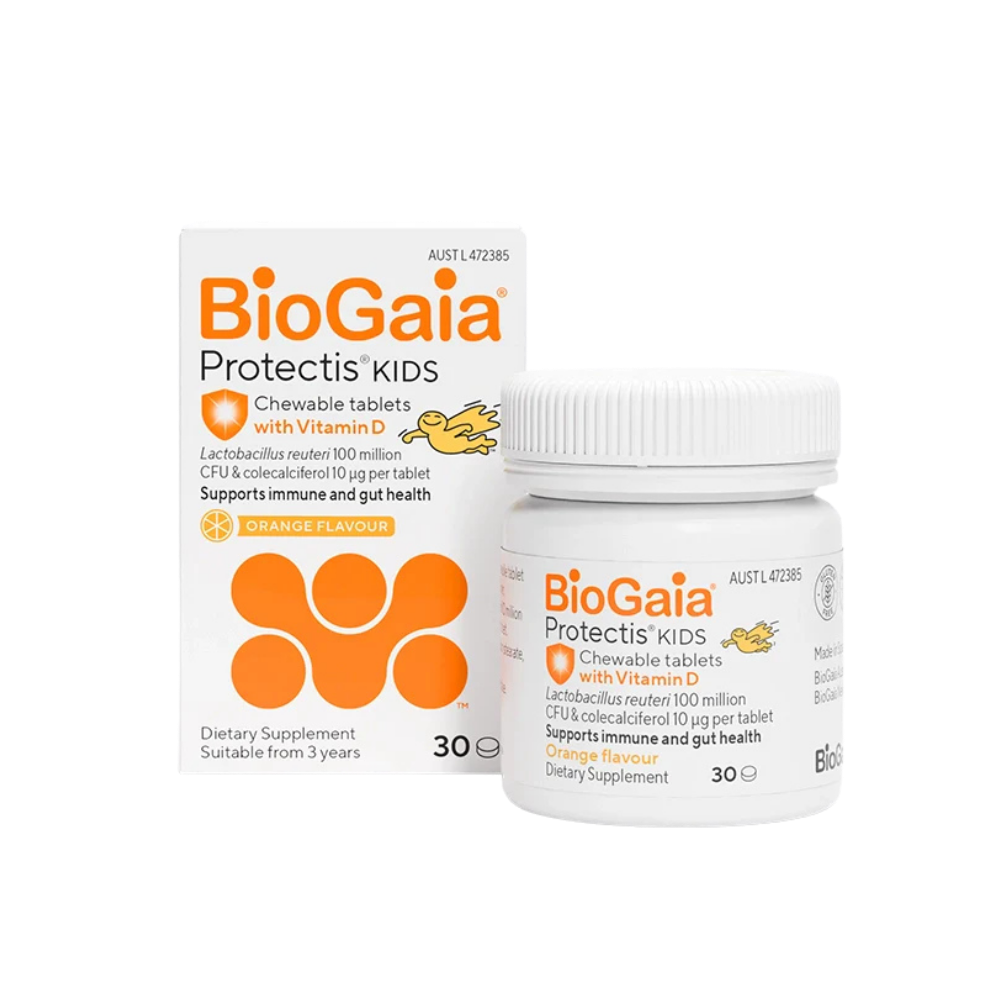
We don't reach for probiotics first. Children's gut support starts with understanding what's actually driving the symptoms - and it's often more layered than 'the microbiome.' We focus on the areas most likely to help your child specifically, with attention to safety and clinical relevance.
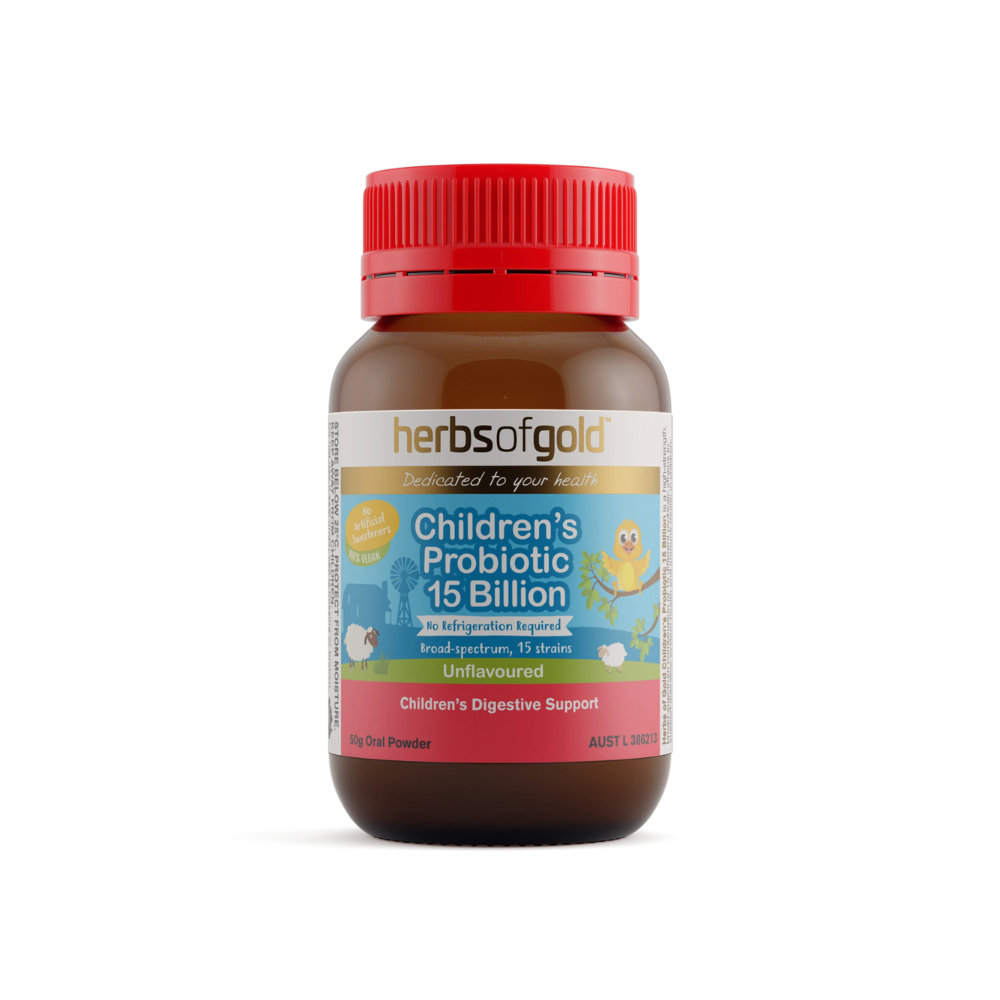
- Age-appropriate probiotic strains, an area commonly considered for microbiome diversity and gut-immune resilience
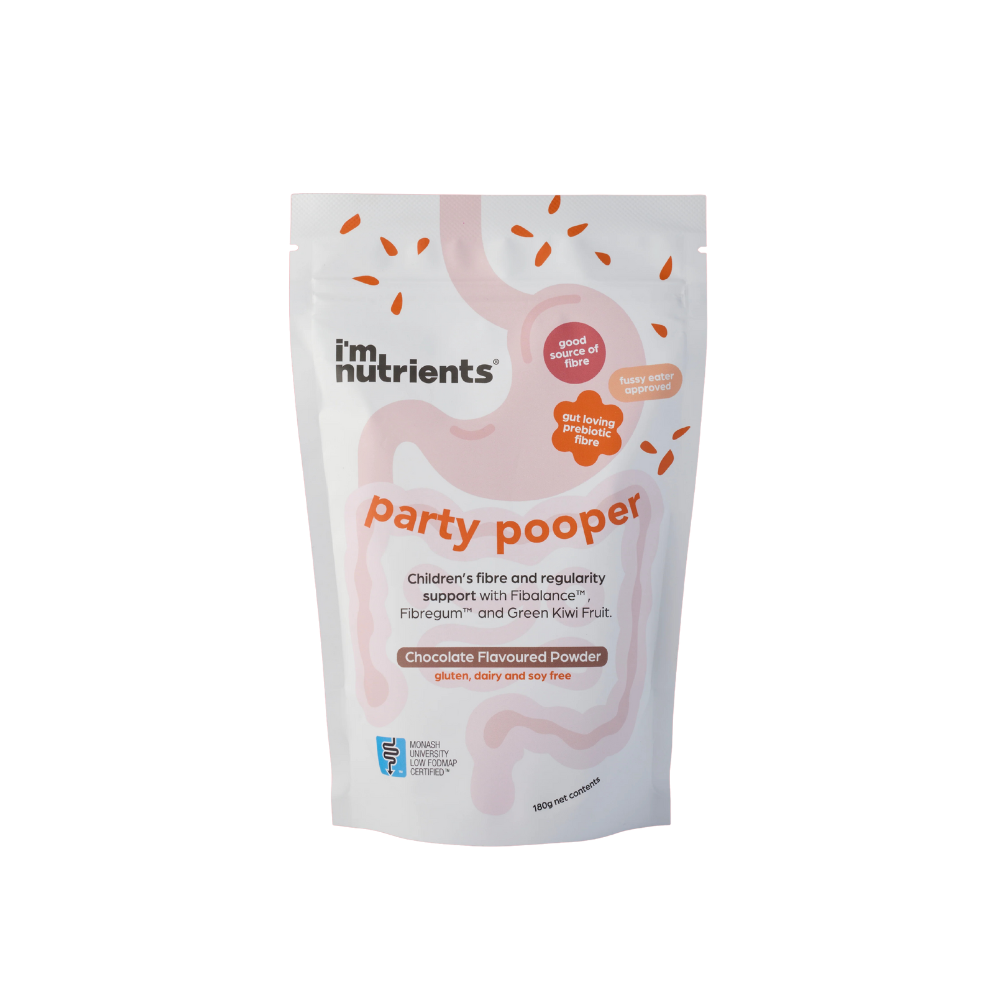
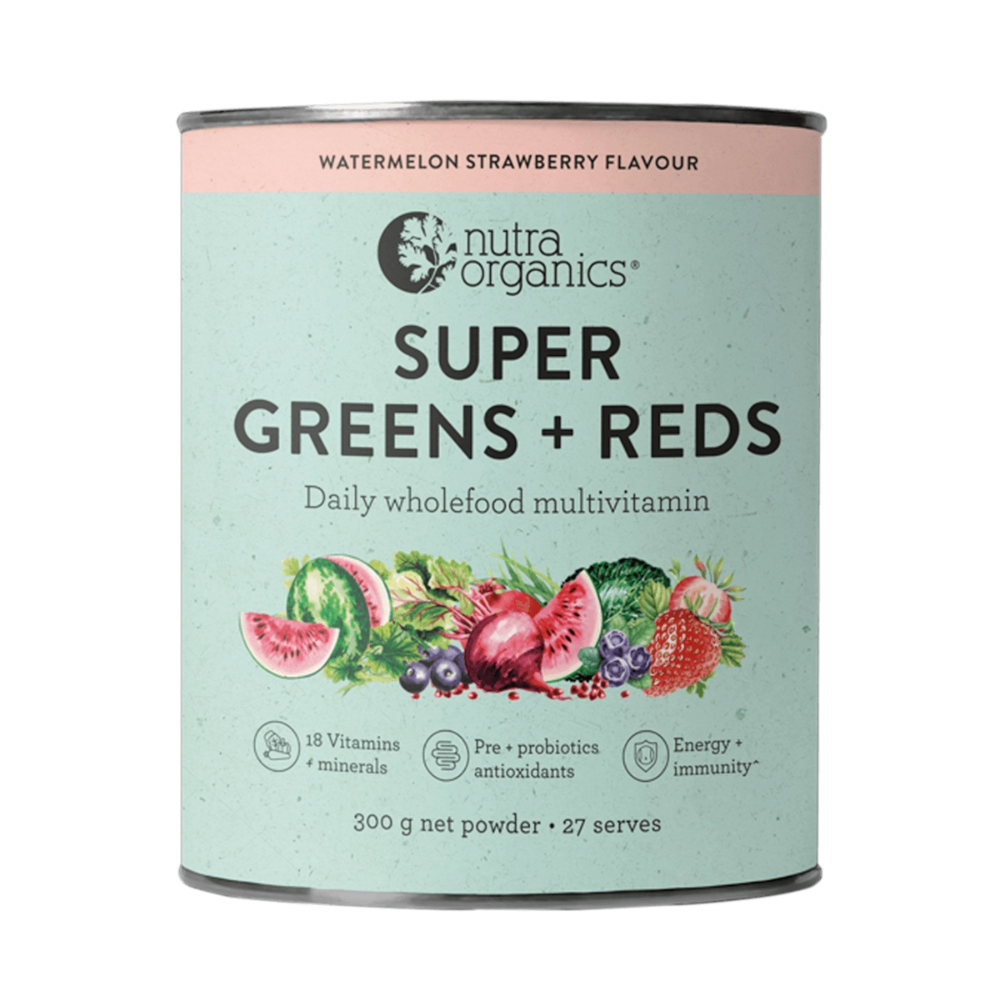
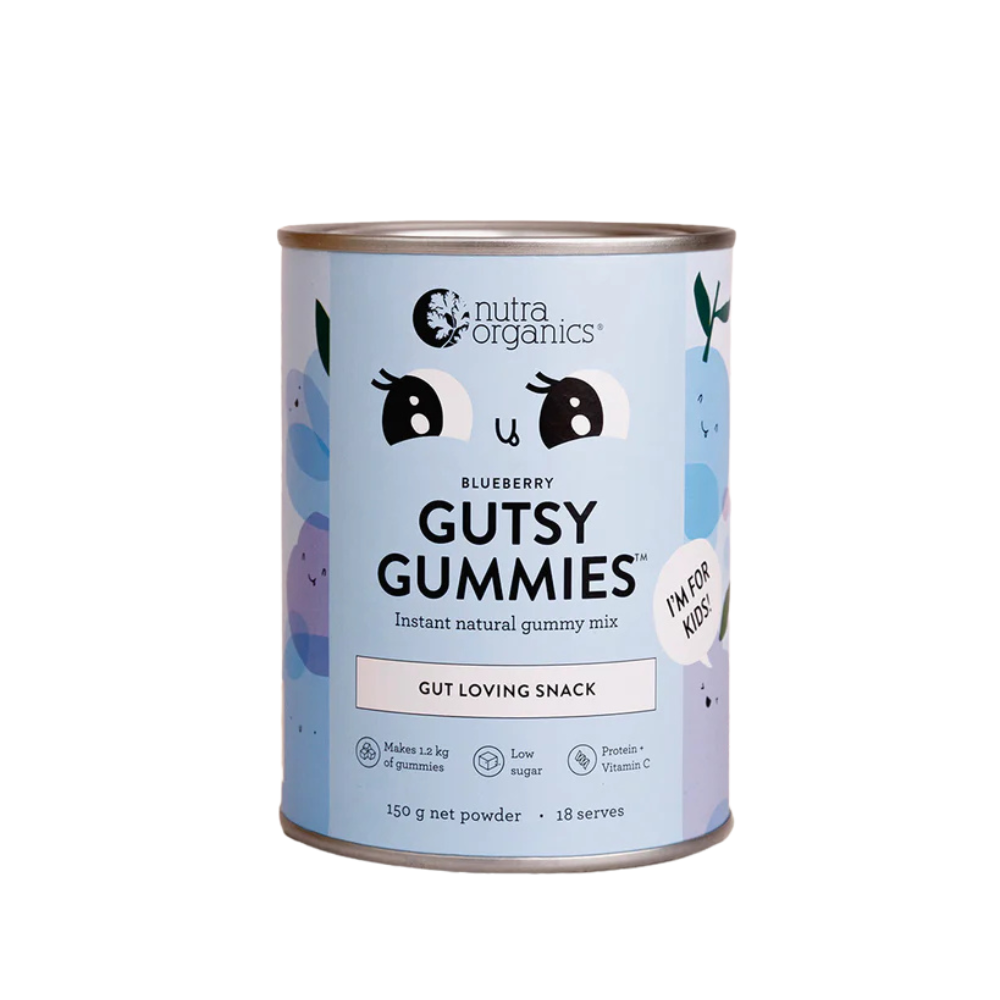
- Prebiotic and fibre support to nourish beneficial gut bacteria and support short-chain fatty acid production
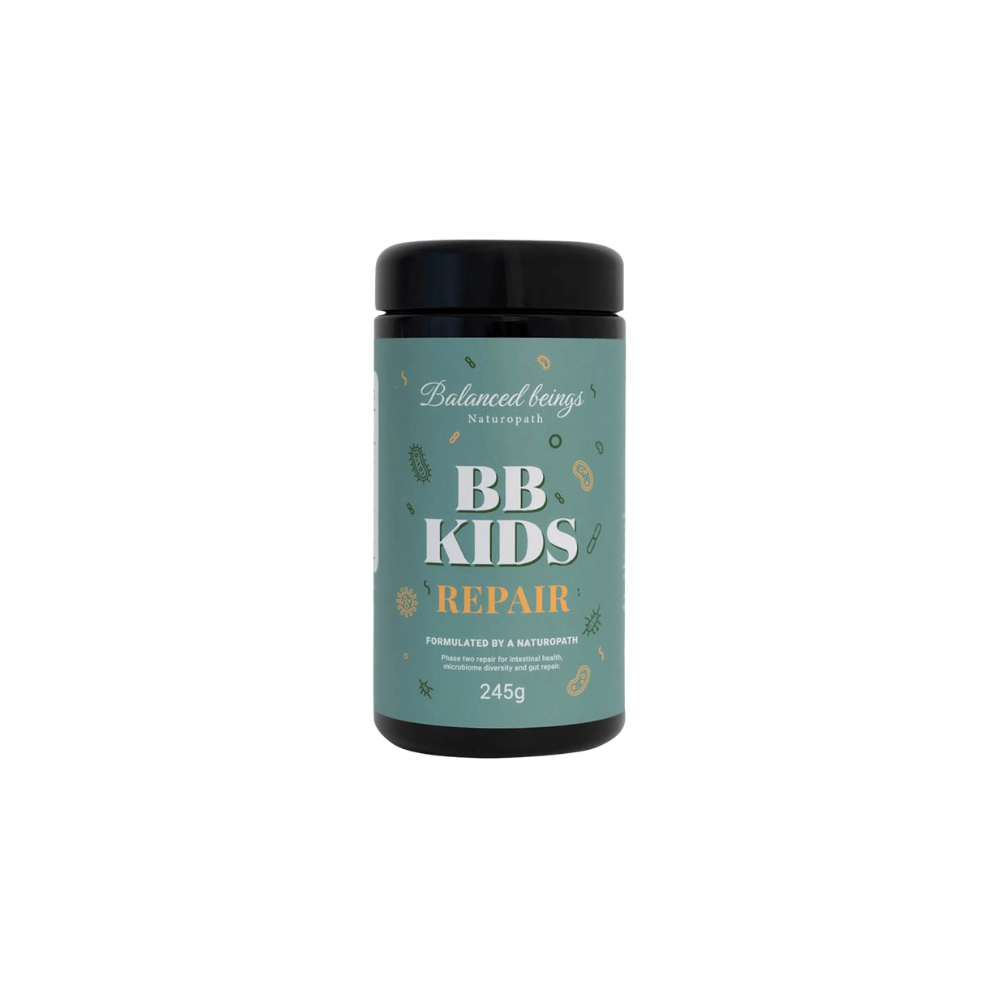
- Gut lining and mucosal support, particularly relevant after antibiotic use, illness, or significant stress
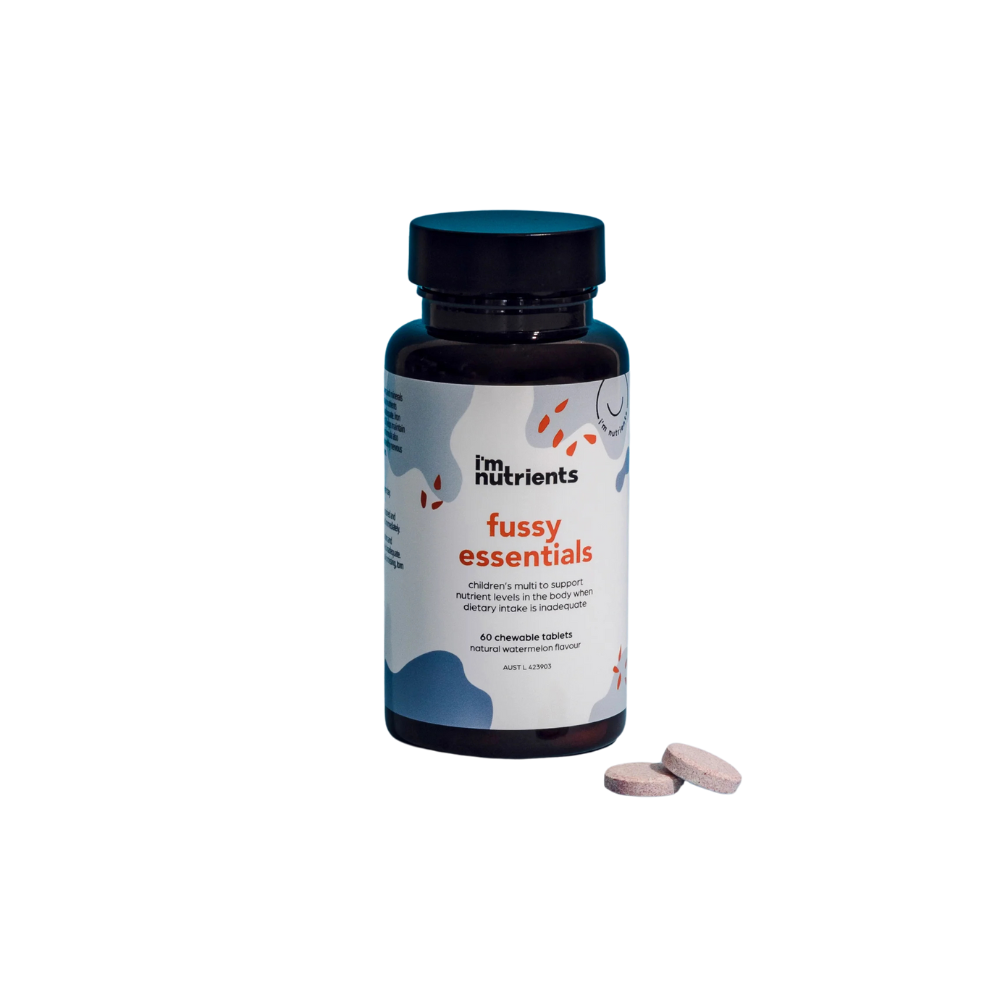
- Digestive support for children with poor nutrient absorption, selective eating or food sensitivity patterns
- Gut-immune foundations including omega-3, zinc and vitamin D, which influence both gut and broader immune function
COMMON QUESTIONS ABOUT CHILDREN'S GUT HEALTH
To help you feel clearer about your next steps
Are probiotics safe for children?
Probiotics that are appropriate for your child's age and in suitable forms are safe for most healthy children. Children's specific formulations use strains studied in paediatric populations. For immunocompromised children or those with central lines, medical guidance should be sought before introducing probiotics. For healthy children, age-appropriate probiotics are typically a low-risk addition to a gut health plan.
How do antibiotics affect children's gut health?
Antibiotics can be among the more disruptive factors for the developing gut microbiome. A single course may reduce microbial diversity in ways that take time to recover. In early childhood, when the microbiome is still establishing, repeated antibiotic exposure has been associated with effects on immune development. Supporting microbiome recovery with probiotics during and after antibiotic courses, alongside fibre-rich foods, is a commonly recommended approach.
Can my child's gut health affect their skin?
The gut-skin connection is a recognised area of clinical interest, particularly in children. Eczema and other inflammatory skin conditions often have a gut and microbiome component. Addressing gut health as part of a skin support approach is something our practitioners regularly do, alongside any dermatological care your child is already receiving. It's not a replacement for medical management, just a complementary layer.
My child has constipation. Is this a gut health issue?
Constipation in children is often multifactorial, involving dietary fibre, fluid intake, physical activity, withholding behaviour, microbiome composition and sometimes motility or nervous system factors. Low-fibre diets and insufficient water are common contributors, but microbiome and gut barrier factors may also play a role. If dietary adjustments alone haven't helped, a more thorough assessment is worthwhile, and persistent constipation should also be discussed with your GP.
When should I start thinking about my child's gut health?
Gut health considerations begin at birth, and are particularly relevant for gut health for toddlers and preschoolers when the microbiome is still actively established. Mode of delivery, feeding method, antibiotic exposure in infancy and the introduction of solids all influence the microbiome that shapes long-term immune and metabolic health. Probiotic support is appropriate from infancy in suitable forms, and dietary diversity from the introduction of solids is one of the most useful things you can do for your child's longer-term gut health.
Can I buy products without booking a consultation?
Yes. Every product in our range has been selected by our clinical Naturopaths, so you are welcome to shop the collection independently if you have a clear sense of what you are looking for. If you would like guidance on which products are most relevant for your specific situation, our team is available for a free discovery call or a more in-depth consultation.
Do you offer consultations online?
Yes. Our Naturopaths and Homeopaths are based in Liverpool, Sydney and offer consultations online across Australia. A discovery call is a free, 15-minute introduction and is available to book online. You can also meet our practitioners to find the right fit for your needs.