PMS and period pain
A considered approach to PMS and period pain
Severe PMS and period pain are common, but they are not the same as normal
Mild discomfort and minor mood shifts in the lead-up to your period can be normal. Severe pain, debilitating PMS, or symptoms that interfere with your work and relationships are common, but they are not the same thing as normal. They often respond to a more thorough understanding of what is driving them, and that is what this page is here for.
Who we work with
You might recognise yourself here
Your mood, anxiety or irritability shifts noticeably before your period
Premenstrual mood changes can range from mild irritability to severe anxiety or low mood that affects your relationships and your work. These shifts are linked to the hormonal changes of the second half of the cycle, but they are not something you have to push through. We consider hormonal balance, nervous system support and nutritional status as part of a broader plan.
Period pain stops you working, sleeping or going about your day
Period pain that disrupts your work, sleep or daily life is not something you should have to simply manage. Severe pain can also be a sign of an underlying condition such as endometriosis or adenomyosis, both of which warrant medical assessment. We work alongside your GP, considering areas like inflammation, prostaglandin pathways and nutritional status.
Your PMS symptoms have worsened in your 30s or 40s
Premenstrual symptoms often shift in the lead-up to perimenopause, sometimes years before periods stop. Mood, sleep, migraine and energy symptoms can all intensify during this transition. If your PMS picture has changed in your 30s or 40s, it is worth considering whether perimenopausal change is part of the picture. We can talk this through with you.
You get cycle-related migraines, breast tenderness, bloating or fluid retention
Cycle-related symptoms like migraines, breast tenderness, bloating or fluid retention often track with the hormonal shifts at ovulation or premenstrually. These are real, common, and often respond to a more thorough understanding of what is driving them. Areas commonly considered include hormonal balance, magnesium status, blood sugar regulation and nervous system support. Severe migraines also warrant a GP review.
You have been told you may have PMDD, or suspect it
PMDD (premenstrual dysphoric disorder) is a recognised clinical mental health condition characterised by significant mood disturbance in the luteal phase. Diagnosis and medical management of PMDD sit with a GP or psychiatrist, and we work alongside that pathway, not in place of it. Naturopathic care can sit alongside your medical care, considering nutritional status, nervous system support and hormonal patterns.
You have tried the lifestyle basics and want more targeted support
You may have already adjusted your sleep, nutrition or stress load and noticed some shifts, but the deeper picture is still there. Naturopathic care can build on those foundations, considering hormonal patterns, the second half of the cycle, inflammation and nutritional status. We work to understand the specific drivers of your cycle, rather than offering a generic approach.
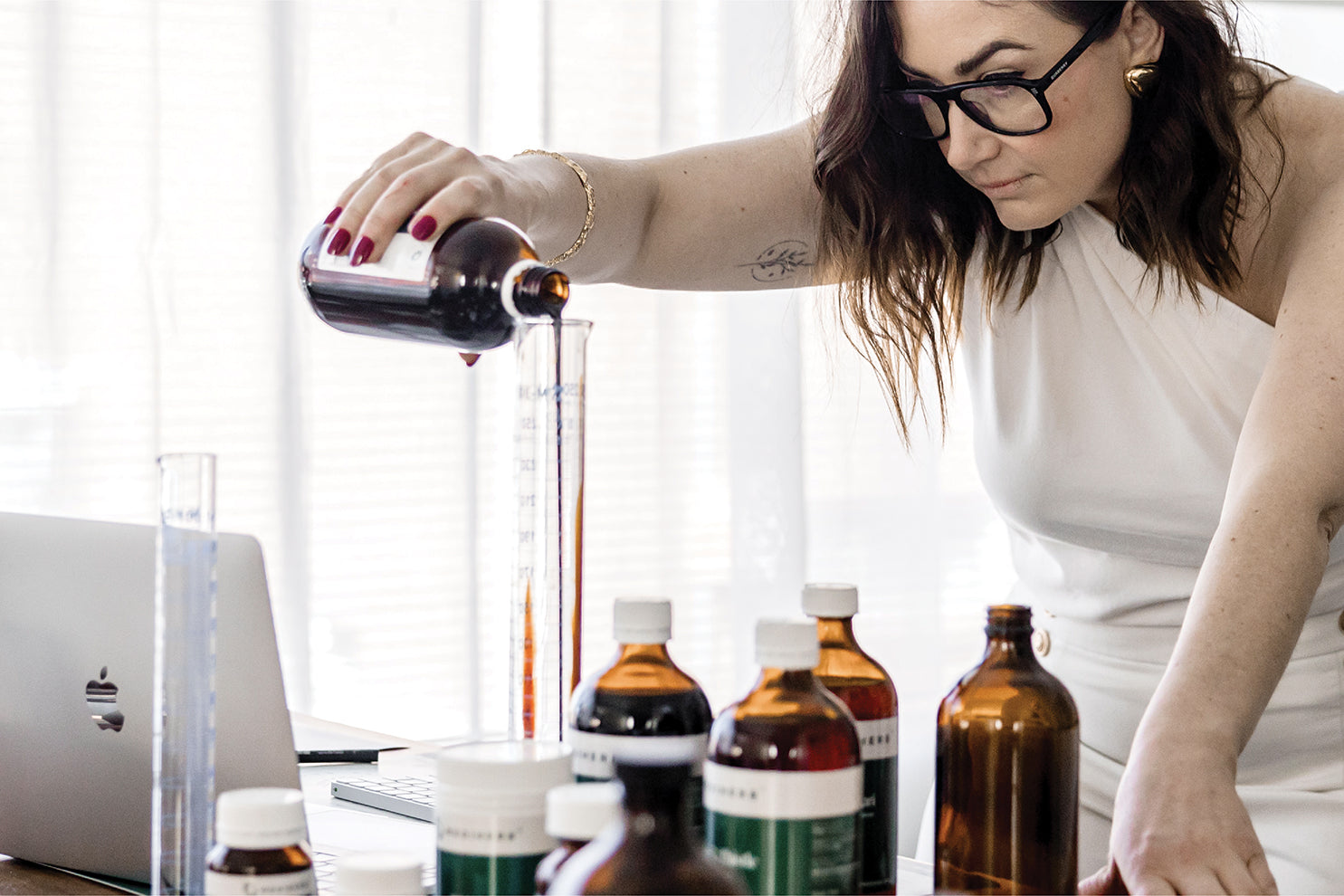
PMS and period pain that disrupts your daily life are not something you should have to navigate on your own. Our discovery call is a free, 20-minute conversation where you can talk to our clinical team about what you have been experiencing, what you have already tried, and where Naturopathic support might sit alongside your medical care. There is no pressure and no expectation, just a chance to be heard and to understand whether we are the right fit for what you need next. Our Naturopaths and Homeopaths are based in Liverpool, Sydney and consult online across Australia. You can also meet our practitioners to find the right fit for you.
What drives PMS and period pain
PMS and period pain are not a single experience. What you feel in the lead-up to your period is influenced by the relative balance of oestrogen and progesterone in the second half of the cycle, by inflammatory mediators such as prostaglandins, by neurotransmitters that respond to hormonal shifts, and by underlying nutritional and stress factors. This is why two women with the same cycle can have very different premenstrual experiences.
Period pain itself is mostly driven by prostaglandins, which trigger the contractions that shed the uterine lining. When prostaglandin levels are high, contractions are stronger, pain is more intense, and other symptoms such as nausea or migraines can come along with it. Severe pain that disrupts daily life is worth investigating with your GP, as it may indicate an underlying condition such as endometriosis or adenomyosis. Natural support sits alongside that medical pathway, not in place of it.
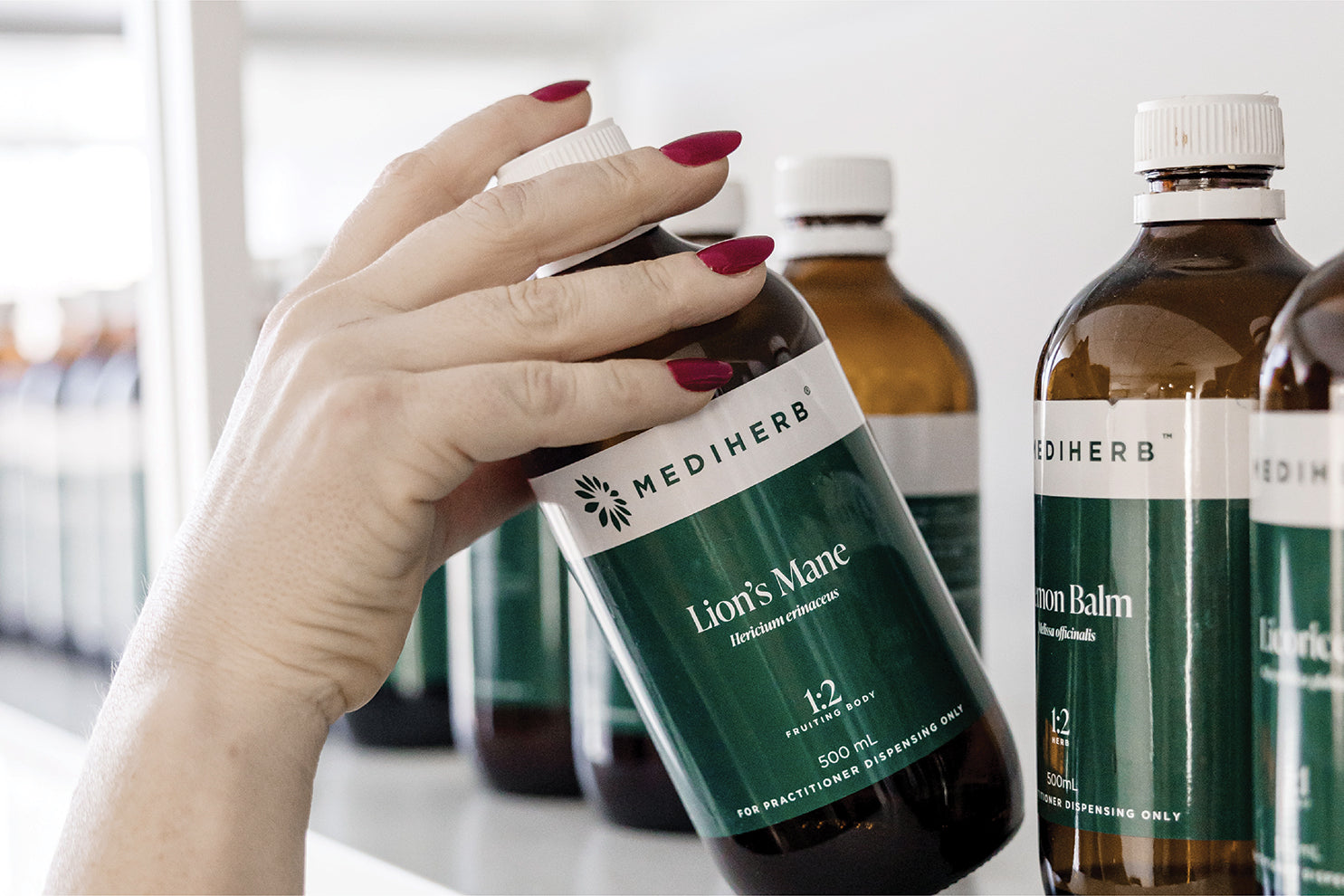
A clinical-first approach to PMS and period pain
At Nourishing Apothecary, our clinical team is based in Liverpool, Sydney and offers consultations online across Australia. Naturopathic support for PMS and period pain works best when it is matched to the pattern of your cycle, the type of symptoms you are experiencing, and your broader hormonal picture, rather than a one-size-fits-all approach.
Support may include:
- Reviewing your cycle history, symptom timing and severity to inform your individual plan
- Considering inflammation and prostaglandin pathways, areas commonly relevant to period pain
- Considering hormonal balance, particularly progesterone in the luteal phase and oestrogen metabolism
- Reviewing nutritional status and nervous system support, both relevant to mood, energy and pain
- Naturopathic care, herbal medicine and Homeopathic remedies as part of a tailored plan
- Working alongside your GP or specialist where further investigation may be helpful
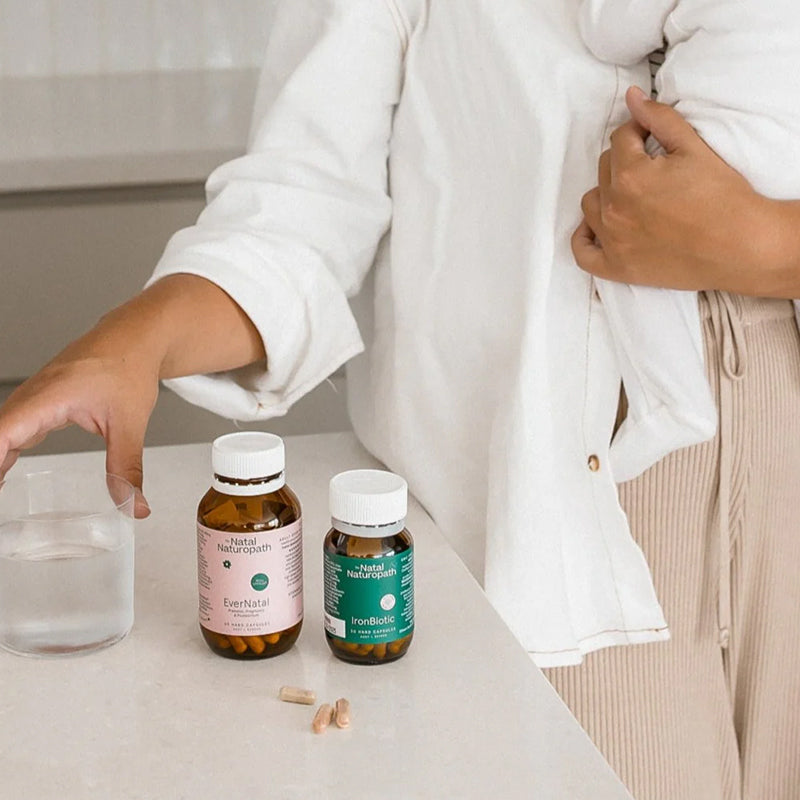
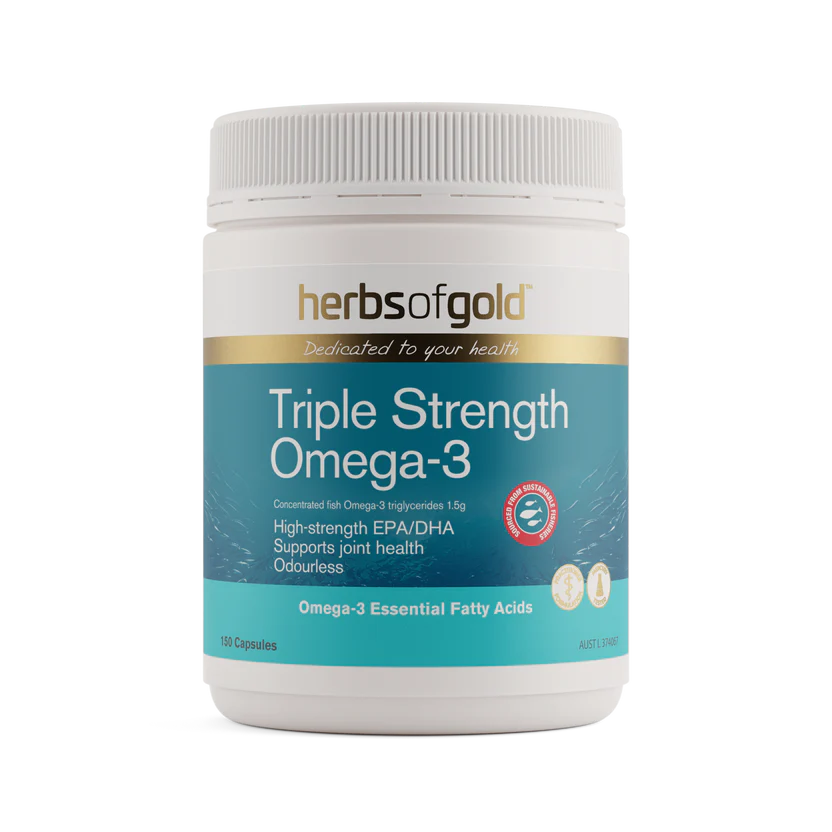
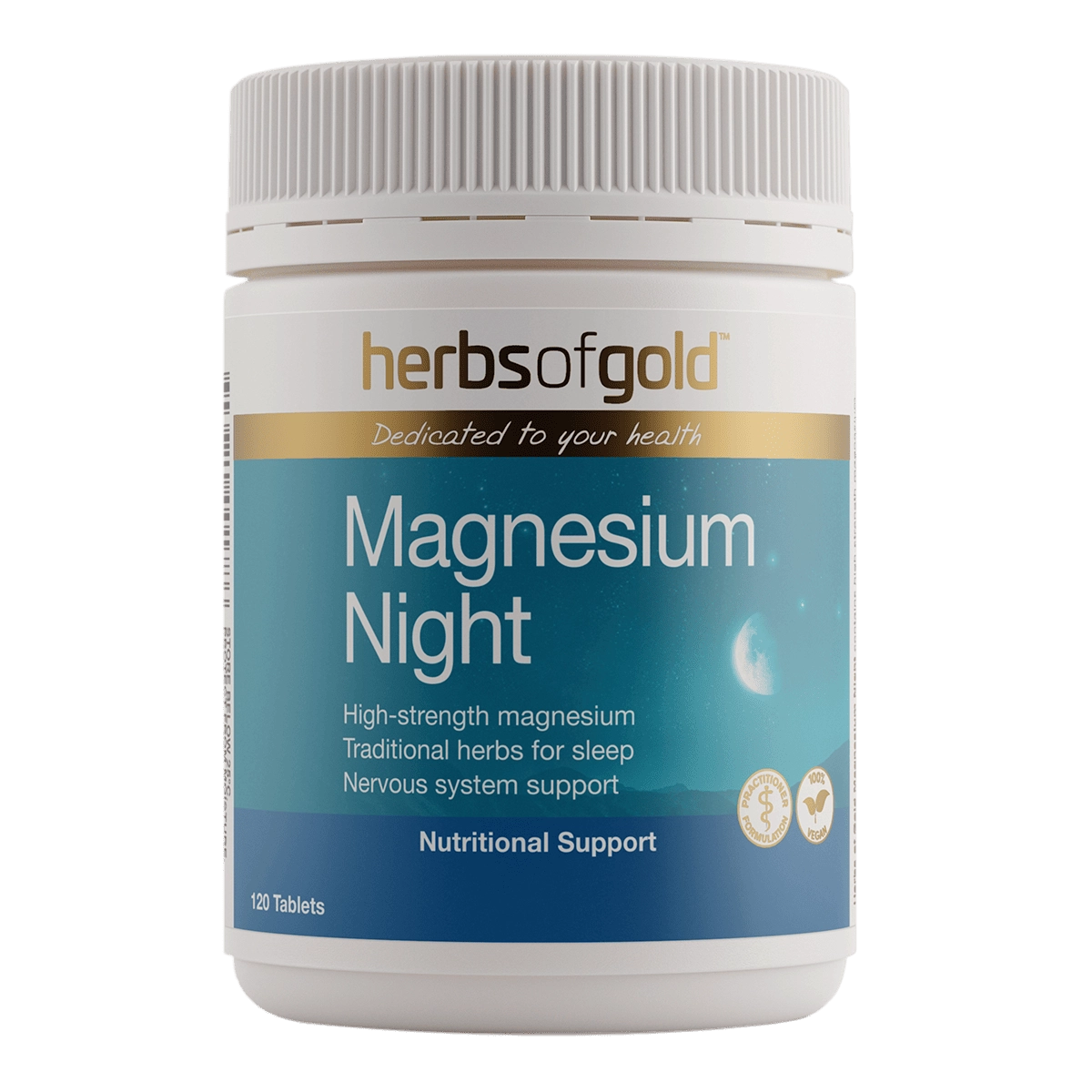
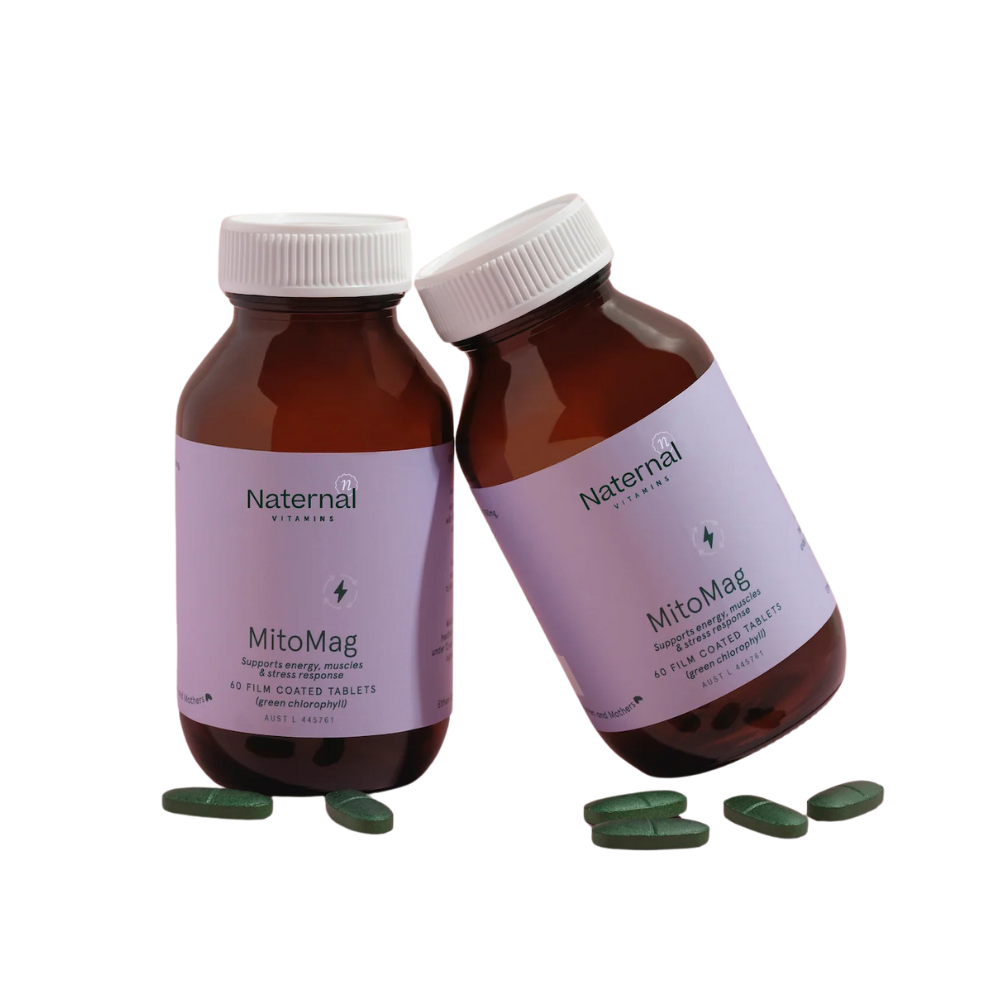
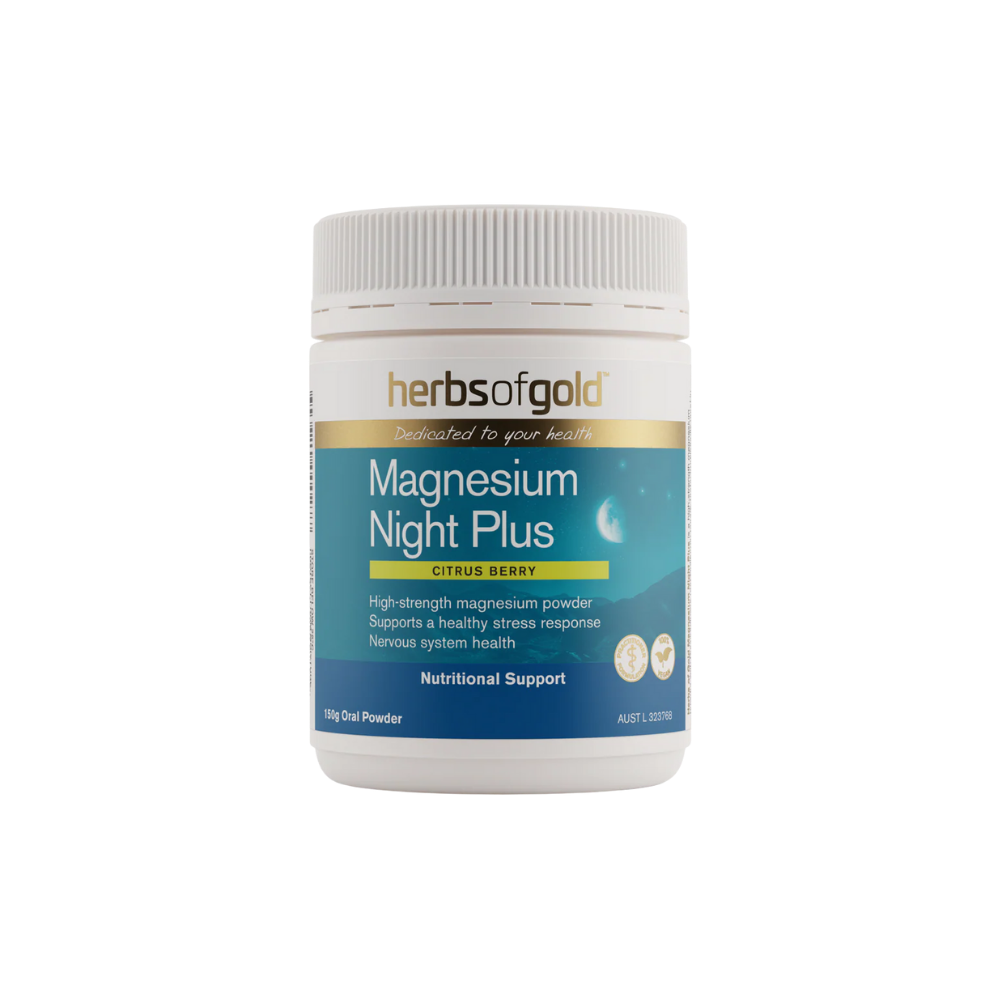
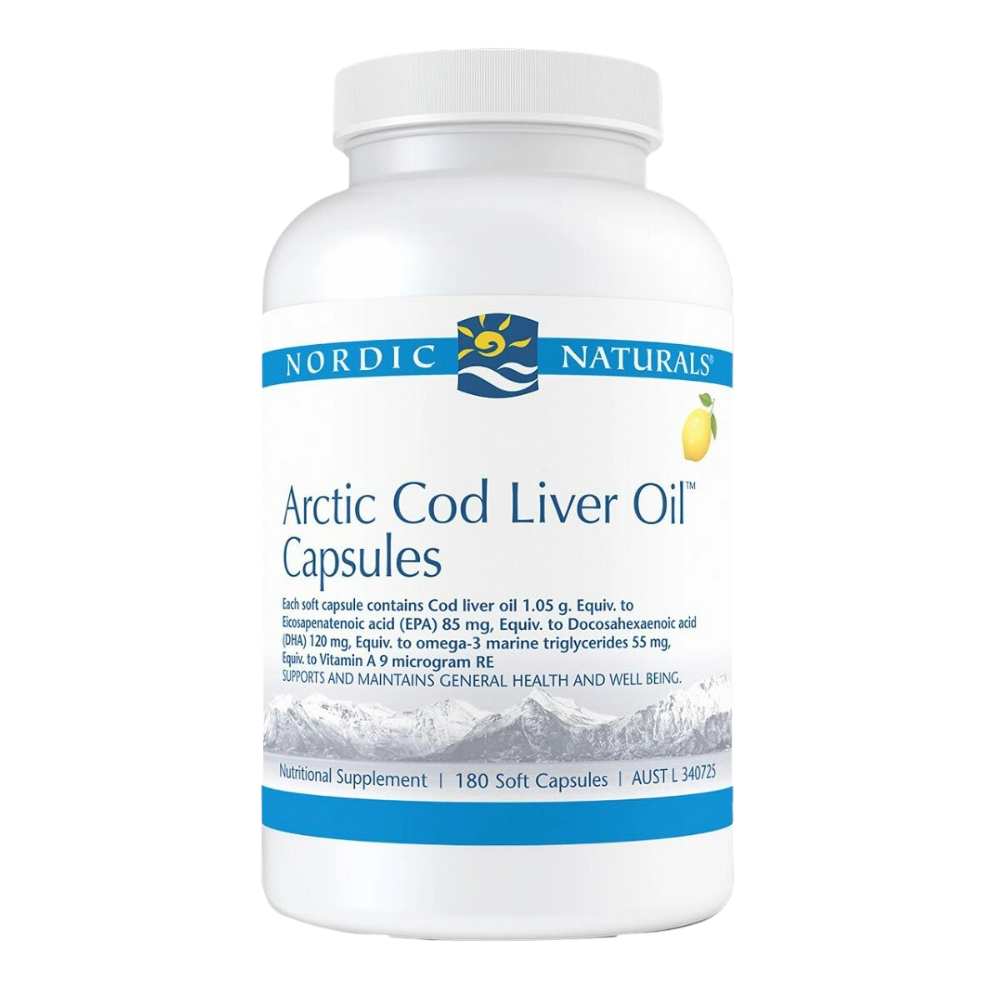
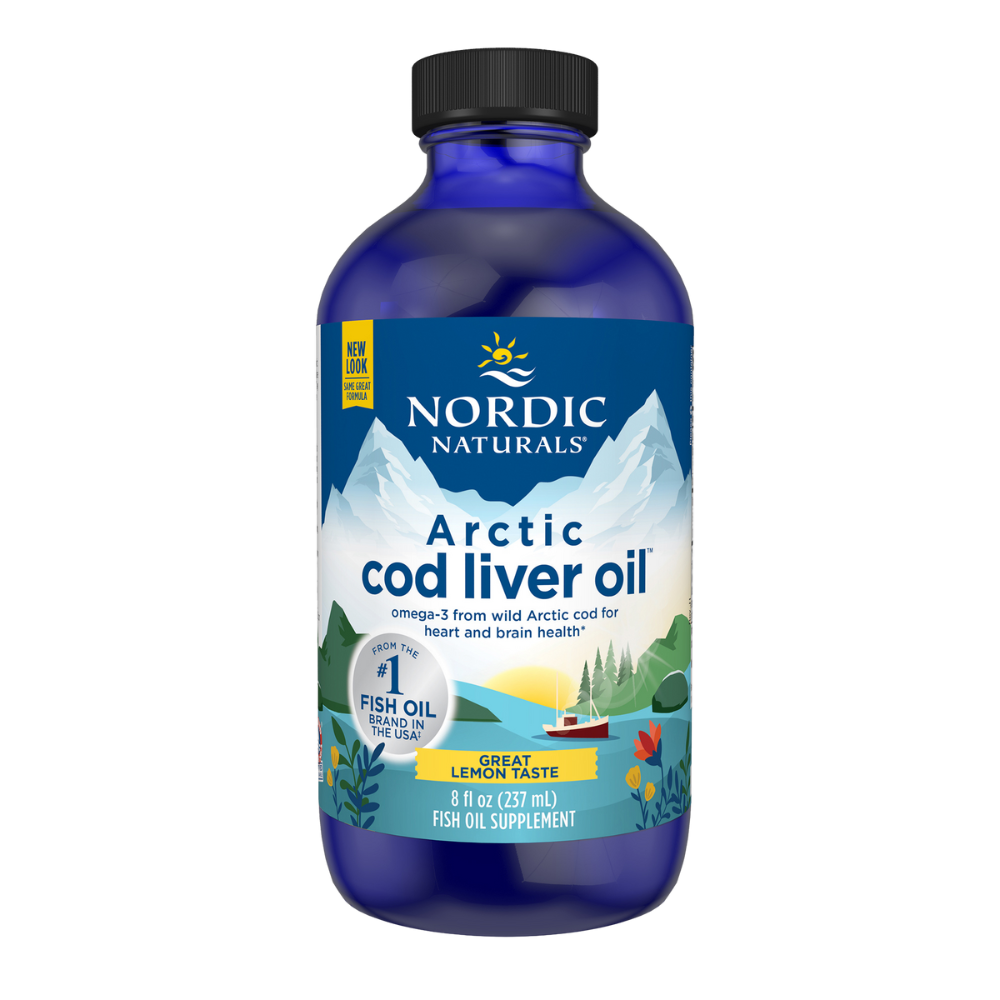
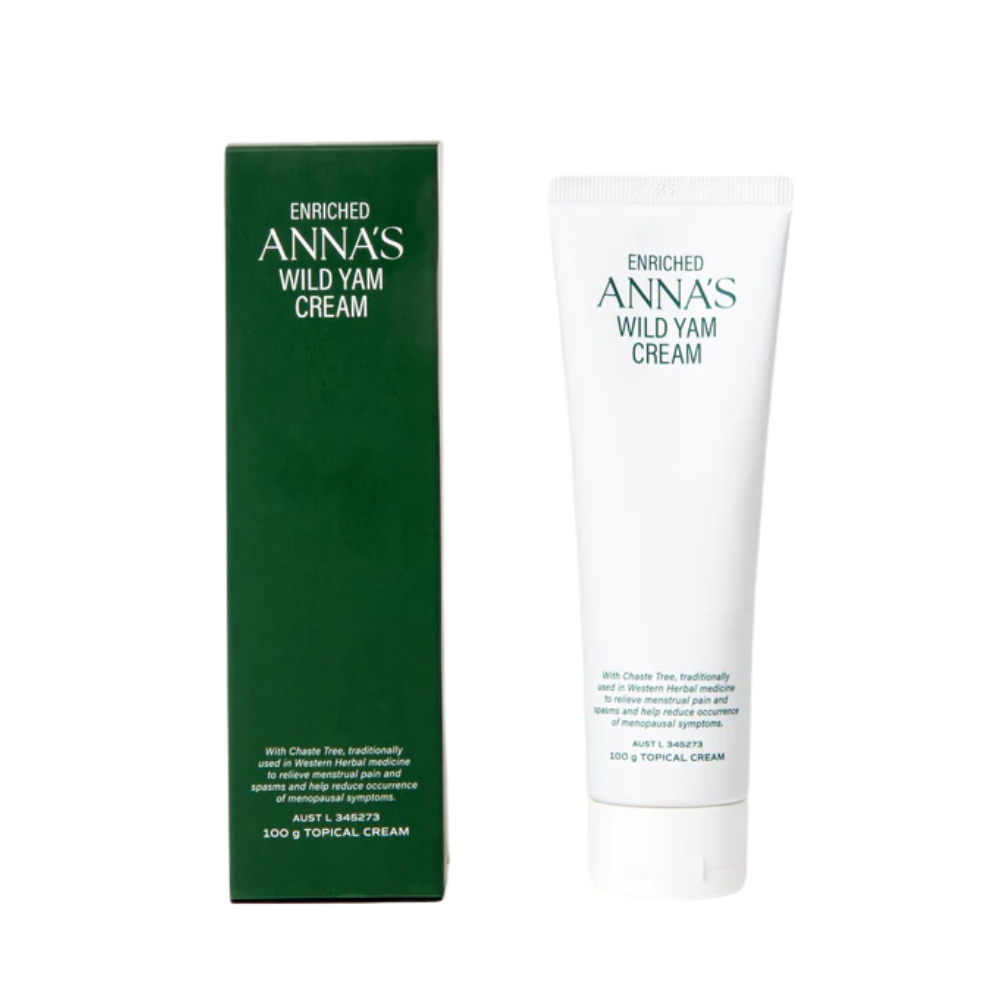
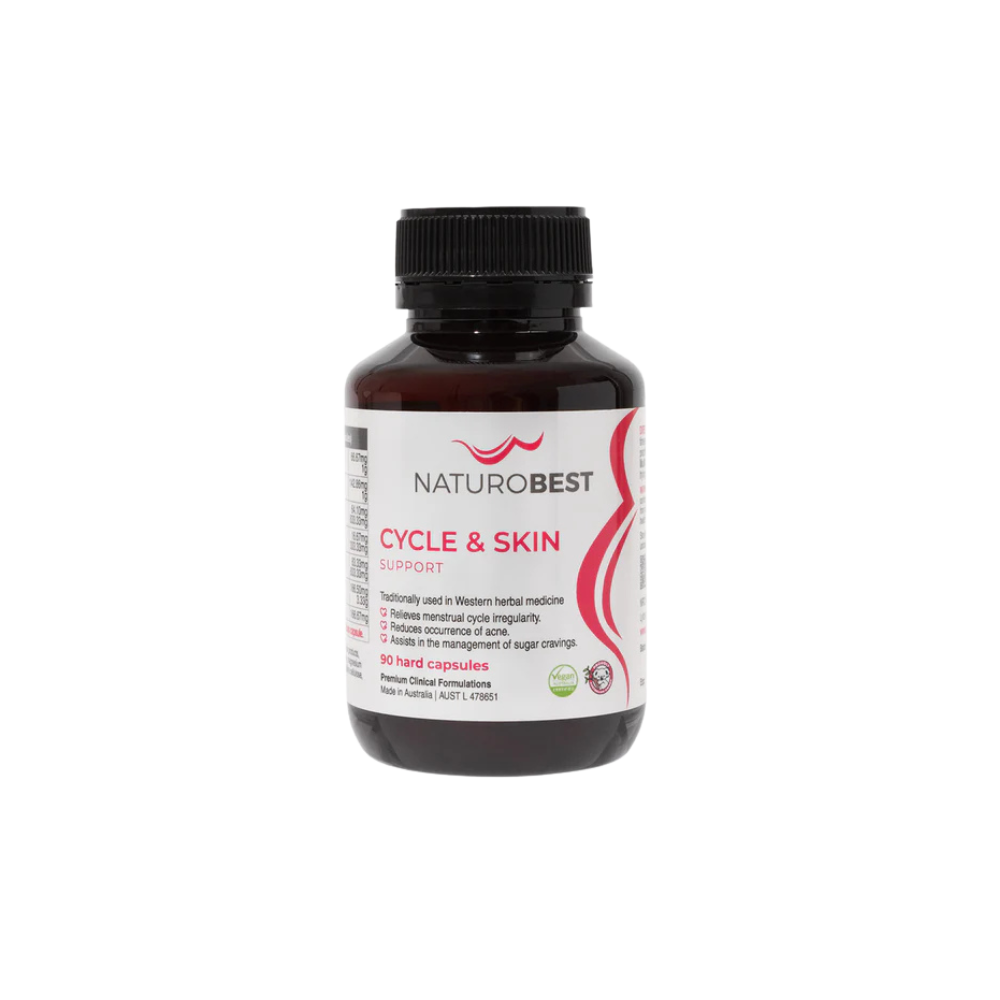
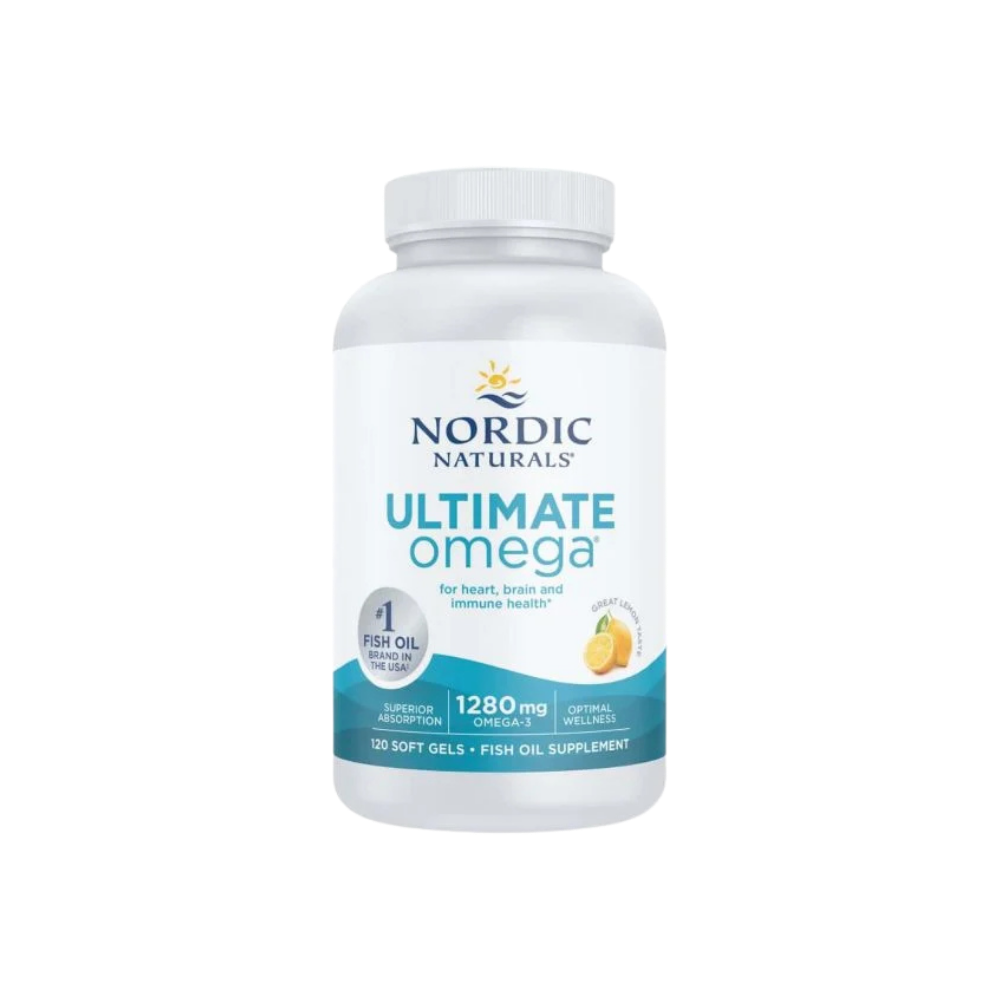
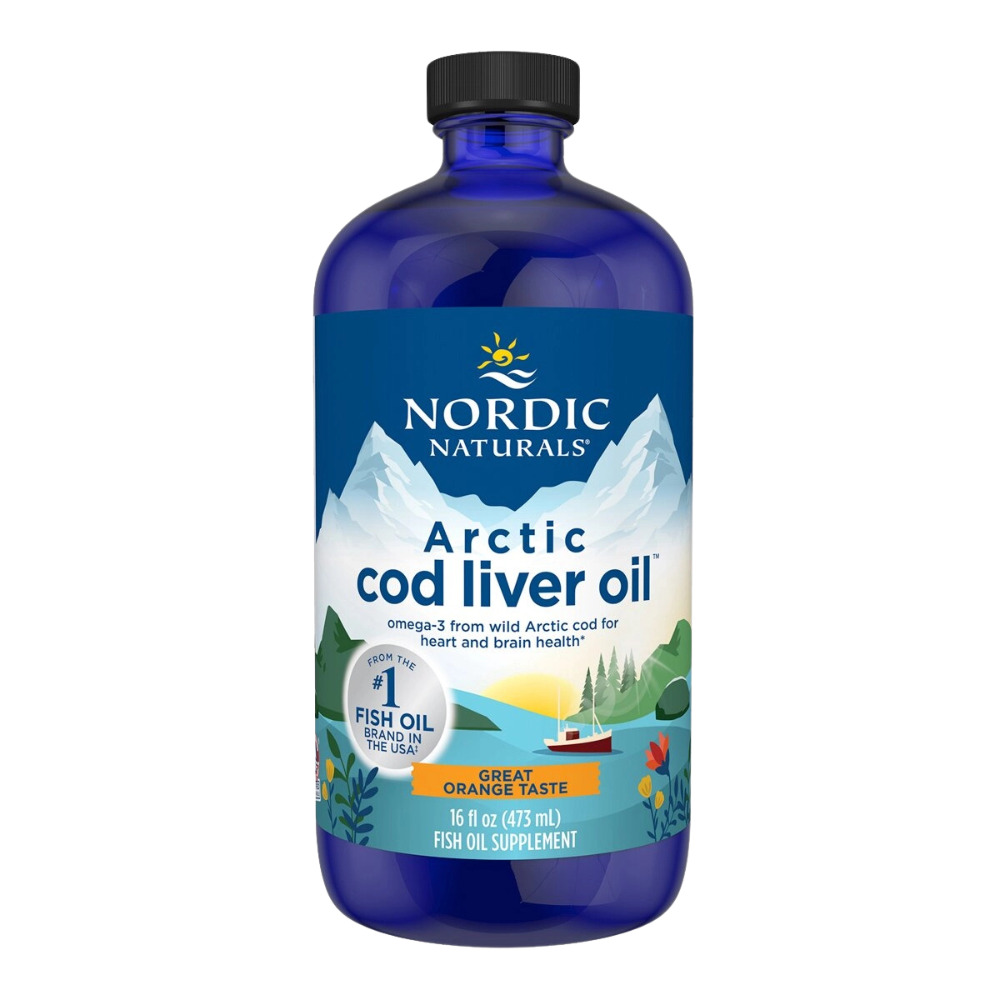
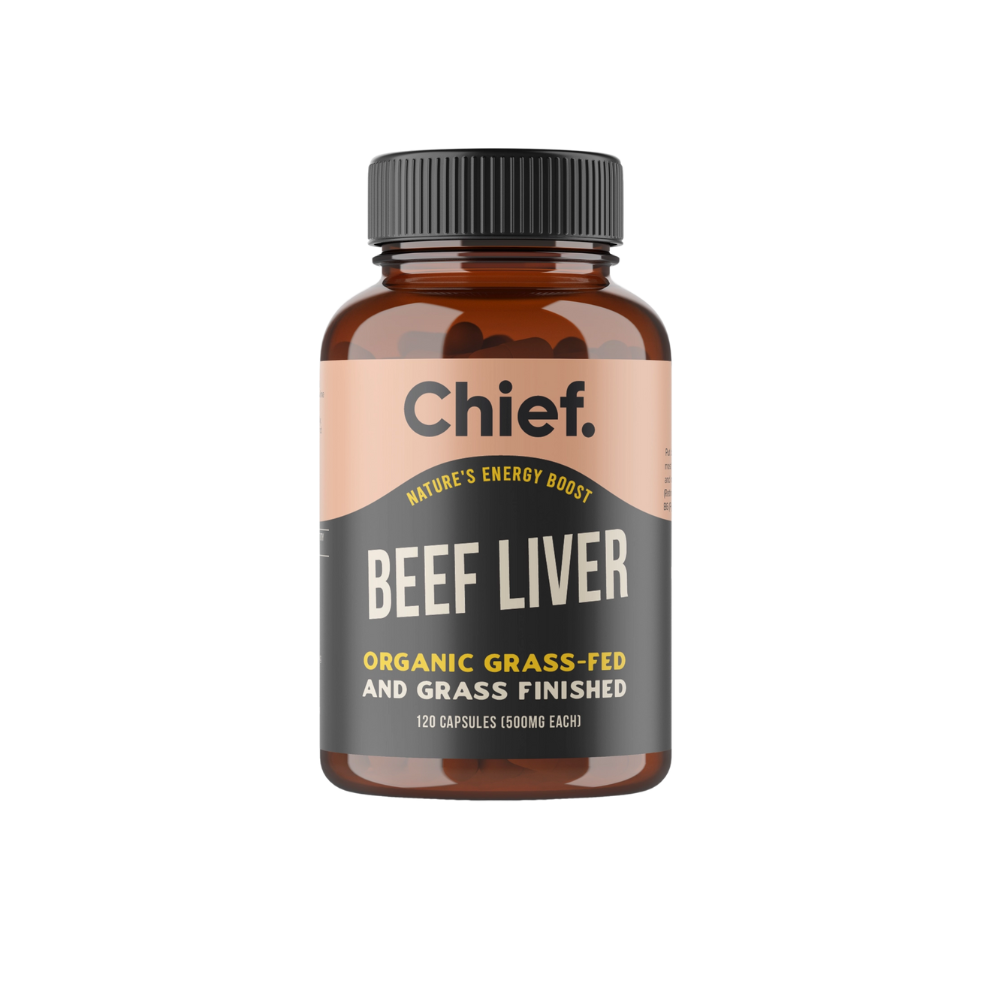
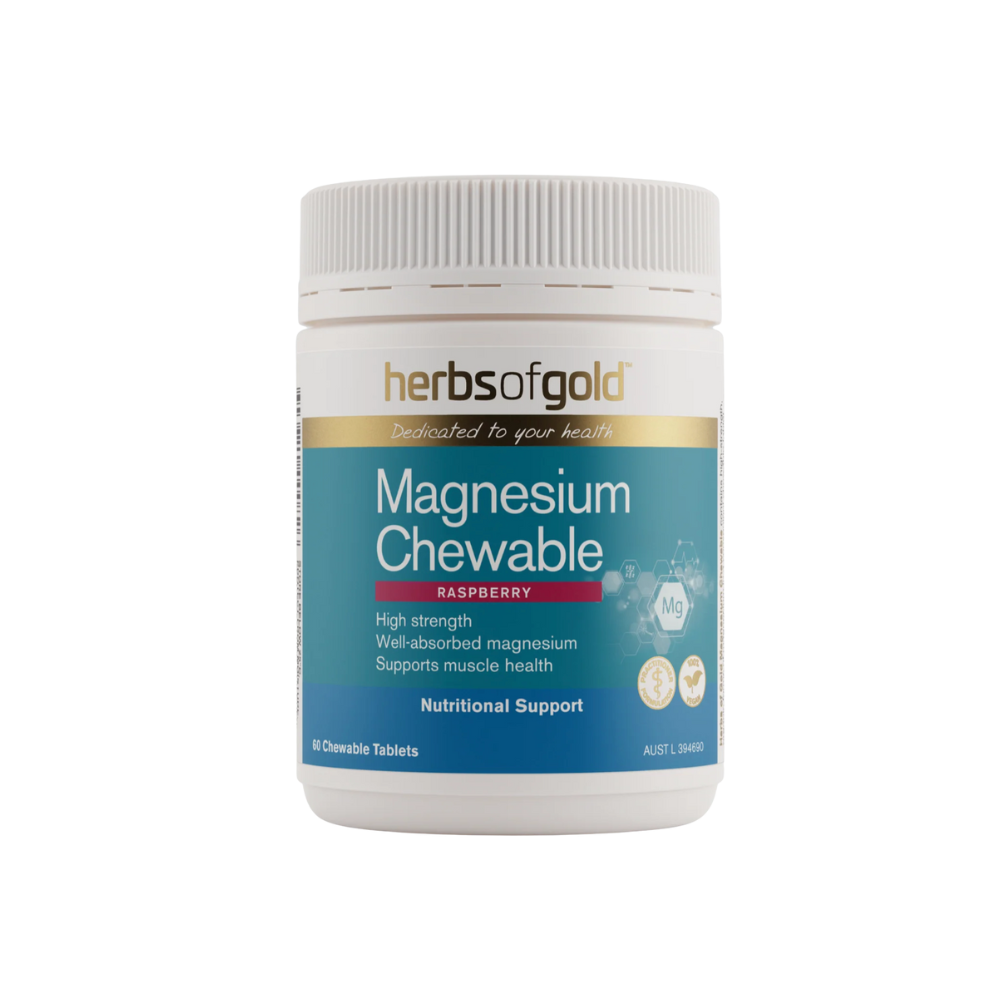
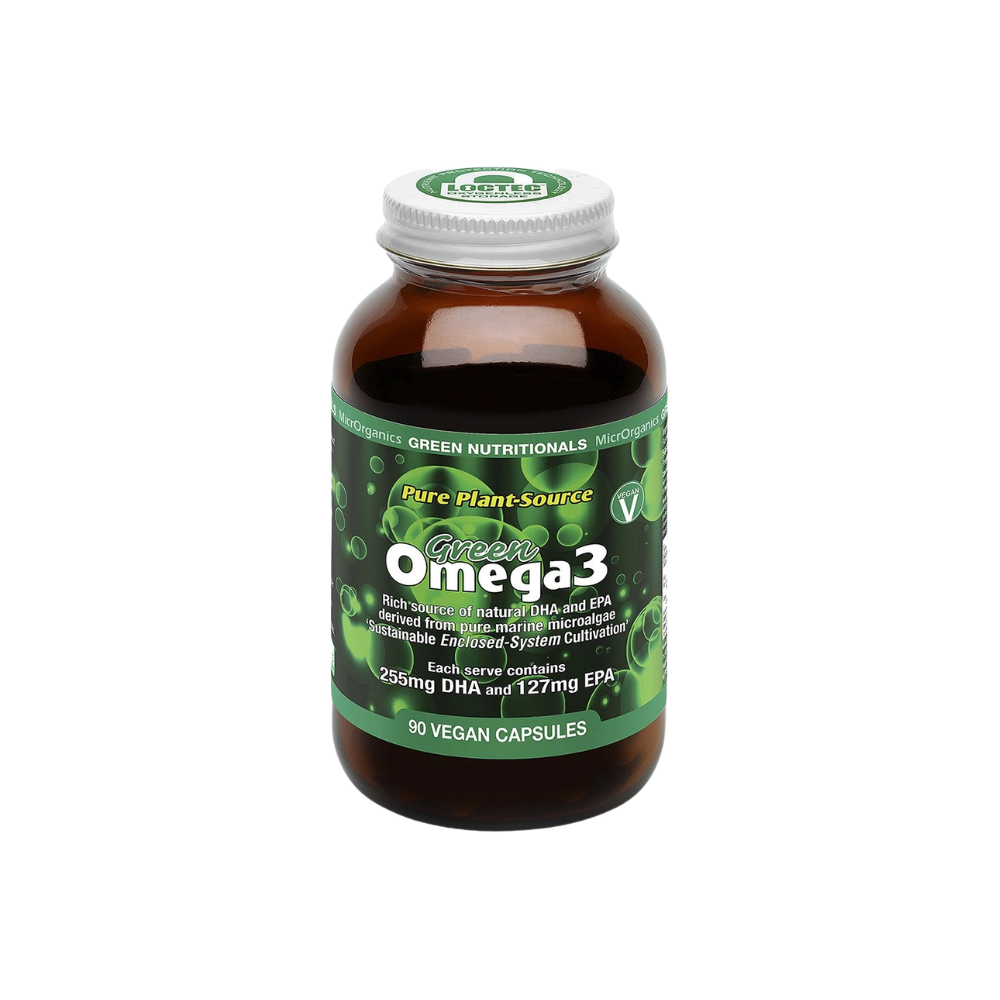
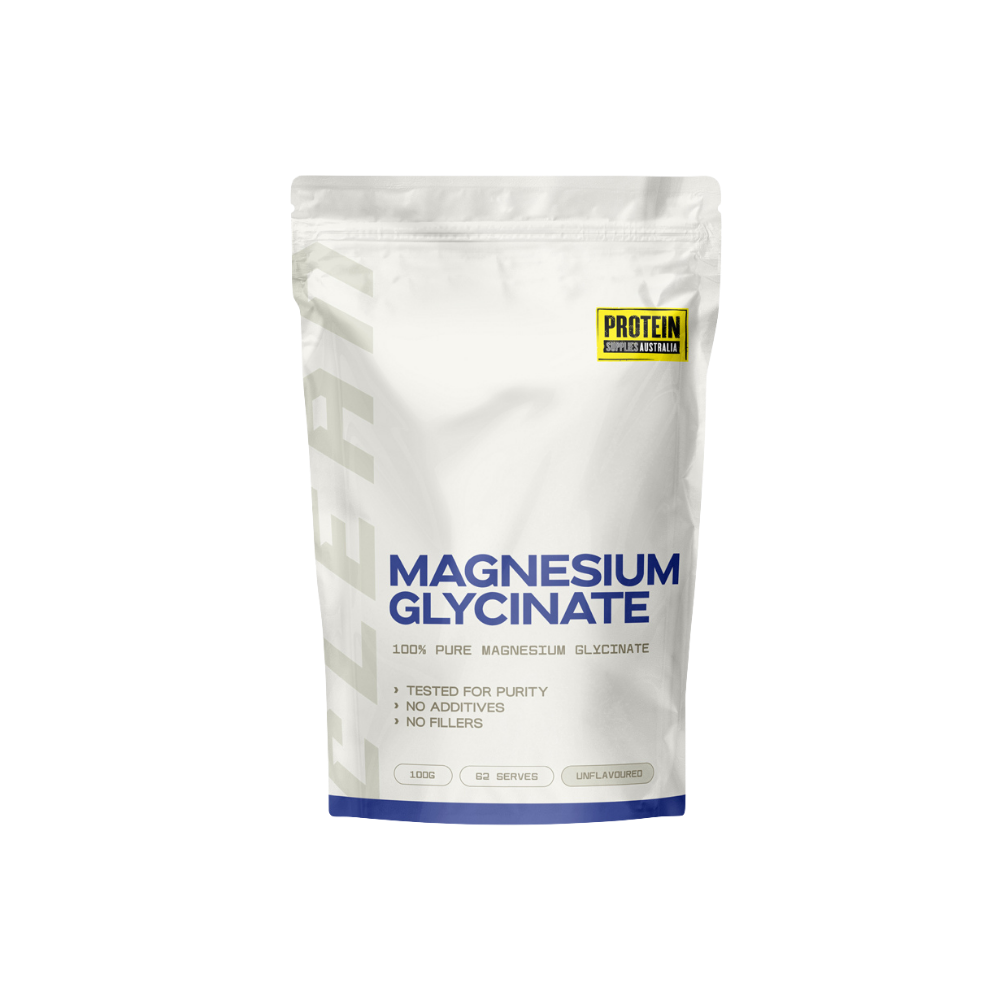
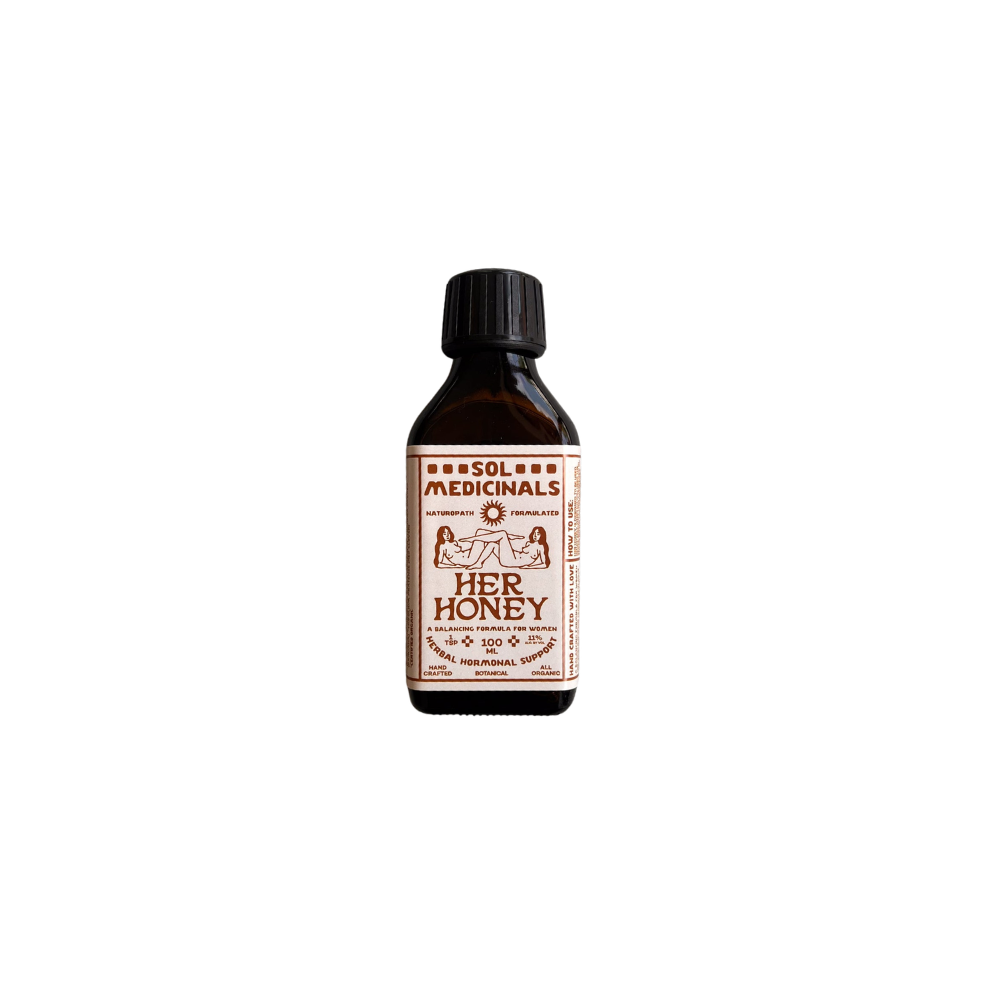
Where targeted supplementation is part of your plan, our clinical Naturopaths may recommend products from our practitioner-selected cycle support range, which you can also browse independently below.
COMMON QUESTIONS ABOUT PMS AND PERIOD PAIN
To help you feel clearer about your next steps
What is the difference between PMS and PMDD?
PMS (premenstrual syndrome) describes the cluster of physical and emotional symptoms many women experience in the week or two before their period. PMDD (premenstrual dysphoric disorder) is a more severe form characterised by significant mood disturbance, including depression, anxiety or irritability that interferes with daily life. PMDD is a recognised clinical diagnosis and warrants assessment with a GP or psychiatrist alongside any naturopathic support.
Are severe period cramps normal?
Mild to moderate cramping at the start of your period is common, but pain that requires you to stay home from work, take strong pain medication, or stops you from functioning is worth investigating. Severe, persistent period pain can be a sign of an underlying condition such as endometriosis, adenomyosis or fibroids, and a GP review is the appropriate first step. Naturopathic support can sit alongside this.
Can Naturopathy help with cycle-related migraines?
Cycle-related migraines often track with the hormonal shifts at ovulation or premenstrually. Areas Naturopaths may consider include hormonal balance, magnesium status, blood sugar regulation, gut health and stress load. If migraines are severe, frequent, or new in onset, a GP review is also important to rule out other causes.
Why have my PMS symptoms worsened in my 30s and 40s?
Premenstrual symptoms often shift in the lead-up to and during perimenopause, as hormone levels start to fluctuate more dramatically. Some women find that mood, sleep and migraine symptoms intensify, even years before menopause itself. This is a common reason women in this age group seek out naturopathic support, and it is worth discussing whether what you are experiencing reflects perimenopausal change.
Does diet make a difference for PMS?
For many women, yes. Stable blood sugar across the day, adequate protein and fibre, sufficient magnesium and B vitamins, and reduced alcohol and caffeine in the luteal phase are all areas that often come up in Naturopathic care. Dietary change is rarely a complete answer on its own, but it is rarely irrelevant either.
Should I see a GP for severe PMS?
Yes, particularly if your symptoms are interfering with daily life, if you suspect PMDD, or if your period pain is severe. A GP can investigate underlying causes and discuss medical management options including hormonal contraception or specialist referral. Naturopathic support sits alongside that pathway.
Can I buy products without booking a consultation?
Yes. Every product in our cycle support range has been selected by our clinical Naturopaths, so you are welcome to shop the collection independently if you have a clear sense of what you are looking for. If you would like guidance on which products are most relevant for your specific situation, our team is available for a free discovery call or a more in-depth consultation.
Do you offer cycle support consultations online?
Yes. Our Naturopaths and Homeopaths are based in Liverpool, Sydney and offer consultations online across Australia. A discovery call is a free, 20-minute introduction and is available to book online. You can also meet our practitioners to find the right fit for your needs.