
If you have already read our guide to MTHFR and ADHD for parents, you have a foundation for understanding what the MTHFR gene variant is and why it sometimes comes up in conversations about attention, behaviour and neurodevelopment.
For many families, this is where the next question appears: "What do I actually do with this information?"
This article goes a step further, exploring some of the nutritional considerations that may be relevant when MTHFR and ADHD co-occur, and how a naturopathic approach may frame those conversations.
New to MTHFR? Start here: MTHFR and ADHD: a simple guide for parents
Key takeaways
- MTHFR variants do not cause ADHD.
- ADHD is a complex neurodevelopmental condition influenced by many factors.
- Some practitioners consider methylation and nutrient status as part of a broader assessment.
- Methylated forms of folate and B vitamins may be considered in certain circumstances.
- Nutritional support should not replace medical diagnosis, treatment or medication advice.
A quick recap: MTHFR and methylation
The MTHFR gene provides instructions for an enzyme involved in folate metabolism, including the conversion of folate into methylfolate, the active form used by the body.
In some people, MTHFR variants may influence how efficiently this process occurs. This is one reason methylation sometimes comes up in conversations about nutrient status and folate metabolism.
Research in this area is still evolving, and MTHFR results should always be interpreted within the context of the individual rather than viewed in isolation.
What is the relationship between MTHFR and ADHD?
Some practitioners consider methylation and nutrient status as part of a broader assessment when working with individuals who have both ADHD and an MTHFR variant.
At Nourishing Apothecary, we do not look at an MTHFR result in isolation. We are looking at the bigger picture: diet, sleep, digestion, nutrient status, medications, family history and what is actually happening day to day.
This article explores some of the nutritional considerations that may be relevant within that broader context.
Why folate form may be relevant
One of the nutritional considerations that sometimes comes up in conversations about MTHFR is folate.
Many supplements and fortified foods contain folic acid, while others use methylfolate (5-MTHF), the active form of folate used by the body.
Some practitioners consider methylated folate particularly relevant when working with individuals who carry MTHFR variants due to differences in folate metabolism. Approaches vary, however, and recommendations should always be made in the context of the individual.
Methylfolate may be one option considered as part of a broader nutritional assessment alongside factors such as diet, symptoms, health history and current nutrient status.
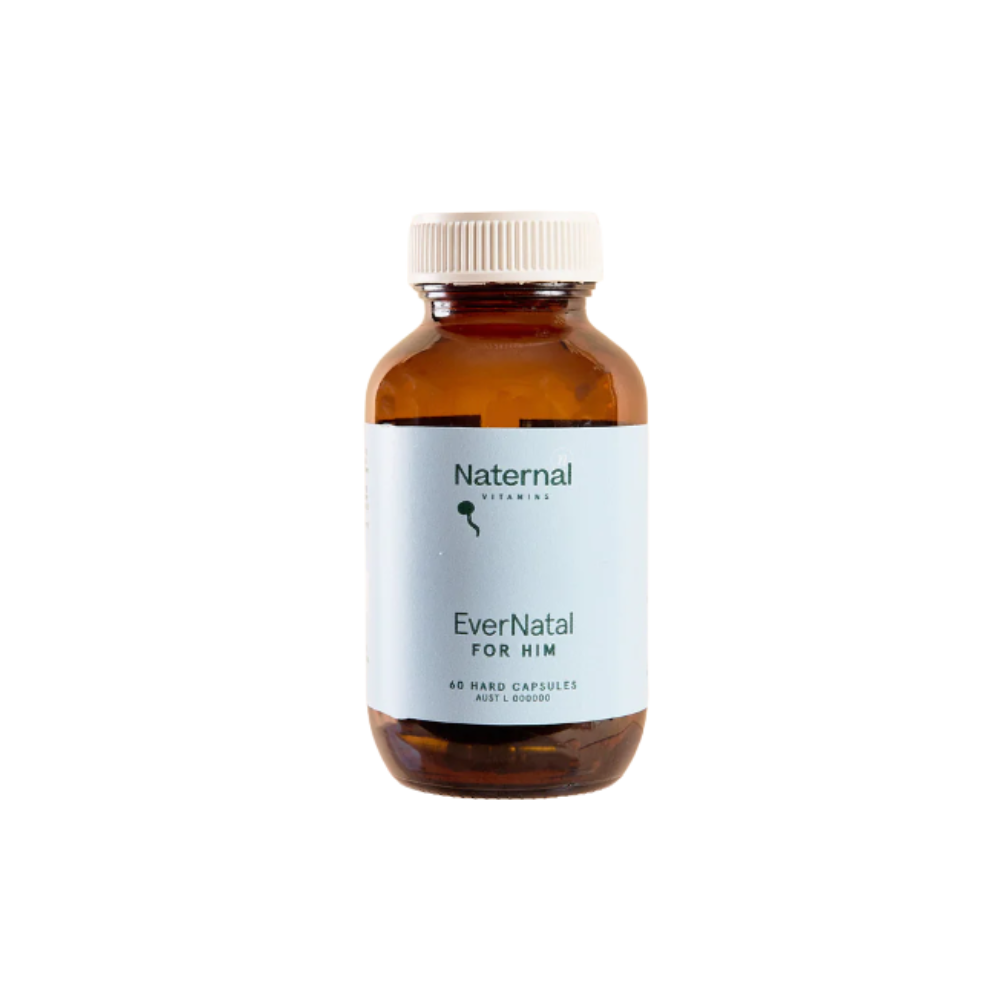
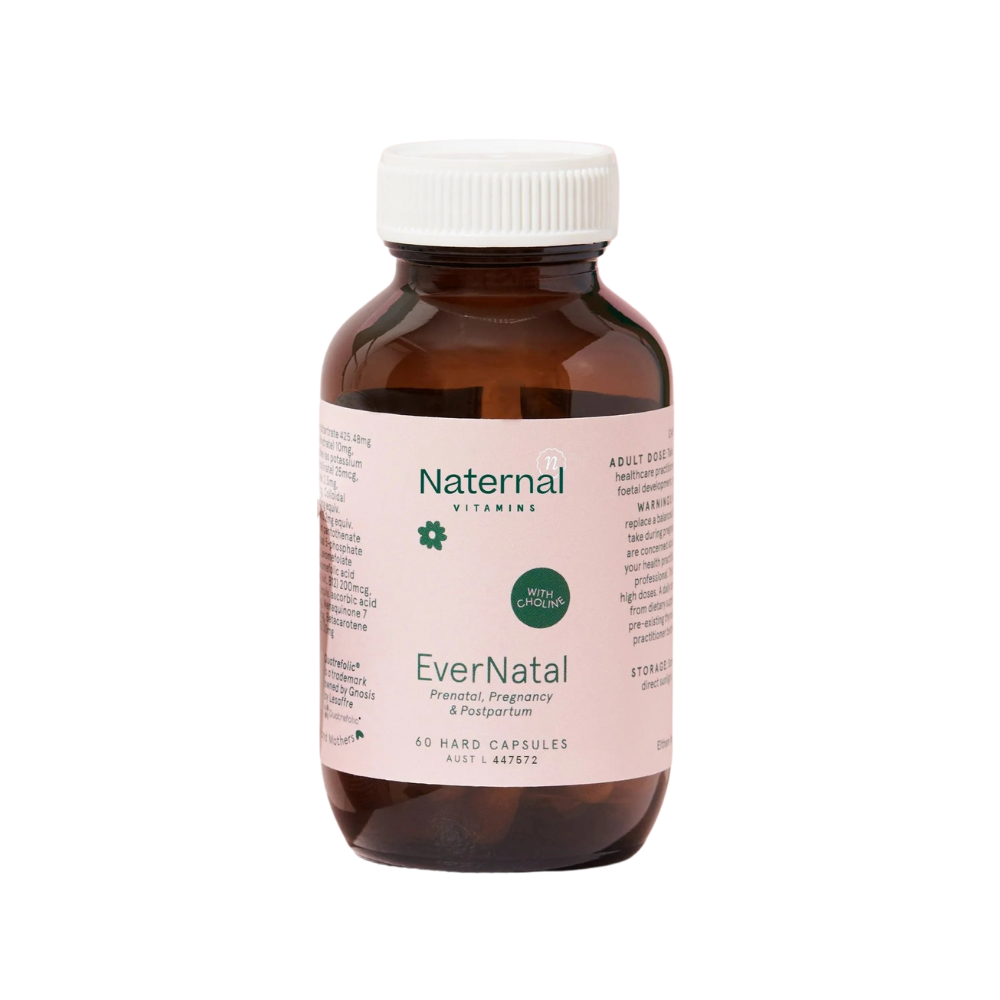
For women who are pregnant, planning a pregnancy or in the postnatal period, products such as EverNatal from Naternal Vitamins include methylated folate as part of their formulation.
Browse the Naternal Vitamins range
Nutritional considerations for MTHFR and ADHD
The following nutrients are commonly considered as part of a naturopathic assessment when MTHFR and ADHD co-occur. These are not prescriptions, and individual needs vary considerably.
We do not start with supplements. We start with the individual. We are looking at sleep, diet, growth, digestion, medications, family history and what is happening day to day before making decisions about nutritional support.
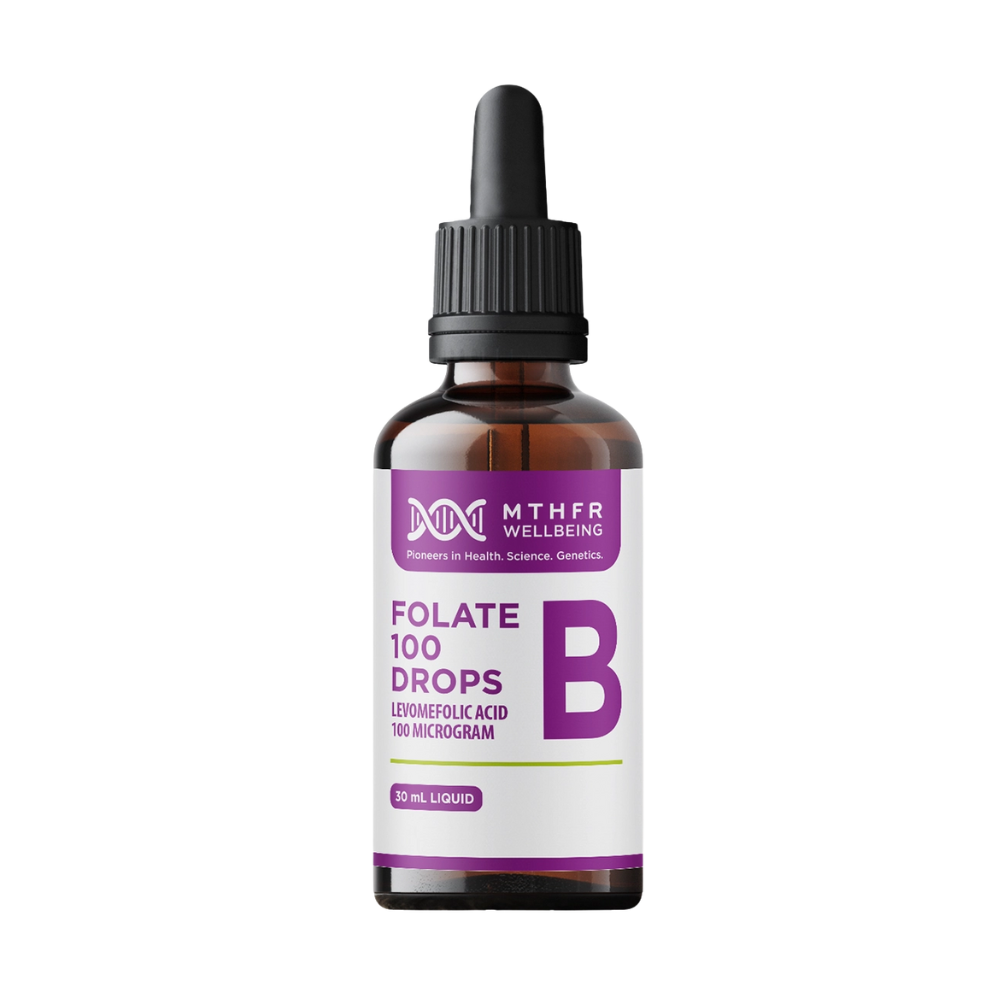
Methylfolate
Some practitioners consider methylated folate when working with individuals who carry MTHFR variants. The appropriate form and dose should always be assessed individually and introduced under practitioner guidance where appropriate.
Vitamin B12
Methylcobalamin is an active form of vitamin B12 that works alongside folate in a number of metabolic processes. Some practitioners may choose methylcobalamin when working with individuals who carry MTHFR variants, though recommendations should always be personalised.
Vitamin B6
Vitamin B6 is involved in a range of metabolic processes, including pathways associated with neurotransmitter production. Some practitioners may consider active forms of B6 as part of a broader nutritional assessment.
Zinc
Zinc is involved in numerous enzymatic processes throughout the body and is one of several nutrients that may be reviewed as part of a whole-person assessment.
Magnesium
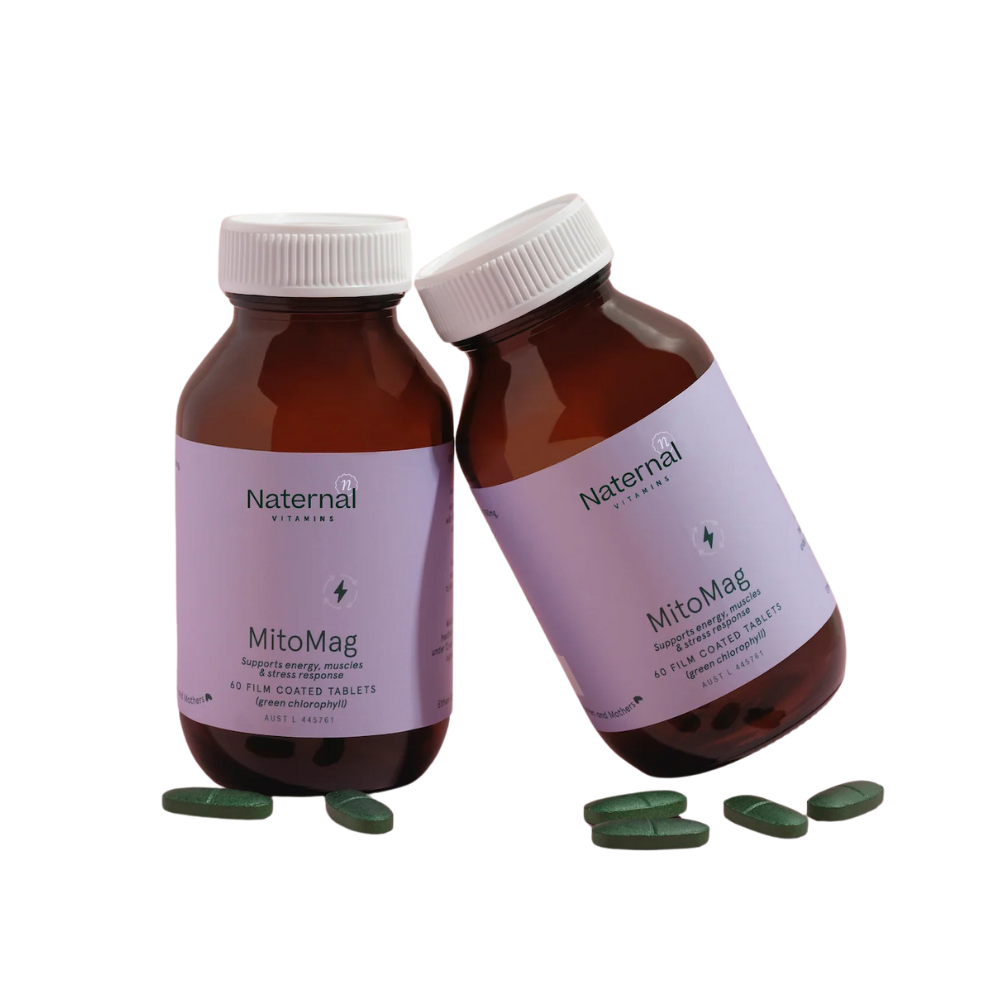
Magnesium status is another nutritional factor practitioners may review. Magnesium is involved in muscle function, nervous system function and general wellbeing.
Iron
Iron status may be assessed as part of a broader nutritional review. Where appropriate, practitioners may consider ferritin testing alongside other markers to better understand iron stores.
Omega-3 fatty acids
Omega-3 fatty acids, including DHA and EPA, are among the nutritional factors commonly considered within a broader assessment of diet and nutritional status.
Starting carefully
Methylated B vitamins in particular require a measured approach. Some individuals report sensitivity to methylfolate, particularly at higher doses, and may experience symptoms such as headaches, irritability or changes in mood if supplementation is introduced too quickly.
For children, this process requires particular care. Dosing differs from adults, sensitivities vary and the overall picture needs to account for diet, sleep, developmental stage and any existing medications or interventions.
Our Naturopaths work with families to introduce nutritional support at a pace and dose appropriate to the individual child.
The whole-person view
MTHFR results and ADHD-related concerns are rarely explained by a single nutrient. At Nourishing Apothecary, our approach looks at the full picture: diet quality and food folate sources, gut health and absorption capacity, stress, sleep, environment and the individual's specific history.
Nutritional support may be one part of a broader strategy that also considers dietary intake, whole-food sources of folate, gut health, sleep and overall wellbeing.
Find the right support
If you are navigating MTHFR, ADHD or both for yourself or your child, a free 15-minute discovery call with one of our Naturopaths is a good place to start.
We do not look at an MTHFR result in isolation. We are looking at patterns: diet, sleep, digestion, family history, nutrient status, medications, behaviour and what is actually happening day to day.
The goal is not to focus on a single gene, nutrient or test result. The goal is to understand whether those pieces help explain part of the bigger picture and what support may be relevant for the individual.
Our Naturopaths and Homeopaths see clients in Liverpool, Sydney and online across Australia.
Reviewed by Jaime Chew, Founder and Clinical Director of Nourishing Apothecary. Jaime has a background in nursing and advanced training in Naturopathy and Homeopathy, with a clinical focus on fertility strategy, IVF support and hormone complexity. Nourishing Apothecary consults from Liverpool, Sydney and online across Australia.
MTHFR and ADHD FAQ
Answers to common questions about MTHFR, ADHD and nutritional support
Does MTHFR cause ADHD?
No. MTHFR variants do not cause ADHD. ADHD is a complex neurodevelopmental condition influenced by many factors. Some practitioners may consider methylation pathways and nutrient status as part of a broader assessment when an individual has both ADHD and an MTHFR variant, but MTHFR should not be viewed as the sole explanation for ADHD-related concerns.
What is the difference between methylfolate and folic acid?
Methylfolate (5-MTHF) is the active form of folate used by the body, while folic acid requires several metabolic steps before it can be converted into that form. Some practitioners consider methylated folate when working with individuals who carry MTHFR variants, though approaches vary and recommendations should always be individualised.
What nutritional factors are considered for MTHFR and ADHD?
Practitioners may consider nutrients such as folate, vitamin B12, vitamin B6, zinc, magnesium, iron and omega-3 fatty acids as part of a broader nutritional assessment. Individual needs vary considerably, which is why supplementation decisions should be based on personal circumstances, health history, dietary intake and professional assessment.
Should my child take methylfolate if they have MTHFR and ADHD?
Not necessarily. The appropriate approach depends on factors such as the child's health history, diet, nutrient status, individual circumstances and any professional healthcare advice already in place. Where supplementation is being considered, it should be guided by a qualified healthcare practitioner familiar with the child's situation.
Can MTHFR be tested?
Yes. MTHFR variants can be identified through genetic testing, which may be arranged through a GP, specialist or other qualified healthcare practitioner. At Nourishing Apothecary, our practitioners may discuss testing options as part of a broader clinical assessment where appropriate.
Does having an MTHFR variant mean you need supplements?
Not necessarily. An MTHFR variant is one factor that may be considered alongside diet, symptoms, pathology results, health history and individual circumstances. Supplement decisions should always be made on a case-by-case basis rather than based on genetic results alone.
Continue reading
More from the Words of Nourishment journal
MTHFR and ADHD: a simple guide for parents
Naternal Vitamins: naturopathic prenatal support under a new name