
Vaginal thrush is incredibly common, but when it keeps coming back, many women understandably start asking: “Is there something going on in my gut?”
The answer is more nuanced than simply saying that vaginal thrush is caused by “too much Candida in the gut”. Candida can normally live in several parts of the body without causing problems. The issue arises when the balance between microorganisms, the immune system and the local environment changes, allowing Candida to multiply and cause symptoms.
Understanding the relationship between Candida, vaginal health and the gut microbiome can help you take a more comprehensive approach to recurrent thrush.
What is Candida?
Candida is a type of yeast that can naturally live on and inside the body, including the:
- Gut
- Mouth
- Skin
- Vagina
The most common species associated with vaginal thrush is Candida albicans. However, there are several more species identifiable on a vaginal swab panel along with other microbes that may mimic similar symptoms.
Having Candida present does not necessarily mean you have an infection. In many people, it exists as part of the normal microbial community without causing symptoms.
Thrush develops when Candida grows excessively or changes from a relatively harmless form into one that can cause inflammation and irritation.
Common symptoms of vaginal thrush include:
- Intense itching or irritation
- Burning, particularly when urinating
- Redness and swelling
- Soreness around the vulva
- Thick, white vaginal discharge, often described as “cottage cheese-like”
- Discomfort during sexual intercourse
However, these symptoms are not exclusive to thrush. Bacterial vaginosis, dermatitis, sexually transmitted infections and other vaginal conditions can cause similar symptoms.
Recurrent or unusual symptoms should therefore be properly assessed rather than automatically assumed to be Candida. Seek help from your GP, Naturopath or Health Professional.
What is gut dysbiosis?
The gut contains trillions of microorganisms, including bacteria, fungi and other microbes. Together, these form the gut microbiome.
A healthy microbiome is diverse and dynamic. Rather than trying to eliminate every organism considered “bad”, the goal is generally to support a balanced microbial ecosystem.
Gut dysbiosis refers to an alteration or imbalance in the composition or function of the gut microbiome.
Factors that may influence the gut microbiome include:
- Antibiotic use
- Diet
- Alcohol intake
- Stress
- Sleep
- Illness
- Changes in bowel function
- Medications
- Hormonal changes
- Other lifestyle factors
Dysbiosis may affect the way the gut interacts with the immune system and may influence microbial communities elsewhere in the body.
Is vaginal thrush caused by Candida in the gut?
This is where things become interesting.
Candida can be found in both the gastrointestinal and vaginal tracts, and there is evidence that the gut can act as a reservoir for Candida, particularly in people who experience recurrent vaginal Candida infections.
However, this does not mean that vaginal thrush is simply caused by “Candida leaking from the gut”.
The vagina has its own complex microbial ecosystem, and vaginal health is influenced by factors such as vaginal pH, oestrogen levels, Lactobacillus species, immune responses, sexual activity, antibiotics and other local environmental factors.
There is also ongoing research into the gut-vagina connection, but the relationship is complex and not completely understood.
Therefore, treating the gut can be part of a broader health strategy, but it should not replace appropriate diagnosis and treatment of vaginal thrush.
The importance of Lactobacillus
One of the most important groups of bacteria in a healthy vaginal microbiome is Lactobacillus.
Certain Lactobacillus species produce lactic acid, helping maintain the naturally acidic vaginal environment that can discourage the overgrowth of some microorganisms.
The vaginal microbiome is not identical in every woman, and the dominant Lactobacillus species can vary.
When the vaginal microbial environment changes, the protective balance may also change.
This is one reason why antibiotics can sometimes be followed by vaginal thrush. Antibiotics may reduce susceptible bacteria, potentially altering the microbial environment and creating an opportunity for Candida to proliferate.
What about the gut microbiome?
The gut microbiome and vaginal microbiome are separate ecosystems, but they are not completely isolated from the rest of the body.
The gut interacts with:
- The immune system
- Hormones
- Metabolism
- Inflammatory pathways
- Nutrient availability
- Microbial metabolites
This has led researchers to investigate connections between intestinal and vaginal microbial communities.
For women experiencing recurrent vaginal symptoms, it can therefore be useful to consider the whole picture, including digestive health, diet, medications, bowel habits and other factors that may influence microbial balance.
Common factors associated with recurrent thrush
If thrush keeps returning, it is worth looking beyond Candida alone.
Potential contributing factors can include:
Antibiotics and some medications
Repeated or recent antibiotic use or some medications can alter bacterial communities and may increase the risk of vaginal Candida overgrowth.
Blood glucose regulation
Persistently elevated blood glucose can increase susceptibility to Candida infections. Recurrent thrush may sometimes be a reason to discuss glucose testing with your healthcare practitioner.
Hormonal changes
Oestrogen can influence the vaginal environment. Pregnancy, hormonal contraception and other hormonal changes may affect susceptibility to vaginal Candida.
Immune function
The immune system plays an important role in keeping Candida under control. Certain medical conditions and medications that suppress immune function can increase the risk of recurrent infections.
Vaginal environment
Changes in the local environment, including irritation from soaps, fragrances or other products, can contribute to vulval symptoms and may sometimes be mistaken for thrush.
Sexual activity
Sexual activity does not mean that thrush is a sexually transmitted infection, but intercourse and changes in the local vaginal environment can sometimes coincide with symptoms.
Can diet cause Candida?
There is a great deal of information online recommending strict “Candida diets”, often eliminating sugar, fruit, grains and numerous other foods. These can be extremely difficult to maintain and restricted eating can lead to further malnourishment and impacting your overall health.
Rather than severely restricting food, a more sustainable approach is to focus on an overall nutrient-dense diet containing:
- Plenty of vegetables
- Fibre-rich plant foods
- Adequate protein
- Healthy fats
- Whole foods
- Fermented foods where tolerated
- Adequate hydration
- Reduce sugar intake
Reducing excessive intake of highly processed foods and added sugars can be beneficial for overall metabolic and digestive health, but this is different from claiming that dietary sugar directly “feeds vaginal Candida” in a way that can be reliably treated by eliminating all carbohydrates.
Supporting a healthy gut microbiome
If recurrent vaginal thrush occurs alongside digestive symptoms, it may be worthwhile to support overall gut health.
This can include:
1. Eat a diverse range of plant foods
Different fibres provide nourishment for different beneficial microorganisms. Aim for variety rather than focusing on one particular “superfood”.
2. Increase fibre gradually
Vegetables, legumes, whole grains, nuts, seeds and fruit provide different types of fibre and plant compounds that interact with the microbiome.
If you experience bloating or digestive discomfort, fibre may need to be increased gradually.
3. Consider fermented foods
Foods such as natural yoghurt, kefir, sauerkraut and other fermented vegetables may provide beneficial microorganisms or fermentation products.
They are not appropriate for everyone, however, and should not be considered a treatment for vaginal thrush.
4. Review unnecessary antibiotic use
Antibiotics are important and sometimes essential medications. However, unnecessary or repeated antibiotic use can affect microbial communities. Always take antibiotics when prescribed and discuss concerns about recurrent use with your healthcare practitioner.
5. Support bowel regularity
Regular bowel movements, adequate fibre and hydration can all contribute to healthy gastrointestinal function.
6. Don't overlook lifestyle
Sleep, stress management, movement and adequate nutrition all influence immune and metabolic health and therefore form part of a holistic approach to microbiome health.
What about probiotics?
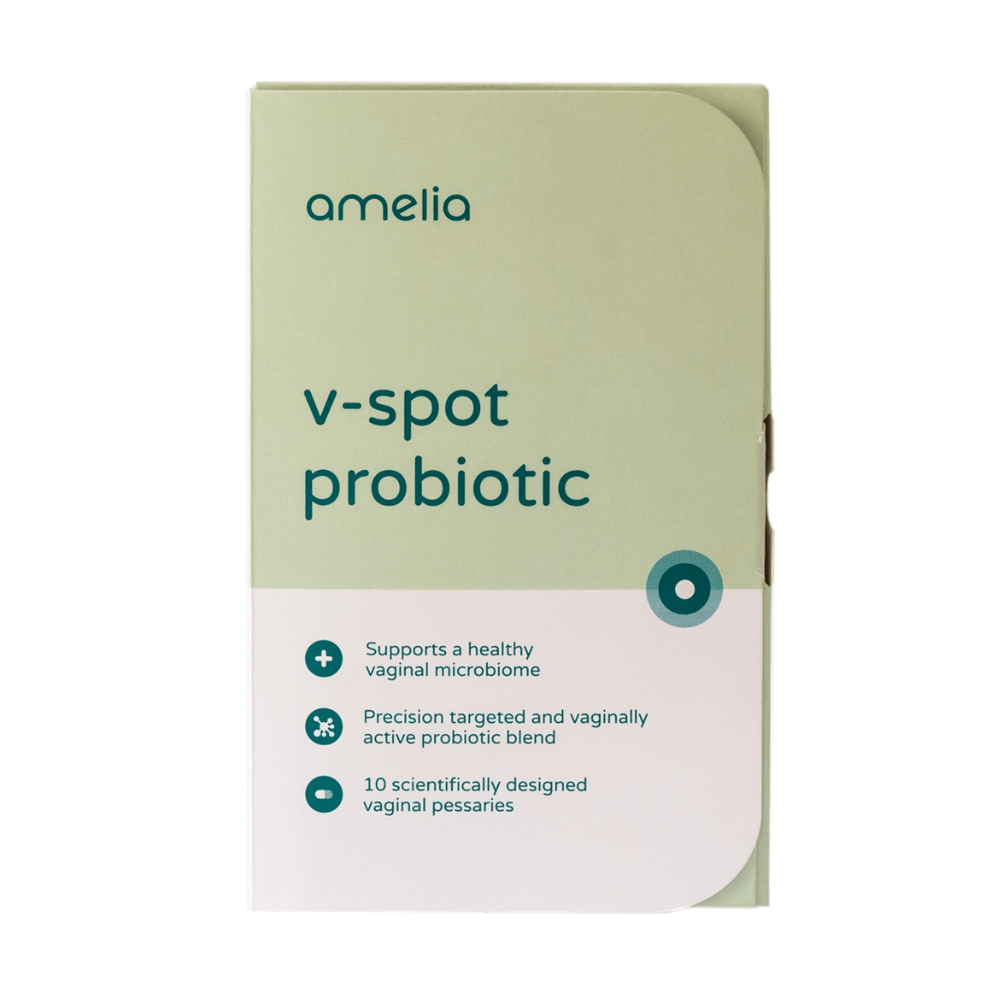
Probiotics are frequently recommended for recurrent vaginal thrush, but the evidence is mixed.
If choosing a probiotic, the specific strain, dose and clinical evidence matter more than simply choosing a product with a large number of bacterial species. Our dispensary is curated to ensure the correct and most useful strain combinations to support specific conditons.
Recurrent thrush needs investigation
If you experience repeated episodes of vaginal thrush, it is important not to assume that every episode is Candida. In our clinic we have access to functional assessments including Vaginal Microbiome swabs to identify the ecology of the vagina. The data provides identification of the environment – the pH, good flora and any abnormal species that all may be contributing to symptoms.
Other causes of vaginal symptoms should also be considered such as hormone imbalances and the state of your gut health.
A whole-body approach
For recurrent vaginal thrush, a holistic approach includes asking some key questions. Your Naturopath will aim to resolve some of these questions and then will formulate a comprehensive approach and Treatment Plan for you.
What is happening in the vaginal microbiome?
Are there factors disrupting the vaginal environment?
Has there been recent antibiotic or medication use?
Could blood glucose regulation be contributing?
Are hormones playing a role?
Are there digestive symptoms or other signs of altered gut function?
Is the diagnosis definitely Candida?
The takeaway Points
Candida is not inherently “bad”. It can be a normal member of the body's microbial community. Problems arise when the local environment and host-microbe relationship become disrupted.
Vaginal thrush, gut dysbiosis and the microbiome are connected through a complex network involving microorganisms, immunity, hormones and the environment. However, the idea that all vaginal thrush is caused by “Candida overgrowth in the gut” oversimplifies the science.
For women with recurrent symptoms, the most effective approach is to confirm the diagnosis, identify potential triggers and support both vaginal and overall microbiome health rather than relying on restrictive diets or attempts to eradicate Candida completely.