
Heavy periods, tender breasts, bloating before your bleed and a short fuse in the week leading up to it. When these show up together, many women start searching for how to reduce excess oestrogen naturally, often after reading that oestrogen dominance is to blame.
Oestrogen plays many important roles in the body, including in bone, reproductive and general health. When symptoms appear, there can be several factors involved, including changing hormone patterns across the menstrual cycle. That’s why it’s worth looking at the bigger picture rather than assuming oestrogen alone is the problem.
At Nourishing Apothecary, our Naturopaths and Homeopaths see this pattern often, both in clinic in Liverpool, Sydney and online across Australia. This guide covers what’s happening in the body and where to start.
Explore our approach to hormone health
Oestrogen dominance is a pattern, not a medical diagnosis
“Oestrogen dominance” is a term commonly used in naturopathic practice to describe symptoms thought to occur when oestrogen is higher relative to progesterone. It isn’t a recognised medical diagnosis, and the symptoms associated with it can have many other causes. A single blood test rarely captures it either, because hormone levels shift across the cycle.
This matters for two reasons. The symptoms people link to excess oestrogen overlap with many other conditions, some of which need medical investigation. And the pattern can come from more than one direction. Oestrogen can be genuinely high. Progesterone can be low because ovulation is irregular. Or oestrogen can be cleared more slowly than it’s produced.
Our practitioners look at all three before suggesting anything.
Signs commonly associated with higher oestrogen
- Heavy periods or periods with clots
- Breast tenderness in the lead-up to a period
- Bloating and fluid retention
- Irritability or low mood in the premenstrual week
- Cycles that feel harder to manage in your late 30s and 40s
Every one of these has other possible causes. Heavy bleeding in particular should be checked by your GP. Fibroids and thyroid changes can sit behind it, and ongoing heavy bleeding can leave you low in iron.
The liver and gut are involved in oestrogen metabolism
The liver and gut are both involved in how hormones are metabolised and excreted from the body. Researchers are also continuing to explore how gut bacteria may influence oestrogen metabolism.
What the liver does
In the liver, oestrogen moves through processes often described as phase one and phase two detoxification. Phase two includes methylation and glucuronidation, which attach small molecules to oestrogen so it can be excreted. These pathways rely on nutrients from your diet, including B vitamins, protein and compounds found in cruciferous vegetables. Our guide on how to support your liver naturally covers this in more depth.
What the gut does
Once oestrogen reaches the gut, a group of gut bacteria sometimes called the estrobolome can influence what happens next. Some of these bacteria produce an enzyme called beta-glucuronidase, which can undo the liver’s work and allow oestrogen to be reabsorbed. Regular bowel movements and a varied, fibre-rich diet may help support oestrogen leaving the body as intended.
That’s why our practitioners ask about digestion in almost every hormone consultation.
Six places to start with food and daily habits
Most natural approaches to reducing excess oestrogen come back to the same foundations: more fibre, cruciferous vegetables, less alcohol, lower exposure to hormone-disrupting chemicals, support for ovulation and a steady approach to body composition. Start with whichever one you can keep up most easily.
Eat more fibre, from a variety of plants
Fibre adds bulk to stool and feeds the gut bacteria that help keep you regular. Vegetables, legumes, whole grains, nuts, seeds and ground flaxseed all count. Flaxseed also contains lignans, plant compounds that researchers are studying for their effects on oestrogen metabolism. Increase fibre gradually and drink more water as you do.
Include cruciferous vegetables most days
Broccoli, cauliflower, cabbage, kale, rocket and Brussels sprouts contain glucosinolates, which the body converts into compounds such as indole-3-carbinol. These vegetables contain compounds that are being studied for their potential role in oestrogen metabolism. Chopping them and cooking them lightly, rather than boiling them for a long time, helps preserve these compounds.
Look honestly at alcohol
Alcohol is processed by the same liver, and regular drinking is associated with higher circulating oestrogen. If your symptoms are worse in the week before your period, try tracking whether they change when you drink less.
Reduce everyday chemical exposure
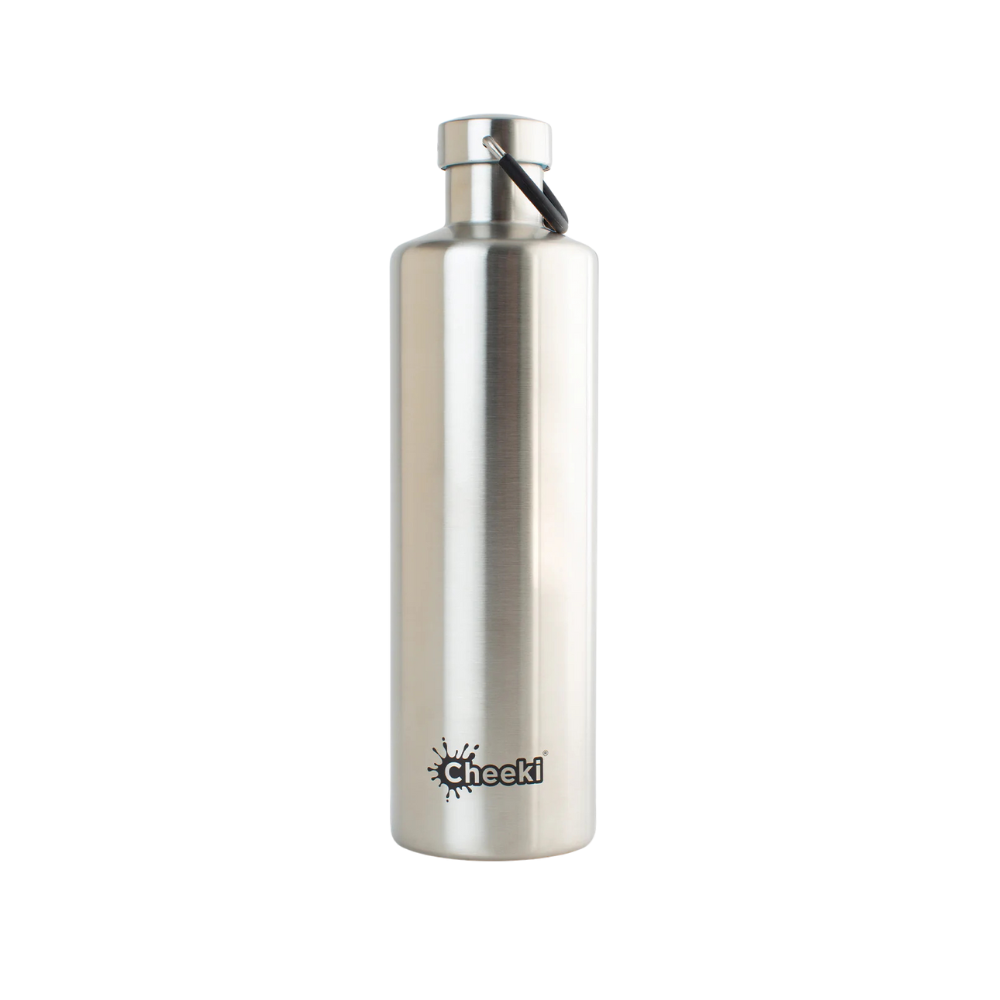
Some chemicals in plastics, fragrances and personal care products, such as BPA and certain phthalates, can interact with oestrogen receptors. You can’t avoid them entirely, but you can lower your exposure. Use glass or stainless steel for hot food and drinks, choose fragrance-free products where you can and avoid heating food in plastic. Our guide to microplastics in everyday life has more swaps to start with.
Support ovulation, because progesterone matters too
Progesterone levels are closely linked with ovulation, so changes in ovulation can also change hormone patterns across the cycle. Sleep, stress, eating enough and steady blood sugar all play a part in regular ovulation. Tracking your cycle is one of the simplest ways to see what’s happening, and our guide to what a normal menstrual cycle looks like is a good place to begin.
Keep body composition in perspective
Body composition can be one of many factors associated with hormone metabolism. Rather than restrictive dieting, we generally focus on sustainable foundations such as regular movement, strength-based exercise, adequate protein and a varied diet.
Supplements come last, not first
Our practitioners may consider nutrients and herbs as part of a plan, but which ones depend on what’s driving your symptoms, what medications you take and whether you’re trying to conceive. Some herbs and concentrated supplements can interact with medicines, including hormonal contraception. We don’t recommend starting a concentrated supplement such as DIM on the strength of a quiz or a symptom list.
This guide is for women whose symptoms cluster before their period
It’s written for women who notice their symptoms cluster in the second half of their cycle, who feel their periods have become heavier or harder to manage or who have been told they may have oestrogen dominance and want to understand what that means before acting on it. It’s also useful if you’re in your late 30s or 40s and noticing your cycle change, as shifting hormones in perimenopause can produce a very similar picture.
See your GP first, then consider naturopathic support
See your GP first if your periods are very heavy, if you bleed between periods or after sex, if you notice a new breast lump or if your symptoms are affecting your daily life. These need medical assessment.
If those have been ruled out and you’d like to understand your hormones in more depth, our Naturopaths and Homeopaths can work alongside your medical care. We see clients at our clinic in Liverpool, Sydney and online across Australia, and every plan starts with your history, your cycle and your digestion rather than a supplement.
Explore our approach to hormone health
Reviewed by the clinical team at Nourishing Apothecary. Our practitioners hold advanced qualifications in Naturopathy and Homeopathy, with clinical expertise spanning fertility, hormonal health, IVF support and postnatal care. Nourishing Apothecary consults from Liverpool, Sydney and online across Australia.
Continue reading
More from the Words of Nourishment journal
How to support your liver naturally