
Walk into any health food store or search online and you'll find dozens of products marketed at women trying to conceive, all claiming to support fertility. The noise is real, and it can make it genuinely difficult to know where to start.
As Naturopaths, our starting point is always the individual. But there are specific nutrients that consistently come up in the research around egg health, and understanding why they matter, and what to look for in a quality product, can help you have a more informed conversation with your practitioner.
For context on why egg quality matters in the first place, this article on why egg health matters in your fertility journey is a useful starting point.
Why form and quality matter
Not all supplements are created equal, and this is particularly true in the fertility space. The form a nutrient comes in affects how well your body can actually absorb and use it. Folic acid, for example, is the synthetic form of folate that your body has to convert before it can use it. Many women carry a genetic variation that affects this conversion, which means standard folic acid supplements may not be the most useful option. Activated folate (5-MTHF) bypasses this step entirely.
The same logic applies across the board. Our practitioners choose products with bioavailable forms of nutrients, which is what "Naturopath-approved" actually means in practice. It's not a marketing label. It reflects a genuine assessment of ingredient quality, manufacturing standards, and clinical usefulness.
The key nutrients our practitioners consider
Ubiquinol (the active form of CoQ10)
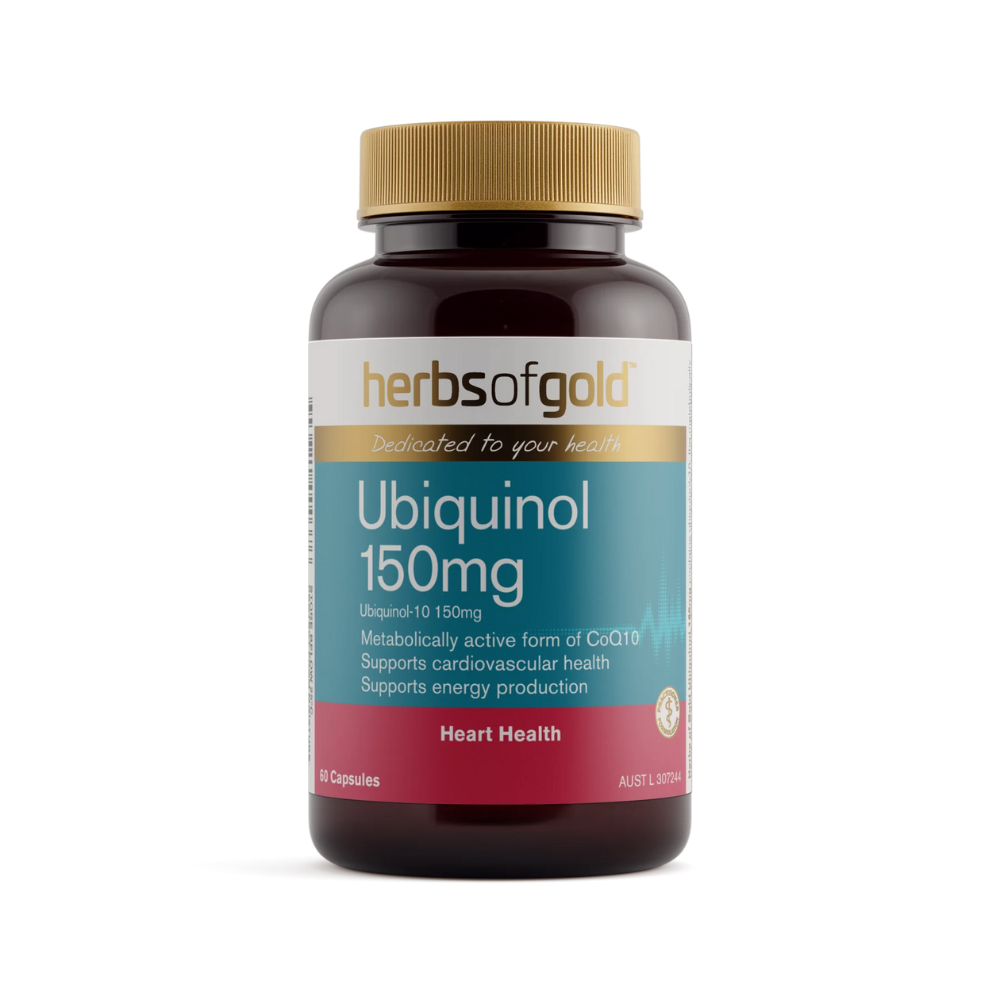
Egg cells are among the most energy-demanding cells in the body, relying on mitochondria to power the processes involved in fertilisation and early embryo development. Ubiquinol is the active, readily absorbed form of CoQ10 that supports mitochondrial function and antioxidant defence. It's one of the most researched nutrients in the context of egg health. Our practitioners may consider Herbs of Gold Ubiquinol 150mg as part of a personalised plan.
Activated folate
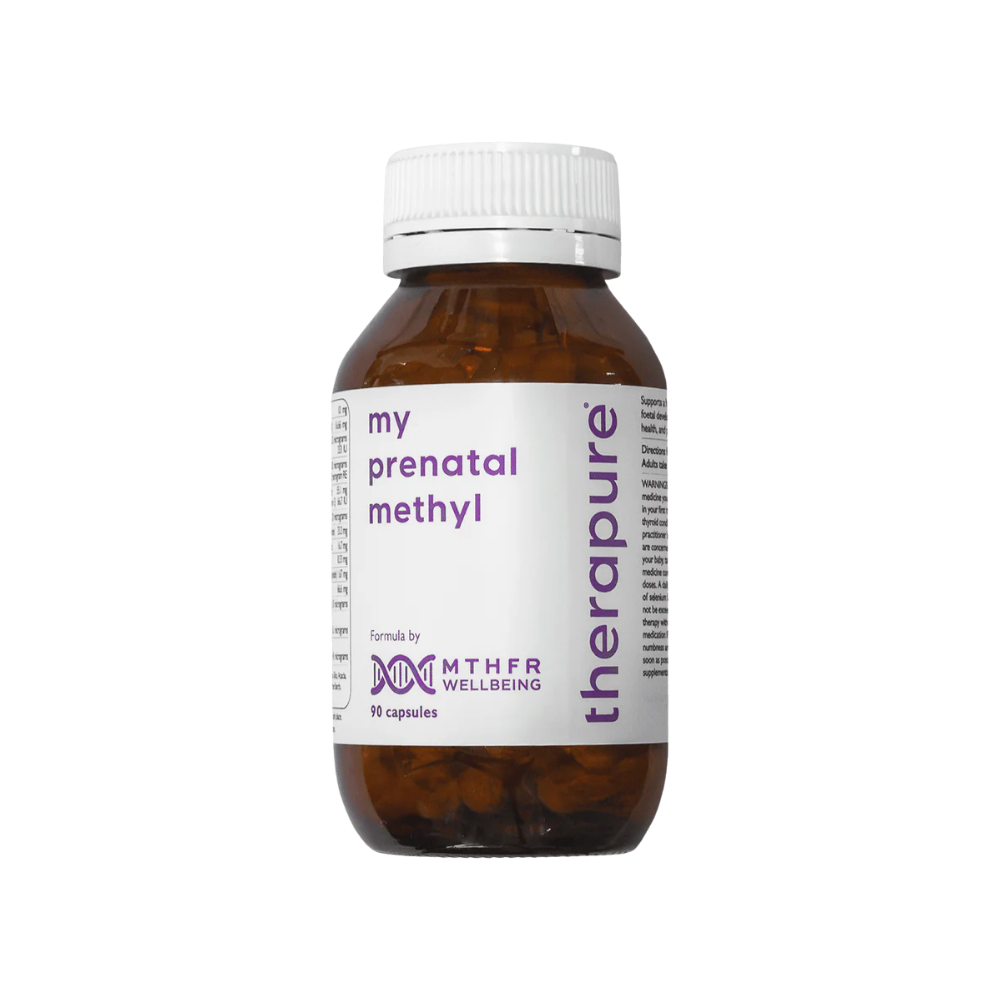
Folate plays a role in chromosomal integrity and cell division, both of which are central to egg quality and early embryo development. Our practitioners look for activated forms (5-MTHF) rather than synthetic folic acid, particularly for women who may have difficulty converting standard folate. You can explore our fertility supplement range for activated folate options.
Zinc
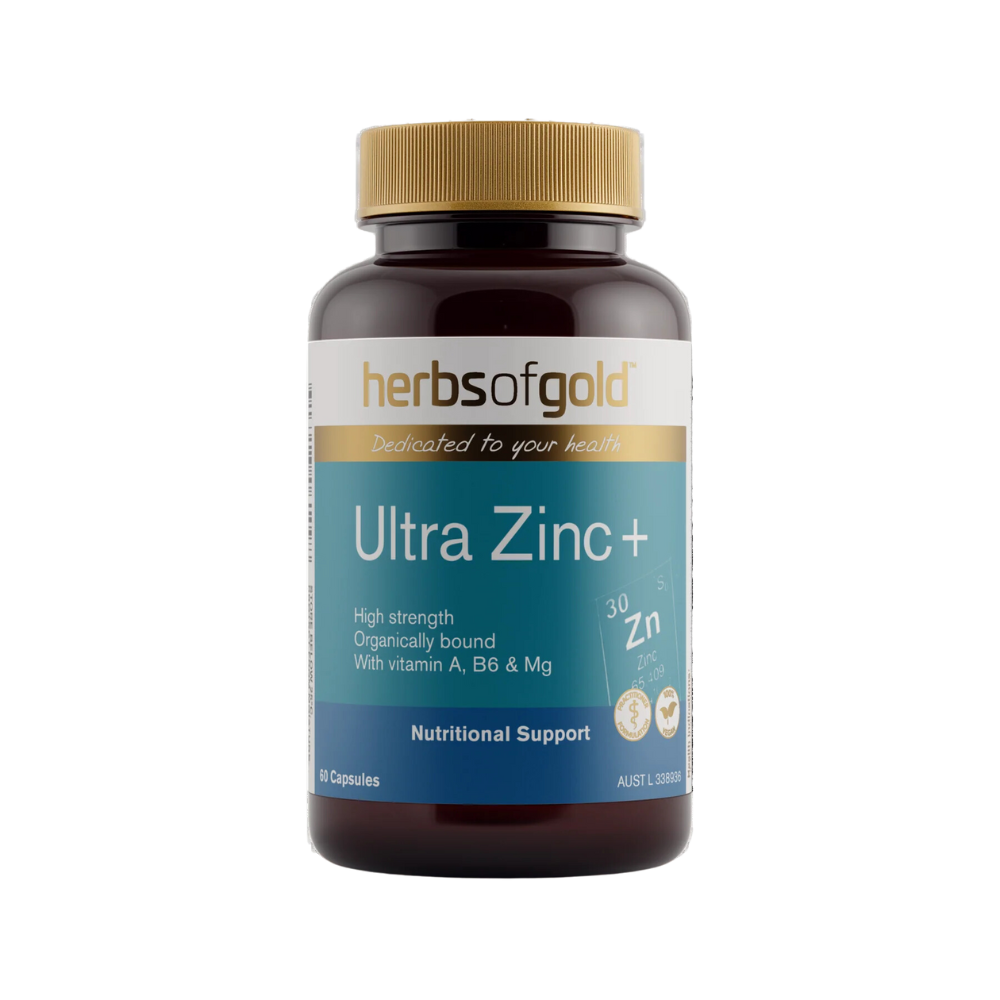
Zinc is involved in egg maturation, ovulation, and hormonal signalling. It also plays a role in antioxidant defence. Many women don't get adequate zinc through diet alone, and deficiency can be subtle. Our practitioners favour highly bioavailable forms, such as Herbs of Gold Ultra Zinc+, which combines three organically bound forms for optimal absorption alongside key cofactors.
Omega-3 fatty acids
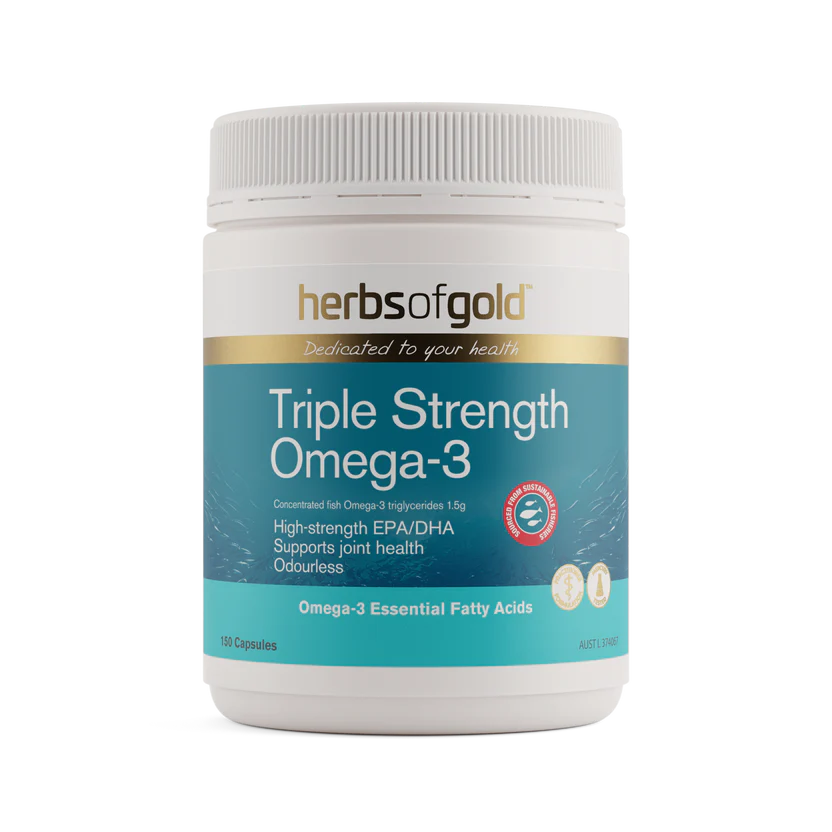
Omega-3s support healthy hormone production, help reduce inflammatory load, and may positively influence the follicular environment surrounding developing eggs. Quality matters here too. Our practitioners look for high-potency formulas with meaningful EPA and DHA levels, such as Herbs of Gold Triple Strength Omega-3, which is sustainably sourced and independently tested for purity.
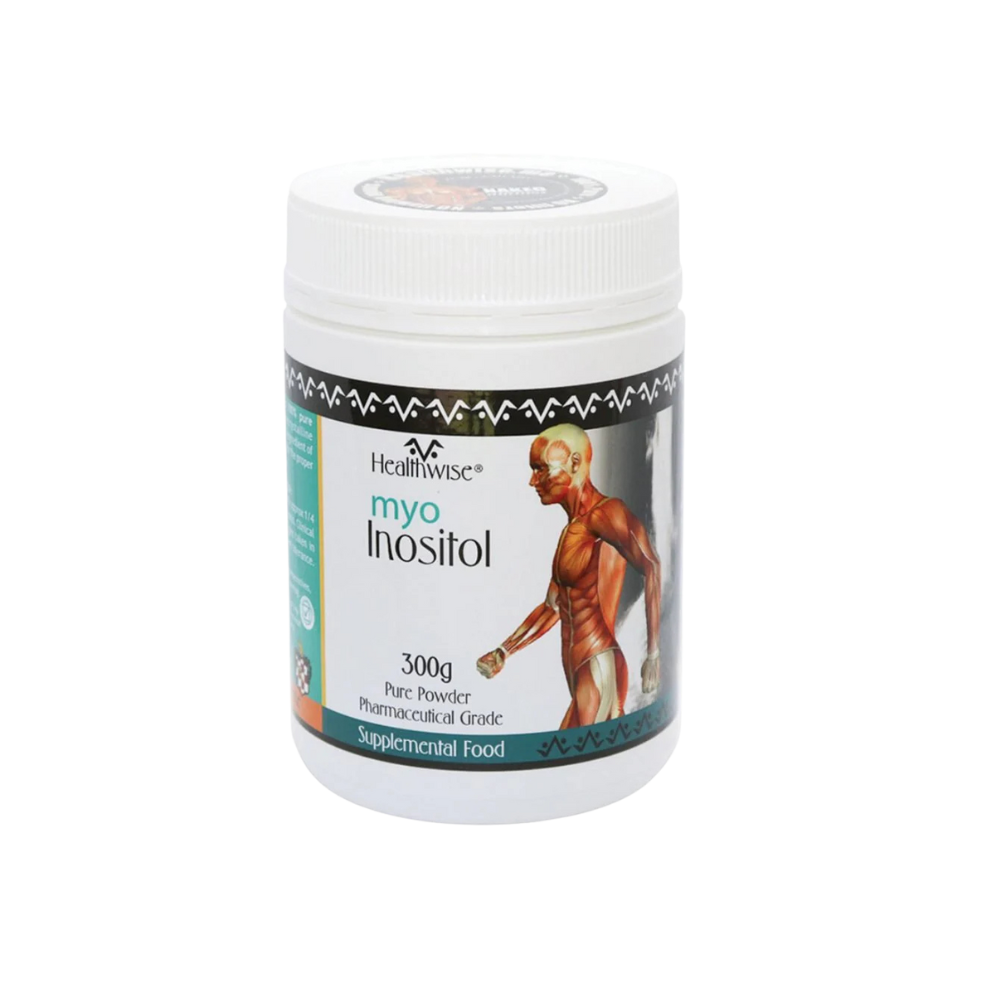
Myo-inositol
Myo-inositol supports insulin signalling and ovarian function, and is particularly relevant for women where blood sugar balance and hormonal regulation are part of the clinical picture. It's one of the more well-researched nutrients for ovarian health. Our inositol collection has options our practitioners may recommend as part of a personalised fertility plan.
Please don't just supplement without guidance
We say this genuinely, not to gatekeep. The right combination of supplements depends entirely on what your body needs, and some nutrients can actually compete with each other or become counterproductive in high doses without clinical context. A practitioner assessment before starting anything is always time well spent.
Our Naturopath-approved collection shows everything we stock and stand behind. But if you want to know what's right for your specific situation, a discovery call gives us the chance to understand your health picture before making any recommendations.
You can also meet our team to find the practitioner who's the right fit for where you are in your journey.
Egg quality FAQ
Common questions about egg quality
What is the best supplement for egg quality in Australia?
There is no single best supplement because egg quality is influenced by multiple factors, and what's most useful depends on your individual health picture. That said, ubiquinol (the active form of CoQ10), activated folate, zinc, and omega-3 fatty acids are among the nutrients our practitioners most commonly consider when supporting egg health. A Naturopathic assessment is the most reliable way to identify which of these, if any, are appropriate for you specifically.
Is CoQ10 or ubiquinol better for egg quality?
Ubiquinol is the active, reduced form of CoQ10 that the body can use directly, without the conversion step required for standard CoQ10. This makes it more readily absorbed, particularly as we age or when the body's ability to convert CoQ10 naturally declines. For this reason, our practitioners tend to favour ubiquinol over standard CoQ10 when considering mitochondrial support as part of a fertility plan. Herbs of Gold Ubiquinol 150mg is a high-strength formula we stock for this purpose.
Why do Naturopaths recommend activated folate instead of folic acid?
Folic acid is the synthetic form of folate, and it requires conversion by an enzyme called MTHFR before the body can use it. A significant proportion of women carry a genetic variation that affects this conversion, which may reduce the effectiveness of standard folic acid supplementation. Activated folate (5-MTHF) bypasses this step entirely, making it a more dependable option for many women. Our practitioners consider individual needs before recommending any specific form.
How long should you take fertility supplements before IVF or trying to conceive
Egg maturation takes approximately three to four months, which is the minimum timeframe our practitioners work within when supporting fertility clients. Starting supplementation at least this far in advance of a planned IVF cycle or conception attempt gives the most meaningful opportunity to support the cellular environment in which eggs are developing. Supplementing in the week before egg retrieval is unlikely to have a significant impact on egg quality.
Disclaimer: This article is provided for educational and informational purposes only. It is not intended to replace personalised medical or naturopathic advice, diagnosis, or treatment. The information presented does not constitute a therapeutic claim. Always consult a qualified health practitioner before making changes to your health, nutrition, or supplement routine, particularly if you are pregnant, trying to conceive, or managing a diagnosed health condition. Nourishing Apothecary's practitioners operate in accordance with Australian naturopathic and TGA guidelines.