
Inflammation comes up in almost every health conversation these days, but it's rarely explained well. It's become a catch-all phrase for feeling unwell, when in fact it's a specific biological process that, when it goes unchecked, can quietly disrupt a lot of things your body depends on, including your hormones, your digestion, and your reproductive health.
Understanding what's actually happening in your body is the first step. And knowing where inflammation comes from gives you somewhere to start.
What inflammation actually is
Acute inflammation is your body's natural, protective response to injury or illness. It's what causes a wound to swell or your throat to redden when you're fighting an infection. That kind of inflammation is useful and temporary.
Chronic low-grade inflammation is different. It sits quietly in the background, often without obvious symptoms, driven by ongoing triggers like gut imbalance, poor sleep, a diet high in processed foods, chronic stress, or environmental exposures. Over time, this persistent inflammatory state can begin to interfere with the body's normal signalling systems, including the ones that regulate your hormones.
How inflammation disrupts hormonal balance
Hormones are chemical messengers, and they rely on clear signalling to do their job. Chronic inflammation can interfere with that signalling in several ways. It can affect the sensitivity of hormone receptors, meaning your body produces the right amounts of hormones but they don't land as they should. It can increase cortisol, which competes with and suppresses reproductive hormones. It can also affect thyroid function, which sits at the centre of your metabolic and hormonal health.
For women, this often shows up as irregular cycles, worsening PMS, difficulty with ovulation, or hormonal symptoms that feel out of proportion to what blood tests show. For our practitioners, this is a signal to look deeper rather than simply address the symptoms.
The gut connection
Your gut and your hormonal system are in constant conversation. A healthy gut microbiome helps regulate inflammation, supports the metabolism of oestrogen, and plays a significant role in how nutrients are absorbed. When gut health is compromised, whether through dysbiosis, leaky gut, or chronic digestive issues, the resulting inflammatory signals can ripple outward and affect hormonal balance.
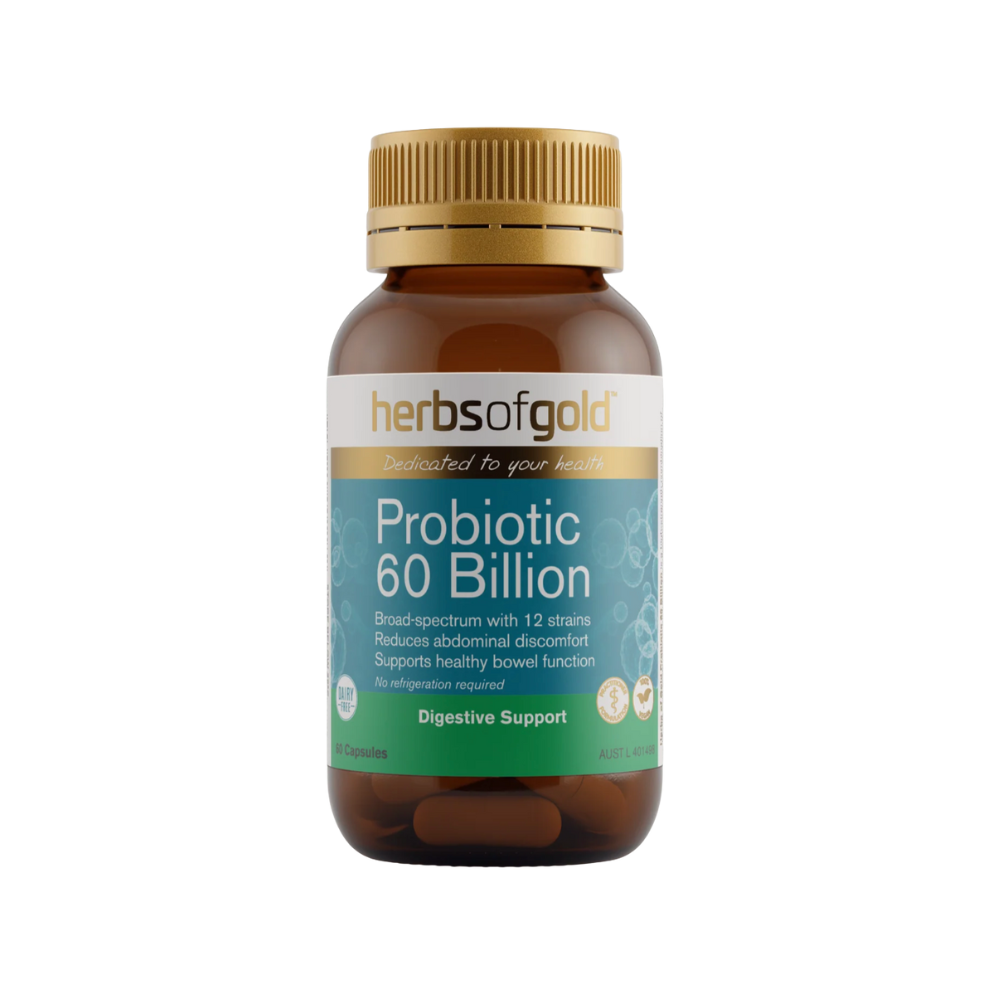
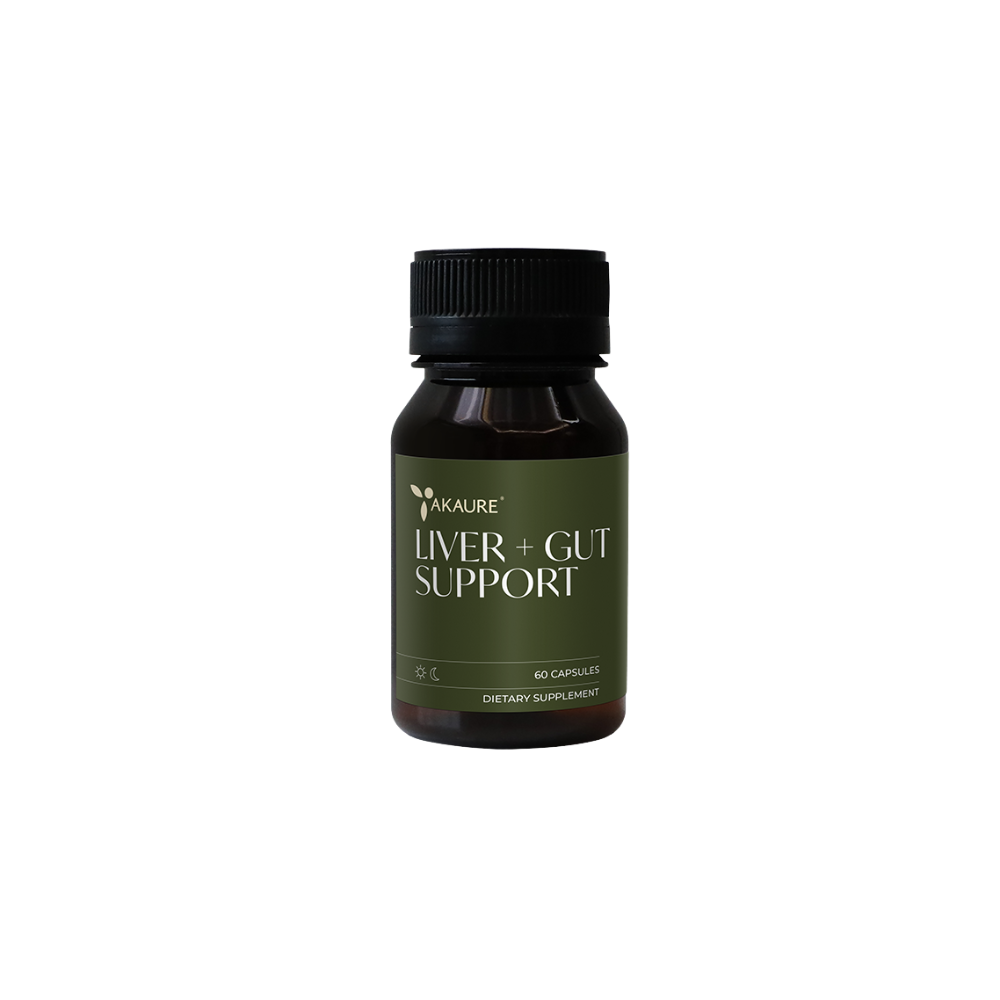
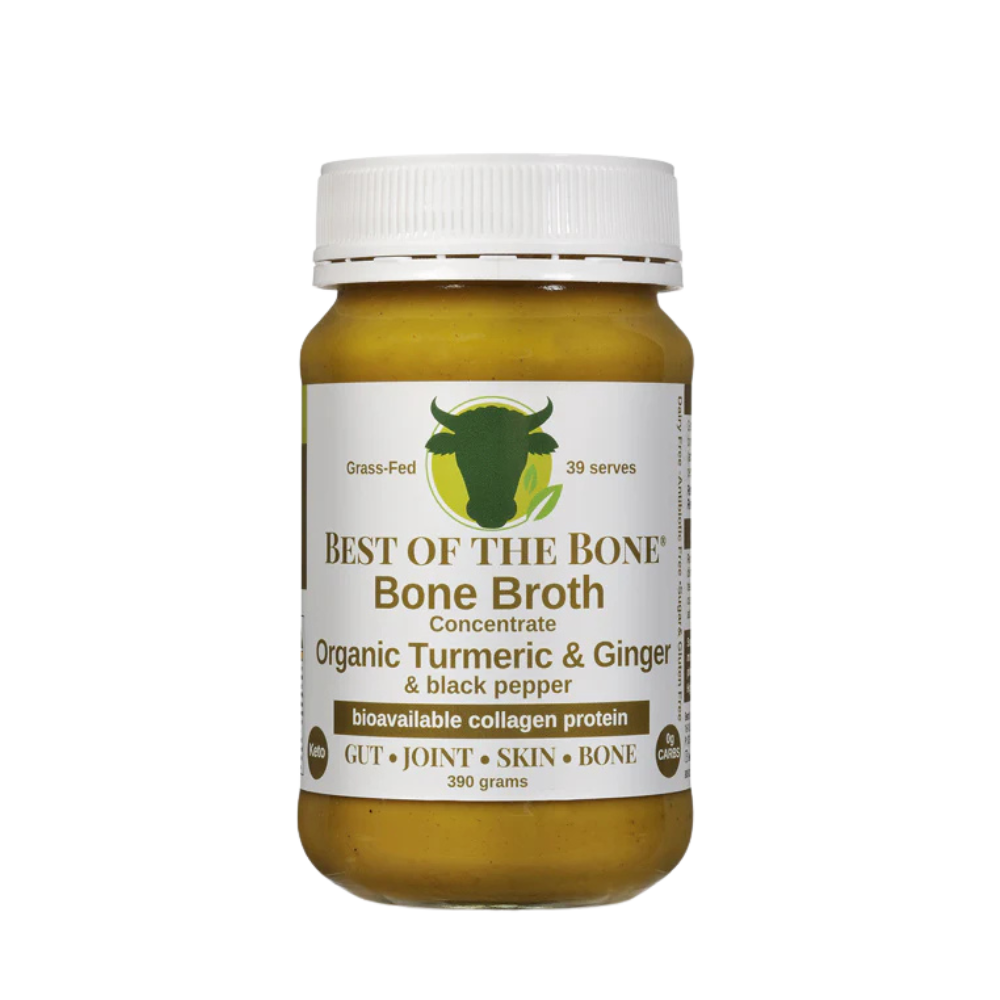
This is why our practitioners so often begin with the gut, even when a client's presenting concern is hormonal or fertility-related. Addressing the foundation tends to shift a lot else with it. Our gut health range stocks a number of Naturopath-approved options our practitioners may consider as part of a personalised plan.
Inflammation and fertility
Chronic inflammation can affect reproductive health in ways that are often underappreciated in standard fertility assessments. Inflammatory processes within reproductive tissues may influence the environment in which eggs mature, the quality of the uterine lining, and the hormonal signals that guide the menstrual cycle.
This is particularly relevant for women navigating unexplained infertility, recurrent miscarriage, or preparing for IVF. Our approach to fertility looks at inflammatory load as a key piece of the picture, alongside nutrition, gut health, stress, and hormonal balance. For more on how these factors intersect, read our article: Why egg health matters in your fertility journey.
What Naturopathic support looks at
At Nourishing Apothecary, addressing inflammation isn't about prescribing a single anti-inflammatory supplement and calling it done. Our practitioners investigate the drivers: gut health, diet patterns, stress load, sleep quality, environmental factors, and underlying hormonal imbalances that may be fuelling the inflammatory cycle.
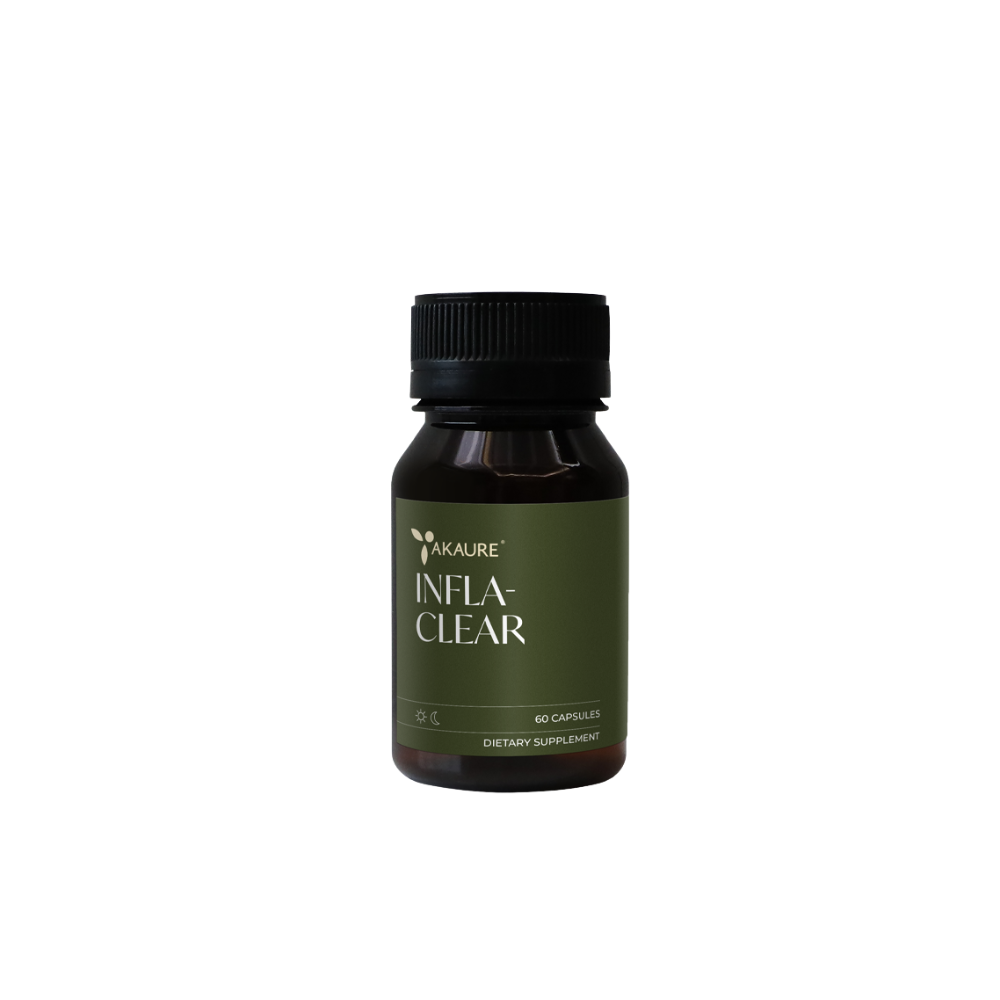
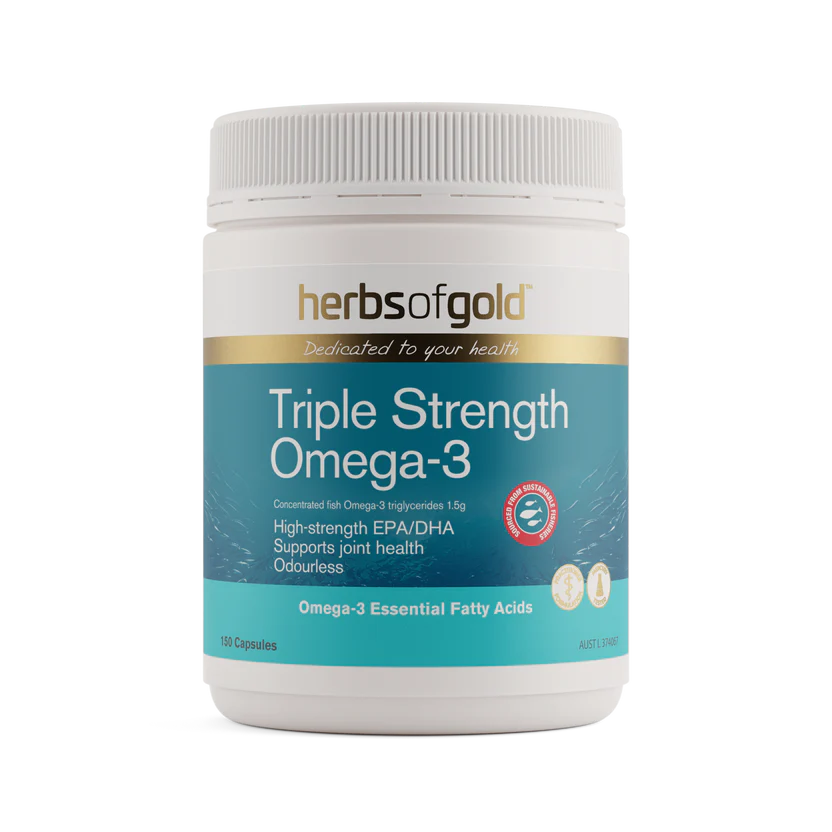
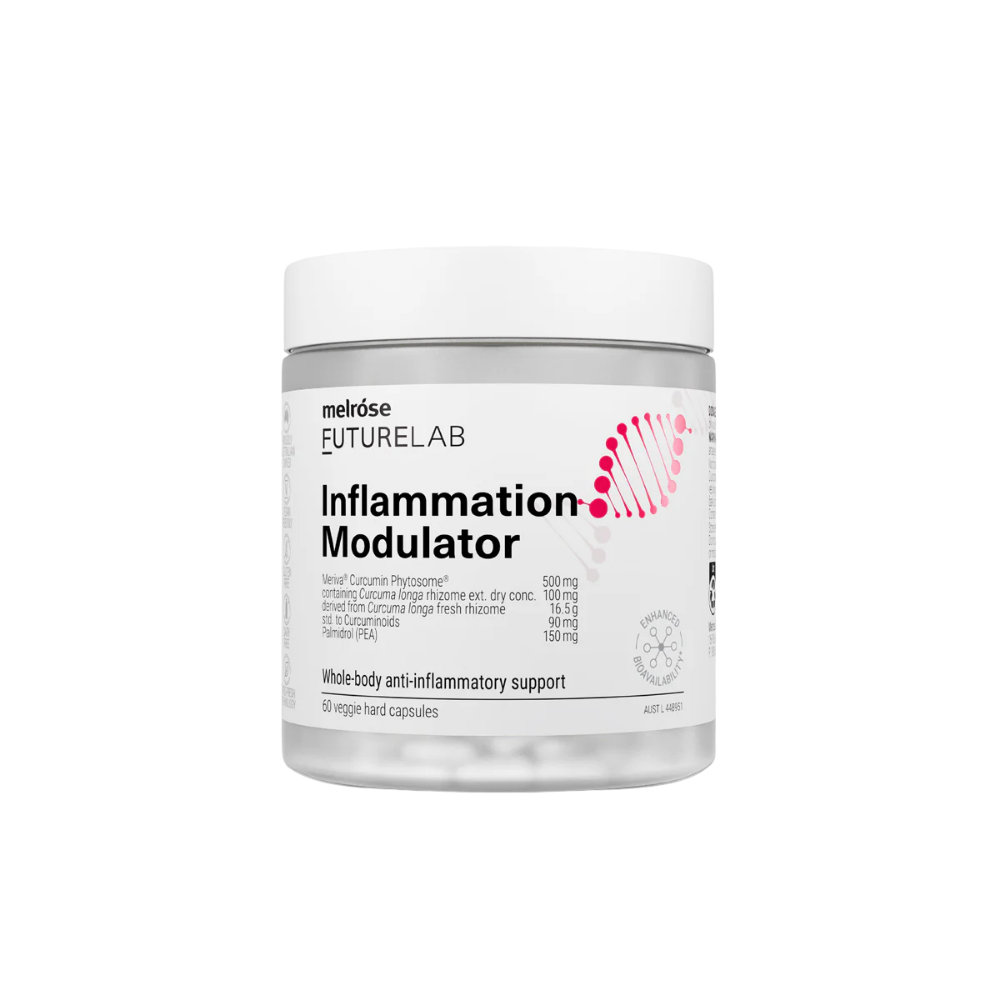
Where specific nutritional support is appropriate, products like Melrose FutureLab Inflammation Modulator or high-quality omega-3 formulas such as Herbs of Gold Triple Strength Omega-3 may be considered as part of a broader, personalised plan. You can also browse our anti-inflammatory range to explore what we stock.
If you'd like to understand what's driving inflammation in your body specifically, a discovery call is the best place to start.
You can also meet our team to find the practitioner who's the right fit for where you are in your journey.
Inflammation FAQ
Common questions about inflammation, and how it affects your hormones, gut health and fertility
What are the signs of chronic inflammation?
Chronic inflammation often doesn't produce obvious symptoms, which is part of what makes it difficult to identify without investigation. Common signs may include persistent fatigue, skin concerns, digestive irregularity, brain fog, joint discomfort, or hormonal disruption such as irregular cycles or worsening PMS. Because these symptoms overlap with many other conditions, a thorough Naturopathic assessment is often the most useful starting point for understanding what's driving them.
Can inflammation affect fertility?
Yes. Chronic low-grade inflammation can influence the hormonal environment, the quality of reproductive tissues, and the conditions in which eggs mature. It is an area our practitioners assess as part of a whole-person fertility investigation, particularly for women with unexplained infertility, hormonal irregularities, or those preparing for IVF. Addressing inflammatory load is often part of a broader naturopathic fertility plan rather than an isolated intervention.
How does gut health affect inflammation?
The gut microbiome plays a significant role in regulating the body's inflammatory response. When gut bacteria are out of balance, or when the gut lining is compromised, it can trigger systemic inflammatory signals that affect hormonal health, immune function, and overall wellbeing. This is why gut health is a foundational area for our practitioners, even when a client's presenting concerns appear unrelated to digestion.
What does a Naturopath do for inflammation?
A Naturopath takes a root-cause approach to inflammation rather than simply addressing its symptoms. This involves investigating the underlying drivers, which may include gut dysbiosis, nutritional deficiencies, chronic stress, dietary patterns, or hormonal imbalances, and developing a personalised plan that addresses those specific factors. At Nourishing Apothecary, this may include herbal medicine, dietary guidance, targeted nutritional support, and lifestyle recommendations tailored to your individual health picture.
Disclaimer: This article is provided for educational and informational purposes only. It is not intended to replace personalised medical or naturopathic advice, diagnosis, or treatment. The information presented does not constitute a therapeutic claim. Always consult a qualified health practitioner before making changes to your health, nutrition, or supplement routine, particularly if you are pregnant, trying to conceive, or managing a diagnosed health condition. Nourishing Apothecary's practitioners operate in accordance with Australian naturopathic and TGA guidelines.