
Choosing a prenatal supplement should feel straightforward, but the options are overwhelming. There are dozens of products at different price points, with ingredient lists that can be difficult to decode, and no shortage of contradictory advice about what you actually need.
This guide cuts through the noise. Whether you are planning to conceive, currently pregnant, or newly postpartum, here is what our Naturopaths and Homeopaths look for, why the form of each nutrient matters, and how to think about finding the right prenatal supplement for your body.
Explore fertility and preconception consultation services
What to look for in a prenatal supplement
Not all prenatal vitamins are created equal. The form and dose of each nutrient matters as much as whether it is listed on the label, and many over-the-counter options use cheaper synthetic forms that the body may not absorb as effectively.
Here are the key nutrients our Naturopaths and Homeopaths focus on when assessing prenatal supplements for clients:
Folate: not folic acid
Folate is essential for healthy cell division in early pregnancy. While folic acid is the synthetic form found in most standard prenatal vitamins, methylfolate (5-MTHF) is the active form the body can use directly. This is particularly important for people with an MTHFR gene variant, which affects how efficiently the body converts folic acid. Our practitioners look for methylfolate or folinic acid on the ingredient list rather than folic acid alone.
Iodine
Iodine supports thyroid function and plays a role in foetal development. Australia has recognised mild iodine insufficiency as a public health concern, with mandatory iodine fortification of bread introduced in 2009 to address it. Requirements during pregnancy are higher than for the general population. Many standard prenatal formulas contain inadequate amounts.
Iron
Many practitioner-grade prenatal formulas are intentionally iron-free. Iron can interfere with the absorption of other nutrients when included in a comprehensive prenatal blend, which is why it is often addressed separately rather than combined in a single formula.
Where additional iron support is needed, this is typically assessed individually based on your pathology and requirements. Ferrous bisglycinate is a form our practitioners commonly consider, particularly for those who have experienced digestive discomfort or difficulty tolerating iron supplementation in the past.
DHA (omega-3 fatty acid)
DHA is an omega-3 fatty acid that may support brain and eye development in the developing baby. Not all prenatal formulas include DHA, and those that do vary considerably in dose. Our practitioners look for at least 200mg of DHA from a sustainably sourced fish oil or algae-based source.
Vitamin D3
Vitamin D deficiency is common across Australia and requirements may increase during pregnancy. D3 (cholecalciferol) is the preferred supplemental form, and our practitioners recommend testing to establish your current level before supplementing.
CoQ10 / Ubiquinol
Ubiquinol is the active, bioavailable form of CoQ10 and is not always included in standard prenatal formulas. Our Naturopaths consider CoQ10 particularly relevant during the preconception period and may recommend it as a separate supplement alongside a prenatal multivitamin, depending on your individual circumstances.
Choline
Choline is one of the most important and historically under-discussed nutrients during pregnancy. It plays a key role in supporting healthy brain and nervous system development in the growing baby, which is why many practitioner-grade prenatal formulas now include meaningful amounts.
Its importance extends beyond pregnancy, too. Choline is naturally transferred through breast milk and continues to support your baby's growth and development throughout the breastfeeding journey.
Browse our practitioner-recommended prenatal and preconception supplements
When should you start taking a prenatal supplement?
The short answer: before you start trying to conceive, ideally three to four months before.
The reason is biological. It takes approximately three months for an egg to mature from an early follicle to the stage at which it can be fertilised. The nutritional environment surrounding that development matters throughout that window. Starting prenatal supplementation early means the foundations are established before conception, not after it is confirmed.
This is why our Naturopaths and Homeopaths ask preconception clients to commit to at least three to four months of support, whether they are trying to conceive naturally or preparing for an assisted reproductive technology cycle such as IVF.
EverNatal: a practitioner-recommended prenatal multivitamin
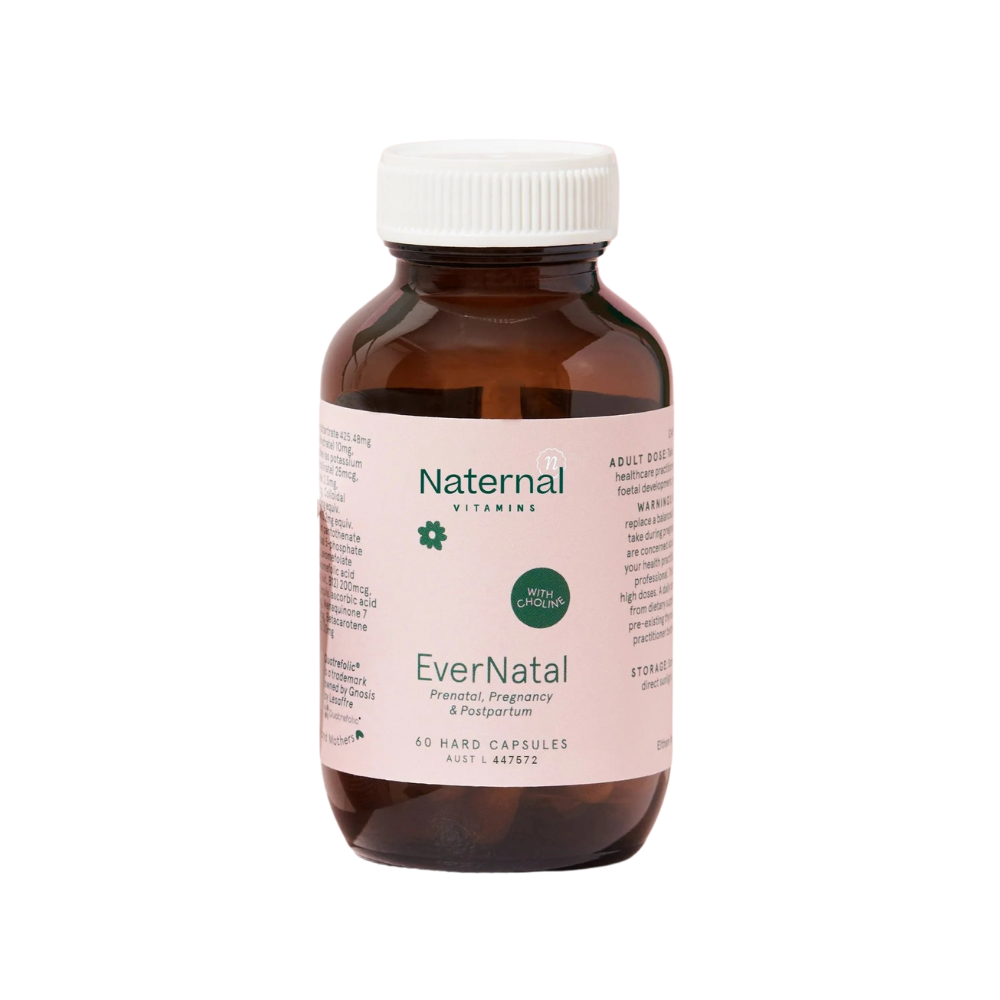
EverNatal Prenatal Multivitamin is a product our practitioners frequently discuss with clients looking for a comprehensive prenatal supplement. Formulated by Naternal Vitamins (formerly The Natal Naturopath), it uses methylfolate rather than folic acid and is designed to support nutritional needs across the preconception, pregnancy and postpartum stages.
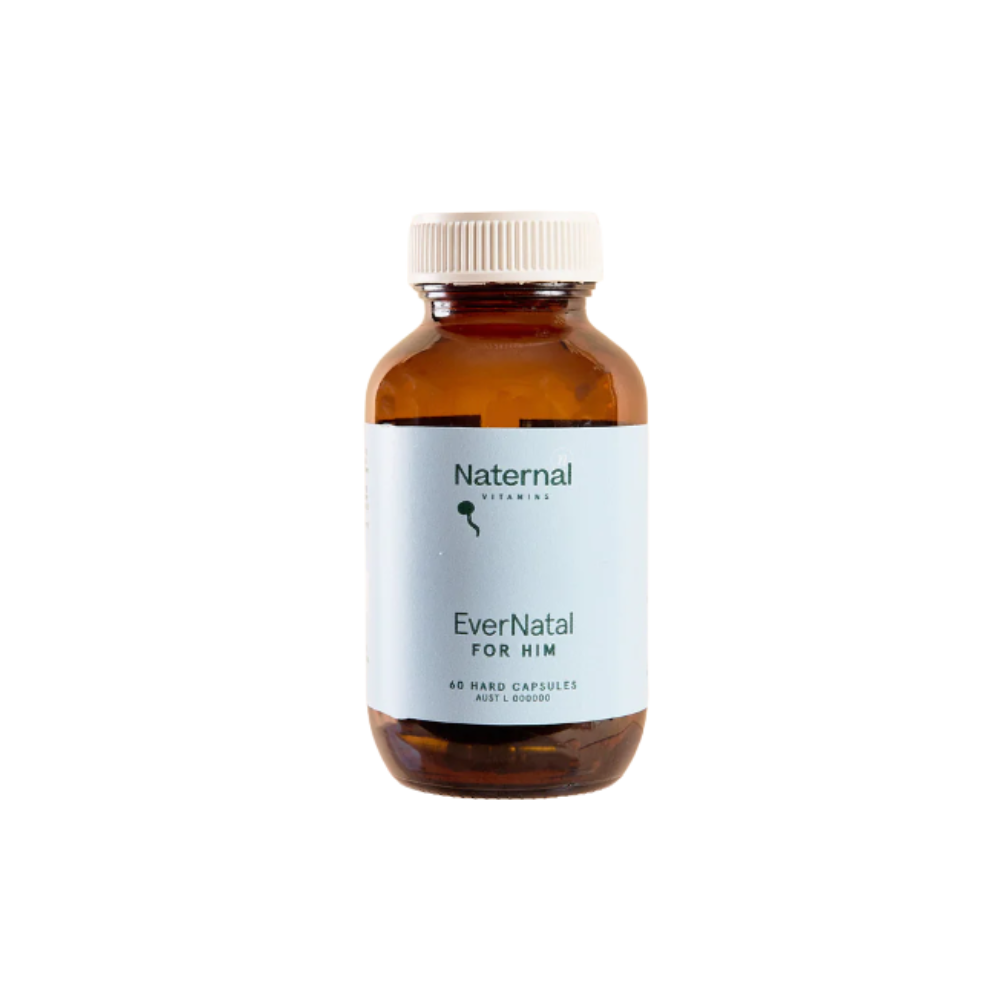
The EverNatal For Him formula addresses sperm health alongside egg health, with key nutrients including zinc, selenium, acetyl-L-carnitine and methylfolate that our practitioners may consider as part of a couples preconception plan.
View EverNatal Prenatal Multivitamin
The Naternal vitamins range
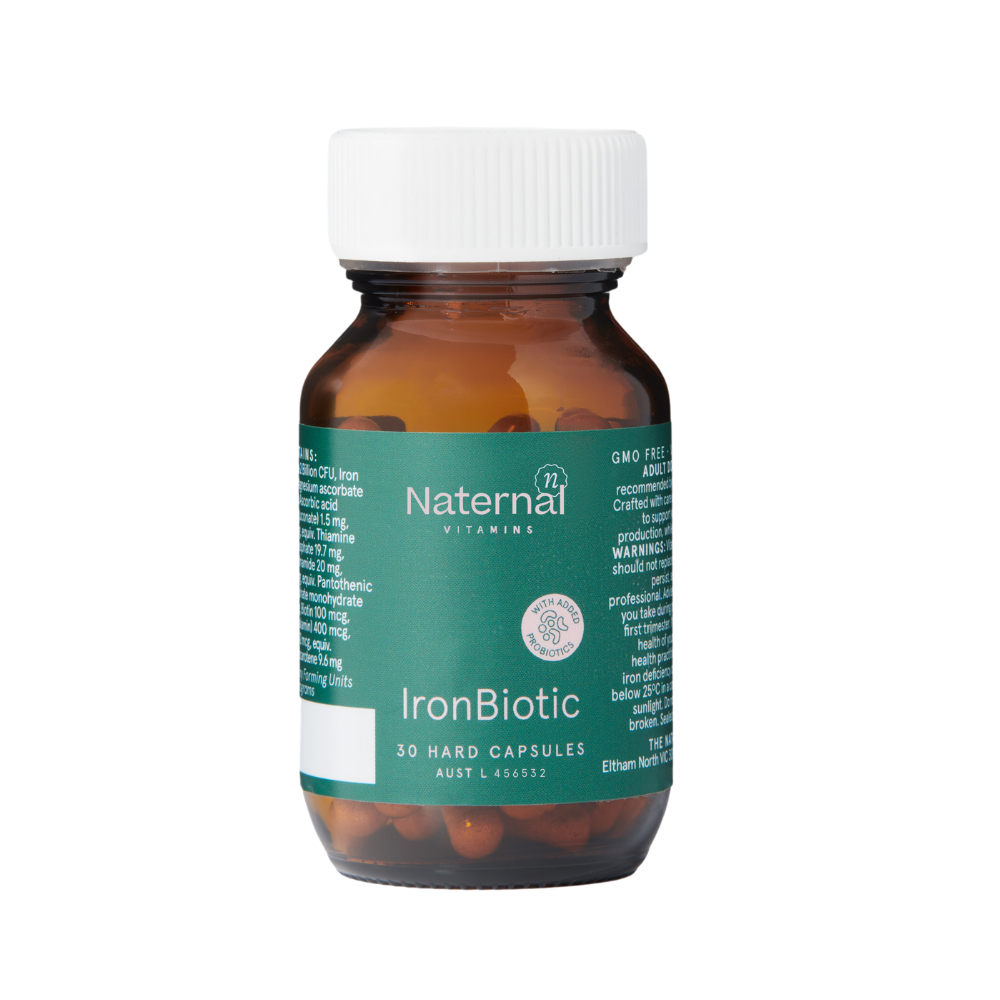
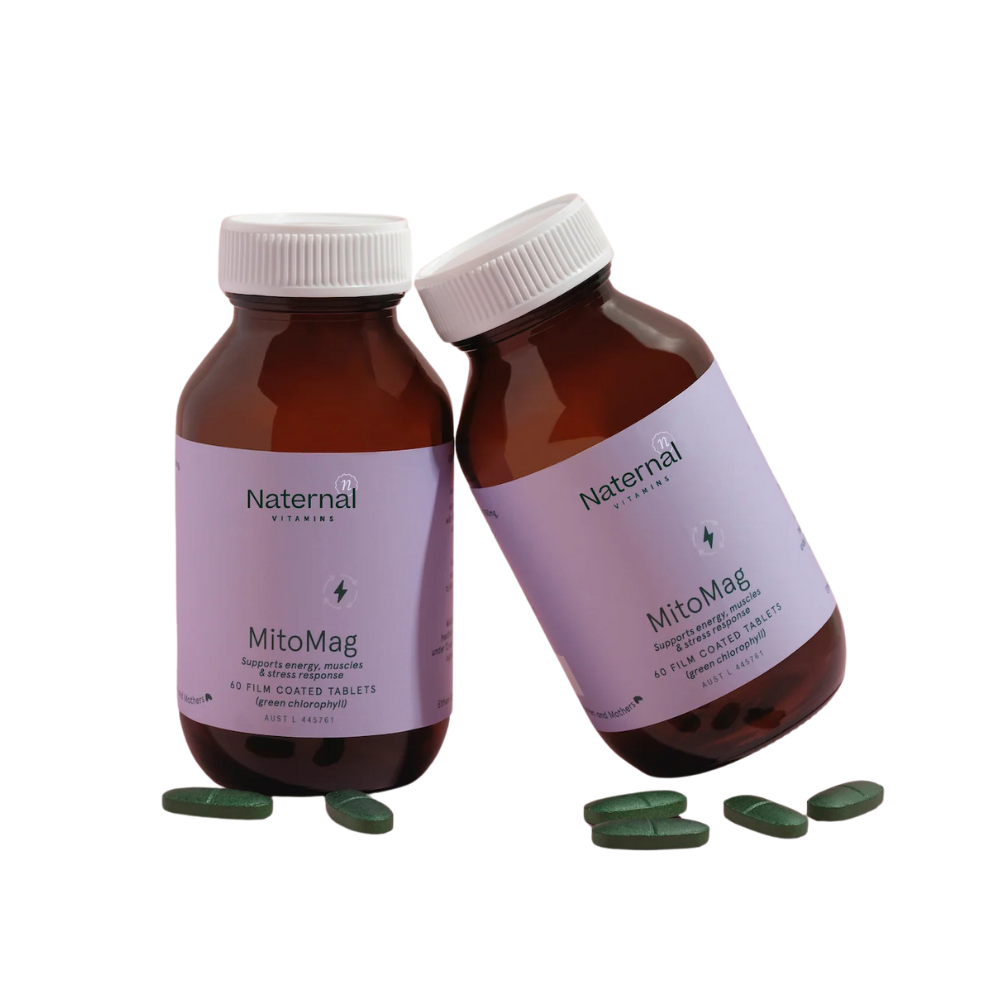
Naternal is a practitioner-focused supplement brand carried throughout our Wellness Apothecary. The range includes options across the preconception, pregnancy and postpartum stages, including MitoMag and IronBiotic, which our practitioners may consider depending on your individual circumstances and pathology.
Browse the Naternal vitamins collection
Other products our practitioners consider
Land Lab Mother Dose
Land Lab Mother Dose is an evidence-based prenatal multivitamin developed by doctors, dietitians and naturopaths, and incorporates native Australian plant ingredients including Kakadu Plum as a whole-food source of vitamin C. It is a practitioner-reviewed, TGA-listed option our practitioners may discuss as part of a preconception or pregnancy supplement plan.
NaturoBest preconception range
NaturoBest offers both women's and men's preconception multivitamins formulated with forms and doses that are commonly used in clinical practice. Our practitioners may discuss these as part of a comprehensive preconception plan.
One supplement or several?
This is one of the most common questions we hear. The honest answer is: it depends on your individual nutritional status, health history, and circumstances.
A high-quality prenatal multivitamin covers the foundations, but it may not cover every nutrient at the dose your body specifically needs. Our practitioners sometimes recommend a prenatal multivitamin alongside targeted support for iron, DHA, vitamin D or CoQ10, depending on what your pathology shows. We do not guess with supplements. Testing before supplementing means we can personalise your protocol rather than defaulting to a one-size-fits-all approach.
Getting personalised prenatal supplement advice
If you would like support working out the right prenatal supplement protocol for your body, our Naturopaths and Homeopaths offer fertility and preconception consultations at our Liverpool, Sydney clinic, and online across Australia. A discovery call is a free, no-obligation conversation to start.
Book a discovery call with our team
Prenatal supplements FAQ
Answers to common questions about prenatal supplements, preconception nutrition, and naturopathic support
When should I start taking a prenatal supplement?
Ideally, three to four months before you start trying to conceive. This reflects the time it takes for an egg to mature and means the nutritional environment is established before conception, not after it is confirmed. Our Naturopaths ask preconception clients to commit to at least this window of support for the most meaningful impact.
What is the difference between folic acid and methylfolate?
Folic acid is the synthetic form of folate found in many standard prenatal vitamins. Methylfolate (5-MTHF) is the active form the body can use directly, without needing to convert it first. For people with an MTHFR gene variant, the conversion of folic acid is less efficient, which is why our practitioners look for methylfolate or folinic acid in prenatal formulas.
Why are some prenatal vitamins iron-free?
Iron can interfere with the absorption of other nutrients when included in a comprehensive prenatal blend, which is why many practitioner-grade formulas are intentionally iron-free. Where iron support is needed, our practitioners assess this separately based on your individual pathology rather than including a fixed dose in a multivitamin.
Can I purchase prenatal supplements without a consultation?
Yes. You can browse and purchase our practitioner-recommended prenatal and preconception supplements directly from the Wellness Apothecary. That said, a consultation allows our Naturopaths to review your pathology and health history so your supplement protocol is personalised rather than general. If you are unsure where to start, a discovery call is a free, no-obligation conversation.
Do you offer online preconception consultations?
Yes. Our Naturopaths and Homeopaths offer fertility and preconception consultations online across Australia, as well as in person at our Liverpool, Sydney clinic. Wherever you are based, personalised support is available.
Continue reading
More from the Words of Nourishment journal
How to support your immune system naturally