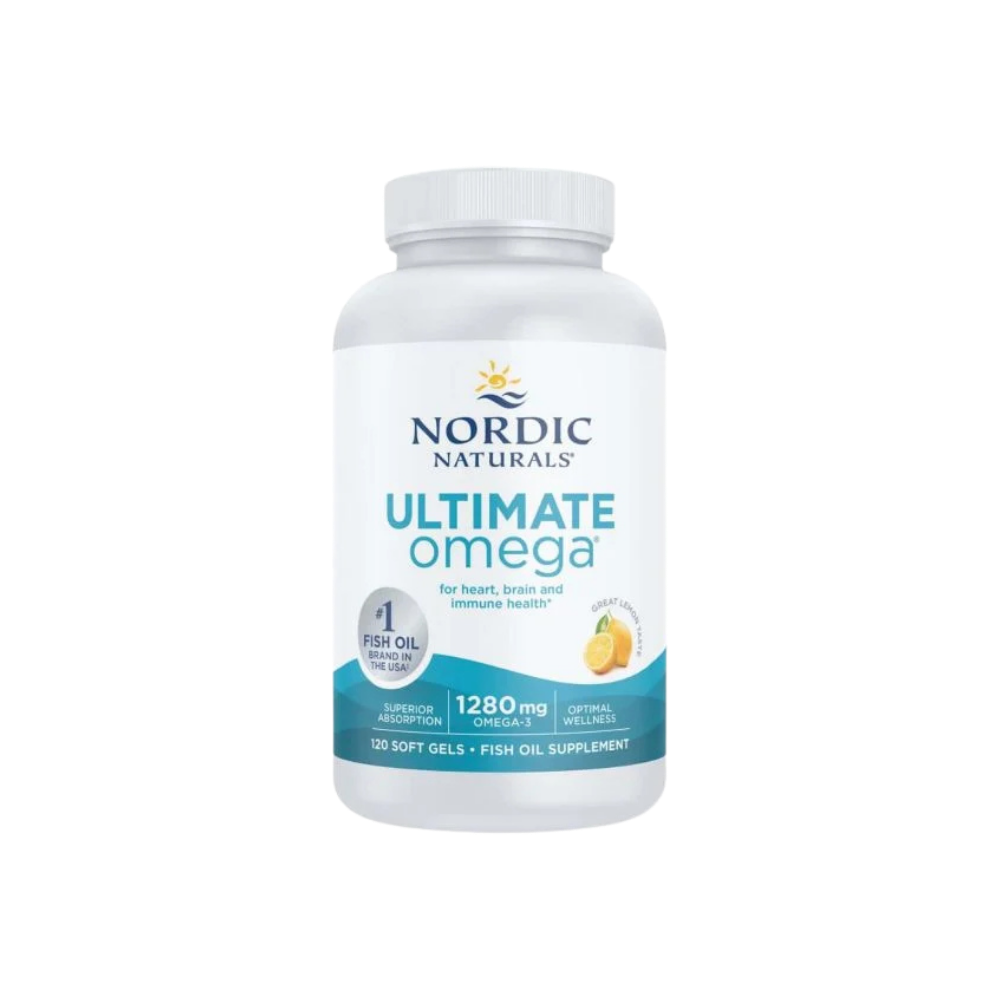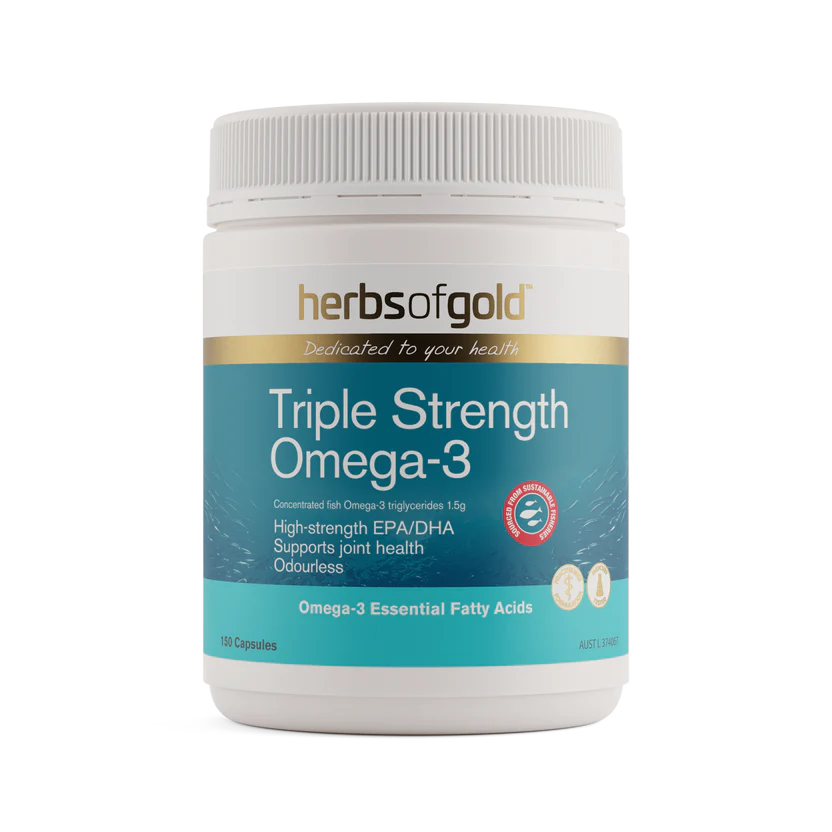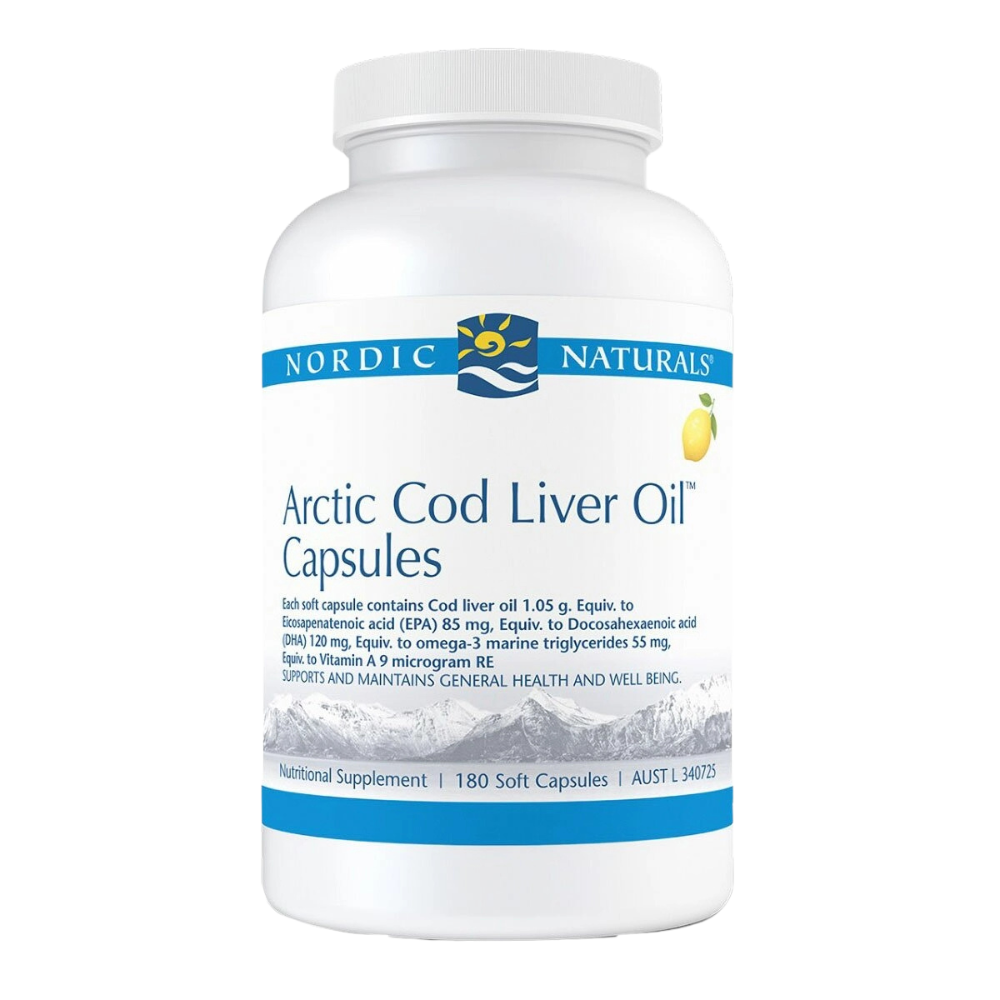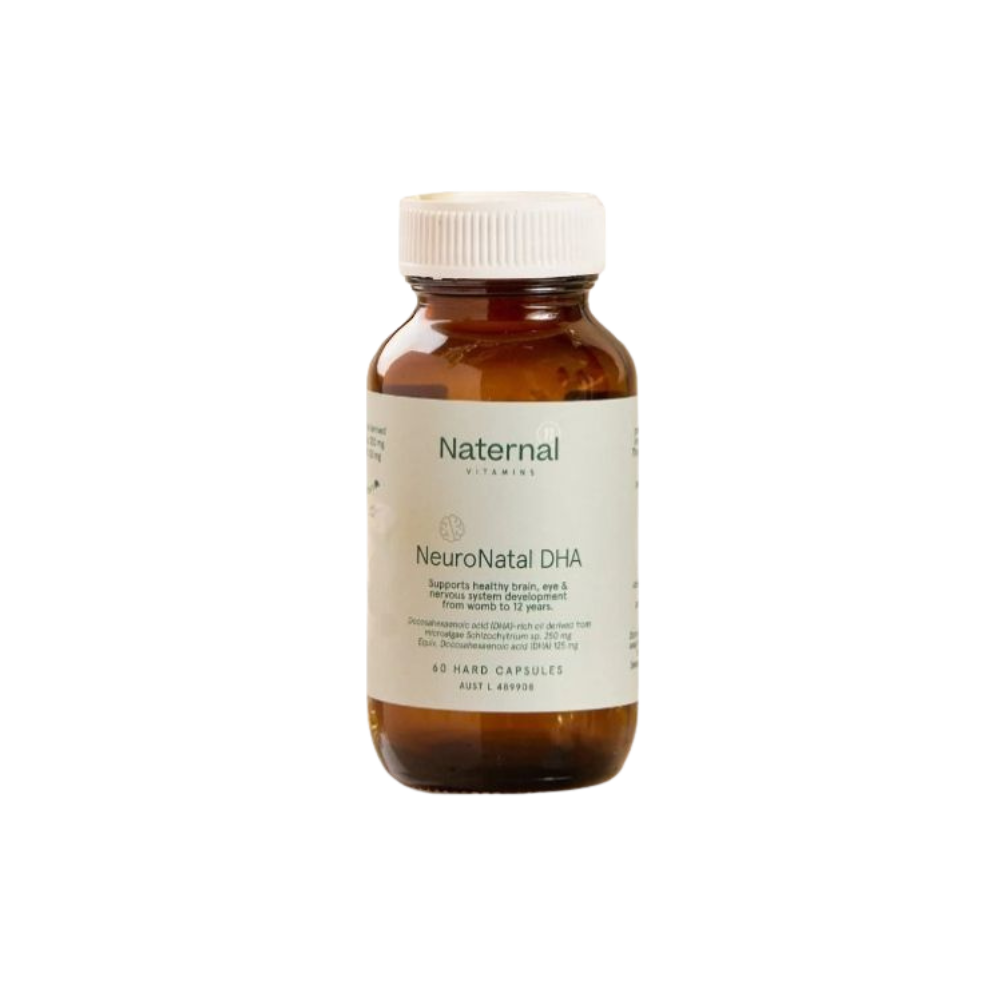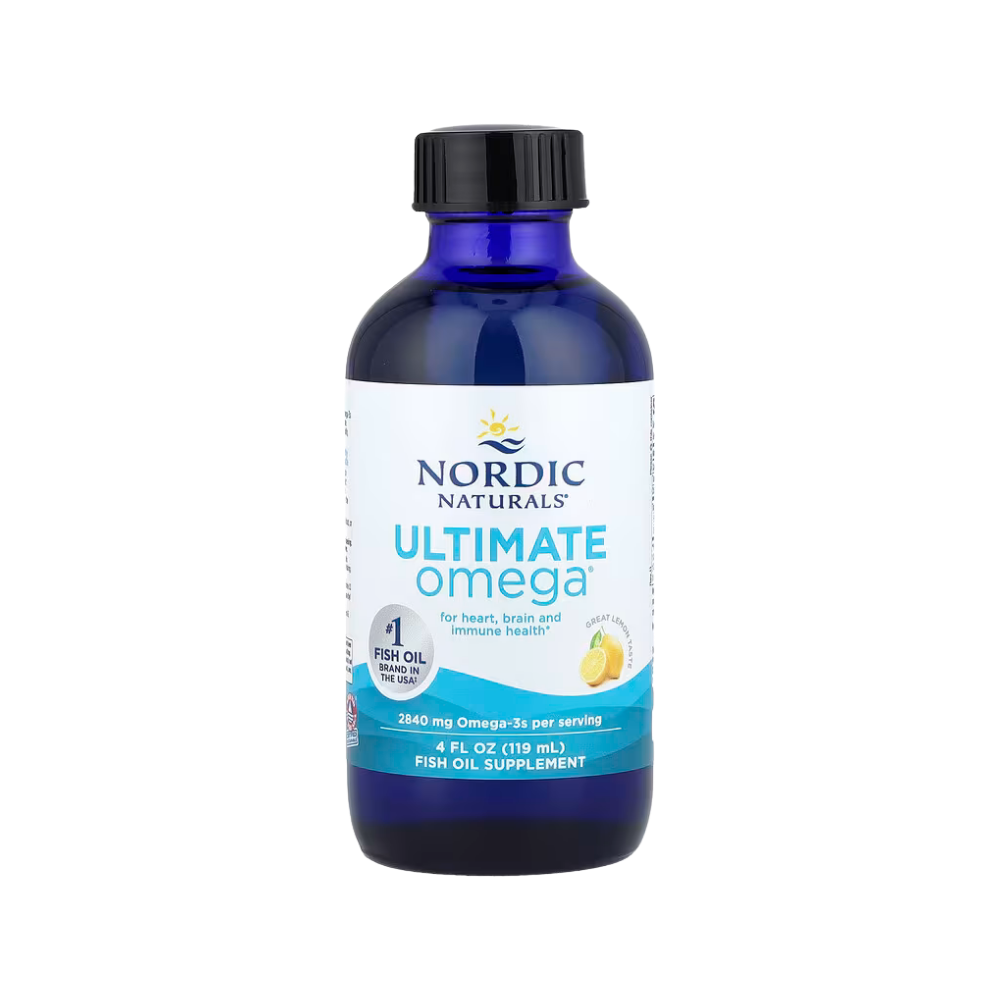

EPA, DHA, fish oil, cod liver oil, algae: what the terms on an omega-3 label mean, and how to compare products on what's actually inside.
When you're choosing a fish oil supplement, look past the big number on the front. Check how much EPA and DHA you get per serve, not just the total amount of oil. Then check the source of the oil (fish, cod liver or algae), its form (triglyceride or ethyl ester) and any testing or certification the label mentions.
Omega-3 supplements come in lots of shapes and sizes: capsules, liquids, fish oil, cod liver oil and algae oil. The labels can be confusing and the numbers don't always mean what you'd expect.
The good news is that knowing how to choose a fish oil supplement mostly comes down to reading the label. Below, we explain each term simply, so you can compare products on what's inside rather than what's on the front of the pack.
Looking for something specific?
Browse our fish oil and omega-3 range
Key takeaways
- The big number on the front is often the total oil. The EPA and DHA figures tell you how much omega-3 you're getting.
- Fish oil, cod liver oil and algae oil all contain long-chain omega-3s.
- Cod liver oil also contains vitamins A and D, so you'll see those on the label too.
- Algae oil is a plant-based option, and it's usually mostly DHA.
- Purity, freshness and sustainability claims are the label's own, so check who did the testing or certifying.
- Nutritional support does not replace medical diagnosis, treatment or advice.
What are EPA and DHA?
EPA and DHA are the two main omega-3 fats in fish oil. Their full names are eicosapentaenoic acid and docosahexaenoic acid, which is why everyone sticks to the letter abbreviations.
They're called long-chain omega-3s, which describes the size of the molecule.
You'll also see a third omega-3 mentioned: ALA. It comes from plants such as flaxseed, chia seeds and walnuts. Your body can turn some ALA into EPA and DHA, but not much. The US National Institutes of Health puts the conversion rate at less than 15 per cent.
So if you're looking for EPA and DHA specifically, the practical way to get them is from food or a supplement that contains them. That's why EPA and DHA are the figures to look for on the label.
Here's something many people don't know: fish don't make EPA and DHA themselves. They get them from microalgae, which work their way up the food chain. Keep that in mind for the algae section below.
Cod liver oil vs fish oil: what's the difference?
Fish oil is made from fish. Cod liver oil, as the name suggests, comes from the liver of cod. Both contain EPA and DHA, and the balance between the two varies from product to product. Cod liver oil also contains vitamins A and D.
That's worth understanding when you're comparing labels. A cod liver oil label will usually list those vitamins alongside the EPA and DHA, so it can look quite different from a fish oil label.
We've written more about cod liver oil in why you should have cod liver oil every day.
Algae-based omega-3
Algae oil is a plant-based source of omega-3, so it's an option for people who don't eat fish. It's made from microalgae, the same source fish get their omega-3s from in the first place.
According to the National Institutes of Health, algae oil usually provides around 100 to 300 mg of DHA, and some products contain EPA too. It typically comes in triglyceride form, which we explain below.
So when you read an algae oil label, check the DHA and EPA figures separately. Some products have little or no EPA.
If you're vegetarian or vegan, check the capsule ingredients as well as the oil because they can sometimes contain animal products.
How to read an omega-3 label
If you've searched for the best fish oil in Australia, this is the part we'd focus on. Here's what the terms on the label mean.
How much EPA and DHA per serve
The number on the front, such as 1,000 mg or 1,500 mg, is often the total amount of oil. The omega-3s are only part of that.
Turn the pack over and look for EPA and DHA in milligrams. As a guide, the National Institutes of Health says a typical fish oil capsule has about 1,000 mg of fish oil, with 180 mg of EPA and 120 mg of DHA. Products vary a lot, though.
Labels that say "concentrated" or "high strength" usually mean more EPA and DHA in each capsule. The figures will tell you how much more.
Check the serve size too. If one serve is two capsules, the figures are for two.
The source of the oil
The label should say whether the oil comes from fish, cod liver or algae. Some name the type of fish, such as anchovy, sardine or mackerel. If the species is named, you can look it up or ask the brand where it was caught. Our practitioners prefer oil from small fish such as sardines, anchovies and mackerel. A cod liver oil will also list vitamins A and D. An algae oil may say it’s suitable for vegetarians or vegans.
The form: either triglyceride or ethyl ester
This is the form the omega-3s come in. You'll see a few terms:
- Natural triglycerides: the form omega-3s take naturally in fish oil.
- Ethyl esters: made from natural triglycerides by swapping part of the molecule (glycerol) for ethanol.
- Re-esterified triglycerides: ethyl esters that have been turned back into triglycerides.
The National Institutes of Health says natural triglycerides, re-esterified triglycerides and free fatty acids are absorbed somewhat better than ethyl esters. It also notes that taking any of these forms raises EPA and DHA levels in the blood.
Not every label states the form. If it isn't listed, you can ask the brand.
Purity testing
Some labels say the oil has been tested for contaminants, such as heavy metals, by an independent lab. If a label makes that claim, look for who did the testing and whether the results are published.
One reassuring point: the National Institutes of Health says omega-3 supplements haven't been found to contain the methylmercury found in some seafood, because it's removed when the oil is processed and purified.
Freshness
Like any oil, fish oil can go off over time. Some labels mention freshness testing.
Check the best-before date and the storage instructions, especially for liquids. If the label says the oil has been tested for freshness, it's the brand's claim, so look for details of who tested it.
Sustainability certifications
Some products carry a certification from an independent body about how the fish were caught or the oil was sourced.
The label should name the certifier. That lets you look up what the certification actually covers, because each one sets its own rules.
An AUST L number
This means the product is listed on the Australian Register of Therapeutic Goods. It's worth knowing what that does and doesn't mean. The TGA doesn't check whether AUST L products work before they go on sale, but products marked AUST L(A) have had their health claims assessed.
The other ingredients
Look at flavours, sweeteners and colours, especially in liquids and chewables. Capsules may also list what the shell is made from.
Browse our fish oil and omega-3 range
When to check with a health professional
Omega-3 supplements are easy to buy, but they aren't right for everyone without checking first.
If you take any medicines regularly, talk to your doctor or pharmacist before you start. The National Institutes of Health says omega-3 supplements can interact with some medicines, and it specifically mentions blood thinners.
It's also worth asking a health professional first if you're pregnant or breastfeeding, buying for a child, or managing a health condition.
This article is for general education only. It isn't medical advice and doesn't replace advice from your GP or a qualified health practitioner who knows your history.
Omega-3 FAQs
Answers to common questions about omega-3
What should I look for in a fish oil supplement?
Start with the EPA and DHA figures per serve, because the number on the front is often the total oil. Then check the source of the oil, whether it's fish, cod liver or algae, and the form, such as triglyceride or ethyl ester. If the label mentions purity testing, freshness or sustainability, look for who did the testing or certifying.
Is cod liver oil the same as fish oil?
Not quite. Both contain the omega-3s EPA and DHA, but cod liver oil comes from the liver of cod and also contains vitamins A and D. Fish oil is made from fish and doesn't usually list those vitamins. That's why a cod liver oil label often looks quite different from a fish oil label, even when the EPA and DHA figures are similar.
Is algae omega-3 the same as fish oil?
They're similar but not the same. Algae oil is a plant-based source of long-chain omega-3s, made from the microalgae that fish get their omega-3s from. It usually provides mostly DHA, around 100 to 300 mg, and some products also contain EPA. Fish oil generally contains both. Check the EPA and DHA figures on each label to compare.
What does triglyceride form mean on a fish oil label?
It's the form the omega-3s come in. Natural triglycerides are how omega-3s occur in fish oil. Ethyl esters are made by changing that structure, and re-esterified triglycerides are ethyl esters turned back into triglycerides. The National Institutes of Health says triglyceride forms are absorbed somewhat better than ethyl esters, though all forms raise EPA and DHA levels.
How much EPA and DHA is in a fish oil capsule?
It varies a lot between products. As a guide, the National Institutes of Health says a typical fish oil capsule has about 1,000 mg of fish oil, with around 180 mg of EPA and 120 mg of DHA. Concentrated or high-strength products contain more. Always check the serve size, because some list figures for two or more capsules.
Does fish oil contain mercury?
According to the National Institutes of Health, omega-3 supplements haven't been found to contain methylmercury, the type of mercury found in some seafood. It's removed when the oil is processed and purified. Some labels also mention independent testing for heavy metals and other contaminants. If yours does, look for who did the testing.
Continue reading
More from the Words of Nourishment journal