
Every parent knows the season. One runny nose comes home from daycare and works its way through the household for weeks. It's tiring, and it's normal. Young children catch a lot of colds because their immune systems are still learning, and each infection is part of how that system builds its memory. The goal isn't to stop every sniffle. It's to give your child's body steady support so it can do its job well.
There's no single food or supplement that makes a child's immunity bulletproof. What helps is the everyday stuff, done consistently.
New here? Children's health at Nourishing Apothecary
Key takeaways
- Frequent colds in early childhood are normal as the immune system develops.
- Sleep, varied whole foods and gut health do more than any single supplement.
- Nutrients like vitamin C, zinc and vitamin D are considered case by case.
- With children's supplements, more is not better.
- Some patterns of frequent infection are worth investigating.
- Nutritional support does not replace medical diagnosis, treatment or advice.
How a child's immune system actually develops
A newborn arrives with some protection passed on from their mother, topped up by breastfeeding where that's part of the picture. From there, the immune system develops through exposure. Every cold, every scraped knee and every bit of ordinary dirt teaches it to recognise and respond to the world.
This is why frequent colds in the early years, on their own, aren't usually a cause for alarm. A child in daycare or their first years of school can catch many colds a year, and most clear up without fuss. Knowing that helps you respond calmly rather than reaching for something new each time.
Sleep does more for immunity than any supplement
Sleep is where a lot of immune work happens, and children need plenty of it. Broken or short sleep makes it harder for the body to keep up its defences, and it shows in mood and appetite too.
Regular bed times, a wind-down routine and less screen time before bed all help. It sounds simple, and it's easy to let slide during busy weeks, but consistent sleep does more for your child's resilience than most things you can buy.
Everyday foods that support a growing immune system
Children's immune systems run on the same fuel as the rest of their growing bodies: a varied diet with plenty of whole foods. You don't need a perfect eating plan. Aim for colour and variety across the week rather than getting every meal right.
Foods worth leaning on include:
- Colourful fruit and vegetables for a range of vitamins, including vitamin C from citrus, berries and capsicum
- Protein from eggs, meat, fish, legumes and dairy for growth and repair
- Healthy fats from foods like oily fish, avocado and nuts or seeds where age-appropriate
- Wholegrains and legumes for fibre that feeds the gut
Cutting back on very sugary and ultra-processed foods helps too, mostly because they tend to crowd out the foods that do the heavy lifting. Time outdoors matters as well. Sunlight supports vitamin D, and active play supports sleep and overall health.
Gut health and immunity are closely linked
A large part of the immune system lives in and around the gut, so how your child eats shapes more than digestion. A diet with plenty of fibre from fruit, vegetables and wholegrains feeds the beneficial bacteria that keep the gut lining healthy.
Fermented foods like yoghurt can be a gentle addition for some children. If your child has had repeated courses of antibiotics or ongoing tummy troubles, gut support is worth a proper conversation with a practitioner rather than guesswork.
Where supplements fit, and where they don't
Foundations first, supplements second. Nutrients like vitamin C, zinc and vitamin D come up often for children, and there are times a considered supplement makes sense, particularly if your child is a fussy eater or their levels are low. But children's needs are specific, and more is not better, so this is an area to get right rather than experiment with.
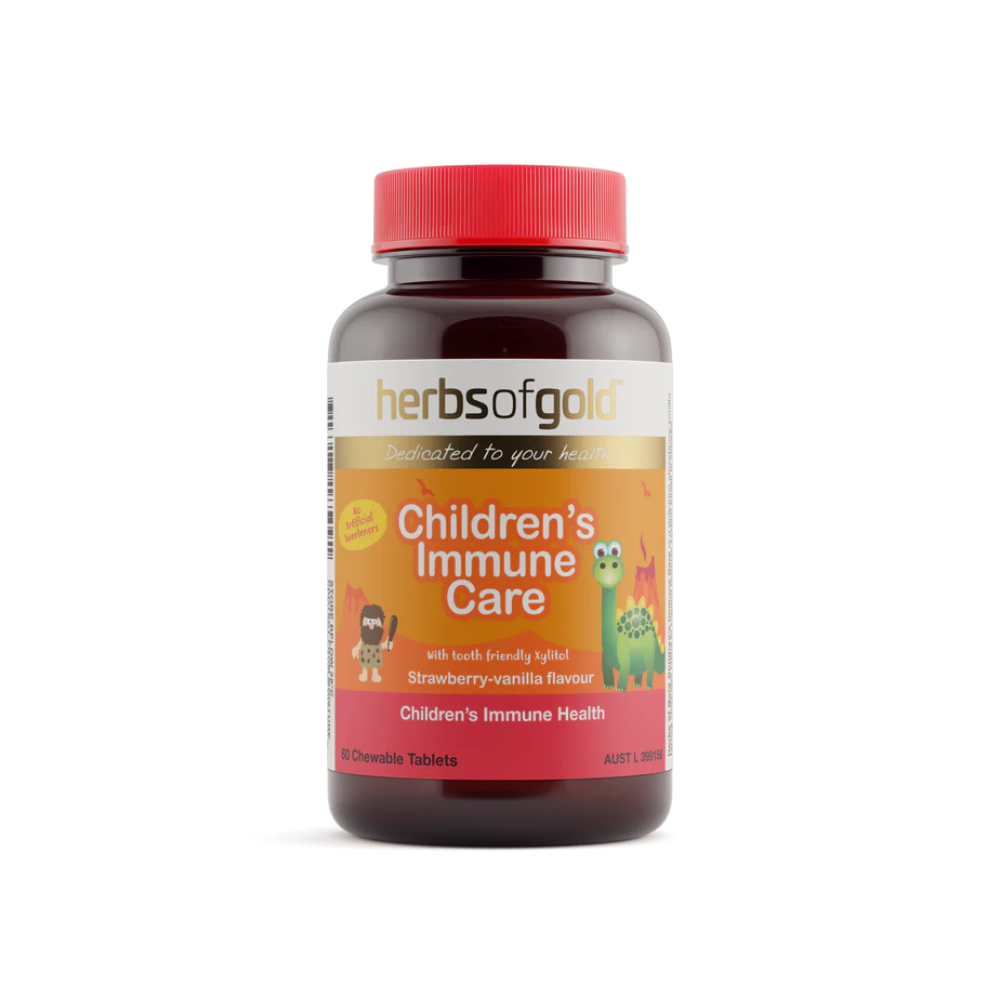
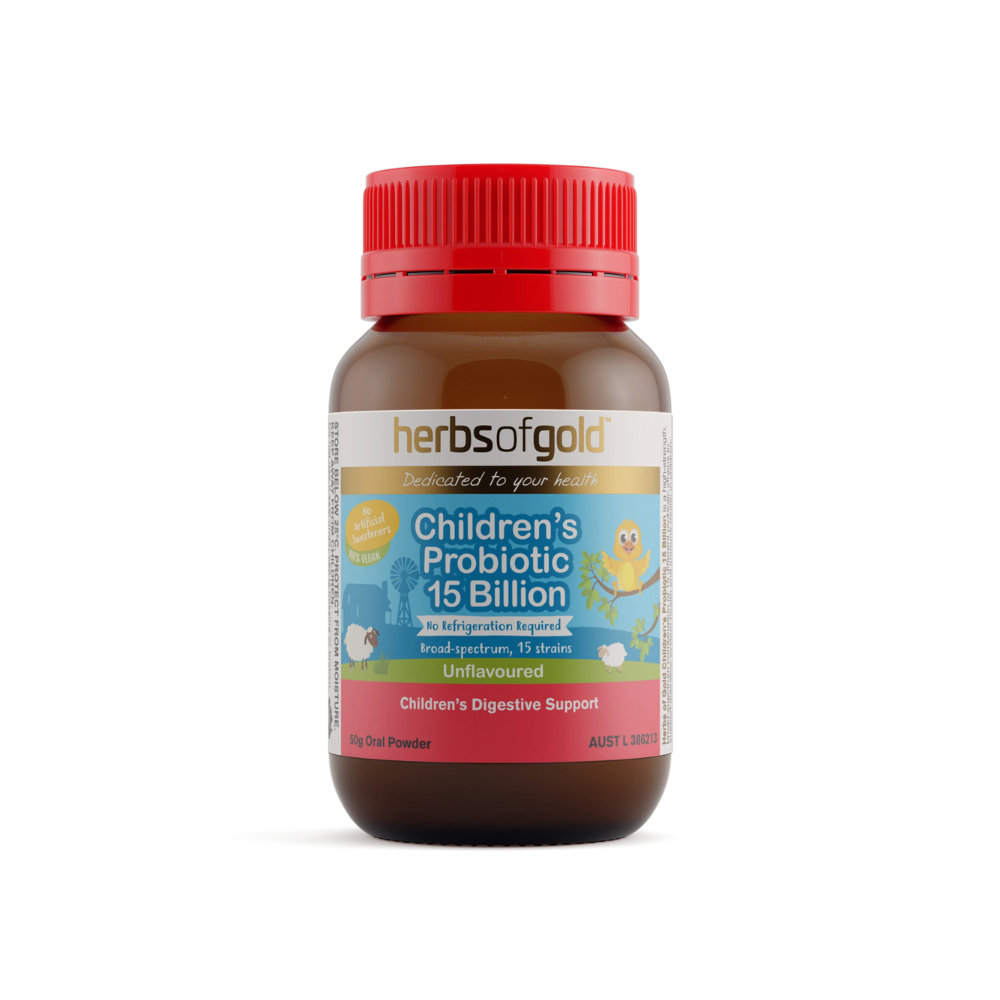
If you'd like to explore options, our children's immunity range includes things like Herbs of Gold Children's Immune Care, a children's vitamin C such as Eden Health Foods Wild C, and probiotics like Qiara Kids. Which of these suits your child, if any, depends on their age, diet and what's actually going on, which is exactly what a naturopath can help you sort out.
Browse our children's immunity range
When frequent colds are worth investigating
Most colds run their course. Some patterns are worth a closer look. If your child seems to catch everything going and takes a long time to recover, if infections keep landing on the chest or ears, or if you're worried about their energy, growth or appetite, it's worth checking in with your GP or a naturopath.
Our team includes practitioners who work specifically with children, in our Liverpool clinic in Sydney and online across Australia.
Find the right support
If winter feels like one long relay of tissues in your house, a free 15-minute discovery call with one of our Naturopaths is an easy way to talk through what might help your family.
We don't reach for supplements first. We are looking at the whole picture: sleep, diet, digestion, how often your child is unwell and what is actually happening day to day.
Our Naturopaths and Homeopaths see clients in Liverpool, Sydney and online across Australia.
Reviewed by Jaime Chew, Founder and Clinical Director of Nourishing Apothecary. Jaime has a background in nursing and advanced training in Naturopathy and Homeopathy, with a clinical focus on fertility strategy, IVF support and hormone complexity. Nourishing Apothecary consults from Liverpool, Sydney and online across Australia.
This article is for general education only and is not a substitute for individualised health advice. Please speak with your GP or a qualified naturopath before starting any supplement for your child, particularly if they have ongoing symptoms or frequent infections.
Children's immunity FAQ
Answers to common questions about supporting your child's immune system
How can I support my child's immune system naturally?
Start with the everyday foundations: consistent sleep, a varied diet with plenty of whole foods, fibre for gut health, time outdoors and active play. These do more for a child's resilience than any single product. Supplements come second, and only where they genuinely fit the child.
Why does my child keep getting colds?
Frequent colds in the early years are normal. A child's immune system is still developing, and it learns through exposure, so children in daycare or their first years of school can catch many colds a year. Most clear up without fuss. Patterns that don't fit this, like very slow recovery or infections settling on the chest or ears, are worth a closer look.
What foods support a child's immunity?
Colourful fruit and vegetables, protein from eggs, meat, fish, legumes and dairy, healthy fats from foods like oily fish and avocado, and fibre from wholegrains and legumes. Variety across the week matters more than a perfect plate. Cutting back on very sugary and ultra-processed foods helps mostly because they crowd out the foods doing the real work.
Do children need immune supplements?
Not always. Foundations come first. Nutrients like vitamin C, zinc and vitamin D come up often, and a considered supplement can make sense, particularly for a fussy eater or where levels are low. But children's needs are specific and more is not better, so it's worth getting the choice and dose right with a practitioner rather than guessing.
How does gut health affect my child's immunity?
A large part of the immune system sits in and around the gut, so what your child eats shapes more than digestion. Fibre from fruit, vegetables and wholegrains feeds the beneficial bacteria that help keep the gut lining healthy. If your child has had repeated antibiotics or ongoing tummy troubles, gut support is worth discussing with a practitioner.
When should I see a naturopath or GP about my child's colds?
If your child seems to catch everything going and is slow to recover, if infections keep landing on the chest or ears, or if you're worried about their energy, growth or appetite, check in with your GP or a naturopath. It's about looking at the whole picture rather than treating each cold in isolation.
Continue reading
More from the Words of Nourishment journal
How to support your immune system naturally: a naturopath's guide