Feeling exhausted no matter how much you sleep is one of the most common reasons women come to see us. Often the story is the same. Coffee stops working, workouts feel harder than they should and by mid-afternoon you're running on empty. Low iron is one of the first things worth ruling out, because it's common in women and the signs are easy to put down to a busy life.
Iron does a big job in the body. It helps carry oxygen through your blood to your muscles, brain and organs. When your stores drop, everything has to work harder, and you feel it.
Not sure where to start? Explore functional testing
Key takeaways
- Iron deficiency is common in women, particularly through the reproductive years.
- Symptoms like fatigue, breathlessness and brain fog are easy to put down to a busy life.
- Blood loss, pregnancy, diet and absorption all play a part.
- Food is a sensible first step, and vitamin C helps your body absorb iron.
- Iron should be guided by a blood test, not guesswork. Too much iron is harmful.
- Nutritional support does not replace medical diagnosis, treatment or advice.
Why women are more likely to run low on iron
Women lose iron in ways that add up over time. Monthly periods are the main one, and heavier or longer bleeds mean more iron leaves the body. Pregnancy increases how much iron you need, and so does the postnatal period while your body recovers. Add in years of eating on the run or a diet low in iron-rich foods and stores can quietly slide.
This is why iron deficiency is far more common in women than men, particularly through the reproductive years. It's not a personal failing. It's biology, and it's very manageable once you know what's going on. If you're pregnant or planning to be, our guide to prenatal supplements in Australia covers how iron needs shift during this time.
Common signs of low iron, and why they're easy to miss
Low iron rarely announces itself. It tends to build slowly, so you adjust to feeling flat without realising why. The signs many women notice include:
- Persistent tiredness that rest doesn't fix
- Feeling breathless on stairs or during exercise you used to manage easily
- Pale skin, or pale colour inside the lower eyelids
- Brittle nails and more hair shedding than usual
- Poor concentration or brain fog
- Cold hands and feet
- Headaches or feeling lightheaded
- Restless legs at night, or a strange urge to chew ice
You won't have all of these, and having a few doesn't confirm anything on its own. They're a prompt to look closer, not a diagnosis.
What causes iron deficiency in women
Blood loss is the most common driver, and heavy periods top the list. Pregnancy and breastfeeding raise demand. Diet matters too, especially if you eat little red meat or follow a plant-based way of eating without planning iron sources carefully.
Absorption is the part people forget. Even with enough iron on your plate, your gut has to take it in. Digestive conditions, low stomach acid and some medications can all get in the way. Certain everyday habits reduce absorption as well, like drinking tea or coffee with meals.
Iron-rich foods to build into your week
Food is a sensible place to start, and there are two kinds of dietary iron to know about. Haem iron comes from animal foods and is absorbed more easily. Non-haem iron comes from plants and is absorbed less readily, though pairing it well helps a lot.
Good sources include:
- Red meat, liver and other organ meats
- Chicken, fish and shellfish
- Lentils, chickpeas and other legumes
- Tofu and tempeh
- Dark leafy greens like spinach and silverbeet
- Pumpkin seeds and other seeds
- Wholegrains and iron-fortified options
A few simple habits improve how much you absorb. Pair plant sources of iron with vitamin C, so squeeze lemon over greens or add capsicum and tomato to a lentil dish. Keep tea and coffee for between meals rather than with them. And spread iron-rich foods across the day instead of relying on one big serve.
Why iron needs a blood test before you supplement
Here's the part we can't stress enough. Iron is one nutrient you shouldn't guess with. The symptoms of low iron overlap with plenty of other things, from thyroid issues to poor sleep, so tiredness alone doesn't tell you the cause. A blood test that includes ferritin, which reflects your iron stores, gives you a real answer.
Too much iron is a genuine problem, not a bonus. Taking a supplement you don't need can cause side effects and mask other issues. That's why testing first, then supplementing based on your results, is the approach we take with clients rather than a one-size-fits-all pill.
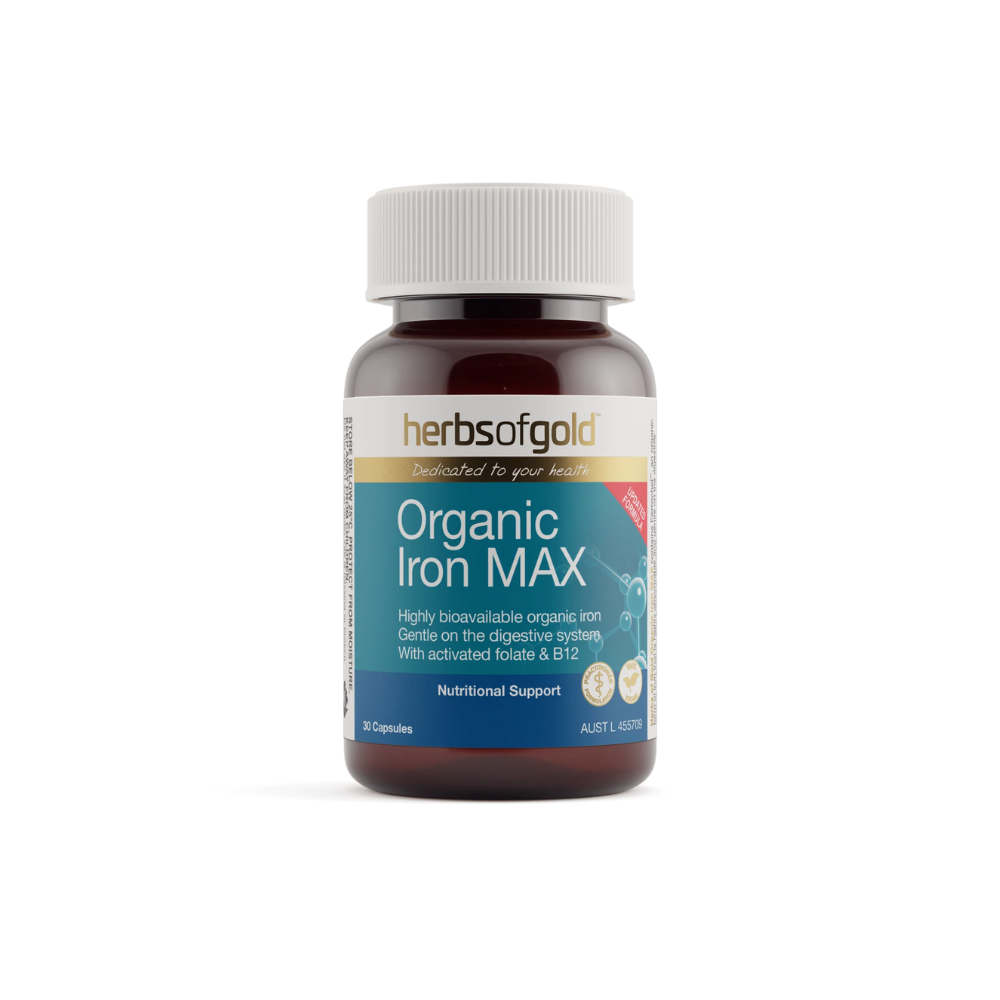
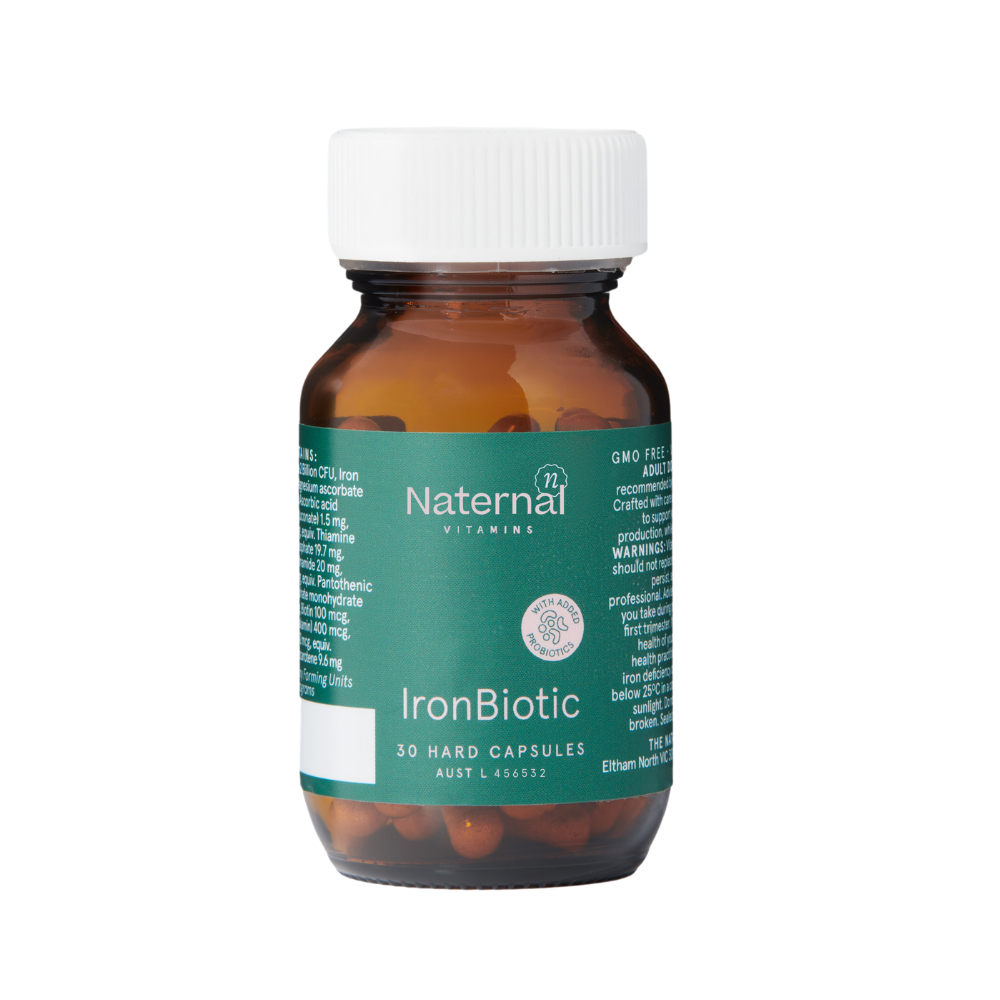
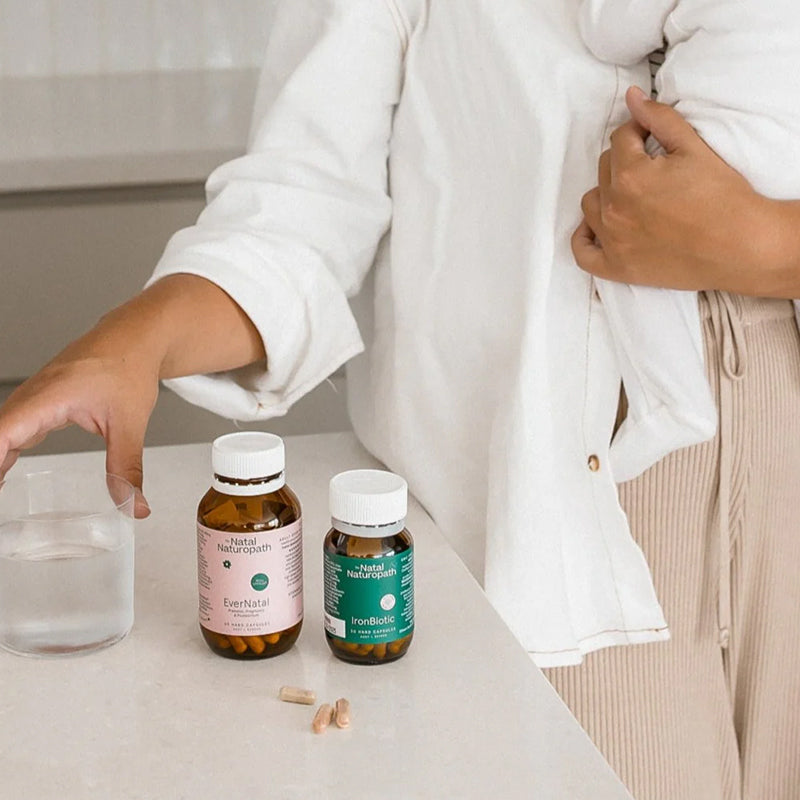
If a supplement is right for you, there are gentle, well-formulated options. Our iron range includes choices like Amazonia Organic Iron, Herbs of Gold Organic Iron MAX and IronBiotic. Which one suits you depends on your levels, your gut and how much iron you actually need, and that's worth working out with a practitioner.
When to see a naturopath or GP
If the signs above sound familiar, book in for a blood test through your GP and bring the results to a naturopath who can help you read the full picture. Heavy periods, ongoing fatigue and low iron that keeps coming back are all worth proper investigation rather than repeat supplementing.
At Nourishing Apothecary our Naturopaths work with women every day on energy, cycles and the nutrition behind them, in our Liverpool clinic in Sydney and online across Australia.
Find the right support
If ongoing fatigue or heavy periods sound familiar, a free 15-minute discovery call with one of our Naturopaths is a good place to start. We can talk through testing, what your results might mean and what support could help.
We don't look at one marker in isolation. We are looking at patterns: your cycle, your diet, digestion and absorption, energy and what is actually happening day to day.
Our Naturopaths and Homeopaths see clients in Liverpool, Sydney and online across Australia.
Reviewed by Jaime Chew, Founder and Clinical Director of Nourishing Apothecary. Jaime has a background in nursing and advanced training in Naturopathy and Homeopathy, with a clinical focus on fertility strategy, IVF support and hormone complexity. Nourishing Apothecary consults from Liverpool, Sydney and online across Australia.
This article is for general education only and is not a substitute for individualised health advice. Please speak with your GP or a qualified naturopath before starting any supplement, especially iron, which should be guided by a blood test.
Iron deficiency FAQ
Answers to common questions about low iron in women
What are the signs of iron deficiency in women?
Common signs include persistent tiredness, breathlessness with everyday activity, pale skin, brittle nails, more hair shedding than usual, poor concentration, cold hands and feet, headaches and restless legs. These symptoms overlap with many other things, so they are a prompt to get tested rather than a diagnosis on their own.
What causes low iron in women?
Blood loss is the most common cause, and heavy periods are a big part of that. Pregnancy and breastfeeding raise how much iron you need. Diet plays a role, especially with little red meat or a plant-based way of eating that is not well planned. Absorption matters too, since digestive issues and drinking tea or coffee with meals can reduce how much iron your body takes in.
Which foods are highest in iron?
Haem iron from red meat, liver, chicken, fish and shellfish is absorbed most easily. Non-haem iron from lentils, chickpeas, tofu, tempeh, dark leafy greens, seeds and wholegrains is absorbed less readily, so pair it with vitamin C to help. Keeping tea and coffee between meals rather than with them also improves absorption.
Do I need a blood test before taking iron?
Yes, this is the sensible order. A blood test that includes ferritin shows your actual iron stores, so you know whether low iron is the real cause of your symptoms. Supplementing without testing can mean taking iron you don't need, which can cause side effects and mask other issues.
Can you take too much iron?
Yes. More is not better with iron. Taking a supplement you don't need can cause side effects and, over time, too much iron is harmful. This is why testing first and supplementing based on your results, ideally with practitioner guidance, is the safer approach.
Should I see a naturopath or a GP for low iron?
Both can help, and they work well together. Your GP can arrange a blood test and investigate causes like heavy periods. A naturopath can help you read the full picture, look at diet and absorption, and consider whether nutritional support is appropriate for you. Ongoing or recurring low iron is worth proper investigation rather than repeat supplementing.
Continue reading
More from the Words of Nourishment journal