Cycles that run 40, 50 or 60 days. Periods that stop for months and then arrive without warning. For many women with polycystic ovary syndrome (PCOS), irregular periods are the first sign something is going on, and often the most frustrating part to live with.
PCOS can affect ovulation and menstrual-cycle regularity. Understanding that relationship can help make sense of why current PCOS guidelines place importance on lifestyle and ongoing medical care.
At Nourishing Apothecary, our Naturopaths and Homeopaths support women with PCOS at our clinic in Liverpool, Sydney and online across Australia. This guide explains the connection between PCOS and irregular periods, and what a natural approach can and can’t do.
Learn about our PCOS support →
Naturopathy doesn’t treat or cure PCOS
PCOS is a medical condition that needs diagnosis and ongoing care from your GP, gynaecologist or endocrinologist. Naturopathic support doesn’t treat, cure or replace that care. What our practitioners offer is time and detail on the areas the current guideline recommends as the foundation of management: nutrition, movement, sleep and emotional wellbeing.
How PCOS is diagnosed
The 2023 International Evidence-based Guideline for the Assessment and Management of PCOS sets out criteria clinicians use when assessing PCOS. Diagnosis belongs with an appropriately qualified medical practitioner, who can also rule out other possible causes of similar symptoms.
The guideline outlines that adults are generally assessed against three features, with at least two needing to be present. The first is irregular or absent ovulation. The second is signs of higher androgen levels, either on a blood test or on the body as excess hair growth or acne. The third is polycystic ovaries on ultrasound or a raised anti-Mullerian hormone (AMH) blood test, which the 2023 guideline accepts in place of an ultrasound for adults.
This means PCOS looks different from one woman to the next. Some have very irregular cycles but no skin or hair changes. Others ovulate regularly but have the other two features. There’s no single PCOS plan for that reason.
Why PCOS causes irregular periods
A regular cycle depends on ovulation. In PCOS, higher androgen levels and changes in how the body responds to insulin can interfere with how follicles develop in the ovary, so an egg is released less often or not at all. When ovulation is infrequent or absent, progesterone patterns across the cycle can also change, and the cycle can become long, unpredictable or absent.
This means PCOS looks different from one woman to the next.
The role of insulin
Many women with PCOS, including those in a healthy weight range, have some degree of insulin resistance, where the body needs more insulin to move glucose into cells. Higher insulin levels can prompt the ovaries to make more androgens, which in turn affect ovulation. This is why blood sugar balance features so heavily in PCOS care.
Why long gaps between periods matter
Going many months without a period means the lining of the uterus isn’t being shed regularly. Over time this can lead to changes in the lining, which is one reason your doctor may suggest a way to bring on a bleed at regular intervals. The guideline counts any cycle longer than 90 days as irregular, so if you regularly go more than three months without a period, talk to your GP.
Everyday foundations that may support a more regular cycle
The 2023 guideline recommends healthy eating and regular physical activity for all women with PCOS, whatever their weight. There’s no single best diet for PCOS. What matters most is a pattern you can keep up that supports steady blood sugar, enough protein and plenty of fibre, alongside movement you enjoy.
Build meals around protein and fibre
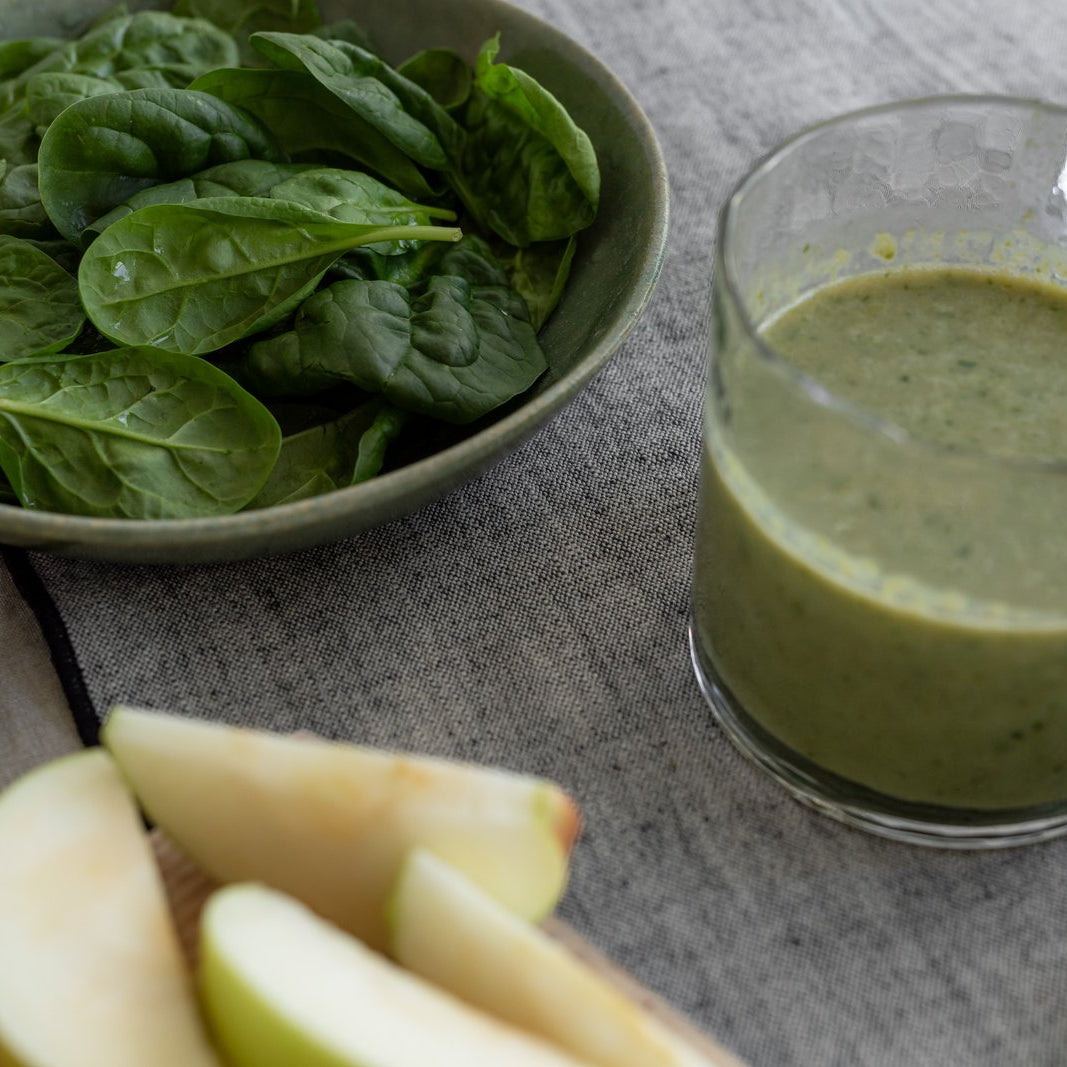
Meals that include a combination of carbohydrate, protein, healthy fats and fibre can form part of a balanced eating pattern. For PCOS, dietary advice should be individualised rather than built around a single “PCOS diet”.
In practice, that looks like eggs rather than cereal alone at breakfast. It means legumes or whole grains instead of white bread or rice, with vegetables filling half the plate. Very restrictive diets are rarely sustainable and can make your relationship with food harder.

There’s no single best diet for PCOS.
Move in ways that include strength
The guideline suggests adults aim for 150 to 300 minutes of moderate activity or 75 to 150 minutes of vigorous activity each week, plus muscle-strengthening activity on two non-consecutive days. Muscle is one of the main places the body uses glucose, so strength training may help support how your body responds to insulin.

Protect sleep and manage stress
Sleep and stress are also worth discussing as part of overall health. Rather than treating them as the cause of PCOS symptoms, our practitioners consider them alongside nutrition, movement, medical history and the care you’re already receiving. Our guide to how stress affects hormones, sleep and gut health explains the connection.
Track your cycle
Tracking cycle dates and symptoms may help you notice patterns and give your GP or practitioner useful information. It shouldn’t be used on its own to diagnose PCOS or confirm ovulation. Our articles on why tracking your cycle matters and what a normal menstrual cycle looks like are good places to start.
What the current guideline says about supplements
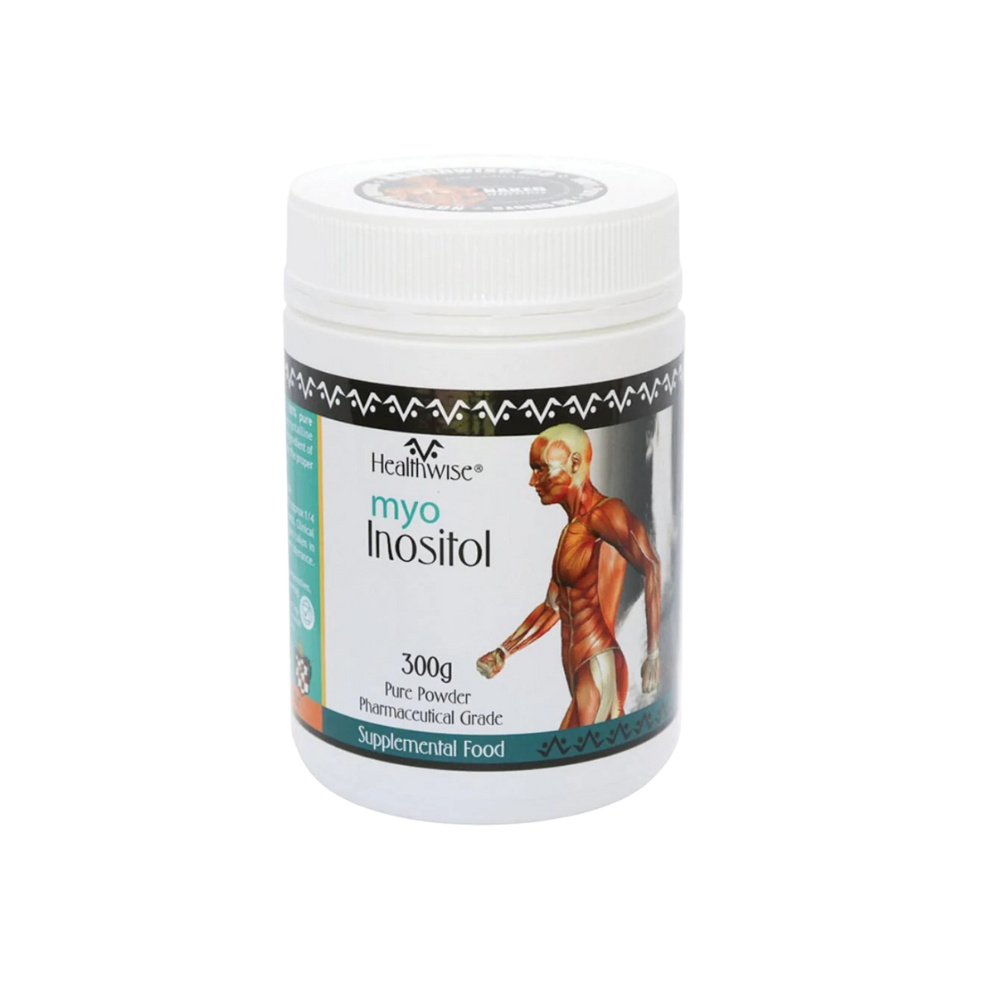
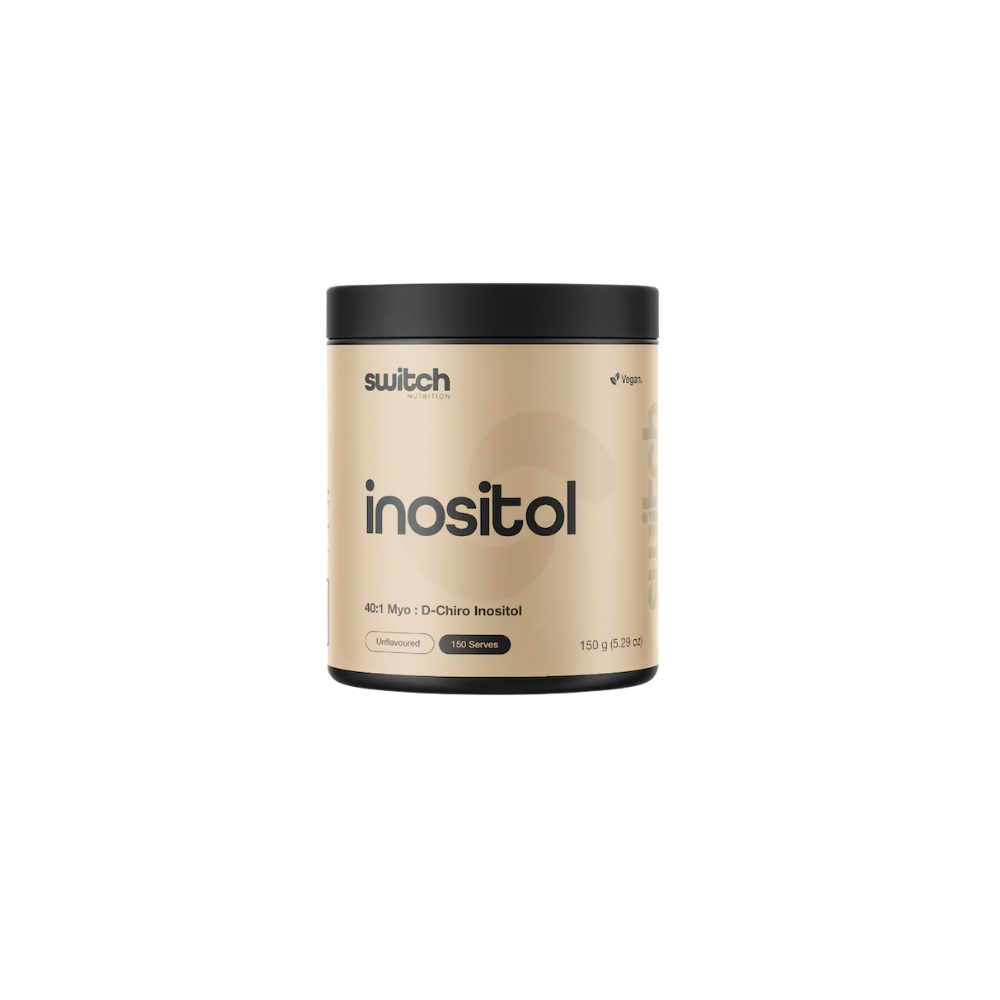
Inositol is the supplement most often discussed for PCOS. The 2023 guideline says it could be considered based on individual preferences and values, noting limited harm and potential for improvement in metabolic measures, but limited clinical benefits. That’s a measured position rather than a strong recommendation, and it’s worth knowing before you spend money on it. Our practitioners discuss supplements individually, as part of a plan that starts with the foundations above, and check for interactions with any medications you take.
This guide is for women with PCOS or long, irregular cycles
It’s written for women who have been diagnosed with PCOS and want to understand their cycle better, women who suspect PCOS and are waiting on tests and anyone whose cycles are long or irregular and who wants to know what to ask their doctor.
When to seek support
See your GP if your cycles are regularly shorter than 21 days or longer than 35 days, if you have fewer than eight cycles a year, if you go more than three months without a period, if you notice new excess hair growth or persistent acne or if you’re trying to conceive and your cycles are irregular.
Your GP can arrange blood tests and an ultrasound and refer you on where needed.
If you already have a diagnosis and would like support with nutrition, movement, sleep and stress alongside your medical care, our Naturopaths and Homeopaths see women at our Liverpool, Sydney clinic and online across Australia.
Learn about our PCOS support →
Reference: Teede HJ, Tay CT, Laven JSE et al. Recommendations from the 2023 International Evidence-based Guideline for the Assessment and Management of Polycystic Ovary Syndrome. Led by Monash University and funded by the National Health and Medical Research Council. monash.edu/pcos
This article is provided for general educational and informational purposes only and is not a substitute for individual medical advice, diagnosis or treatment. Health needs vary between individuals. Speak with your GP or another appropriately qualified health practitioner about your individual circumstances before making significant changes to your diet, supplements, medicines or health care. If you have new, persistent or concerning symptoms, seek appropriate medical advice.
Reviewed by the clinical team at Nourishing Apothecary. Our practitioners hold advanced qualifications in Naturopathy and Homeopathy, with clinical expertise spanning fertility, hormonal health, IVF support and postnatal care. Nourishing Apothecary consults from Liverpool, Sydney and online across Australia.
Continue reading
More from the Words of Nourishment journal
What a normal menstrual cycle looks like →