When a couple is trying to conceive, most of the attention tends to fall on the woman. Male reproductive health is an important part of preconception care, so it makes sense for both partners to be part of the conversation.
Sperm take two to three months to develop from start to finish. That means the food, habits and environment of the next few months may shape the sperm available later in the year.
Our Naturopaths and Homeopaths at Nourishing Apothecary in Liverpool, Sydney work with men and couples preparing to conceive, in clinic and online. This guide covers how to improve sperm health through diet, lifestyle and, where appropriate, supplements.
Learn about our male fertility support →
A semen analysis can provide useful information
A semen analysis measures sperm count, movement and shape, along with semen volume. It’s arranged through your GP and is the simplest way to understand where things stand before making changes. Many men put this test off, but the results give you, your partner and any practitioner you work with a clear baseline to measure progress against.
Some clinics also offer a sperm DNA fragmentation test, which looks at damage to the genetic material inside sperm. Whether it’s useful for you is a conversation to have with your GP or fertility specialist.
Male reproductive health is an important part of preconception care, so it makes sense for both partners to be part of the conversation.
The eating patterns linked with better sperm health
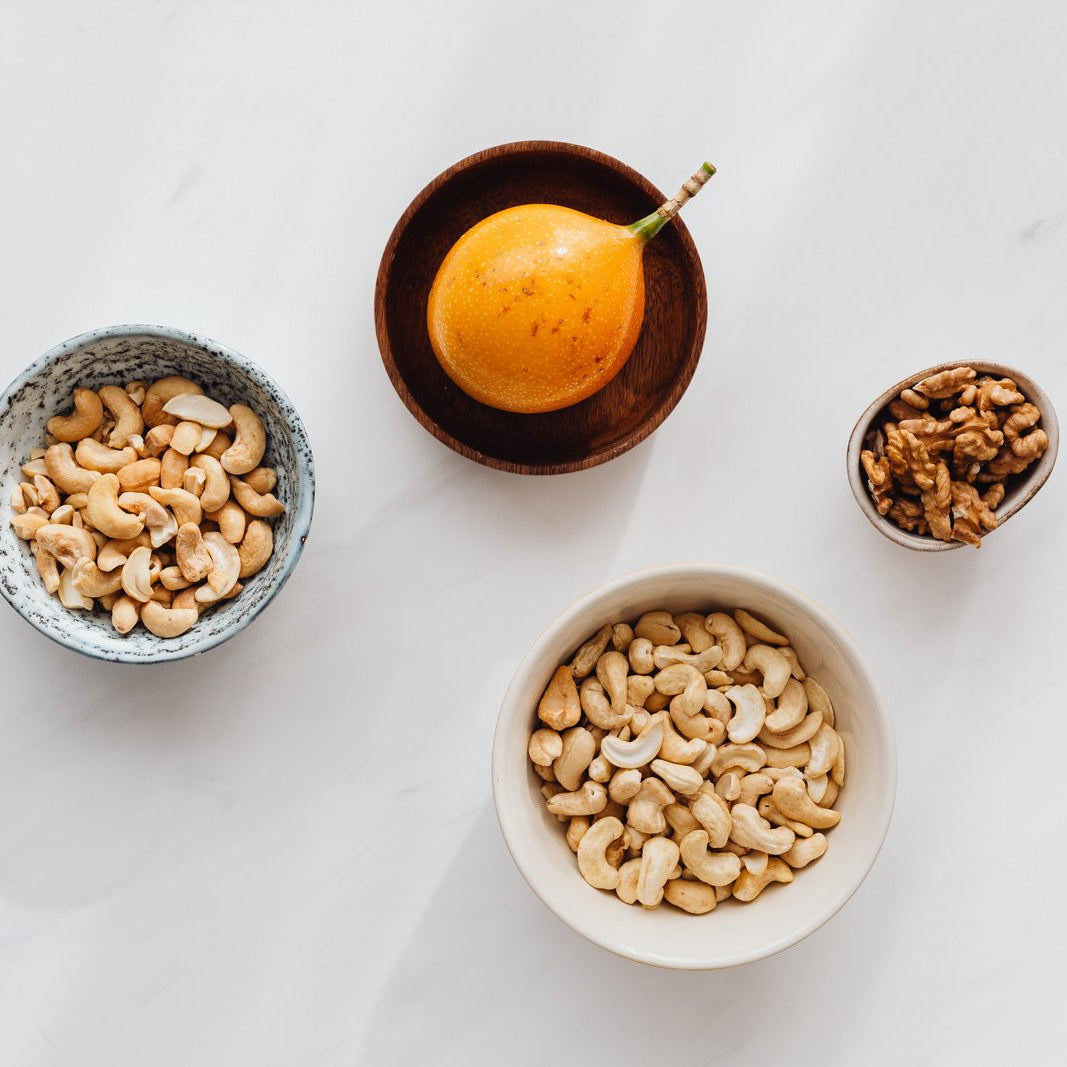
Diets rich in vegetables, fruit, whole grains, legumes, fish, nuts and olive oil, similar to a Mediterranean pattern, have been associated with better semen quality in observational studies. Diets high in processed meat, sugary drinks and highly processed foods have been associated with poorer results. These studies show links rather than cause and effect, but the direction is consistent.

The nutrients our practitioners pay most attention to, and where to find them in food:
- Zinc: oysters, red meat, pumpkin seeds and legumes. Zinc is involved in sperm production and testosterone metabolism.
- Selenium: Brazil nuts, fish and eggs. Selenium is needed for normal sperm formation.
- Folate: leafy greens, legumes and asparagus. Folate is needed to make DNA.
- Omega-3 fats: oily fish, walnuts and flaxseed. These fats form part of the sperm cell membrane.
- Antioxidants: lycopene from tomatoes, vitamin C from berries and citrus, vitamin E from nuts and seeds.

Heat, alcohol and other everyday factors
Sperm production is sensitive to heat, which is why the testes sit outside the body. Regular saunas, hot baths, laptops on the lap and long periods of sitting may raise scrotal temperature. Smoking, heavy drinking, recreational drugs and carrying significant excess weight are all associated with poorer sperm quality.
Testosterone therapy and anabolic steroid use can affect sperm production. If you currently use testosterone or anabolic steroids, or are considering them, discuss fertility with your doctor.
Sleep and stress matter too. Our article on how stress can affect fertility, for men as well as women explains why.
Supplements should be considered individually
Supplements are sometimes considered as part of preconception care, but the right approach depends on diet, health history, medications, test results and individual needs. Research into antioxidant supplementation for male fertility is mixed, and more isn’t necessarily better. Some nutrients, including zinc and selenium, can be harmful in excessive amounts.
If you’re considering supplements while trying to conceive, speak with a suitably qualified health practitioner who can assess them in the context of your overall care.
Because sperm development occurs over a period of roughly two to three months, your GP, fertility specialist or practitioner may take this timeframe into account when reviewing your care.
Research into antioxidant supplementation for male fertility is mixed, and more isn’t necessarily better.
This guide is for men planning to conceive
It’s written for men who are planning to conceive, couples who have been trying for a while without success and men who have had a semen analysis and want to understand what they can do next. It’s also for partners who want to share the load of preconception care, which we write about in It’s not you, it’s his sperm.
When to seek support
Speak with your GP or fertility specialist if you’re concerned about fertility or have been trying to conceive without success.
Seek advice earlier if either partner has known fertility risk factors, or if you have a history of testicular surgery, undescended testes, medical treatment that may affect fertility, pain, swelling or a lump.
Our Naturopaths and Homeopaths work with men and couples at our Liverpool, Sydney clinic and online across Australia, alongside your GP or fertility specialist. We ask fertility clients to commit to at least three months of support, which covers a full cycle of sperm development. You can read more about our fertility services.
Learn about our male fertility support →
This article is provided for general educational and informational purposes only and is not a substitute for individual medical advice, diagnosis or treatment. Health needs vary between individuals. Speak with your GP or another appropriately qualified health practitioner about your individual circumstances before making significant changes to your diet, supplements, medicines or health care. If you have new, persistent or concerning symptoms, seek appropriate medical advice.
Reviewed by the clinical team at Nourishing Apothecary. Our practitioners hold advanced qualifications in Naturopathy and Homeopathy, with clinical expertise spanning fertility, hormonal health, IVF support and postnatal care. Nourishing Apothecary consults from Liverpool, Sydney and online across Australia.
Continue reading
More from the Words of Nourishment journal
It’s not you, it’s his sperm →