
You have had the baby.
Everyone is asking how the baby is sleeping, feeding and growing.
Meanwhile, you are exhausted.
Maybe you have been told that is simply part of early motherhood. Maybe your blood tests came back normal. Maybe you keep hearing that you just need more time.
But normal results do not always explain why someone does not feel well.
If you do not feel like yourself, it is worth paying attention.
In clinic, we often meet women who have spent months pushing through fatigue, brain fog or a feeling that something is not quite right. Sometimes that is part of the adjustment to motherhood. Sometimes there are nutritional patterns worth investigating.
Birth, recovery, breastfeeding and sleep deprivation all place significant demands on the body. And while much of the attention naturally shifts to the baby after birth, your nutritional needs do not suddenly disappear.
One of the biggest misconceptions we see is that nutrition matters during pregnancy, but becomes less important once the baby arrives. In reality, the postnatal period can be one of the most nutritionally demanding stages of motherhood.
This article explores some of the key nutrients commonly reviewed in the postnatal period and how we think about supporting recovery from a naturopathic perspective.
Explore our postnatal and prenatal supplement range
Key takeaways
- Nutritional needs often remain elevated after birth.
- Iron is one of the most commonly assessed nutrients in the postnatal period.
- Breastfeeding increases nutritional demands.
- Choline, omega-3 fatty acids, magnesium and B vitamins are commonly reviewed after birth.
- Testing can help guide whether supplementation is appropriate.
Why nutrition often gets overlooked after birth
One of the patterns we see repeatedly in clinic is women putting their own recovery at the bottom of the list once the baby arrives.
The focus naturally shifts to the baby. How are they sleeping? Feeding? Growing?
Meanwhile, many women are left wondering why they still feel exhausted, foggy or unlike themselves months after giving birth.
Some of that is part of the reality of early motherhood. But not all of it should automatically be dismissed as "just having a newborn".
Blood loss during delivery, the physical demands of labour, the nutritional demands of breastfeeding and the sleep disruption that comes with caring for a baby all place significant demands on the body. When those demands outpace replenishment, it can become harder to maintain the nutrient stores needed for recovery.
The term postpartum depletion has gained attention in recent years, but the experience itself is not new. It is often used to describe the physical, emotional and nutritional demands that can accumulate during pregnancy, birth and the postnatal period.
At Nourishing Apothecary, we are always looking at the bigger picture. Iron, B vitamins, choline, zinc, magnesium, omega-3 fatty acids and iodine are among the nutrients that may be reviewed after birth, particularly when someone is not feeling as well as they would expect to.
Key nutrients to focus on after birth
One of the most common things we look at after birth is iron status.
We often hear some version of:
"I thought I was just tired because I had a newborn."
And sometimes that is true.
But sometimes there is more to the picture.
Blood loss during delivery, combined with iron stores that may have already been low during pregnancy, means iron status is one of the first things we commonly review in the postnatal period.
Low iron status may be associated with symptoms such as fatigue, brain fog and changes in wellbeing, although these symptoms can have multiple causes. This is one reason we encourage women not to dismiss how they are feeling, particularly if recovery feels harder than expected.
Research has identified an association between lower ferritin levels and postnatal depression in some populations studied. While this does not mean low iron is the sole cause, it highlights the importance of understanding what is happening beneath the surface rather than assuming exhaustion is simply part of motherhood.
Normal blood tests do not always tell the whole story. In clinic, we often look beyond haemoglobin alone and consider ferritin, which reflects iron stores, as part of the broader picture.
Iron status is worth discussing with your GP, Naturopath or healthcare practitioner after birth, particularly if you are experiencing ongoing fatigue or concerns about recovery.
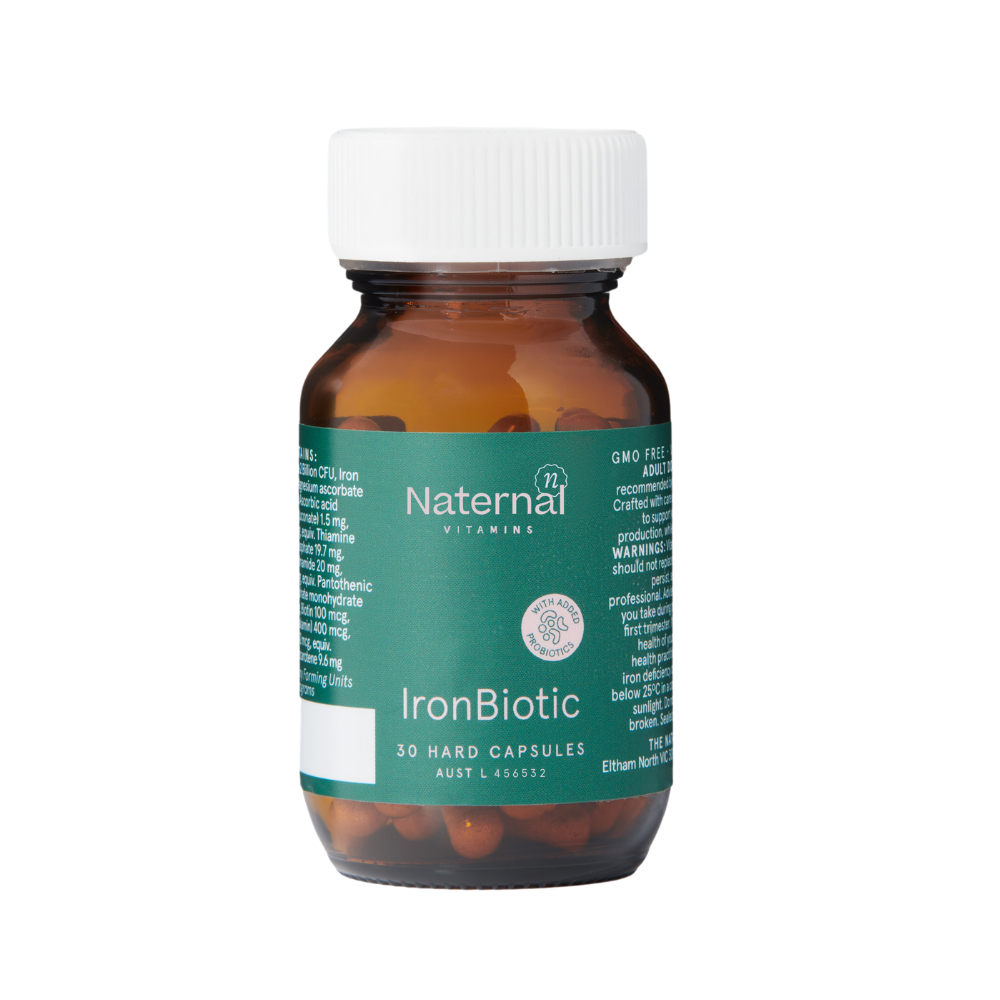
Our clinical team often works with IronBiotic, which contains iron bisglycinate, a form of iron commonly chosen for its tolerability and gentle absorption profile.
Beyond iron: other nutrients to consider after birth
Iron is often one of the first nutrients we review after birth, but it is rarely the only piece of the puzzle.
At Nourishing Apothecary, we do not look at nutrients in isolation. We are always asking how recovery, energy, sleep, mood, breastfeeding and overall wellbeing fit together. This is where nutrients such as choline, B vitamins, omega-3 fatty acids and magnesium may become relevant.
Choline plays an important role during pregnancy and remains important after birth, particularly for women who are breastfeeding. Requirements remain elevated in the postnatal period, yet many postnatal multivitamins contain little or no choline.
B vitamins including folate, vitamin B6 and vitamin B12, are involved in energy metabolism and nervous system function. Some practitioners choose methylated forms when working with women who carry MTHFR variants, though supplement choices should always be individualised and based on the broader clinical picture.
Omega-3 fatty acids, particularly DHA, are commonly reviewed during pregnancy and breastfeeding. Levels may decline during pregnancy as nutrients are prioritised for the developing baby, which is why dietary intake and nutritional status are often considered in the postnatal period.
Magnesium is another nutrient frequently discussed after birth. It may play a role in muscle function, nervous system regulation and sleep, all areas that can feel under pressure during the early months of motherhood.
Continuing prenatal supplementation after birth
One of the questions we are asked regularly is whether prenatal supplements still matter after birth.
For many women, particularly those who are breastfeeding, the answer is often yes.
One of the biggest misconceptions we see is that nutritional support is only important during pregnancy. In reality, the postnatal period can be one of the most nutritionally demanding stages of motherhood. Recovery from birth, breastfeeding, disrupted sleep and the day-to-day demands of caring for a newborn can all influence nutritional requirements.
This is why we often continue reviewing nutritional support after birth rather than assuming the need for supplementation ends once the baby arrives.
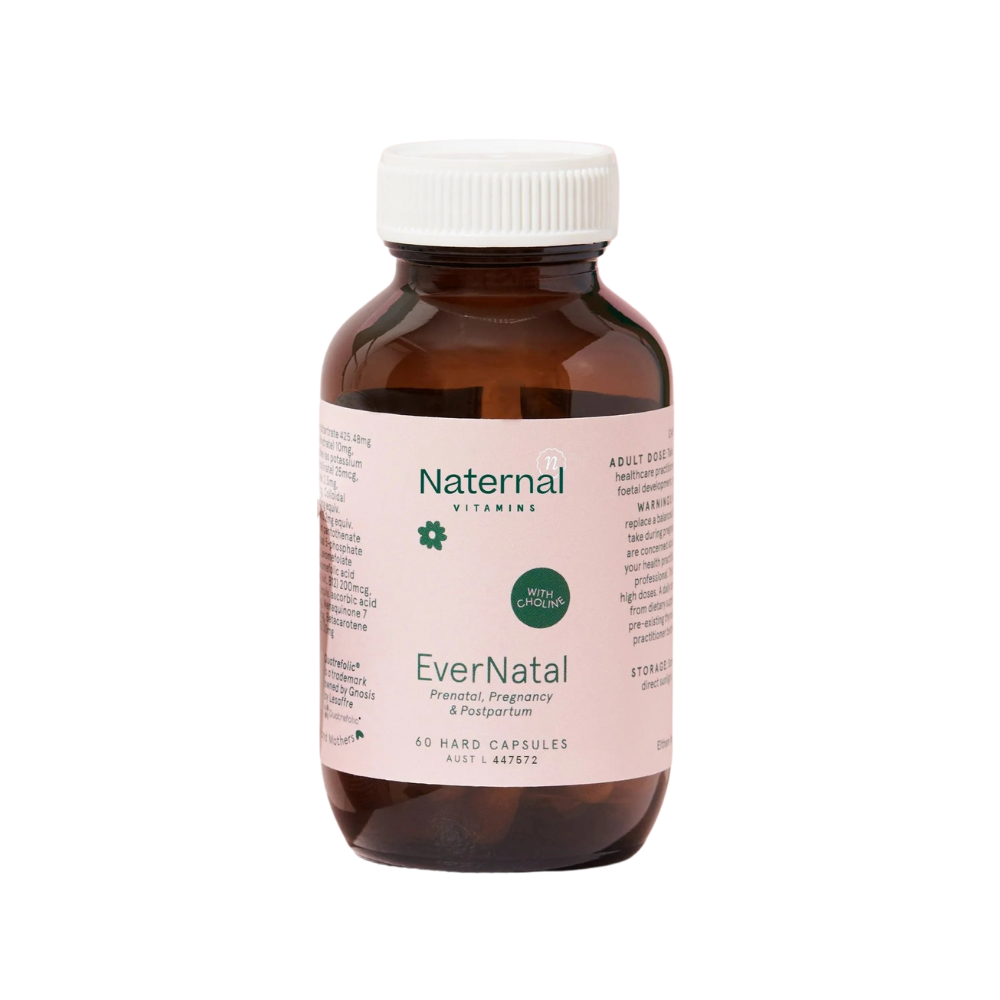
EverNatal from Naternal Vitamins is formulated for use across preconception, pregnancy and the postnatal period. It is vegan, intentionally iron-free (allowing iron supplementation to be individualised where appropriate) and contains methylated folate rather than synthetic folic acid.
Some practitioners may consider methylated folate when working with individuals who carry MTHFR variants, though supplement recommendations should always be personalised and based on individual needs.
Browse the full Naternal Vitamins range
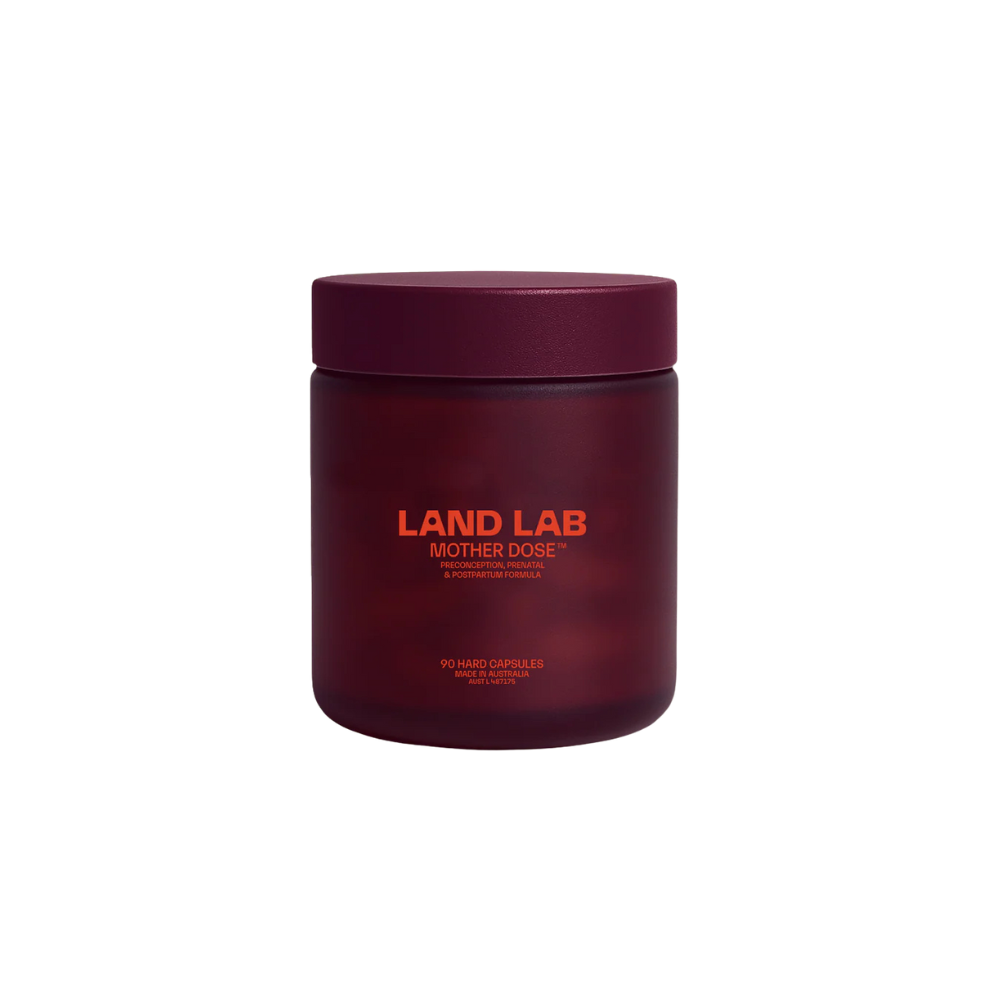
For women who want a comprehensive, food-based postnatal formula, Land Lab Mother Dose is another option in our range. It is specifically formulated to support fertility, pregnancy and postpartum recovery in a single blend.
Browse breastfeeding supplements
Hydration after birth
While electrolyte drinks are commonly associated with labour and pregnancy, the hydration demands of breastfeeding are significant and often underestimated.
Producing breast milk increases fluid requirements, and many women find it difficult to stay consistently hydrated while adjusting to the demands of a newborn. This is one reason hydration often becomes part of the broader postnatal nutrition conversation.
In clinic, we often hear women describe feeling completely exhausted, only to assume it is simply part of early motherhood. Sometimes it is. But we are always interested in understanding the bigger picture. Recovery, nutrition, sleep, stress and hydration all interact, and it is rarely just one thing in isolation.
This is where hydration can become an important consideration. When feeding schedules are unpredictable and looking after yourself falls to the bottom of the list, even simple habits like eating regularly and drinking enough fluids can become difficult.
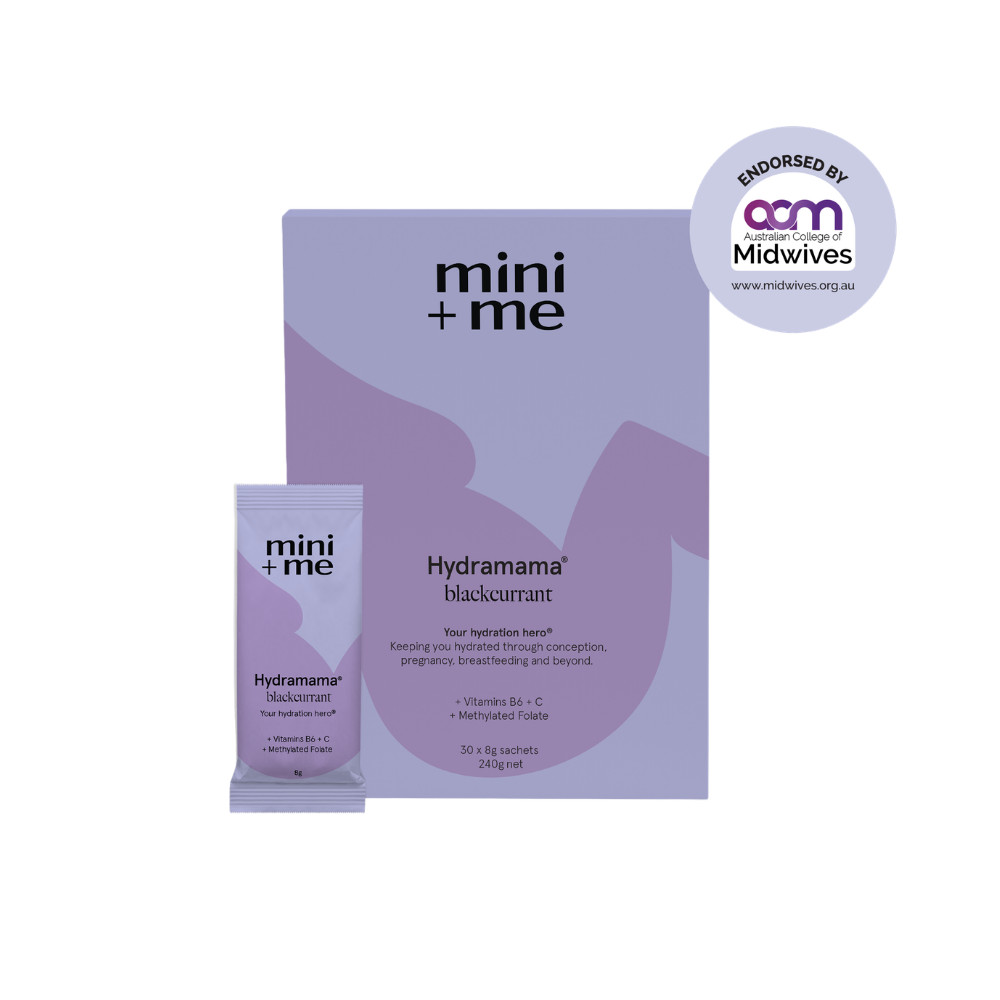
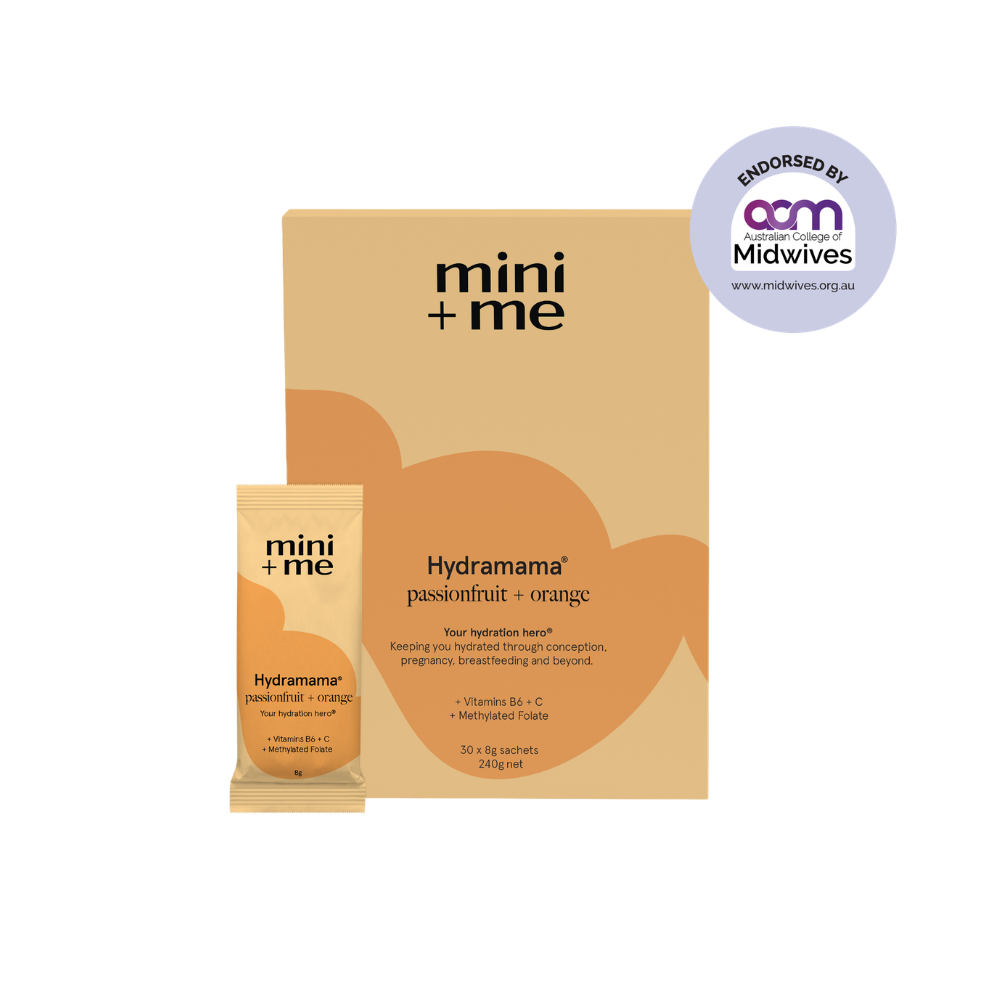
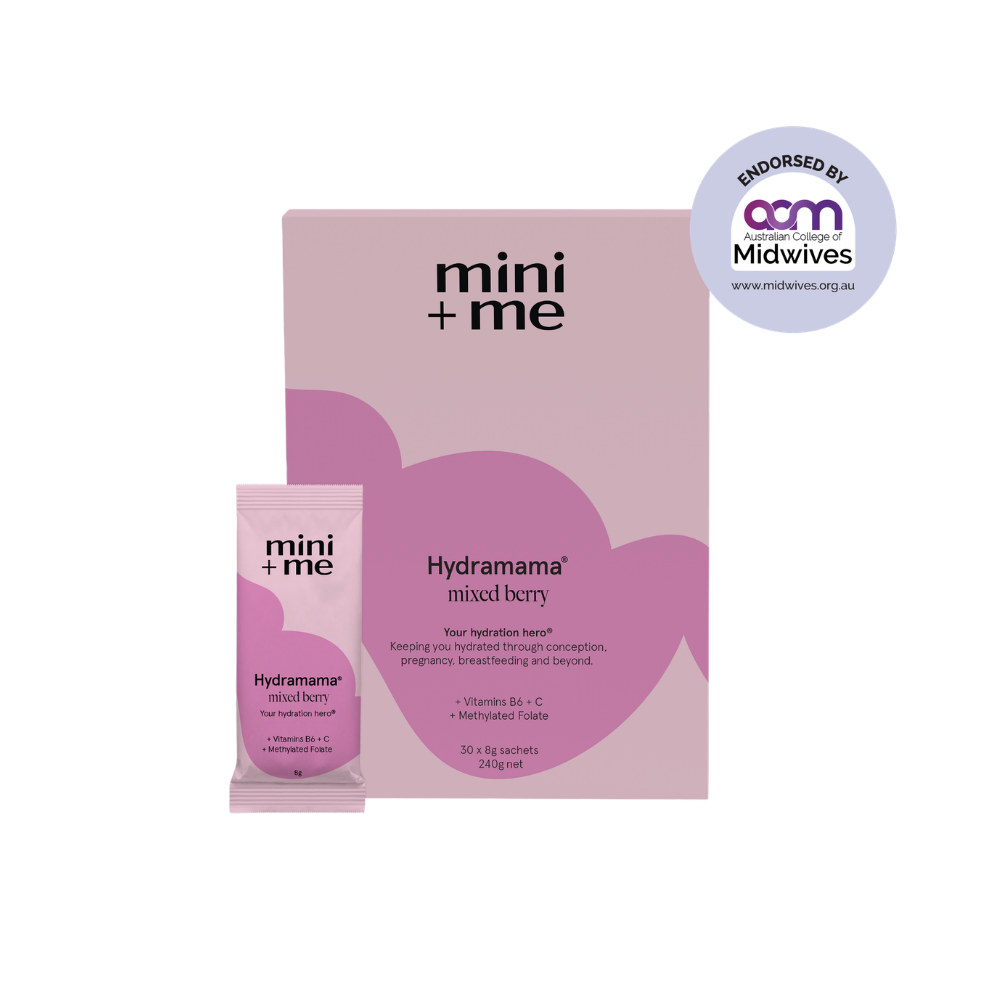
Hydramama is a sugar-free, isotonic electrolyte drink endorsed by the Australian College of Midwives and formulated with the demands of pregnancy and motherhood in mind. It may be a practical option on days when food intake is disrupted, when fluid intake has been inconsistent, or when the additional demands of breastfeeding make hydration harder to prioritise.
Browse our electrolytes collection
Read: Hydramama and motherhood
Naturopathic support in the postnatal period
We do not look at iron, magnesium or any nutrient in isolation. We look at the bigger picture.
How are you sleeping? How is your mood? What does recovery actually feel like? Are there nutritional patterns worth exploring?
These are the kinds of questions we ask when someone comes to us feeling exhausted, depleted or simply not quite like themselves after birth.
At Nourishing Apothecary, we look at how your body is recovering physically, how your mood and energy are tracking, and what your nutritional picture looks like. Rather than focusing on a single symptom or test result, we work to join the dots between what you are experiencing and the factors that may be contributing to it.
A single test result rarely captures the full picture, which is why we look beyond individual markers and consider what is happening across the whole person.
This is especially relevant for women who are planning another pregnancy. The time between pregnancies matters when it comes to replenishing nutrient stores, and nutritional preparation before conception is often an important part of the conversation.
If you are doing all the right things and still not feeling like yourself after birth, a free 15-minute discovery call is a good place to start. Our Naturopaths and Homeopaths see clients in Liverpool, Sydney and online across Australia.
Explore our prenatal and postnatal supplement range
Reviewed by the clinical team at Nourishing Apothecary. Our practitioners hold advanced qualifications in Naturopathy and Homeopathy, with clinical expertise spanning fertility, hormonal health, IVF support and postnatal care. Nourishing Apothecary consults from Liverpool, Sydney and online across Australia.
Postnatal nutrition FAQ
Answers to common questions about nutrition after birth
What supplements are commonly considered after giving birth?
Iron is one of the most commonly assessed nutrients in the postnatal period, particularly for women who experienced significant blood loss during delivery. Depending on the individual's circumstances, practitioners may also consider nutrients such as B vitamins, choline, omega-3 fatty acids, magnesium and zinc as part of a broader postnatal nutritional assessment. Individual needs vary considerably, which is why testing is often the best place to start.
When should I stop taking prenatal vitamins after birth?
Many of the nutritional demands that make prenatal supplements relevant during pregnancy continue into the postnatal period, particularly during breastfeeding. The timing of when to stop supplementation depends on factors such as breastfeeding, dietary intake, nutrient status and individual health needs. This is something we assess on a case-by-case basis rather than applying a one-size-fits-all approach.
How do I know if I am iron deficient after giving birth?
The most reliable way to assess iron status is through a blood test measuring ferritin, which reflects iron stores, rather than haemoglobin alone. Symptoms that may be associated with low iron include fatigue, brain fog, difficulty recovering and changes in wellbeing, though these symptoms can also have other causes. We recommend speaking with your GP or Naturopath about testing and interpretation of results.
Is it safe to take supplements while breastfeeding?
Many supplements may be appropriate during breastfeeding, though suitability depends on the specific product, dose and individual circumstances. It is important to seek advice from a qualified healthcare practitioner before beginning any new supplement while breastfeeding. Our Naturopaths can help guide supplement choices as part of a personalised consultation.
Why am I so tired after having a baby?
Fatigue after birth is common, particularly when recovery, sleep disruption and the demands of caring for a newborn overlap. However, persistent exhaustion should not always be assumed to be "just motherhood". Practitioners may consider factors such as iron status, nutritional intake, sleep quality, stress, breastfeeding demands and overall recovery when assessing postnatal fatigue.
What is postpartum depletion?
Postpartum depletion is a term used to describe the physical, emotional and nutritional demands that can accumulate during pregnancy, birth and early motherhood. While every woman's experience is different, practitioners may consider factors such as nutrient status, sleep, stress, breastfeeding demands and recovery when someone feels depleted after birth. It is not a diagnosis, but rather a way of describing a pattern that many women recognise during the postnatal period.
What nutrients are commonly reviewed after birth?
There is no single nutrient every woman needs after birth. In clinic, iron, B vitamins, choline, omega-3 fatty acids, magnesium and iodine are among the nutrients commonly reviewed, particularly when someone is experiencing fatigue, brain fog or concerns about recovery.
Can postpartum depletion last for years?
For some women, feelings of depletion may continue well beyond the newborn period, particularly if nutritional needs, recovery, sleep and overall health have not been adequately supported. Experiences vary, which is why individual assessment is important.
Continue reading
More from the Words of Nourishment journal